Articles7 min read

The Rhyme That Made My Daughter Laugh So Hard She Snorted

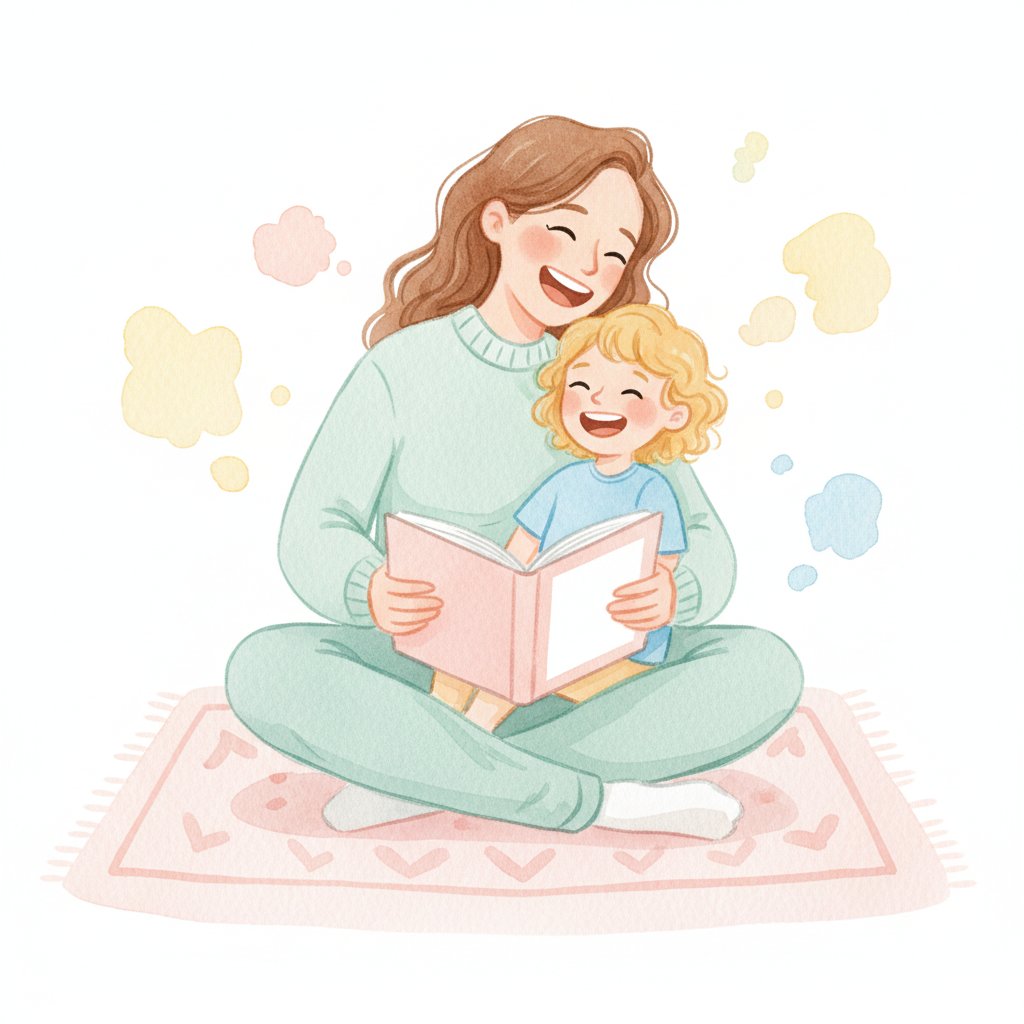
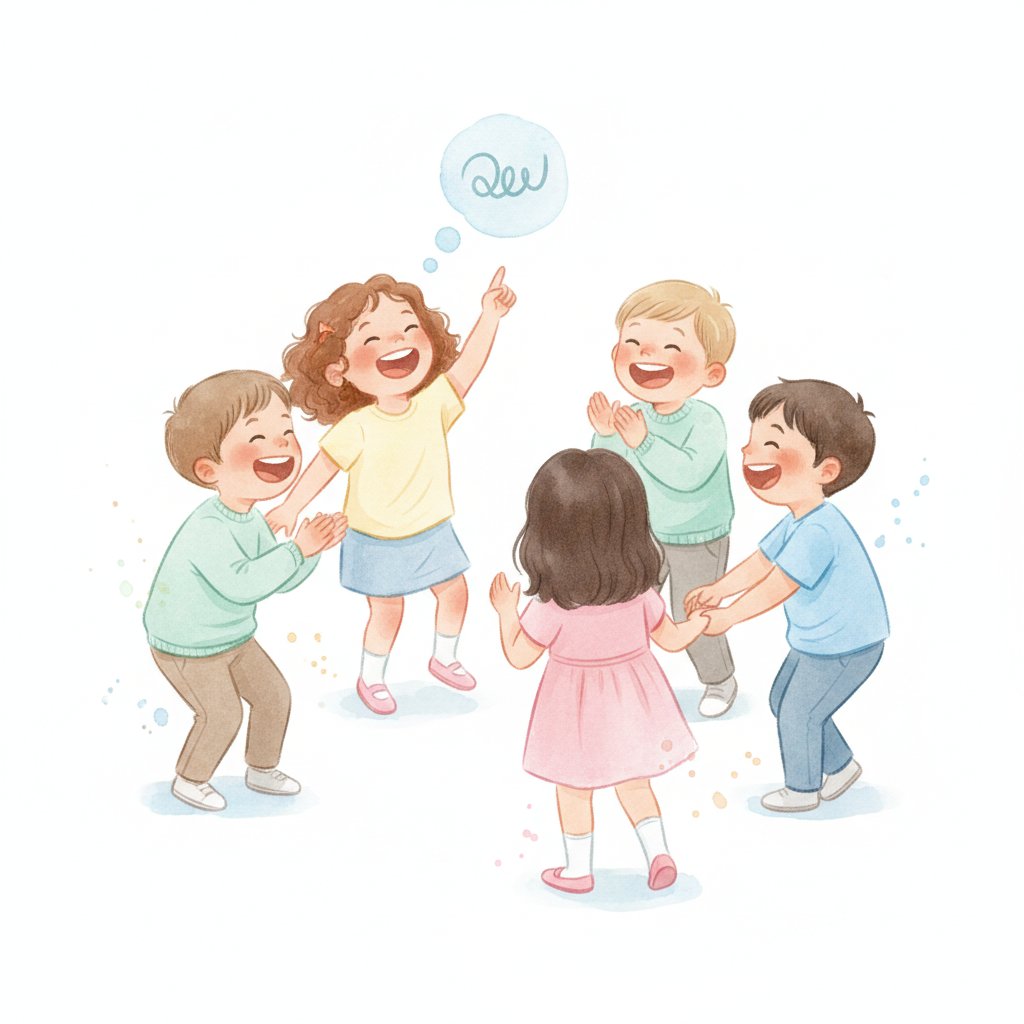
"What rhymes with CAT?" I asked. She thought for a second: "HAT!" I said, "What rhymes with FROG?" She grinned: "DOG!" Then I tried, "What rhymes with PURPLE?" Her face scrunched up. She thought hard. "HURPLE!" she declared, and laughed so hard she snorted. For the next week, she invented rhymes for everything: "Banana — nana! Tree — pee! Mommy — gummy!"

That week of silliness was doing serious brain work. Rhyming is one of the earliest phonological awareness skills — the ability to hear and manipulate the sounds in spoken language. According to the National Reading Panel, phonological awareness is the single strongest predictor of reading success. Children who can identify and generate rhymes by age 5 learn to read faster and with less struggle than children who can't.
This guide covers 15+ rhyming activities for ages 3-6, from simple rhyme recognition to rhyme generation and production. These activities develop the ears that will later decode written words. Pair it with our nursery rhyme activities for rhyme exposure through traditional songs and our phonics activities for connecting sounds to letters.

Why Rhyming Matters for Reading

The reading connection: Reading is fundamentally about connecting sounds to letters. Before children can connect sounds to letters, they need to be able to hear the sounds in words. Rhyming teaches children to focus on the sound structure of language — specifically, to notice that words share ending sounds (cat/hat, dog/log, sun/fun).
Three levels of rhyming development:

LevelSkillExample
Recognition"Do these rhyme?""Do cat and hat rhyme? Yes!"
Matching"Find the rhyme""Which rhymes with cat: dog or hat?"
Production"Make a rhyme""Tell me a word that rhymes with cat."

Children progress through these levels sequentially. Most 3-year-olds can recognize rhymes. Most 4-year-olds can match rhymes. Most 5-year-olds can produce rhymes. If a 5-year-old can't yet produce rhymes, they need more practice at recognition and matching first.

When to start: Age 3 is ideal for introducing rhyming through songs, books, and games. Don't worry about mastery — exposure builds the neural pathways. By age 4-5, children should be actively practicing rhyme production.

Red flag: If a child cannot recognize rhymes by age 4.5, talk to their teacher or pediatrician. Difficulty with rhyming can be an early sign of dyslexia, and early intervention makes a significant difference.

Rhyme Recognition Activities (Ages 3+)

1. Thumbs Up, Thumbs Down

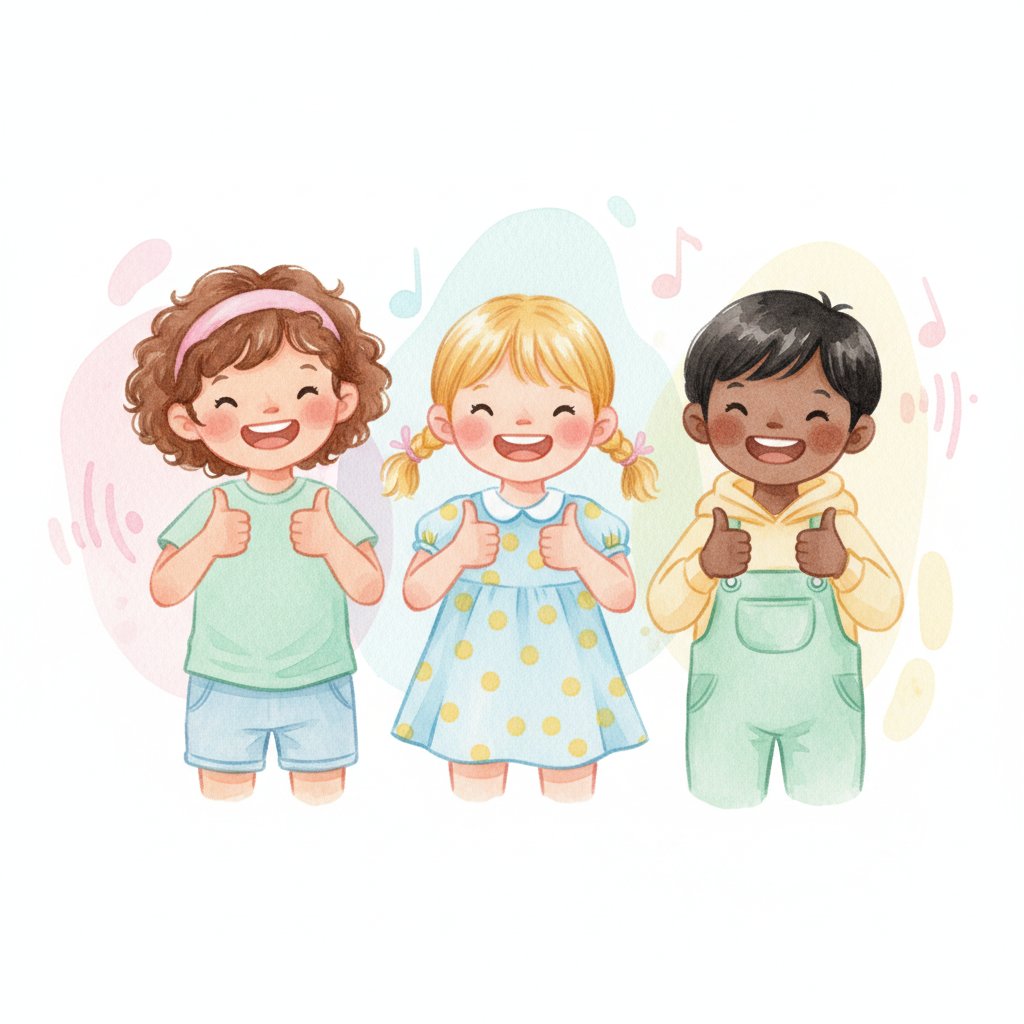
Say two words. If they rhyme, thumbs up. If they don't, thumbs down. "Cat... hat?" (thumbs up!) "Dog... tree?" (thumbs down!) Start with obvious pairs, then add trickier ones: "Ring... sing?" "Ball... tall?" "Book... look?"

Extensions: Let children take turns being the "teacher" and presenting word pairs. Generating the pairs requires deeper phonological processing than just judging them.

Time: 3-5 minutes

2. Rhyme or Not Basket

Place a basket in the middle. Say a word pair. If they rhyme, children put a block in the basket. If not, they hold the block. At the end, count the blocks: "We found 8 rhyming pairs!" The physical action keeps young children engaged.

Materials: Small blocks or counters, basket
Time: 5 minutes

3. Odd One Out

Say three words. Two rhyme, one doesn't. "Cat, hat, dog. Which one doesn't belong?" Children identify the non-rhyming word. This is harder than simple recognition because it requires comparing three sounds instead of two.

Time: 3-5 minutes

For more listening activities, see our vocabulary activities guide.

Rhyme Matching Activities (Ages 3.5+)

4. Rhyme Memory Match

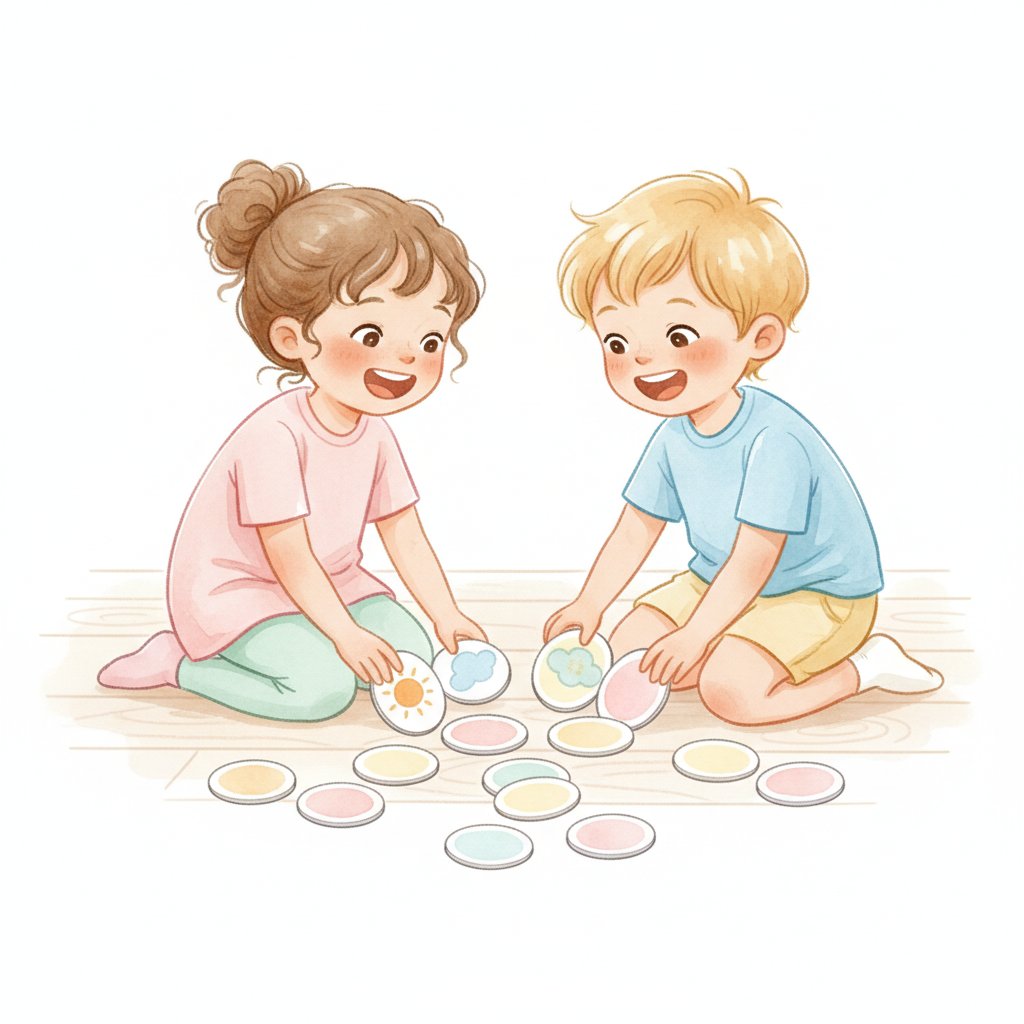
Create pairs of rhyming picture cards (cat/hat, dog/frog, sun/bun, tree/bee, cake/snake). Place them face down. Children flip two cards — if the pictures rhyme, they keep the pair. If not, flip them back. Memory + rhyming=double cognitive workout.

Materials: Picture cards with rhyming pairs
Time: 10 minutes

5. Rhyming Bingo

Create bingo cards with pictures. Call out a word; children find the picture that rhymes. "I'm calling SUN!" Children cover the picture of a BUN. The extra processing step (word → find the rhyme → locate it on the card) strengthens the neural pathway.

Materials: Bingo cards with pictures, counters
Time: 10-15 minutes

6. Rhyme Pairs Clip Cards

On each card, one picture at the top (e.g., a cat) and three pictures at the bottom (hat, dog, bat). Children clip a clothespin on the picture that rhymes with the top picture. The fine motor component (pinching the clothespin) adds a physical engagement layer.

Materials: Cards with pictures, clothespins
Time: 10 minutes

7. Hop to the Rhyme

Place rhyming picture cards on the floor in a path. Say a word: "FROG!" Children hop from card to card until they find the one that rhymes (DOG). Active, full-body rhyming practice.

Materials: Picture cards on the floor
Time: 5-10 minutes

Alphabet rhymes: each letter has a rhyming friend
Our Alphabet Monster Flashcards pair each letter with a monster character — and many of the monster names rhyme! A-monster, B-monster, C-monster... play the rhyming game: 'Can you think of a word that rhymes with the monster's name?' Letter learning and rhyming practice in one activity.
Animal rhymes: cat/bat, dog/frog, duck/truck
Our Farm Animals Flashcards are rhyming gold: pig/wig, cow/how, sheep/jeep, duck/truck, goat/boat, hen/pen. Pull a card, say the animal name, and challenge your child: 'Can you think of a word that rhymes with COW?' One deck=10 rhyming prompts.
Matching games that teach sound patterns
Our Color Monster Matching Game trains the same auditory discrimination skills used in rhyming. Children match identical monsters — but you can add a rhyming twist: 'Find the two monsters whose names rhyme!' Matching + listening=phonological awareness in action.

Rhyme Production Activities (Ages 4+)

8. Name Rhyme Chain

Start with a child's name: "SARAH." What rhymes with Sarah? "Farah! Cara! Zara!" (Accept nonsense words — "Barah! Larah!" — they demonstrate the skill just as well.) Then move to the next child's name. The personal connection makes rhyming motivating.

Time: 3-5 minutes

9. Fill in the Blank Rhymes

Read a rhyme with the last word missing: "I have a cat. He wears a _." (Hat!) "The frog sat on a _." (Log!) Children shout the answer. Start with obvious rhymes, then make them harder: "The bee flew by the _." (Tree!) "At night I like to _." (Sleep... or creep... or leap!)

Time: 5 minutes

10. Rhyming Snake

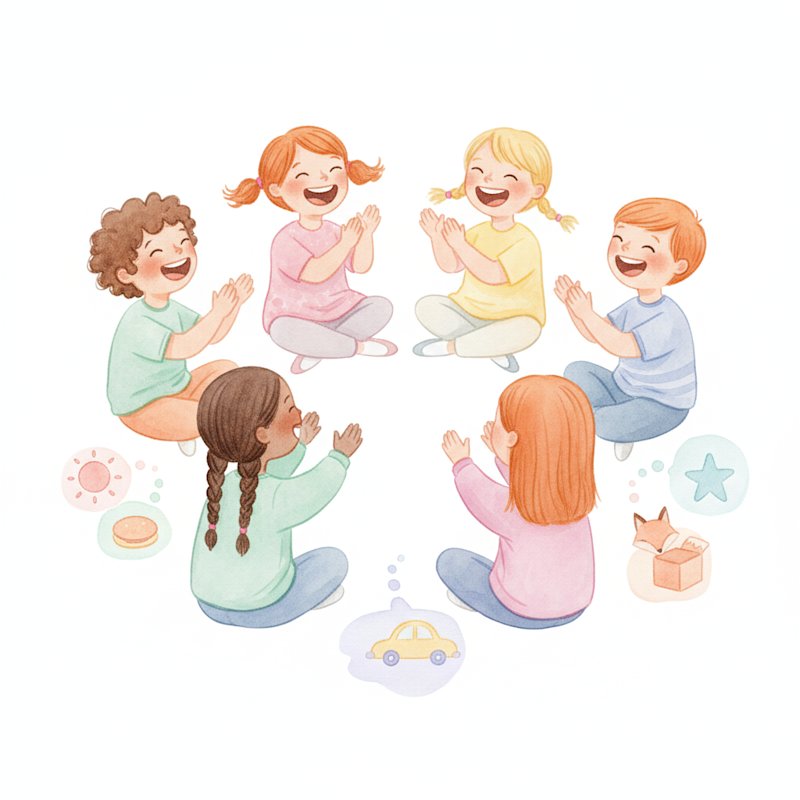
Start with a word: "CAT." Next person says a rhyme: "HAT." Next: "BAT." Next: "MAT." Keep going until no one can think of another rhyme. Count how long your snake got: "Our snake was 7 words long!" Try to beat the record next time.

Time: 5 minutes

11. Nonsense Rhyme Challenge

Say a word and ask for a nonsense rhyme: "What rhymes with FISH? It can be a made-up word!" "DISH! ... GISH! ... MISH! ... PISH!" Nonsense rhymes prove the child is listening to the sound structure, not just recalling real words. This is the gold standard of rhyme production.

Time: 3-5 minutes

12. Rhyming Story Time

Read a rhyming book (Dr. Seuss is perfect). Pause before the rhyme word and let children fill it in: "I do not like green eggs and . I do not like them, Sam-I-." Children who can predict the rhyme are demonstrating active phonological processing.

Materials: Rhyming books (Dr. Seuss, Julia Donaldson, Shel Silverstein)
Time: 10 minutes (part of regular story time)

Classroom Rhyming Routines

13. Rhyme of the Day

Post a "Rhyme of the Day" on the board: "AT." Throughout the day, children add words to the list: cat, hat, bat, mat, sat, rat, pat, fat, vat. By dismissal, the list is long and the -at family is internalized. This is word family instruction disguised as a daily game.

14. Rhyming Transition

Use rhyming as a transition tool: "If your name rhymes with RARY, line up!" (Harry, Larry, Carrie, Mary.) "If you're wearing something that rhymes with BOOTS, line up!" (Suits... shoes?) The word play keeps children engaged during otherwise boring transitions.

For more transition ideas, see our clean up and transition activities.

15. Rhyming Word Wall

Create a word wall organized by rhyme families: -at (cat, hat, bat, mat), -og (dog, log, frog, jog), -an (man, van, pan, fan), -ig (pig, wig, dig, big). Children add words as they discover them. The wall becomes a visual reference for reading and writing.

Materials: Word wall cards, wall space
Time: Ongoing

Frequently Asked Questions

At what age should children understand rhyming?

Most children begin recognizing rhymes at age 3, matching rhymes at 3.5-4, and producing rhymes at 4-5. By age 5, children should be able to generate multiple rhymes for a given word. If they can't, increase exposure through rhyming books, songs, and the activities above.

Should I teach nonsense rhymes?

Yes! Nonsense rhymes (fish/gish/mish) prove the child is hearing and manipulating sounds, not just recalling vocabulary. They're actually a better assessment of phonological awareness than real-word rhyming.

What books are best for rhyming?

The gold standards:

  • Dr. Seuss: "The Cat in the Hat," "Green Eggs and Ham," "One Fish Two Fish"
  • Julia Donaldson: "The Gruffalo," "Room on the Broom"
  • Shel Silverstein: "Where the Sidewalk Ends"
  • Bill Martin Jr.: "Chicka Chicka Boom Boom"

How is rhyming different from phonics?

Rhyming is a listening skill (phonological awareness) — children hear and produce rhymes orally. Phonics connects those sounds to written letters. Rhyming comes first because you must be able to hear the sounds before you can match them to letters. For the next step, see our phonics activities guide.

For more pre-reading skills, explore our beginning reading activities and alphabet flashcards guide.