Articles7 min read

The Fire Drill That Changed How I Teach Safety

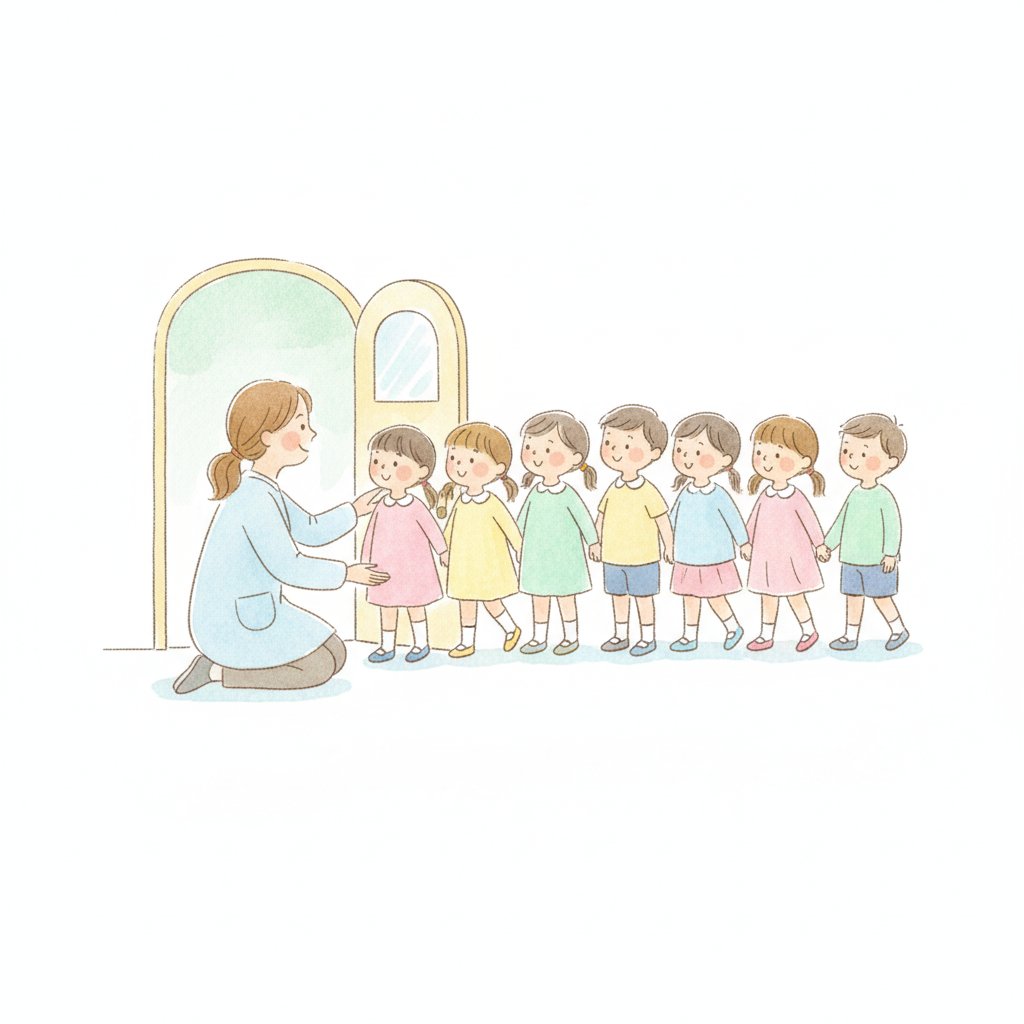
Our preschool did a fire drill in October. The alarm was loud, the lights flickered, and a teacher appeared wearing a reflective vest. Half the children froze. Two cried. One hid under a table. The drill was supposed to take 3 minutes — it took 12. Afterward, I realized we'd TOLD children about fire safety but never PRACTICED it in a way that felt manageable. The next week, we started playing "fire drill" as a game. By the third time, children were lining up calmly. By the fifth time, they were helping each other.

According to the National Fire Protection Association (NFPA), children who practice safety procedures at least 5 times can recall and execute them correctly under stress. Safety is not a lesson — it's a habit. And habits are built through repetition, not lectures. This guide covers 20+ safety activities for ages 3-6, organized by type: fire safety, road safety, stranger awareness, and home safety.
Pair it with our health and hygiene guide for personal safety and our self-regulation guide for impulse control during safety situations.
Fire Safety Activities (Ages 3-6)

1. Stop, drop, and roll practice
What to do: Teach and practice: "If your clothes catch fire, you STOP moving, DROP to the ground, and ROLL back and forth to put out the fire." Practice on a soft surface. Make it a game: "STOP! DROP! ROLL! Again — faster!" The physical practice creates muscle memory. For more physical activities, see our gross motor guide.

Why it works: Under stress, the brain defaults to practiced physical responses. Children who have physically practiced stop-drop-roll will do it automatically. Children who have only been told about it will freeze. The body remembers what the mind forgets.

2. Crawl low under smoke
Materials: Blanket or sheet (represents smoke).

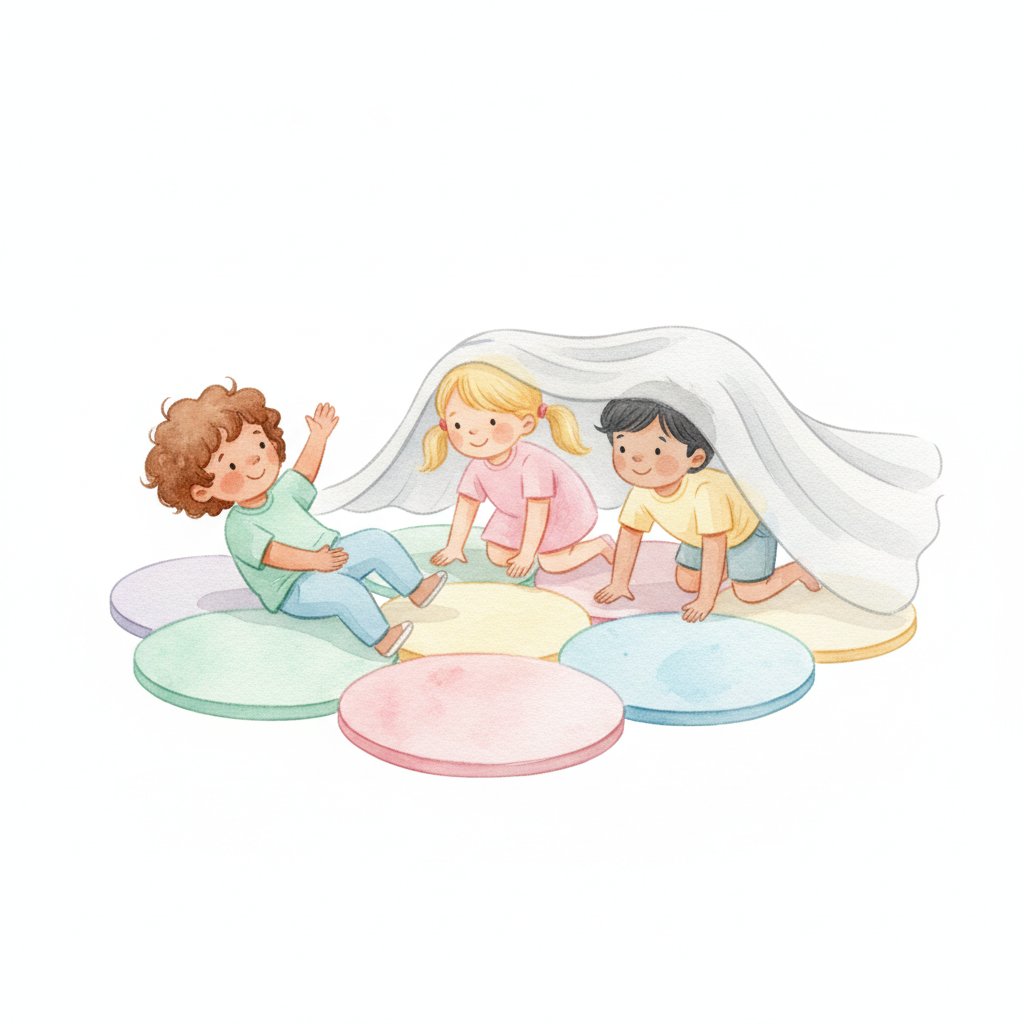
What to do: Hold a blanket about 2 feet off the ground. "If there's smoke in a room, smoke goes UP, so we go DOWN. Crawl under the smoke!" Children practice crawling under the blanket. Make it a timed game: "Can everyone crawl under the smoke in 10 seconds?"

3. Fire drill practice
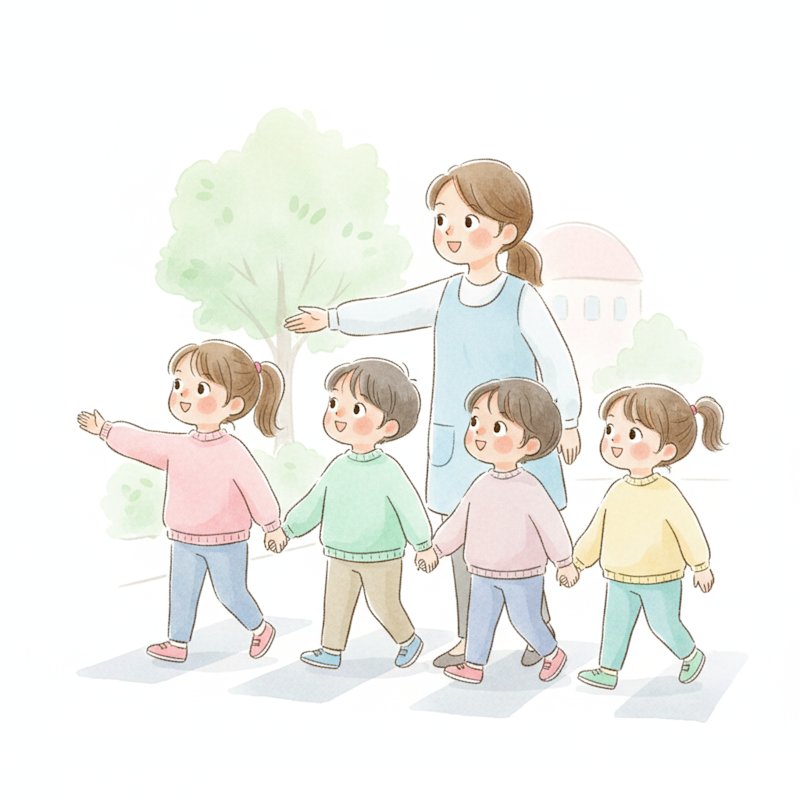
What to do: Practice fire drills regularly — not just the school drill, but mini-practices: "When I say 'fire drill,' everyone lines up at the door quietly and we walk outside." Practice monthly so the procedure becomes automatic. For more routines, see our transition guide.

4. Hot vs. not sorting
Materials: Pictures of hot and safe objects.

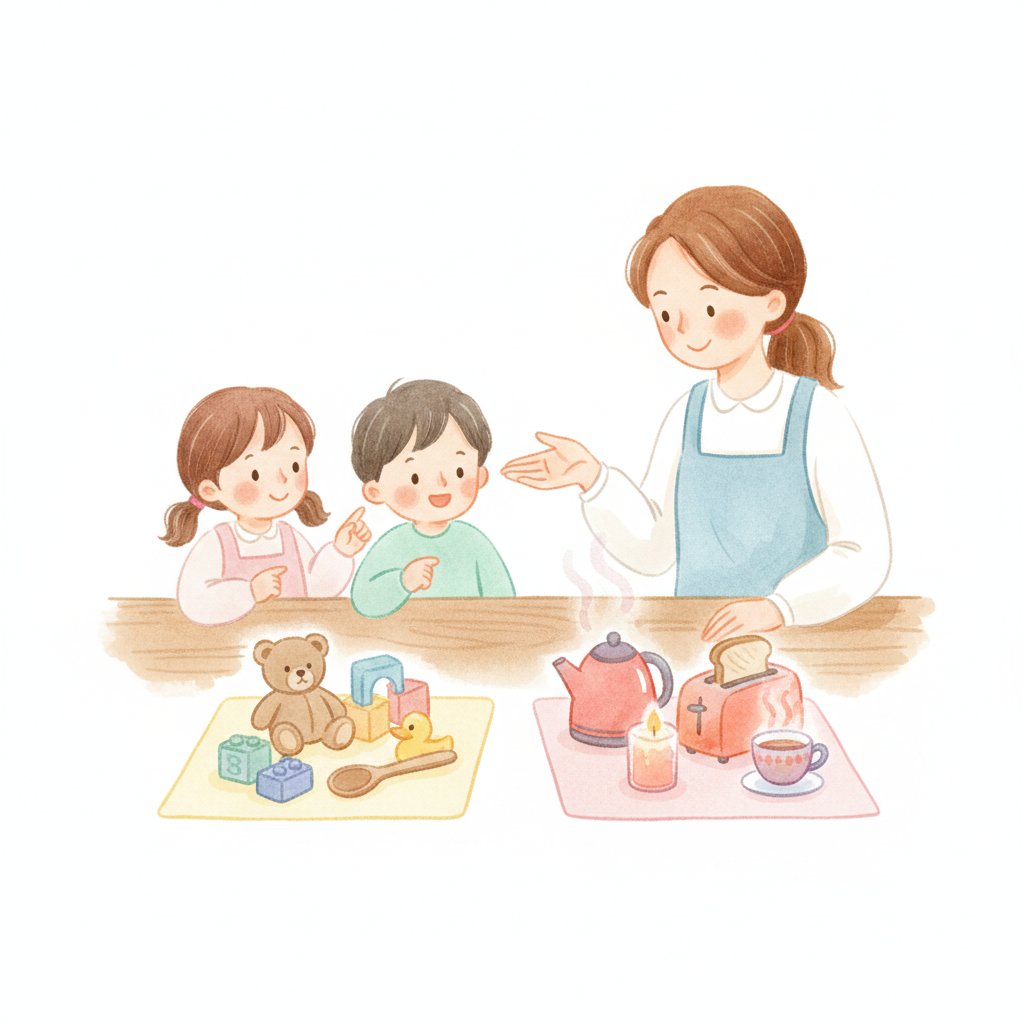
What to do: Children sort pictures into "HOT — don't touch!" and "SAFE": stove, candle, iron, radiator → HOT. Book, toy, pillow, plate of food → SAFE. The sorting teaches hazard identification. For more sorting, see our sorting guide.

5. Firefighter visit and role-play
What to do: If possible, arrange a firefighter visit. Let children see the gear: "Firefighters wear masks and look different, but they're helpers!" Then role-play: "You're the firefighter! I'm the person who needs help! What do you do?" The role-play reduces fear of firefighters in full gear.

Safety starts with routine
Our Morning Routine Visual Schedule Cards include safety steps that become automatic: brush teeth (health safety), put on shoes (foot safety), grab backpack (preparedness). The daily routine builds safety HABITS — children do these things without thinking because they've done them a hundred times. Morning routines that include safety steps create children who are prepared before they even leave the house. Routine IS safety practice.

Road Safety Activities (Ages 3-6)

6. Stop, look, listen practice
What to do: Teach the crossing routine: "STOP at the curb. LOOK left, right, left. LISTEN for cars. Is it safe? NOW we can cross." Practice at real curbs and with toy setups. The four-step sequence (stop, look, listen, cross) needs to be automatic. For more listening activities, see our listening guide.

7. Traffic light game
Materials: Red, yellow, green paper circles.

What to do: Hold up colors: "RED means STOP! YELLOW means SLOW! GREEN means GO!" Children move accordingly. Add complexity: "What does a flashing red light mean? A walking signal?" The game teaches traffic signals through physical movement.

8. Parking lot safety walk
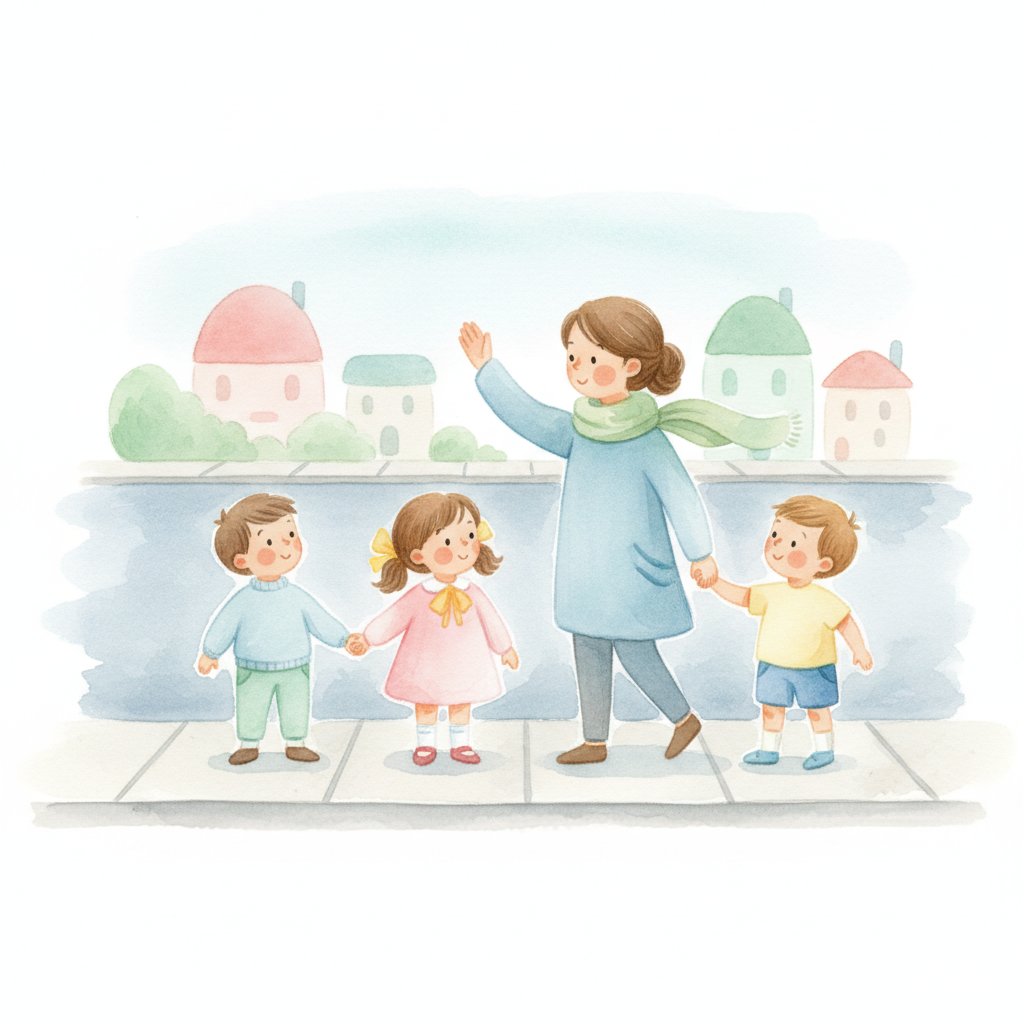
What to do: In a real parking lot: "Hold my hand. Look both ways before we walk. Watch for cars backing up — their lights are WHITE. Never run in a parking lot." Narrate safety decisions aloud so children hear your thinking process.

9. Sidewalk rules practice
What to do: On walks: "We walk on the sidewalk. We stay away from the street. If the sidewalk ends, we walk on the side FACING the cars so we can see them coming." Practice every time you walk. The repetition builds the rule into habit.

10. Driveway awareness
What to do: "Driveways are where cars go in and out. Before you cross a driveway, STOP and look. A car might be backing out and the driver can't see you." Practice identifying driveways on walks. Point out the slope and the opening.

Weather safety: matching conditions to precautions
Our Weather Flashcards teach weather-based safety: SUNNY day means sunscreen and water. RAINY day means wet roads and slow driving. SNOWY day means warm clothes and icy sidewalks. WINDY day means flying objects and staying inside. Each weather card becomes a safety discussion: 'It's SUNNY today — what do we need before we go outside? Sunscreen, a hat, and water!' Weather awareness IS safety awareness. 12 weather types, 12 safety conversations.

Stranger Awareness Activities (Ages 3-6)

11. Safe and unsafe strangers sorting
Materials: Pictures of various community helpers and adults.

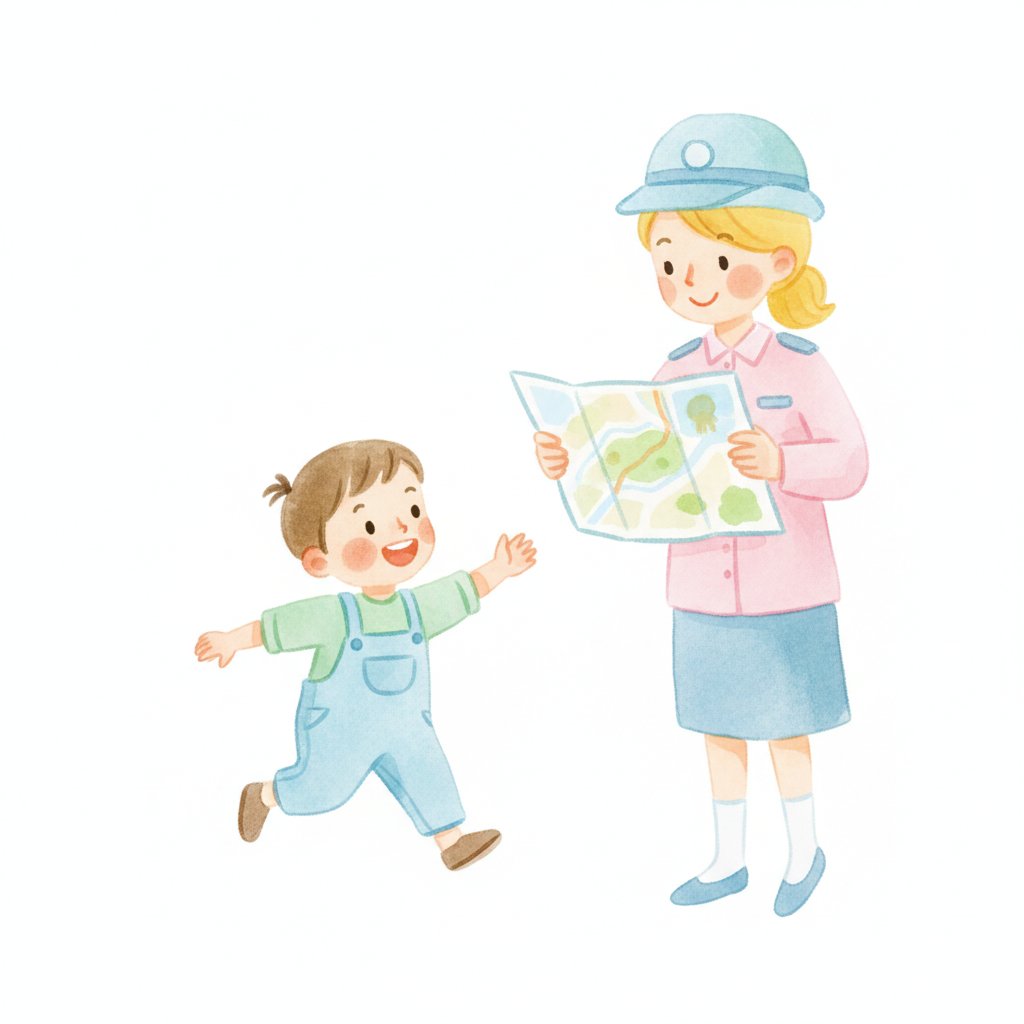
What to do: "Some strangers are SAFE helpers: police officers, firefighters, teachers, store workers with name tags. If you're lost, find one of these helpers. Most strangers are nice people — but you should NEVER go anywhere with someone you don't know." The nuance matters: children shouldn't fear all adults, but they should have a clear rule about going with someone. For more sorting, see our sorting guide.

Why it works: The "stranger danger" message needs updating. Children are more likely to be harmed by someone they know than by a stranger. The most effective approach teaches: (1) don't go anywhere with anyone without asking your safe adult first, (2) if you're lost, find a safe helper, (3) your body belongs to you.

12. "What would you do?" scenarios
What to do: Present age-appropriate scenarios: "What would you do if someone you don't know says 'your mommy told me to pick you up'?" Answer: "Find a teacher right away and tell them." "What if someone offers you candy?" Answer: "Say no and tell your grown-up." Practice the responses so they're automatic. For more social scenarios, see our social skills guide.

13. Safe adult list
What to do: Create a short list of safe adults with your child: "These are the ONLY people who can pick you up from school: Mommy, Daddy, Grandma, Aunt Rosa." Write it down. Review it. "If someone else says they're picking you up, even if they know your name, check with your teacher first."

14. No-Go-Tell rule
What to do: Teach the three-step rule: "If someone does something that makes you uncomfortable: say NO. GO away. TELL a safe adult." Practice: "Let's practice saying NO in a strong voice. NO! That's it — loud and strong!"

15. Body boundaries activity
What to do: "Your body belongs to YOU. You get to decide who touches you. You can say 'no' to hugs, even from family. You can say 'no' to tickles. Your private parts are covered by your swimsuit and no one should touch them except doctors with a parent there." The body ownership message is the foundation of personal safety. For more body awareness, see our body parts guide.

Home and Everyday Safety Activities (Ages 3-6)

16. Kitchen safety patrol
What to do: Walk through the kitchen together: "What's hot? The stove, the oven, the toaster. What's sharp? Knives, scissors, the can opener. What's dangerous to eat? Cleaning supplies, medicine." The tour teaches hazard awareness through direct observation. For more kitchen activities, see our cooking guide.

17. Poison prevention
Materials: Pictures of common household items.

What to do: Children sort: "Safe to eat" vs. "NOT food — ask an adult": vitamins, cleaning spray, medicine, soap, fruit, water, juice, nail polish. "If you don't know what something is, DON'T put it in your mouth. Ask a grown-up first." For more health activities, see our health and hygiene guide.

18. Water safety rules
What to do: Teach three water rules: "1. Never go near water without a grown-up. 2. Always walk near pools (no running!). 3. If someone falls in, DON'T jump in to help — yell for a grown-up!" Practice at the pool edge. The rules apply to bathtubs, pools, lakes, and any standing water.

19. Emergency number practice
Materials: Play phone.

What to do: "If there's a real emergency, we call 9-1-1. Let's practice: 9-1-1. What's an emergency? A fire, someone who won't wake up, a bad accident. What's NOT an emergency? A lost toy, a scraped knee, being bored." Practice dialing on a play phone. For more dramatic play, see our dramatic play guide.

20. Helmet and seatbelt habit
What to do: "Every time we get in the car, we buckle up. Every time we ride a bike or scooter, we wear a helmet. NO exceptions." Model it yourself — children copy what you do, not what you say. If you skip your seatbelt, they'll skip theirs.

Know your body, keep your body safe
Our Human Body Educational Poster supports body-safety education: when children know their body parts by name, they can communicate about them clearly. 'This is your HEAD, your SHOULDERS, your KNEES, your TOES — and these parts covered by your swimsuit are PRIVATE.' Accurate body vocabulary is a safety tool. Children who can name their body parts can tell an adult if something happens. Knowledge IS protection.
1.Will safety activities scare my preschooler?
They shouldn't if framed correctly. Focus on what to DO, not what could go wrong. Say "we practice fire drills so we know what to do" not "fires are very dangerous and scary." The practice builds confidence, not fear. If a child becomes anxious, scale back: "We're just practicing, like when we practice writing our name." Safety education should empower, not frighten.
2.How do I teach stranger safety without making my child fearful of everyone?
Reframe from "strangers are dangerous" to "you have rules for staying safe." The rule is simple: "Don't go anywhere with anyone unless you ask me first." This rule applies to strangers AND acquaintances. Emphasize that most people are good and helpful — the rule exists because it keeps you safe, not because the world is scary.
3.At what age should children learn to dial 9-1-1?
By age 4, most children can learn to dial 9-1-1 on a simple phone. Practice with a disconnected or play phone. Teach them to say their name, address, and what the emergency is. If they don't know their address yet, teach them to say "I'm at my house and my mom/dad needs help" and the operator can trace the call.
4.How often should we practice safety drills at home?
Monthly for fire drills and evacuation routes. Review other safety rules (road, water, stranger) as situations arise naturally: "We're crossing the street — what's our rule? Stop, look, listen!" The combination of formal practice (drills) and informal practice (real-life situations) creates the strongest safety habits.