The Hunt That Made Learning Irresistible
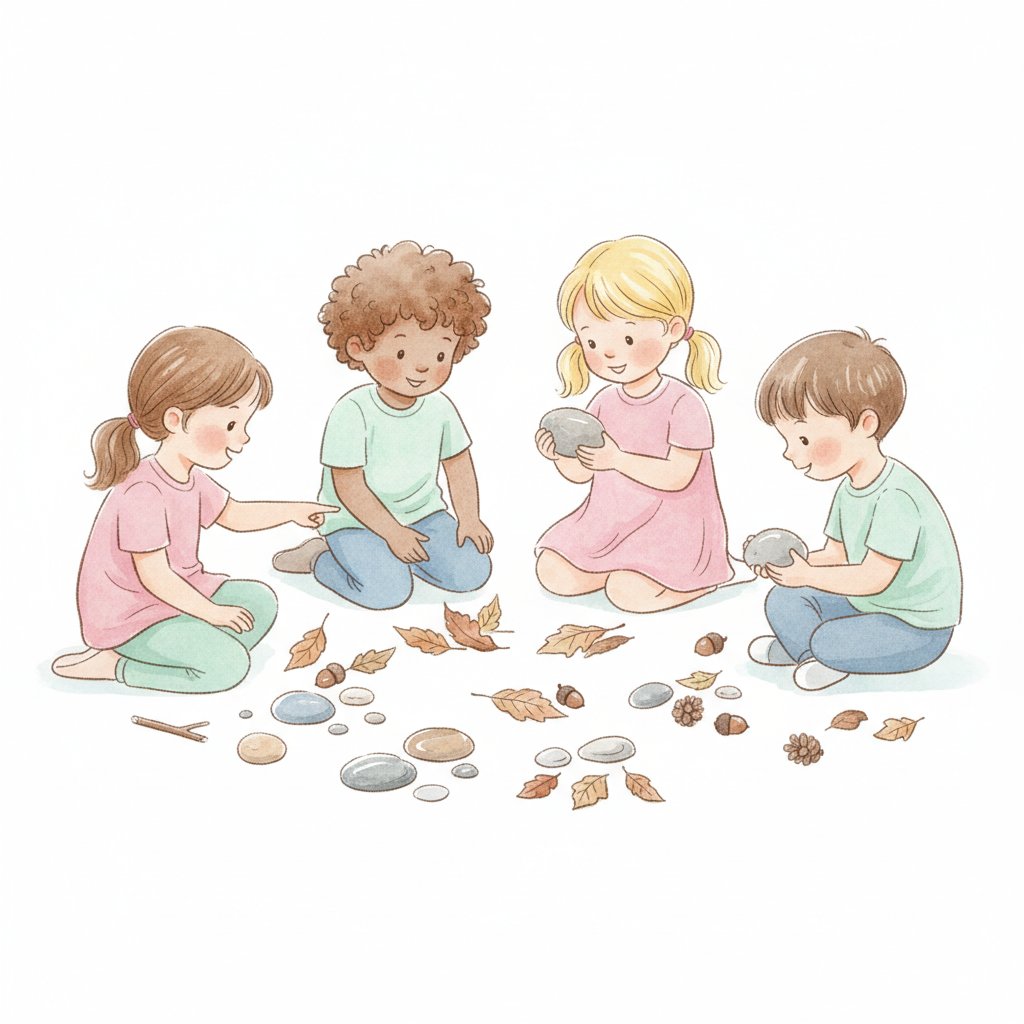
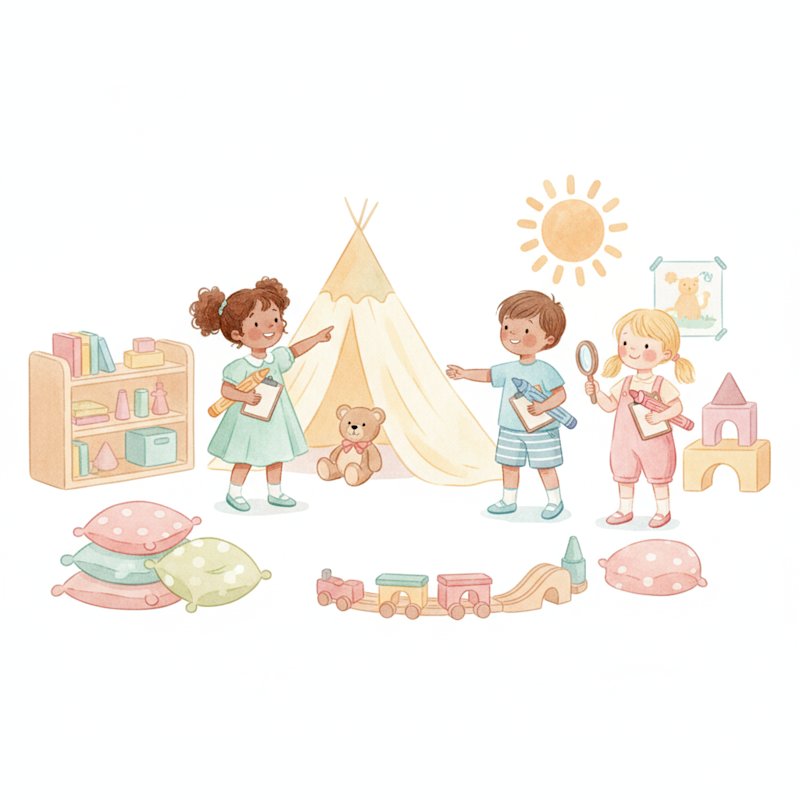
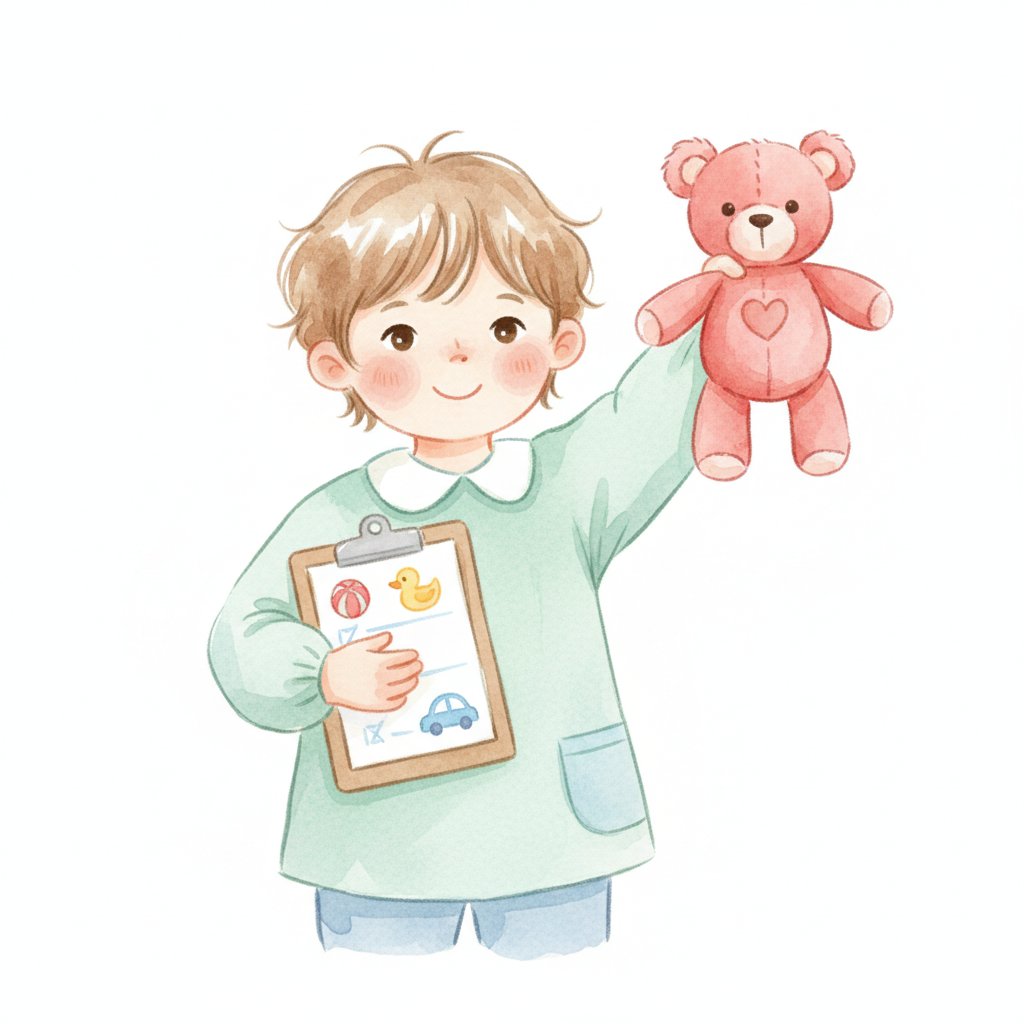
I handed four-year-old Lily a clipboard with a picture list: something RED, something ROUND, something SOFT, something that starts with B, and something SMALLER than your hand. "Ready? GO!" She RAN to the dress-up corner and grabbed a red hat. "RED!" Check. She found a ball in the toy bin. "ROUND!" Check. She squished a stuffed bear. "SOFT!" Check. She picked up a block. "B is for BLOCK!" Check. She found a pebble from the nature table. "SMALLER than my hand!" Check. Five items, five skills (color, shape, texture, letter-sound, size comparison), three minutes, pure joy. "Can I have another list?" she asked. In one afternoon, she completed eight scavenger hunts and practiced color recognition, shape identification, letter-sound correspondence, size vocabulary, counting, categorization, and observation. She thought she was playing a game. She was actually doing a full curriculum.
According to the National Association for the Education of Young Children, scavenger hunts develop visual discrimination, categorization and sorting skills, vocabulary development through labeling found objects, gross motor movement (running, reaching, bending), and sustained attention driven by intrinsic motivation. Children learn best when they are MOVING and SEARCHING.
This guide covers 20+ scavenger hunt activities for ages 3-6. Pair it with our color guide for color hunts and our nature guide for outdoor exploration.