Articles6 min read

Four Seasons, Four Times the Learning

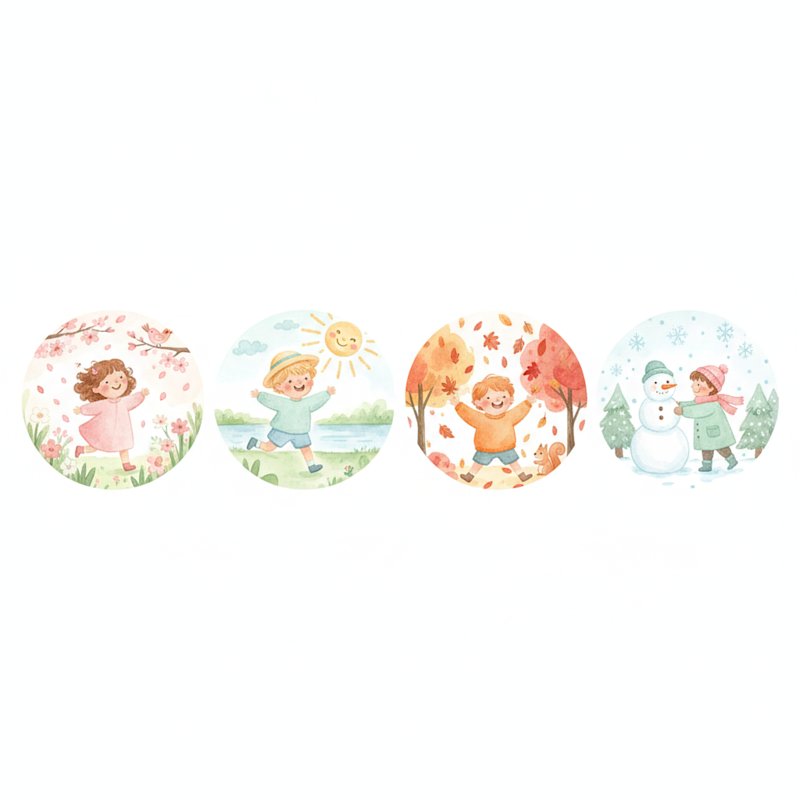
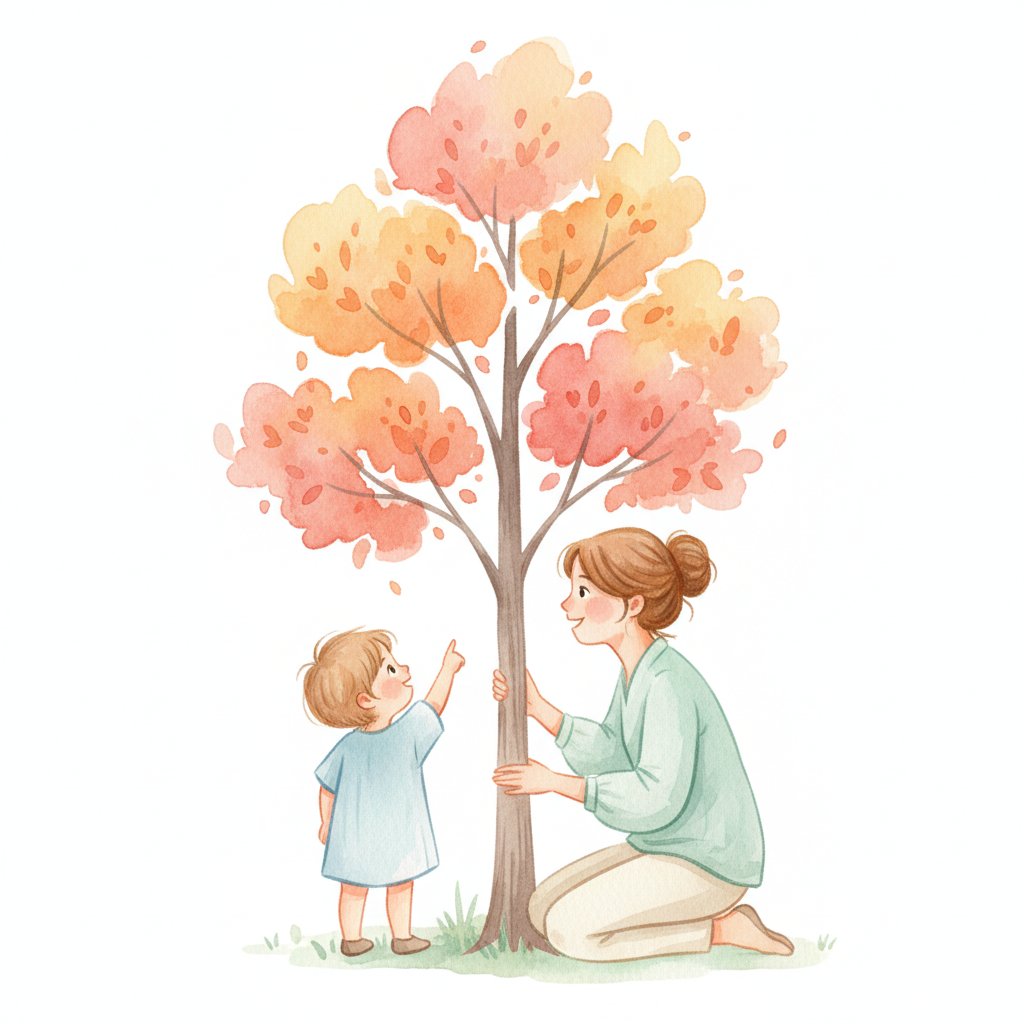
My daughter noticed the leaves changing color in September and asked: "Why are the trees dying?" That one question launched a month-long exploration of seasons — why leaves change, why days get shorter, why animals prepare for winter, why we wear different clothes. She learned more science, math, and vocabulary from that spontaneous seasonal inquiry than from any worksheet I could have found.

According to the National Association for the Education of Young Children (NAEYC), seasonal activities are among the most effective ways to teach time concepts, weather awareness, life cycles, and cause-and-effect thinking. The seasons provide a natural curriculum that repeats every year — and children understand it deeper each time because they're older and more capable.
This guide covers 20+ seasonal activities for ages 3-6, organized by season: spring, summer, fall, and winter. Pair it with our weather guide for weather learning and our outdoor play guide for nature exploration.
Spring Activities (Ages 3-6)

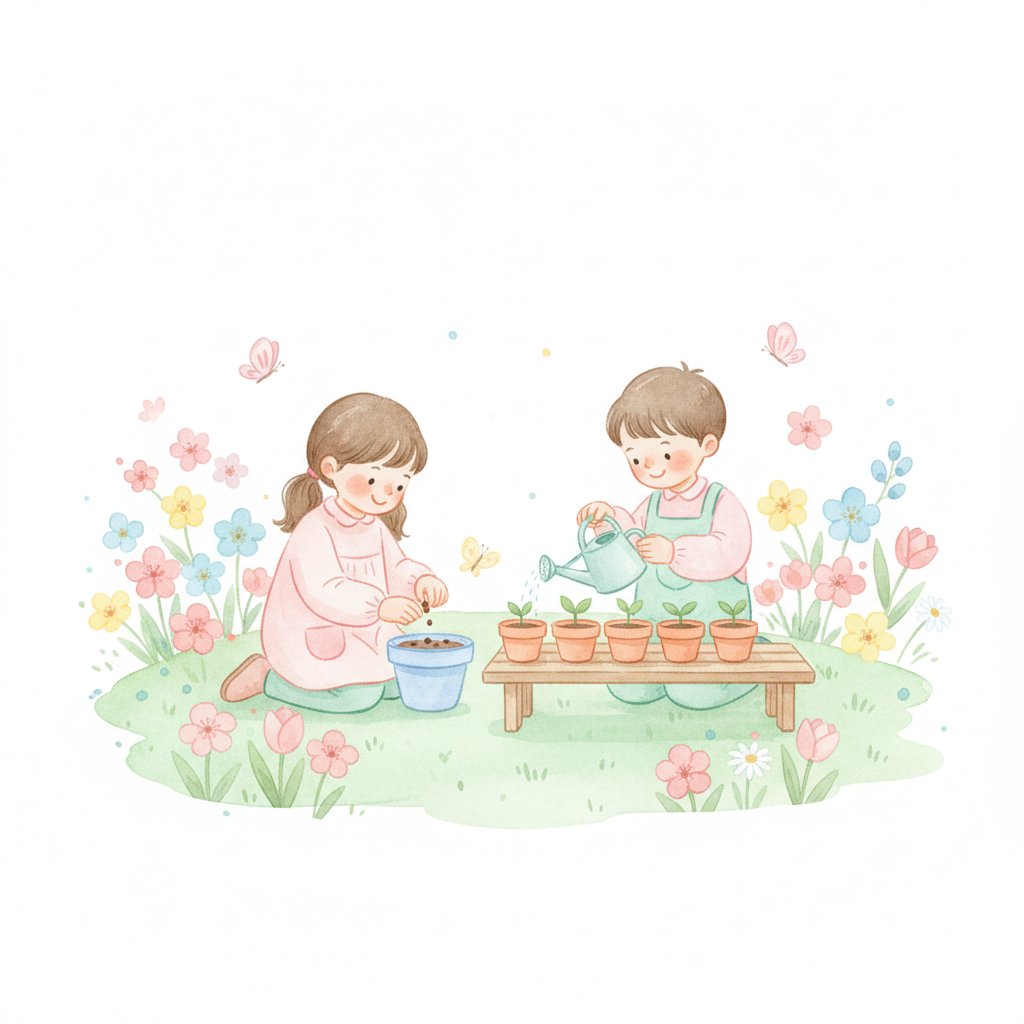
1. Seed sprouting observation
Materials: Bean seeds, ziplock bags, paper towels, water.

What to do: Place a damp paper towel and a bean seed in a ziplock bag. Tape to a window. Children observe daily: "Day 1 — nothing. Day 3 — a tiny root! Day 5 — a sprout! Day 7 — leaves!" The daily observation teaches patience, recording, and the plant life cycle. For more science, see our science experiments guide.

Why it works: Spring is about growth and renewal. Watching something grow from a seed is the quintessential spring experience. The daily check-in also builds routine and observational skills — children learn to look for small changes over time.

2. Flower color hunt
Materials: Paper with color squares, outdoor space.

What to do: Children hunt for flowers matching each color square: "Find a red flower! A yellow one! A purple one!" The hunt combines color recognition with nature exploration and physical activity. For more color work, see our color guide.

3. Rain catcher measurement
Materials: Clear cup, ruler, marker.

What to do: Place a cup outside during spring rain. After the rain, measure how much water collected. "Two inches of rain!" Track rainfall over multiple spring storms on a simple chart. The measurement connects weather to math. For more weather activities, see our weather guide.

4. Caterpillar to butterfly
Materials: Caterpillar kit (or pictures), observation journal.

What to do: If possible, observe real caterpillars transforming into butterflies. Otherwise, use pictures and act out the life cycle: "Egg on a leaf. Caterpillar eating. Chrysalis hanging. Butterfly flying!" The life cycle is one of the most accessible examples of change over time.

5. Spring sensory walk
What to do: Walk outside and engage all senses: "What do you SMELL? (Flowers, rain, grass.) What do you HEAR? (Birds, wind, water.) What do you FEEL? (Warm sun, cool breeze, soft petals.)" The sensory walk teaches observation vocabulary and seasonal awareness. For more sensory play, see our sensory guide.

Summer crafts that capture the season
Our Summer Crafts Seasonal Template Set gives children 12 summer-themed art projects: ice cream cones, sunshine, watermelon, beach scenes, sailboats, and more. Each template is ready to paint, color, or collage. 'Paint the watermelon — what colors do you need? Green for the rind, red for the fruit, black for the seeds!' Art teaches observation, and summer crafts teach children to SEE the season.

Summer Activities (Ages 3-6)

6. Ice melting race
Materials: Ice cubes, various surfaces (dark, light, sunny, shaded).

What to do: Place ice cubes in different locations: sunny windowsill, shady corner, dark surface, light surface. "Which ice cube will melt first? Why?" Check every 5 minutes. The experiment teaches that heat causes melting and different conditions produce different speeds. For more science, see our science experiments guide.

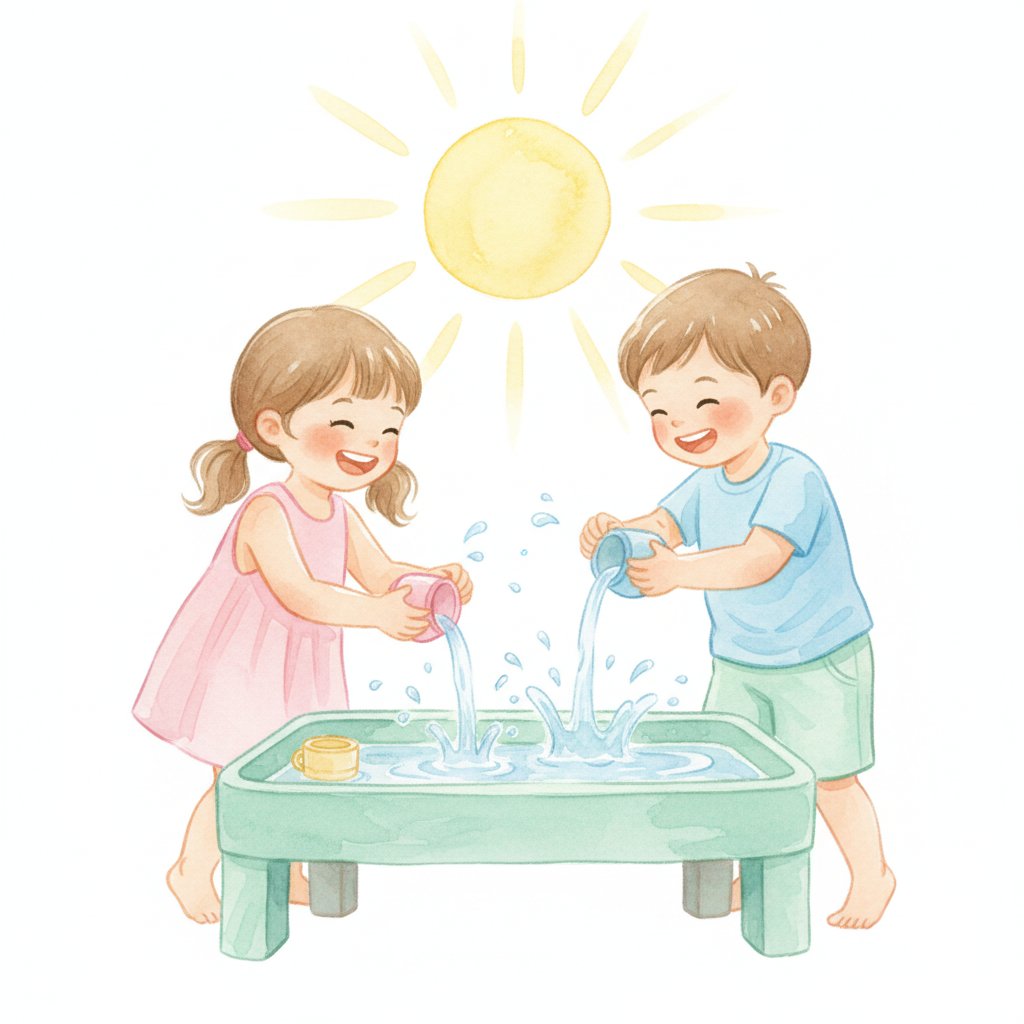
7. Water table science
Materials: Water table, funnels, tubes, cups, objects to test.

What to do: Children explore water freely: pour, funnel, dam, redirect, sink, float. Add challenges: "Move water from this side to that side without carrying it. Build a dam. Make a waterfall." Water play is physics in action.

8. Shadow tracing
Materials: Chalk, sunny day.

What to do: Children stand still while a partner traces their shadow with chalk. Repeat at different times of day. "Your morning shadow was LONG. Your noon shadow is SHORT. Why?" The activity teaches that the sun's position changes shadows. For more outdoor learning, see our outdoor play guide.

9. Nature paintbrushes
Materials: Sticks, leaves, flowers, grass, rubber bands.

What to do: Children gather natural materials and attach them to sticks with rubber bands to make paintbrushes. Paint with them: "How does the leaf brush make different marks than the grass brush?" The activity combines nature exploration with art experimentation.

10. Berry sorting and counting
Materials: Mixed berries (strawberries, blueberries, raspberries).

What to do: Children sort berries by type and count each group. "How many strawberries? How many blueberries? Which has more?" Then eat the results. The activity teaches sorting, counting, and comparison with a delicious reward. For more sorting, see our sorting guide.

Days of the week + seasons=calendar literacy
Our Days of the Week Poster helps children track seasonal changes over time: 'Every MONDAY we check the tree outside. This week it has more leaves than last week! By FRIDAY there might be flowers!' The poster teaches days of the week while children observe seasonal change. Calendar literacy + nature observation=deep seasonal understanding. Seven days, four seasons, one integrated learning system.

Fall Activities (Ages 3-6)

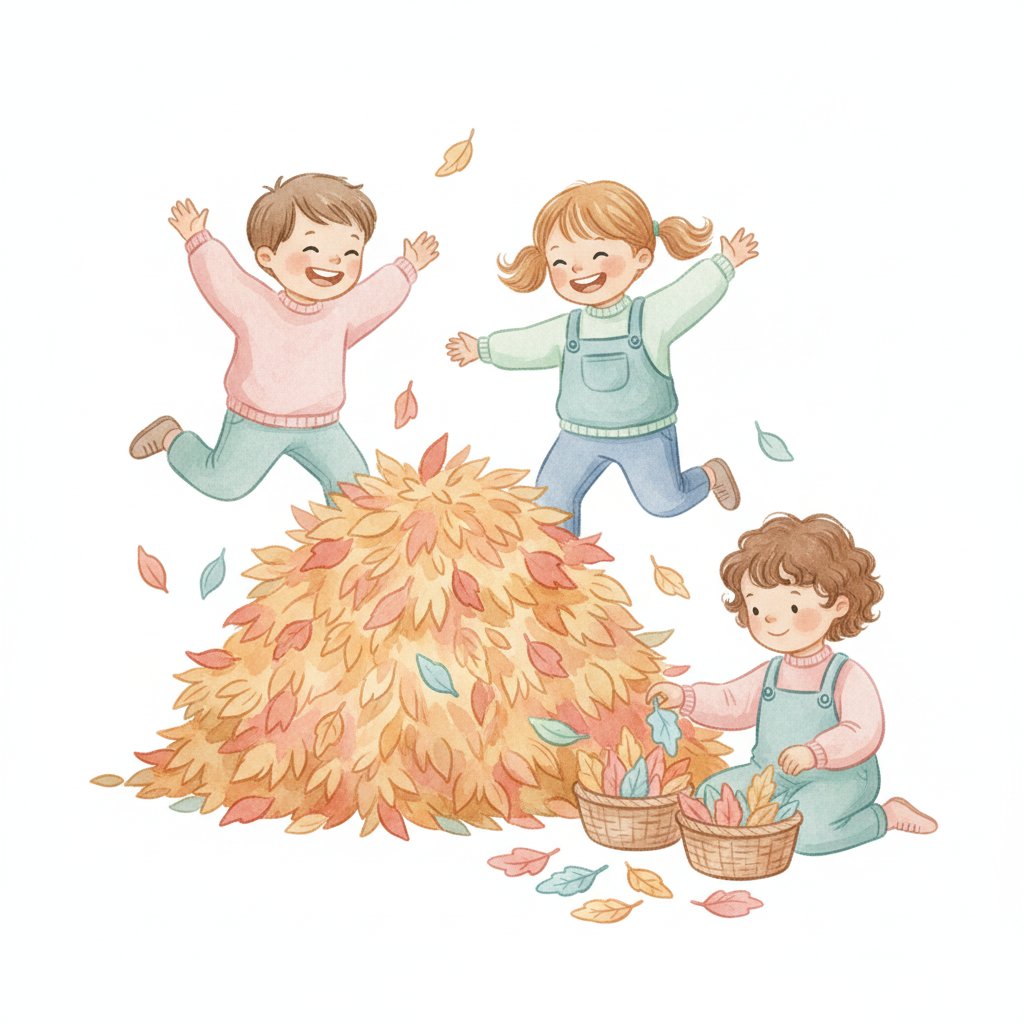
11. Leaf sorting by attribute
Materials: Collected fall leaves.

What to do: Children sort leaves: by color (red, yellow, orange, brown), by shape (pointy, round, lobed), by size (small, medium, large). Each sorting teaches a different attribute. "Most of our red leaves are from maple trees. Most of our yellow leaves are from birch trees." For more sorting, see our sorting guide.

12. Pinecone counting and patterns
Materials: Collected pinecones.

What to do: Children count pinecones, arrange them in patterns (big-small-big-small), and order them by size. The natural materials make math tactile and seasonal. For more patterns, see our pattern guide.

13. Apple tasting and graphing
Materials: Different apple varieties, paper for graphing.

What to do: Children taste red, green, and yellow apples. Each child votes for their favorite. Create a simple bar graph: "3 people like red, 5 like green, 2 like yellow." The tasting is sensory; the graphing is math. For more graphing, see our science guide.

14. Harvest dramatic play
Materials: Play food (fruits, vegetables), baskets, cash register.

What to do: Set up a "farmers market" where children buy and sell fall produce. "How many apples? That's 3 coins. Would you like a pumpkin too?" The play integrates math, social skills, and seasonal vocabulary. For more dramatic play, see our dramatic play guide.

15. Bird feeder observation
Materials: Pinecone, peanut butter, birdseed.

What to do: Children spread peanut butter on a pinecone and roll it in birdseed. Hang it outside and observe: "A chickadee came! Now a cardinal! What colors are they?" The feeder teaches wildlife observation and care for animals. For more animal activities, see our safari guide.

Winter Activities (Ages 3-6)

16. Snow melting experiment
Materials: Snow (or crushed ice), bowls, measuring cups.

What to do: Bring snow inside. Fill a cup with snow. "How full is the cup? Now let's wait for it to melt. How much water is left?" The surprise: a full cup of snow makes much less water. "Snow has lots of air in it!" For more experiments, see our science guide.

17. Indoor ice skating
Materials: Paper plates.

What to do: Children stand on paper plates and "ice skate" around the room on a smooth floor. The slippery plates simulate skating. "Glide, spin, slide!" The gross motor activity burns winter energy indoors. For more movement, see our gross motor guide.

18. Mitten matching
Materials: Pairs of mittens (or paper mittens).

What to do: Mix up mittens. Children find matching pairs: "Find two mittens that are the same color and pattern." The matching teaches visual discrimination and one-to-one correspondence. For more matching, see our matching guide.

19. Warm and cold sorting
Materials: Picture cards of warm and cold things.

What to do: Children sort pictures: "Hot cocoa, fireplace, mittens — WARM. Ice cream, snowman, refrigerator — COLD." The sorting teaches temperature concepts and seasonal vocabulary. For more opposites, see our opposites guide.

20. Winter sensory bin
Materials: Cotton balls, white rice, blue gems, snowflake confetti, scoops.

What to do: Create a "snow" sensory bin with white materials. Children scoop, fill, pour, and explore. The tactile play is calming and engaging during cold months when outdoor time is limited. For more sensory ideas, see our sensory guide.

Weather flashcards track seasonal change
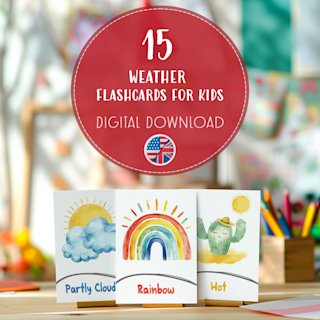
Our Weather Flashcards become a seasonal tracking tool: every day, children pick the card that matches today's weather. 'In SPRING we see lots of RAINY cards! In SUMMER we see lots of SUNNY cards! In FALL we see WINDY cards! In WINTER we see SNOWY cards!' After a month, count: 'Which weather did we have the most? The least?' The cards teach weather vocabulary AND seasonal patterns AND counting AND graphing. Four seasons, 12 weather types, infinite learning.
1.How do I teach seasons to a child who lives in a climate without distinct seasons?
Use media and artifacts: videos of fall foliage, pictures of snow, sound recordings of spring rain. Send a "seasons box" to a friend in another climate and ask them to send one back — exchange fall leaves for spring flowers, winter snow photos for summer beach sand. The cultural exchange makes the learning richer, not poorer. Books and videos are supplements, not substitutes, but they work well when combined with hands-on activities.
2.Which season has the most learning activities?
Fall and spring tend to have the most observable change (leaves, flowers, temperature shifts), making them naturally rich for activities. Summer is great for outdoor exploration. Winter excels at indoor crafts and sensory play. But EVERY season offers learning — the key is to follow what's happening outside your window. The best seasonal activity is the one connected to what children are experiencing RIGHT NOW.
3.Can seasonal activities replace a structured curriculum?
Seasonal activities can FORM a curriculum when planned intentionally. Each season offers science (life cycles, weather), math (counting, measuring, graphing), literacy (seasonal books, vocabulary), art (seasonal crafts), and motor skills (seasonal movement). The key is intentionality — don't just do random seasonal crafts. Plan each activity to target specific skills and connect to broader learning goals.
4.How do I handle holidays within seasonal activities?
Holidays are cultural entry points within seasons. Use them as hooks: "Valentine's Day is in winter. Let's make warm valentines!" "Halloween is in fall. Let's observe fall leaves AND carve pumpkins!" Be inclusive of all holidays celebrated by families in your group. The season is the science framework; the holidays are the cultural celebrations within it. Both have a place.