Articles7 min read

The Marshmallow Test Was Wrong (But Self-Regulation Is Still Everything)

You've probably heard of the marshmallow test: a child is offered one marshmallow now or two if they wait. The original study claimed children who delayed gratification had better life outcomes. The narrative was that some children are born with self-control and others aren't.

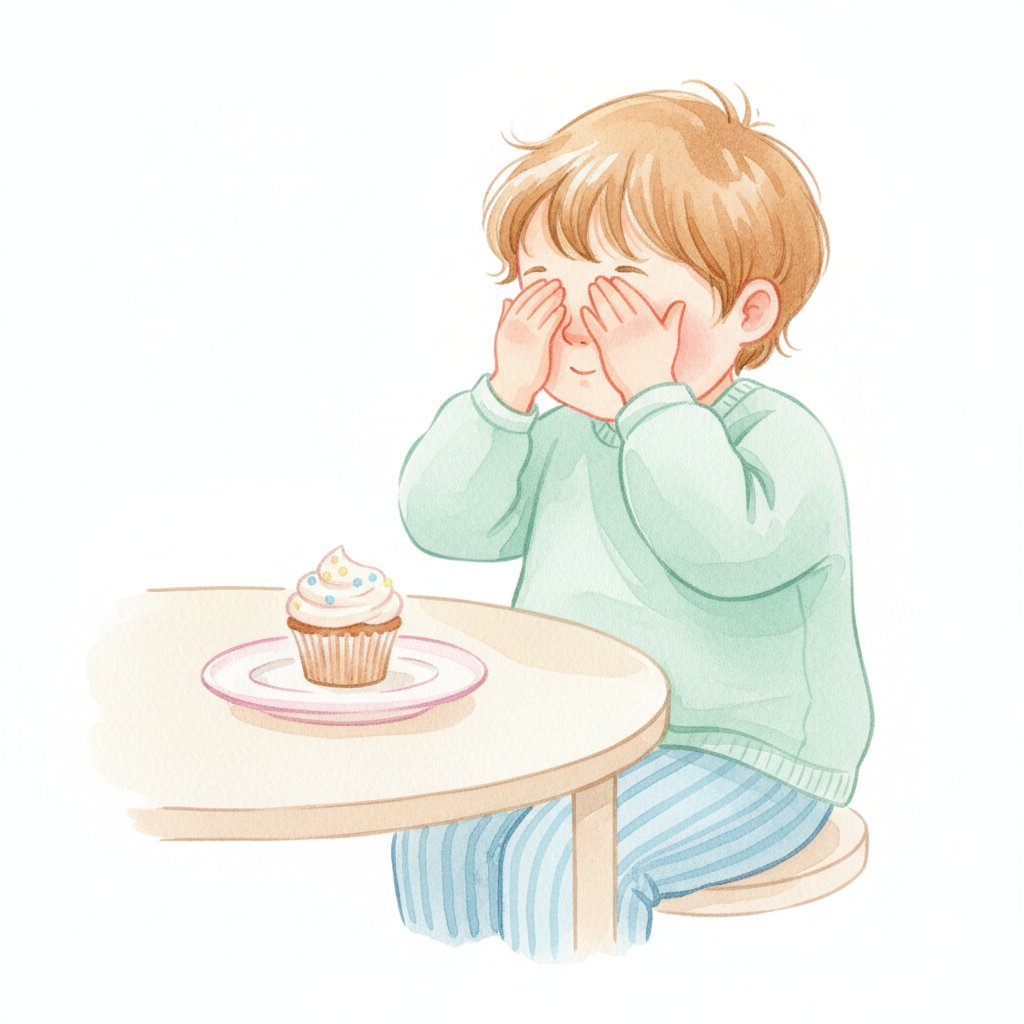
Replications of that study found something different: children who waited had learned strategies. They covered their eyes, sang songs, turned the marshmallow around, or imagined it was something else. Self-control wasn't a trait — it was a skill. And skills can be taught.
According to research from CASEL (Collaborative for Academic, Social, and Emotional Learning), children who receive explicit self-regulation instruction demonstrate 11 percentile-point gains in academic achievement and significant reductions in behavior problems. Self-regulation is the skill that makes ALL other skills possible — you can't learn math while having a meltdown.

This guide covers 20+ self-regulation activities for ages 3-6, organized by skill area: impulse control, calm-down strategies, emotional awareness, and flexible thinking. Pair it with our feelings activities for emotional vocabulary and our quiet time activities for calm-down routines.

Self-Regulation Development: What to Expect

Ages 2-3:

  • Can wait briefly with adult support (30-60 seconds)
  • Uses physical comfort (hugging, holding) to calm down
  • Begins to use words instead of hitting (with help)
  • Can stop an action when told "Stop!"

Ages 3-4:

  • Can wait for a turn with a timer or visual cue
  • Uses simple calm-down strategies with prompting ("Take a deep breath")
  • Can follow rules most of the time
  • Beginning to use self-talk ("I need to wait my turn")

Ages 4-5:

  • Can wait 5-10 minutes for a desired activity
  • Uses calm-down strategies independently (sometimes)
  • Can stop and think before acting (sometimes)
  • Understands that feelings change over time

Ages 5-6:

  • Can delay gratification for a future reward
  • Uses multiple calm-down strategies and chooses among them
  • Can identify when they're losing control and seek help
  • Beginning to understand that others have different perspectives
Self-Regulation SkillEmergingDevelopingMastered
Waiting/turn-taking345-6
Calm-down strategies345-6
Impulse control3-44-55-6
Emotional awareness345
Flexible thinking456
Self-talk456

Key principle: Self-regulation develops from the outside in. First, adults regulate FOR children (co-regulation). Then adults regulate WITH children (guided regulation). Finally, children regulate THEMSELVES (self-regulation). Every activity below moves children along this continuum.

You can't regulate what you can't name
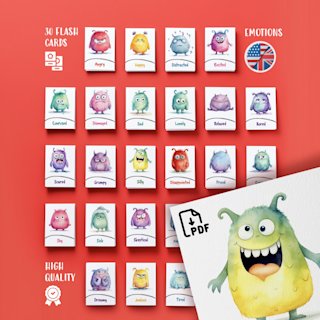
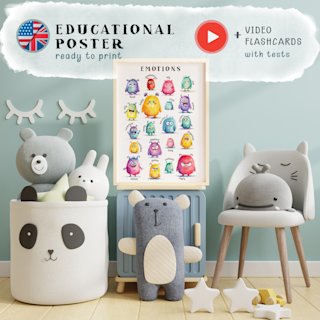
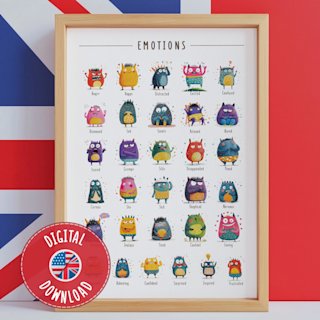
Our Emotions Monster Feelings Flashcards are the first step in self-regulation: naming what you feel. 'I feel FRUSTRATED' is the beginning of managing frustration. 'I feel ANGRY' is the beginning of calming anger. Before a child can use a calm-down strategy, they need to recognize the emotion that requires calming. 12 monsters, 12 emotions, 12 starting points for self-regulation.

Impulse Control Activities (Ages 3-6)

1. Freeze dance
Materials: Music.

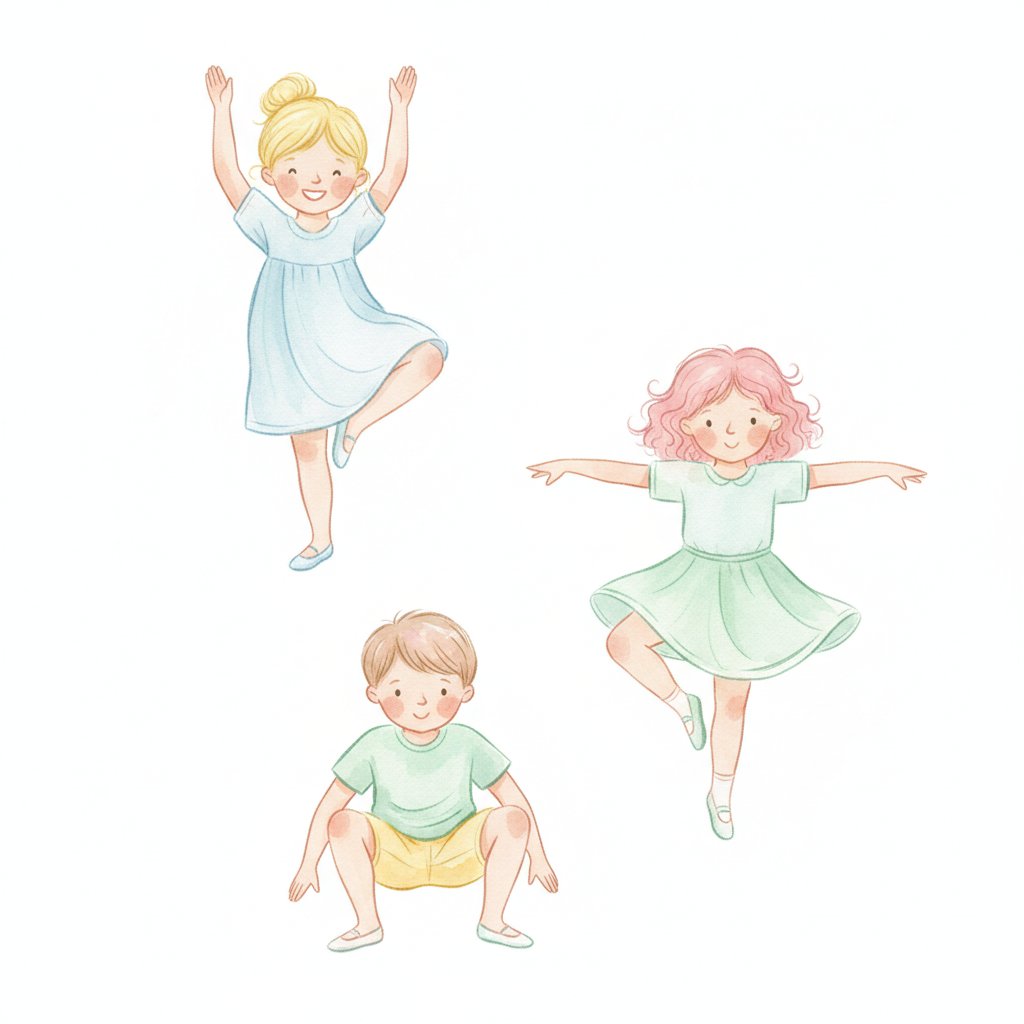
What to do: Play music. Children dance freely. When the music stops, everyone freezes like a statue. Start with slow stops (music fades). Progress to sudden stops. Hold the freeze for 3, 5, then 10 seconds.

Why it works: Freeze dance trains inhibitory control — the ability to stop a behavior on cue. Children practice the exact neural pathway needed to stop themselves from hitting, grabbing, or running. For more movement, see our gross motor guide.

2. Red light, green light, YELLOW light
What to do: Classic game with a twist: Green=run, Red=freeze, Yellow=slow motion. The addition of "slow down" teaches modulation, not just on/off control. Self-regulation isn't just stopping — it's adjusting.

3. Wait for the beep
Materials: Timer with a beep.

What to do: Set a timer. Children must wait for the beep before doing something desirable: eating a snack, opening a present, going outside. Start with 30 seconds. Work up to 3 minutes.

Why it works: Waiting is a muscle. It gets stronger with practice. Short, successful waits build the capacity for longer waits. The timer provides an objective endpoint — the wait has a defined limit, which makes it bearable.

4. "One-Minute" challenges
Materials: Timer.

What to do: Children do an activity for exactly one minute: stack blocks, draw, jump. When the timer beeps, they stop immediately. The consistent practice of starting and stopping builds impulse control. For more timer activities, see our transition guide.

5. The whisper game
What to do: Children must whisper for an entire activity. "Let's play a game where we only whisper. Can you build a tower using only whisper voices?" Controlling volume requires the same inhibitory control as controlling actions.

Calm-Down Strategies (Ages 3-6)

6. Balloon breathing
What to do: Children pretend to blow up a balloon: breathe in slowly through the nose (the balloon gets bigger), breathe out slowly through the mouth (the balloon shrinks). "Make your tummy balloon BIG... now let all the air out slowly." Do 5 breaths.

Why it works: Slow, deep breathing activates the parasympathetic nervous system — the body's calm-down mechanism. Teaching children this technique when they're calm means they can access it when they're upset. Practice daily, not just during meltdowns. For more calm activities, see our quiet time guide.

7. Turtle technique
What to do: Teach the "turtle" self-regulation strategy: (1) Recognize you're upset ("I feel angry"), (2) Go into your shell (tuck chin to chest, arms wrapped around body), (3) Take 3 deep breaths in your shell, (4) Come out when you're calm and think of a plan.

8. Calm-down jar
Materials: Glitter jar (jar with water, glitter glue, and glitter).

What to do: Children shake the jar and watch the glitter settle. "When your feelings are all swirly like the glitter, watch it settle. Your feelings will settle too." The visual metaphor gives children a concrete representation of emotional settling.

9. Counting to calm
What to do: When emotions escalate, count together. "Let's count to 10. 1... 2... 3..." Counting gives the brain a structured task that interrupts the emotional spiral. For more counting, see our number activities.

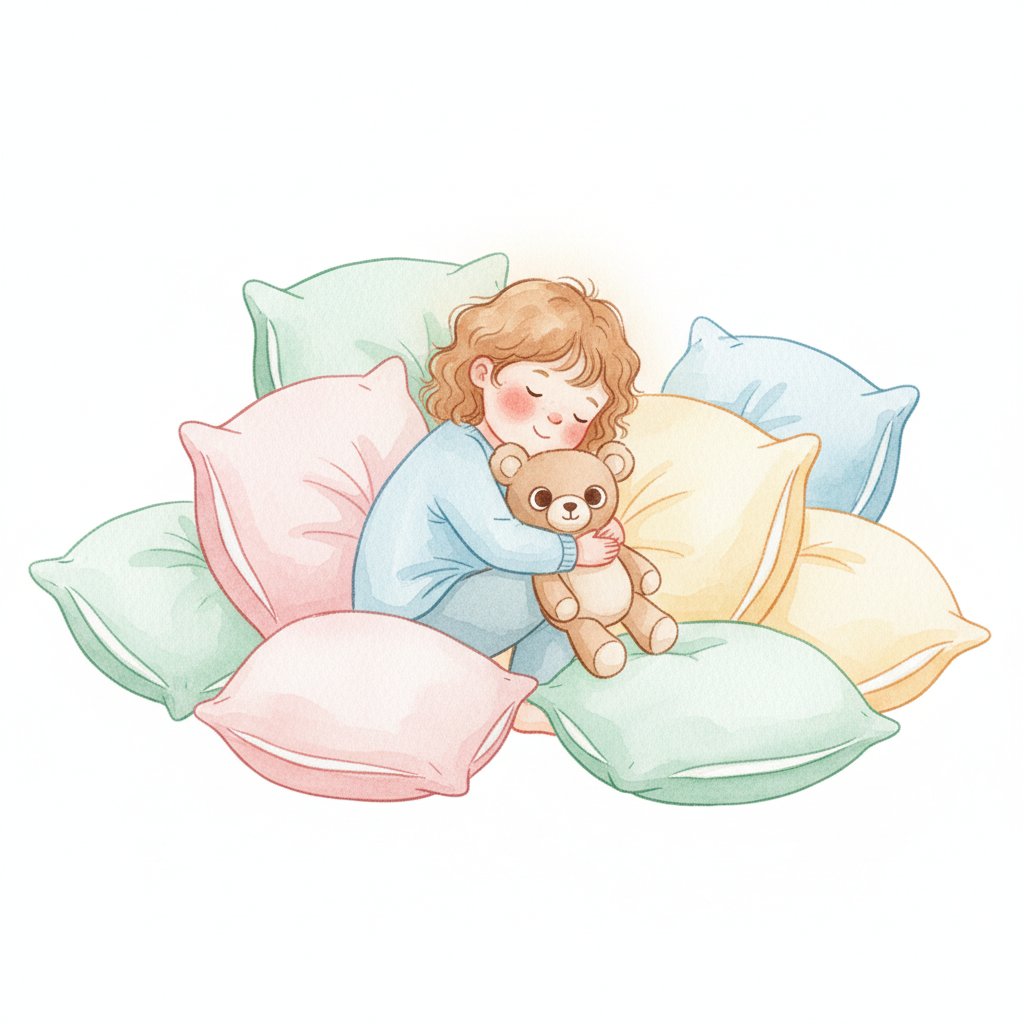
10. Calm-down corner
Materials: A designated cozy space with pillows, sensory tools, emotion cards.

What to do: Create a calm-down corner that children can access independently. Include: emotion cards to identify feelings, a glitter jar, a breathing visual guide, a soft blanket, and a few sensory objects. Teach children that the corner is a TOOL, not a punishment. Model using it yourself: "I'm feeling frustrated. I'm going to sit in the calm-down corner and take some breaths."

Morning routines are daily regulation practice
Our Morning Routine Visual Schedule Cards build self-regulation through predictable structure: 'First we put on shoes. Then we get our backpack. Then we walk to the car.' Each step requires the child to complete one task before moving to the next — delayed gratification and impulse control in action. Children who follow visual routines develop stronger self-regulation than children who are directed through each step verbally.

Emotional Awareness Activities (Ages 3-6)

11. Feelings thermometer
Materials: A drawn thermometer with color zones: green (calm), yellow (wiggly/annoyed), orange (upset), red (explosive).

What to do: Children check where they are on the thermometer throughout the day. "It's morning — where are you? Green? Great! After snack, check again." The thermometer teaches children to monitor their own emotional state before it escalates.

12. "How big is the problem?"
What to do: Teach children to categorize problems by size: tiny (dropped a crayon), medium (someone took your toy), huge (someone got hurt). "Is this a tiny problem, a medium problem, or a huge problem? Does our reaction match the problem size?" For more social problem-solving, see our social skills guide.

13. Emotion charades
What to do: Children act out emotions without words — others guess. "Show me excited! Show me disappointed! Show me proud!" The physical expression of emotions helps children recognize what feelings LOOK like on others' faces and bodies.

14. Feelings journal
Materials: Paper, crayons.

What to do: Each day, children draw how they felt and what happened. "Draw a picture of when you felt happy today. Draw when you felt frustrated." The journal builds the habit of emotional reflection. For more journal ideas, see our writing guide.

15. Body scan for kids
What to do: "Close your eyes. How does your head feel? Your shoulders? Your tummy? Your hands? Your feet?" Children learn to notice where they hold tension or energy in their body — the physical signals of emotional states.

Flexible Thinking Activities (Ages 4-6)

16. Plan A, Plan B
What to do: When things don't go as planned, model flexible thinking aloud: "We were going to go to the playground but it's raining. That's disappointing. Plan A was the playground. What's Plan B?" Children brainstorm alternatives. Flexible thinking is the cognitive side of self-regulation — adapting when circumstances change. For more adaptation activities, see our weather guide.

17. Same activity, different way
What to do: Do a familiar activity in a completely different way: build blocks with your eyes closed, draw with your non-dominant hand, walk backwards through an obstacle course. The discomfort of doing things differently builds cognitive flexibility.

18. "That didn't work. What else can I try?"
What to do: When a child is frustrated because something isn't working, instead of fixing it for them, prompt: "That didn't work. What else could you try?" Children generate alternative strategies. The question becomes an internal voice they use independently over time.

19. Change the rules game
What to do: Play a simple game. Halfway through, change a rule: "Now we hop instead of walk! Now we use our left hand only!" Children practice adapting to unexpected changes in a low-stakes context.

20. Mistakes are interesting
What to do: Deliberately make mistakes and model curiosity: "Oh! I drew the sun blue. That's a mistake. But it's interesting — what would a blue sun mean? Maybe it's a cold star!" The reframe teaches that mistakes aren't disasters — they're data. Self-regulation requires the ability to tolerate imperfection. For more learning-from-mistakes activities, see our science experiments.

Weather changes=flexible thinking practice
Our Weather Flashcards teach flexible thinking daily: 'It was sunny yesterday but today it's rainy. Our outdoor plans need to change. That's okay — we adapt!' Weather is the perfect metaphor for emotional flexibility: feelings, like weather, change without warning, and we can't control them but we CAN control our response. Rainy day? New plan. Frustrated feeling? New strategy.
1.My preschooler has constant meltdowns. Is this a self-regulation problem?
Frequent meltdowns are developmentally normal in 3-4 year olds and usually indicate that self-regulation skills are still developing, not that something is wrong. Focus on: (1) Preventing meltdowns by identifying triggers, (2) Teaching calm-down strategies during calm moments, (3) Co-regulating during meltdowns (your calm helps them find calm), (4) Praising self-regulation successes. If meltdowns are extremely intense, prolonged, or happening many times per day, consult your pediatrician.
2.Should I use time-outs for self-regulation?
Time-outs (isolation as punishment) are not effective for teaching self-regulation. Time-INS are: sitting WITH the child, modeling calm breathing, naming the feeling, and waiting together until calm returns. The child learns that (1) big feelings are manageable, (2) adults help with big feelings, and (3) calm always returns. The calm-down corner is a self-initiated time-IN — the child chooses to go there, not as punishment but as a tool.
3.Can I teach self-regulation to a 2-year-old?
Yes, through co-regulation. At 2, you regulate FOR the child: you narrate feelings ("You're frustrated! The block tower fell"), you model breathing, you provide physical comfort, you redirect. The child internalizes these strategies through thousands of repetitions. By 3-4, they'll start using the same strategies independently. Start early, practice often, expect gradual progress.
4.How long does it take for a preschooler to develop self-regulation?
Self-regulation develops throughout childhood and into early adulthood (the prefrontal cortex isn't fully developed until age 25). For preschool purposes, expect noticeable improvement every 6-12 months with consistent practice. A 3-year-old who melts down daily will typically be a 4-year-old who occasionally uses words, and a 5-year-old who usually manages independently. Progress is real but gradual.