The Day I Stopped Worrying About the Mess
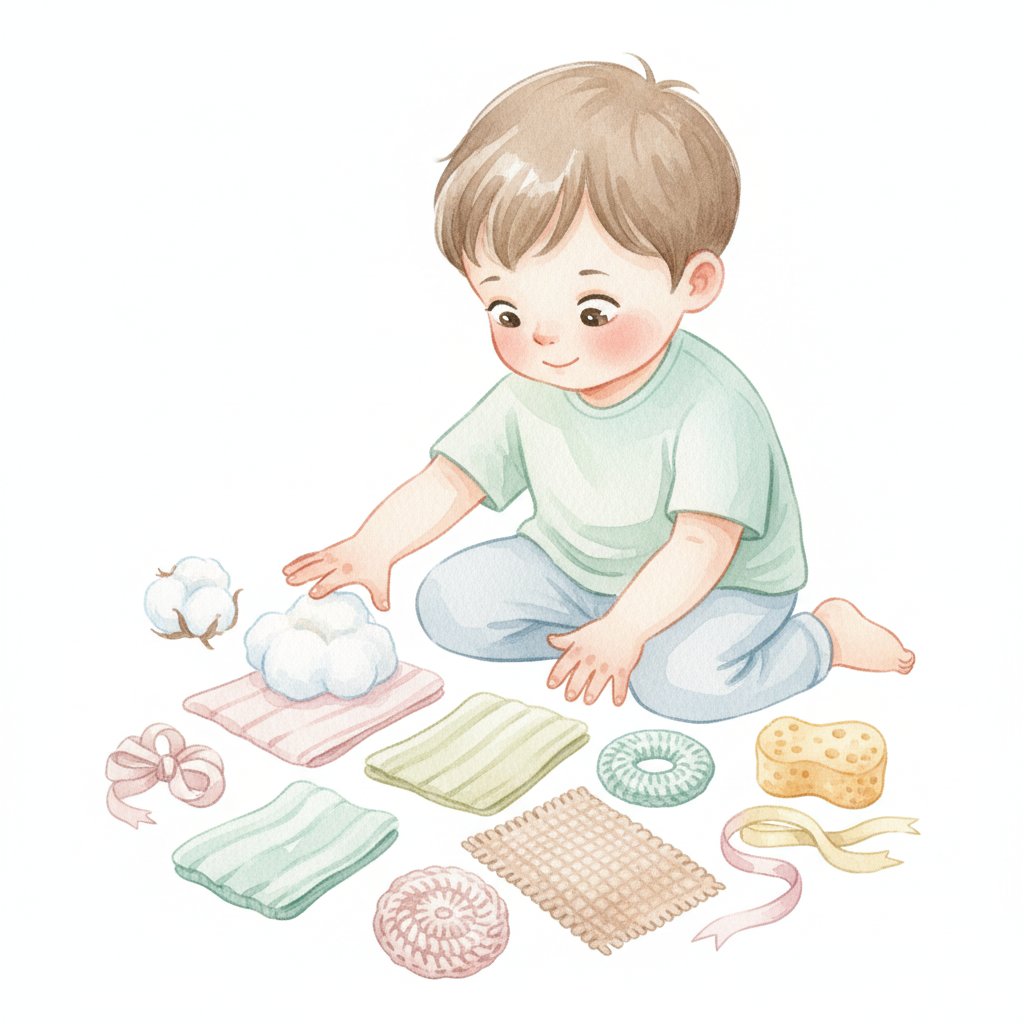
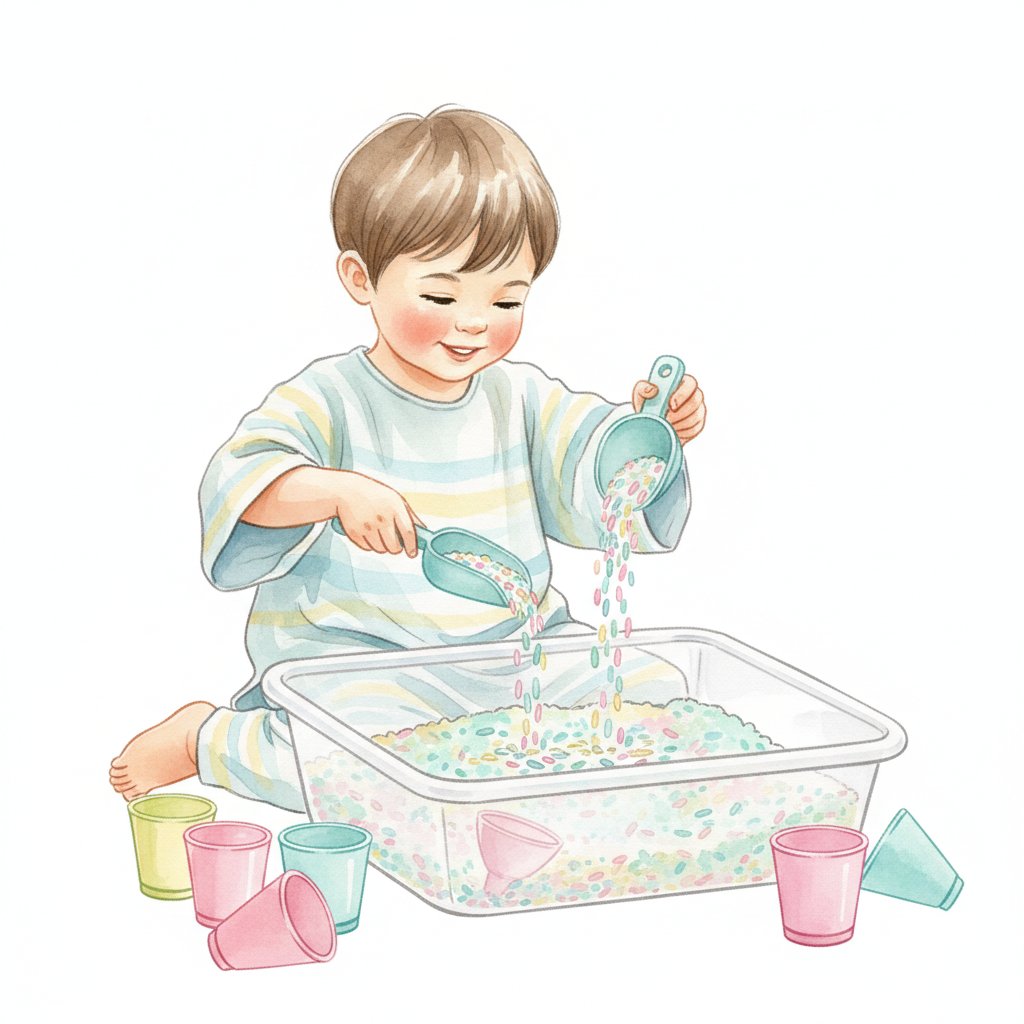
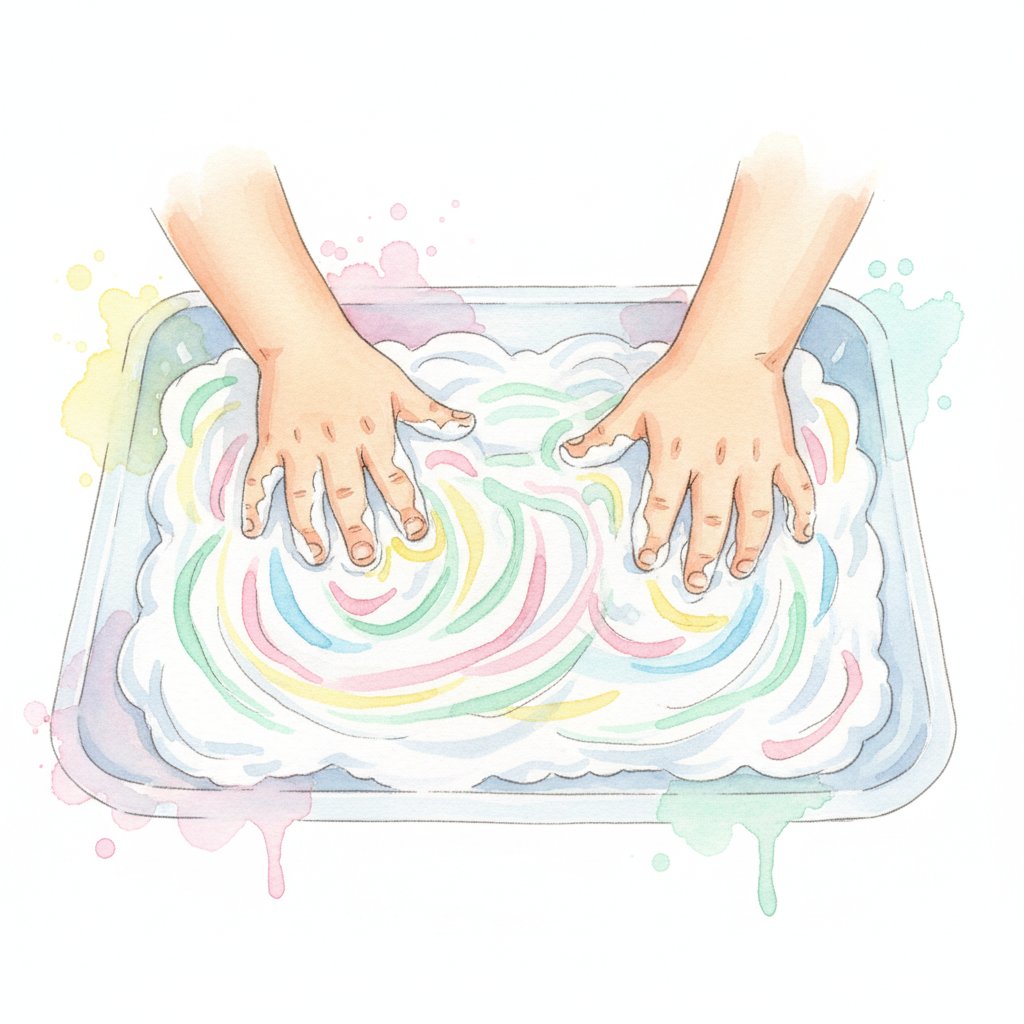
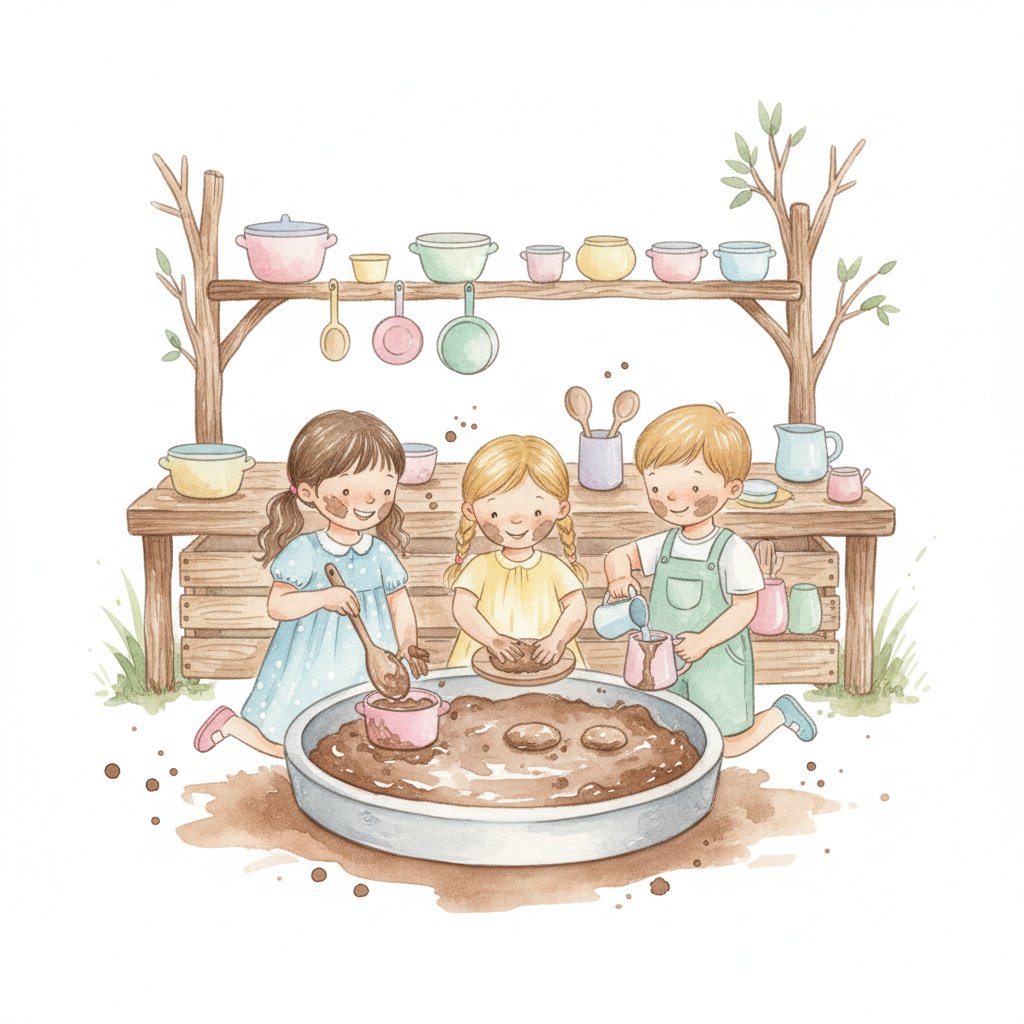
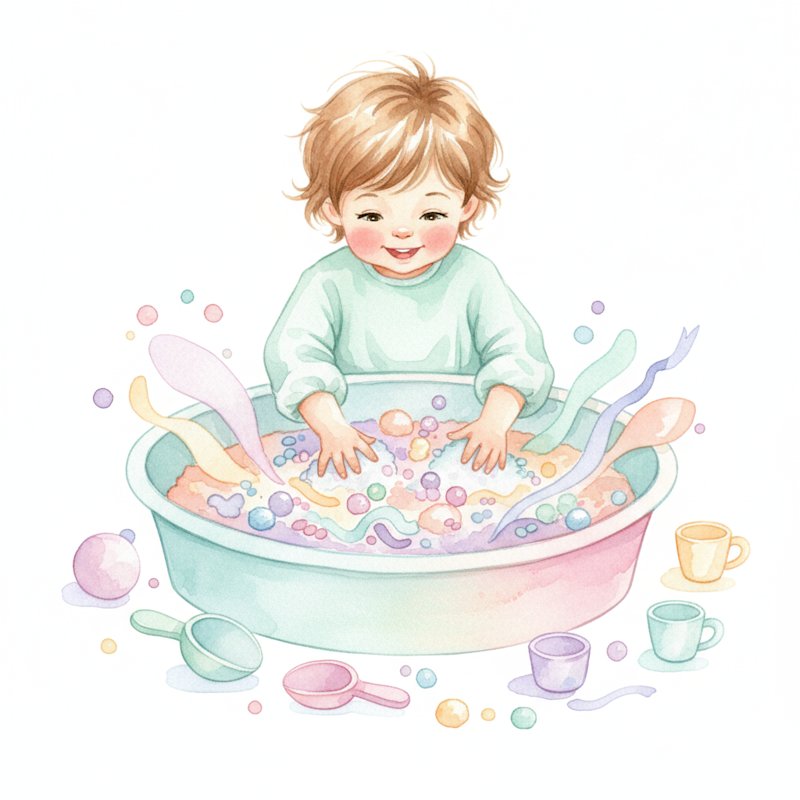
I used to flinch at mess. Glitter on the floor, paint on the table, rice scattered everywhere. Then I watched a three-year-old named Javier spend 25 minutes running dried beans through his fingers at the sensory table. He scooped, poured, buried his hands, let them cascade through his fingers. He was completely absorbed — more focused than I'd ever seen him during circle time.
Later that week, his occupational therapist told me his fine motor control had noticeably improved. "What changed?" she asked. "Sensory play," I said. She nodded: "That's the most important thing you could have done for him."
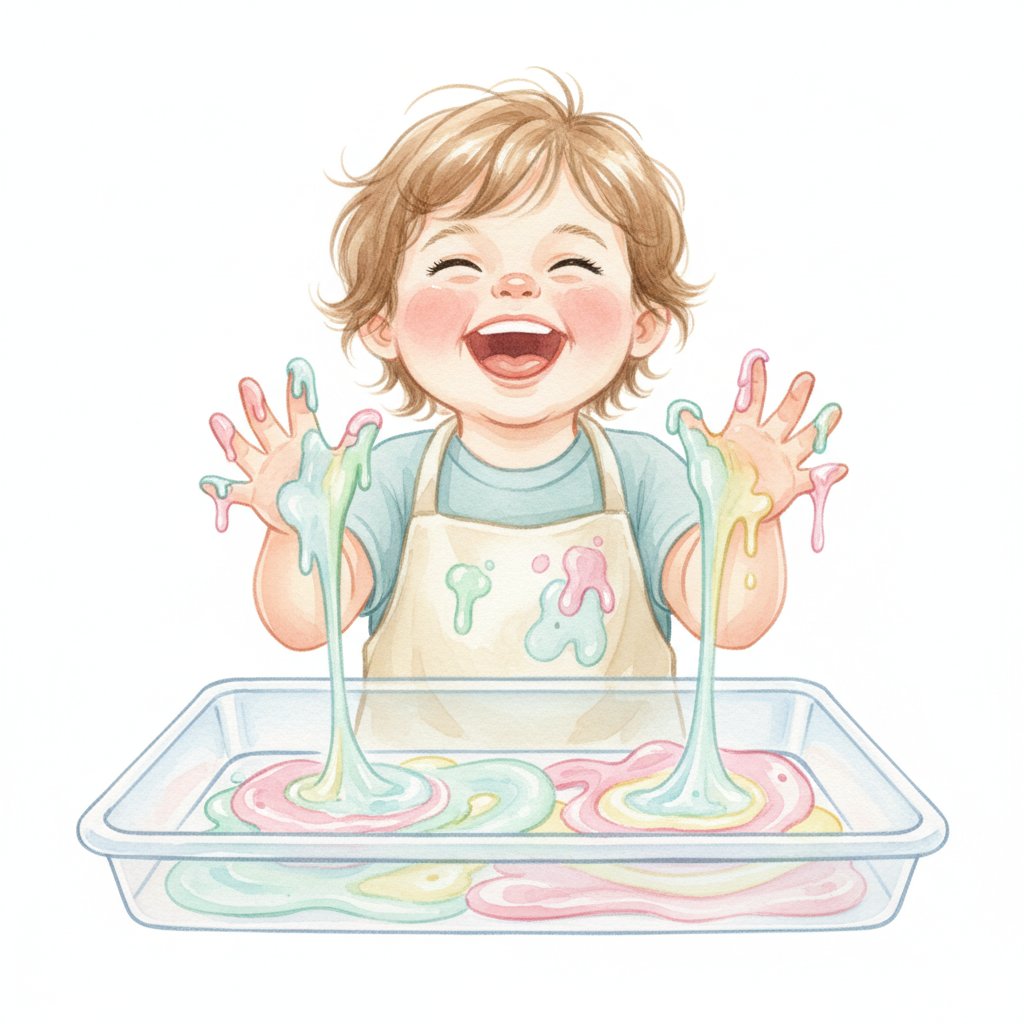
According to the American Academy of Pediatrics, sensory play is not optional — it's how young brains build neural connections. Every time a child touches, squishes, pours, or smells something new, their brain creates pathways that support cognitive development, language, motor skills, and emotional regulation. The mess isn't a problem — it's the point.
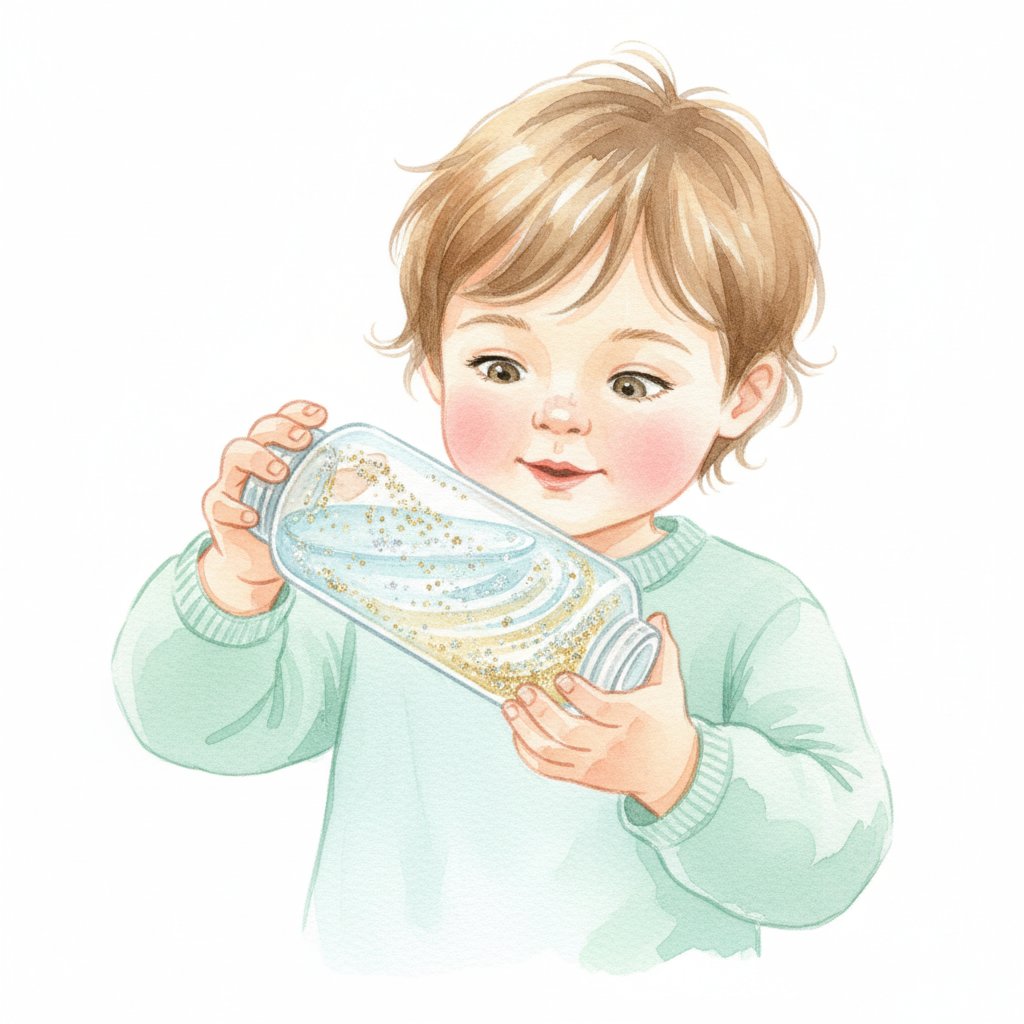
This guide covers 20+ sensory activities for ages 3-6, organized by sense: tactile (touch), visual (sight), auditory (hearing), olfactory (smell), and proprioceptive (body awareness). Pair it with our fine motor activities for hand-strengthening and our calming activities for self-regulation strategies.