The Door Is a Rectangle (And Other Shape Discoveries)
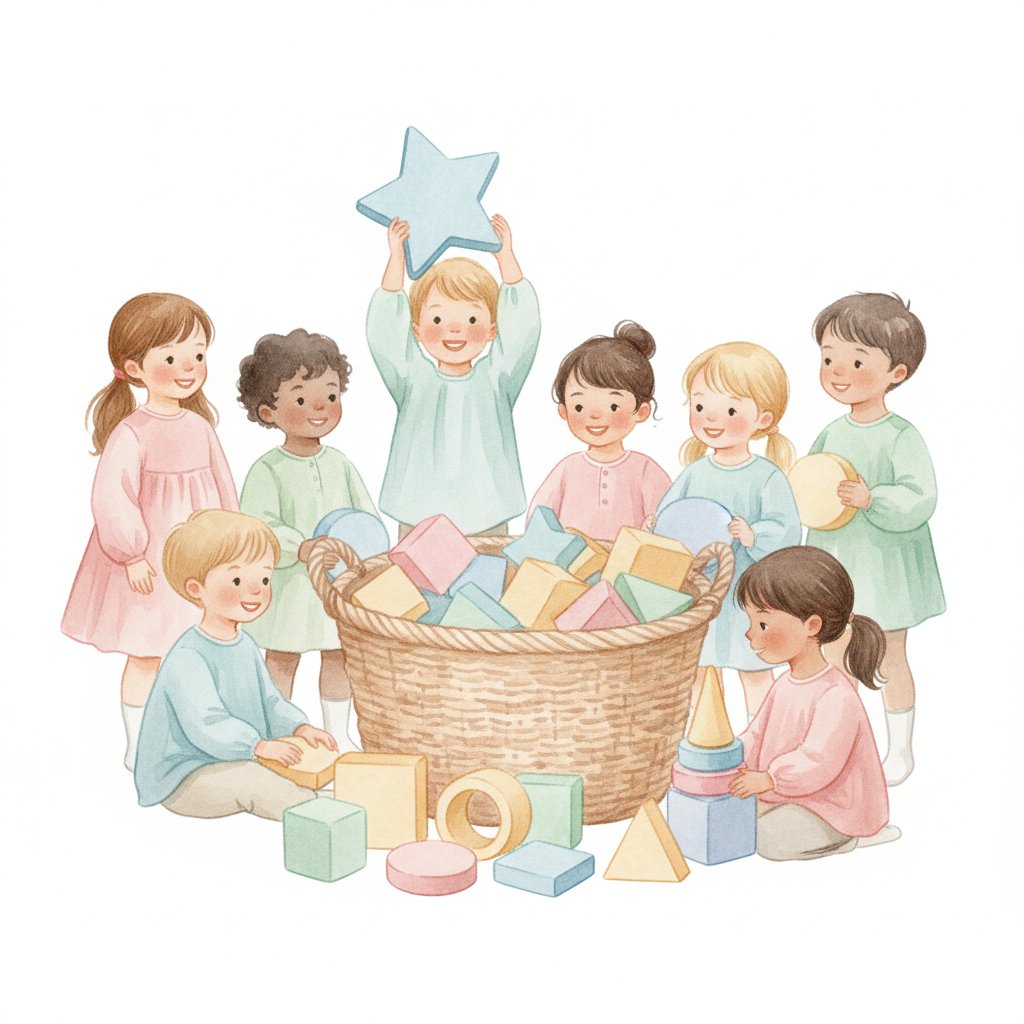
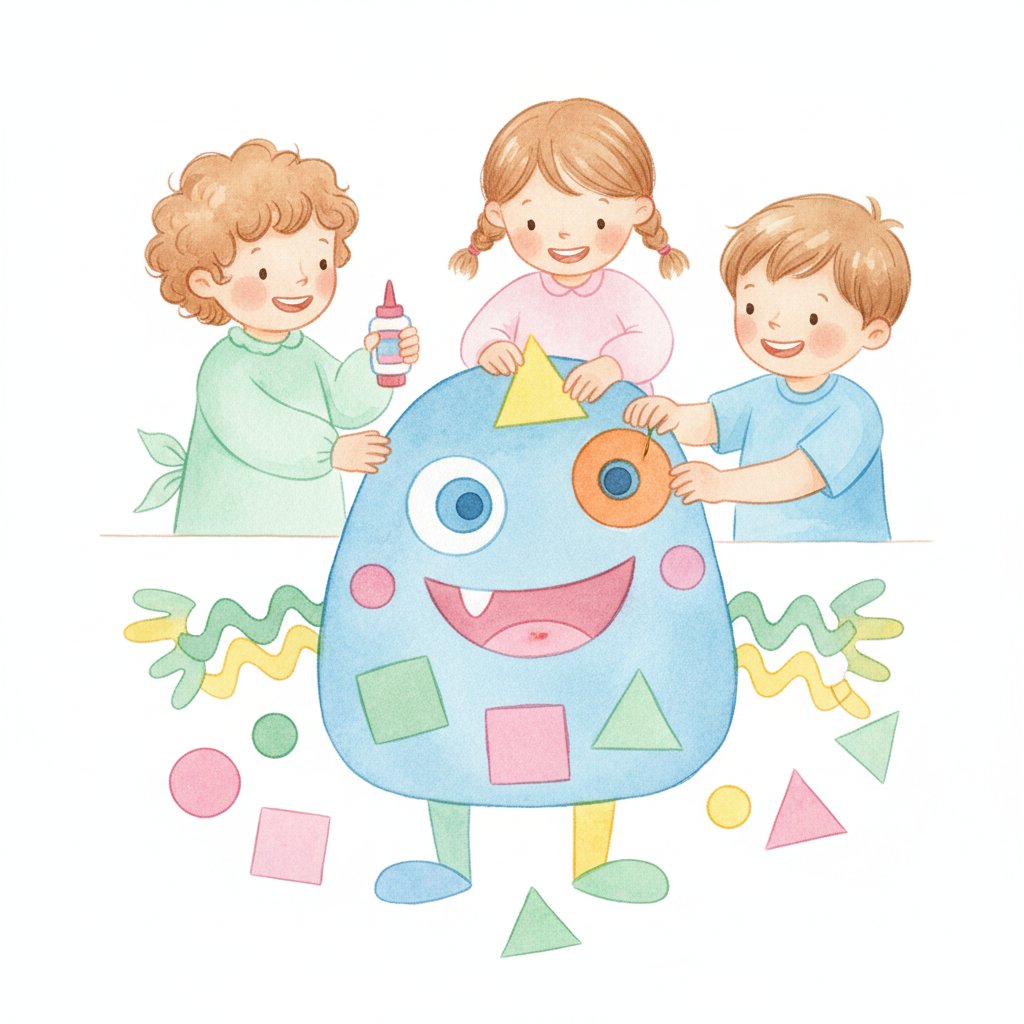
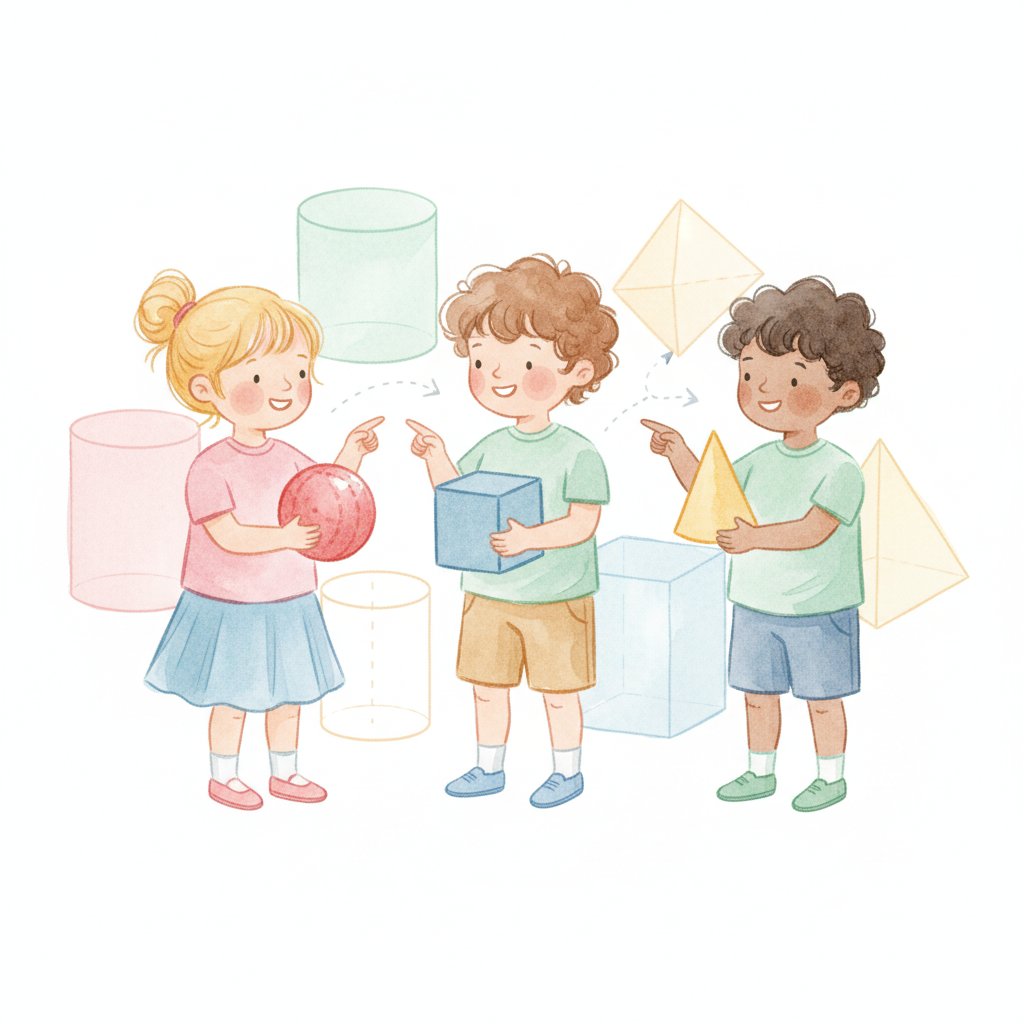
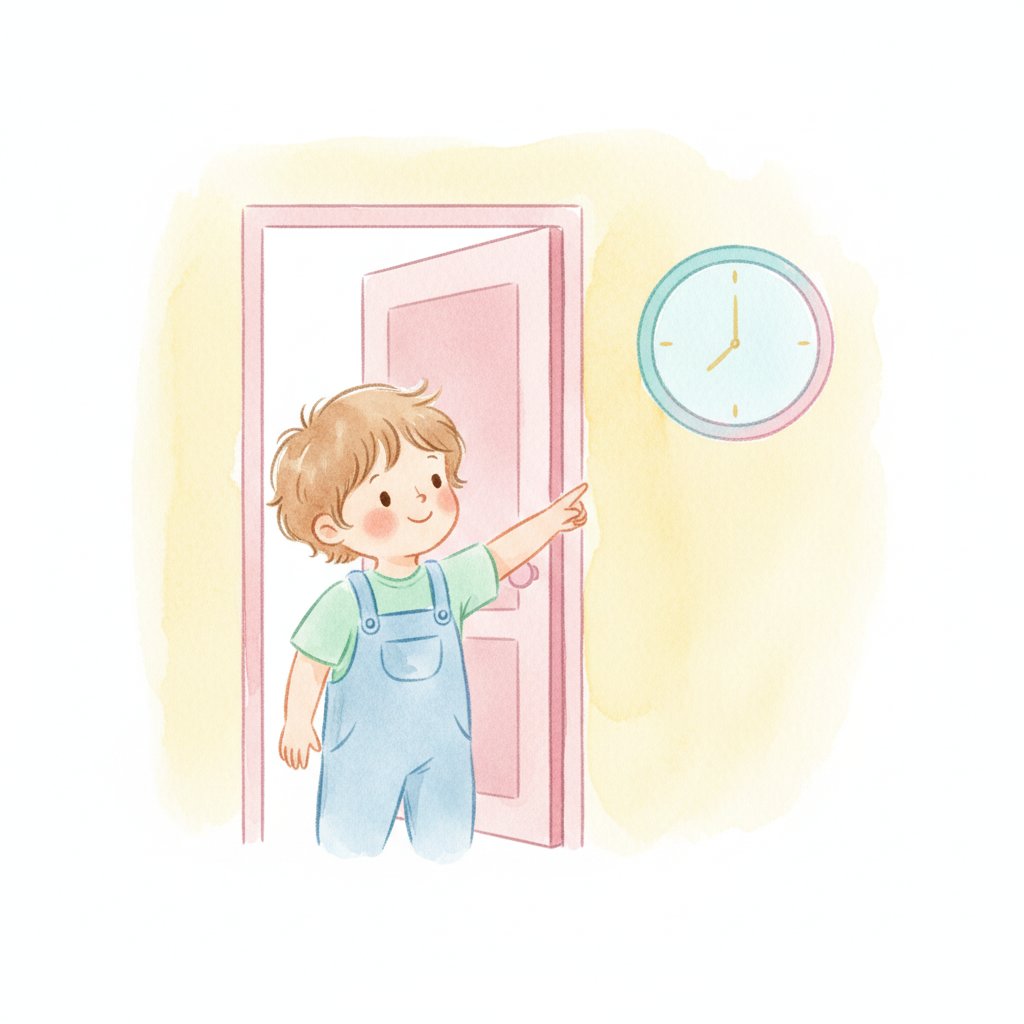
My four-year-old pointed at the front door. "That's a rectangle!" Then he pointed at the window. "That's a rectangle too!" Then the clock: "That's a circle!" He was on a shape hunt, and suddenly every object in the house was a geometry lesson. This is how children learn shapes — not from flashcards, but from discovering that the world is made of them.
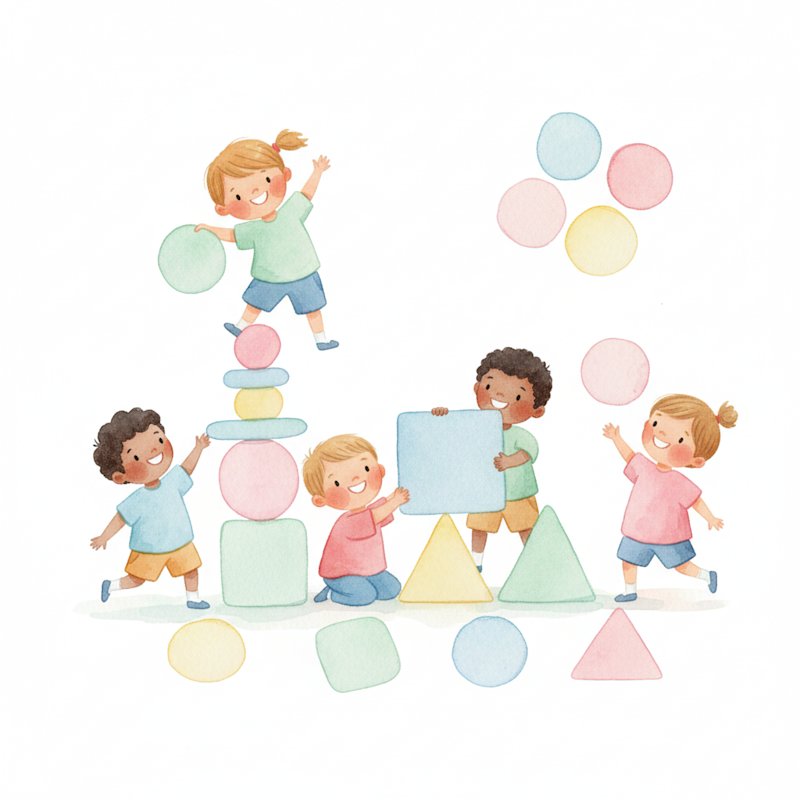
Shape recognition is a foundational math skill that supports later geometry, spatial reasoning, and even reading (letter recognition depends on distinguishing shapes). According to the National Council of Teachers of Mathematics, preschool geometry includes identifying shapes, describing shape properties, comparing shapes, and composing shapes to make new ones — all skills children can develop through play.
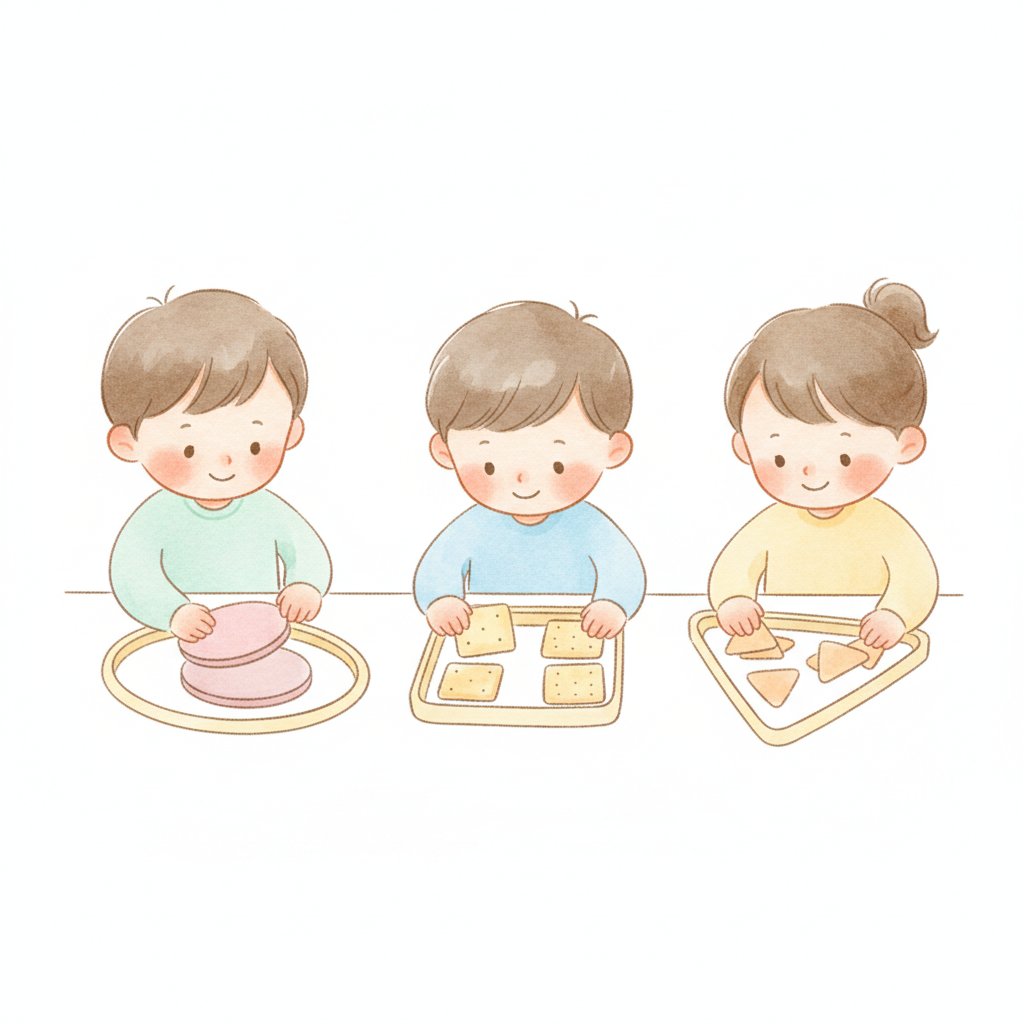
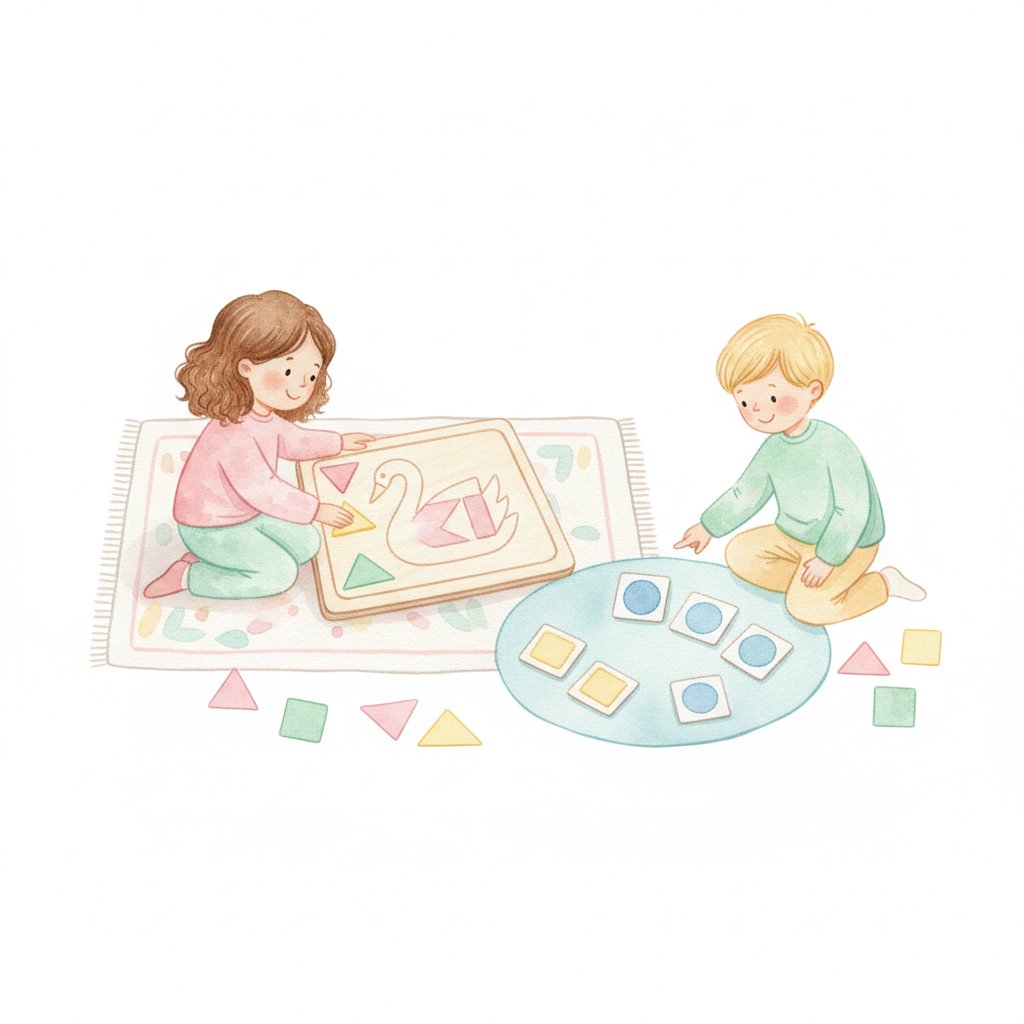
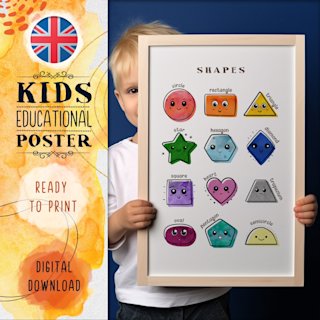
This guide covers 20+ shape activities for ages 3-6, from basic shape recognition (ages 3-4) to shape composition and comparison (ages 5-6). Pair it with our shape flashcards for visual reference, our pattern activities for shape patterning, and our sorting activities for classification.