The Morning Maya Threw the Glitter Jar
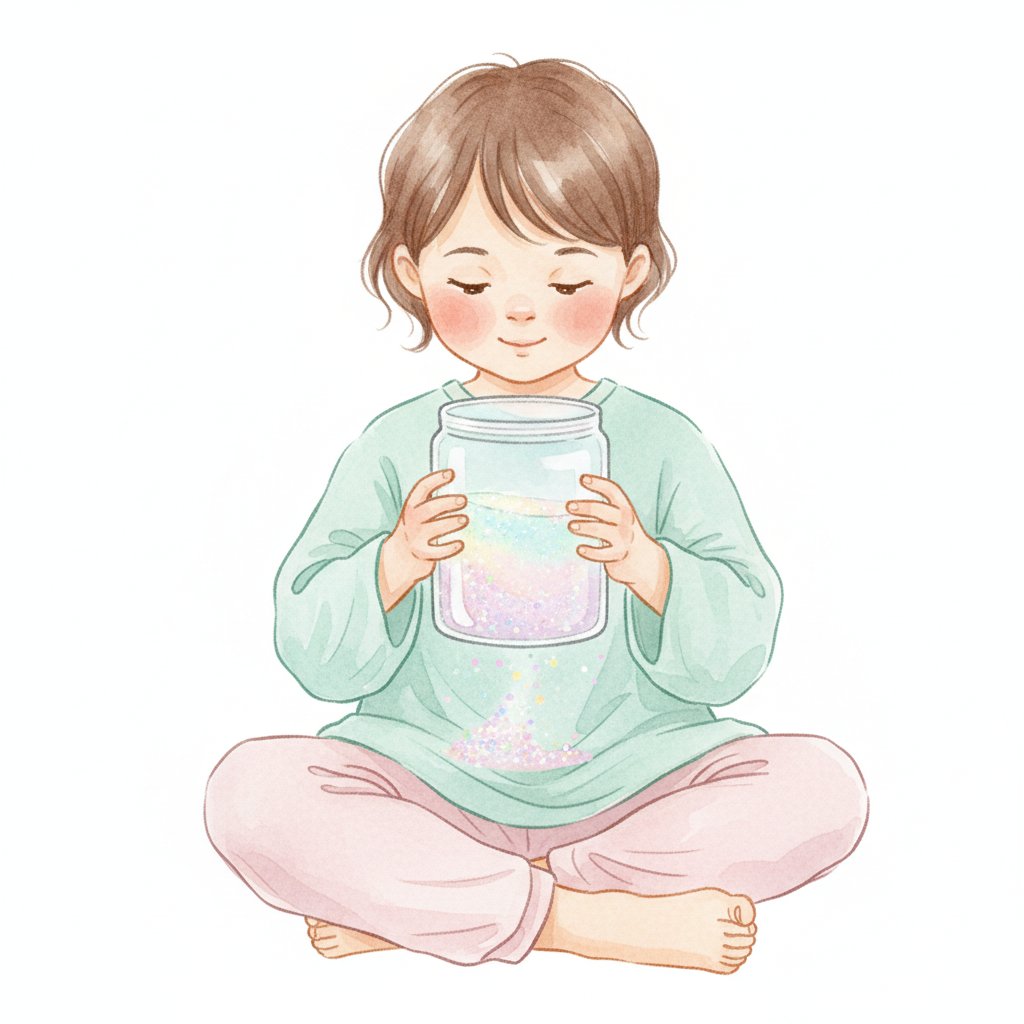
Last winter I ran the same five-child preschool group through a structured social-emotional plan — three-, four-, and five-year-olds together in a home classroom. On day one, four-year-old Maya spotted the calm-down glitter jar on the shelf, walked over, and hurled it across the room because it wasn't snack time yet. Glass (luckily plastic), water, and glitter went everywhere. Her first instinct, like most preschoolers', was to act the feeling out rather than name it.
Six weeks later, the same child stopped mid-tantrum, said "I'm too frustrated to talk," walked to the cozy corner, and turned the glitter jar over herself. That forty-second sequence — notice the feeling, name it, choose a strategy — is the entire point of social-emotional learning (SEL) for preschoolers. The Collaborative for Academic, Social, and Emotional Learning (CASEL), the organization whose framework most U.S. schools and the National Association for the Education of Young Children reference, describes it as five interlocking competencies, not a single skill.
This guide does three things:
- Breaks preschool SEL into the five CASEL competencies, with hands-on activities for each.
- Shows what each skill looks like at ages 3, 4, and 5, so you know what to expect and when.
- Folds SEL into the routines you already have — circle time, meals, play, and bedtime — so you never have to schedule a separate "feelings lesson."
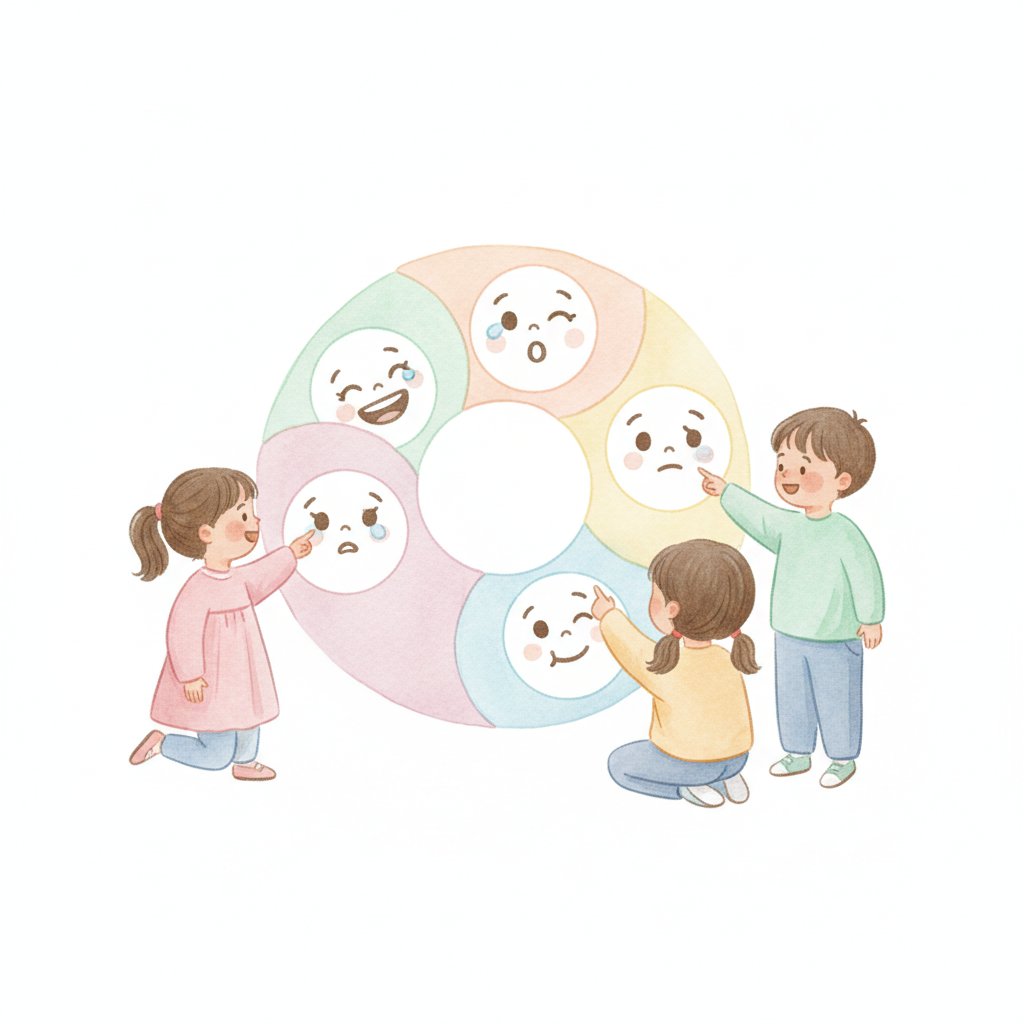
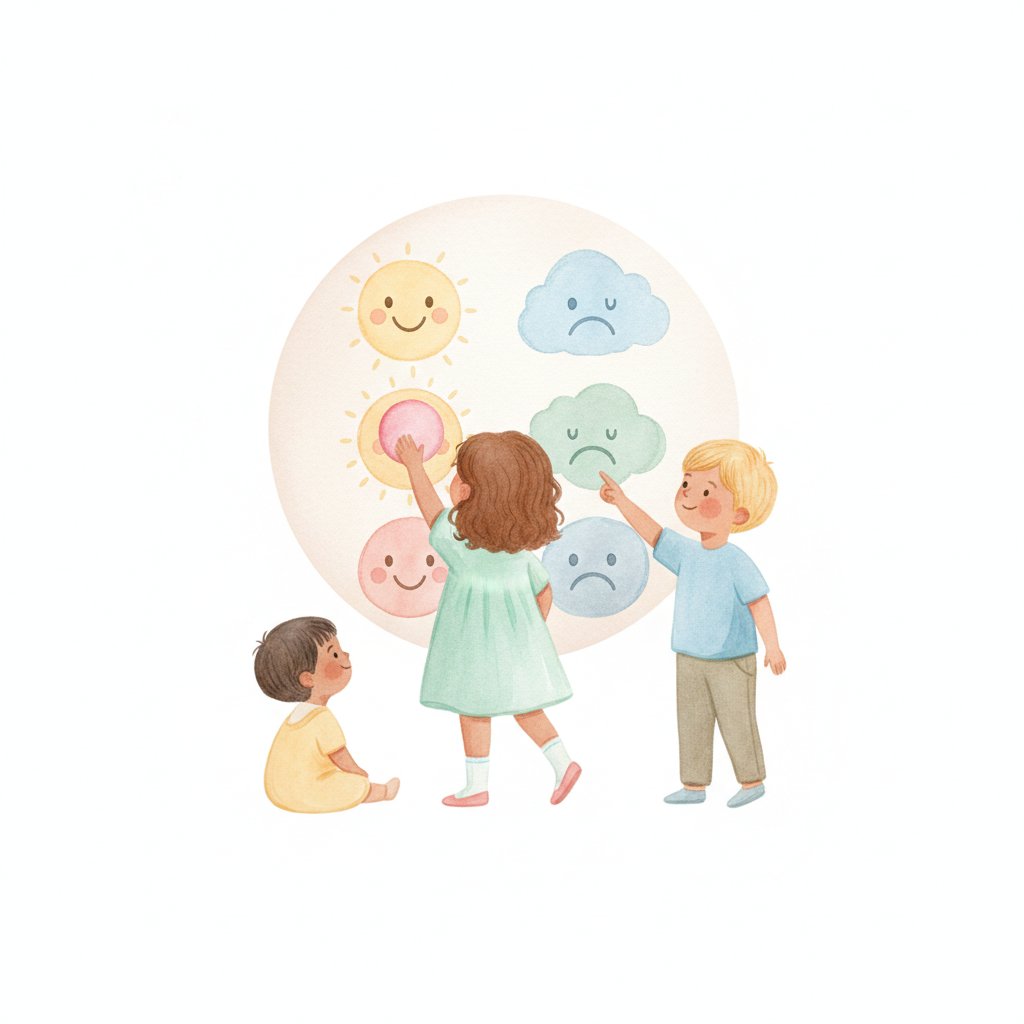
If you want to go deeper on one piece, jump to our companion guides: the feelings activities for preschoolers for emotion identification in depth, and the calming strategies for preschoolers for self-soothing tools. This article is the umbrella that holds all five competencies together.