The Story That Changed How I Teach Reading
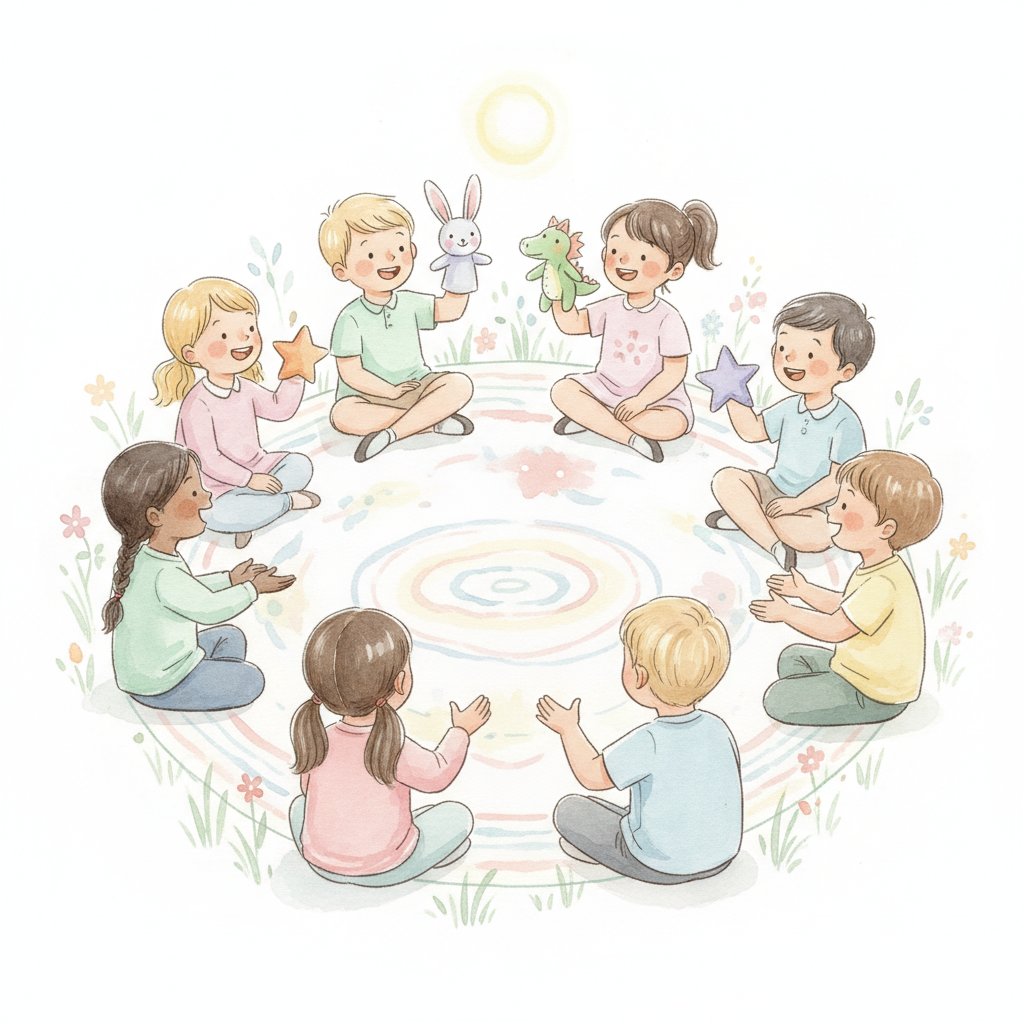
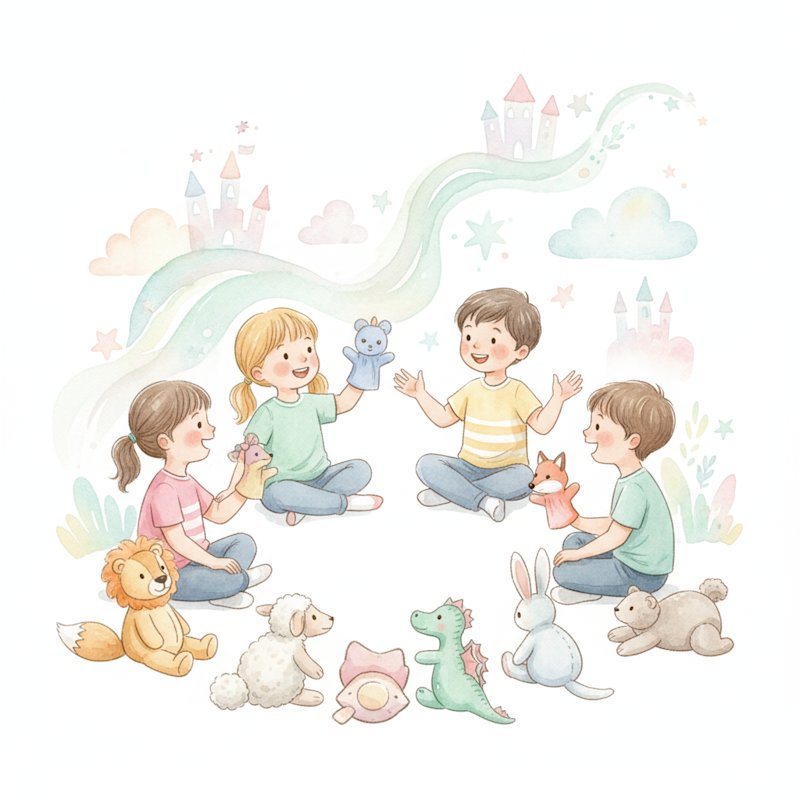
My daughter's preschool teacher told me she wasn't "ready for reading" because she couldn't identify all her letters. That evening, my daughter picked up three stuffed animals and told a 10-minute story: "The bunny was walking in the forest and he found a door. Behind the door was a dragon but the dragon was sad because he lost his fire. So bunny said 'I'll help you find it' and they went to the volcano..."
She had a beginning (finding the door), a middle (discovering the problem), and an ending (the quest to solve it). She used dialogue, emotion, and cause-and-effect. She couldn't read yet, but she was already a storyteller — and storytelling is the foundation of reading comprehension, writing, and critical thinking.

According to the National Early Literacy Panel, narrative skill — the ability to understand and tell stories — is one of the six strongest predictors of later reading success. Children who enter kindergarten with strong narrative skills learn to read faster and with better comprehension.
This guide covers 20+ storytelling activities for ages 3-6, organized by type: story prompts, sequential storytelling, collaborative tales, and story extension activities. Pair it with our nursery rhyme activities for rhythmic language and our alphabet activities for letter skills.