Articles7 min read

Every Child Has a Power

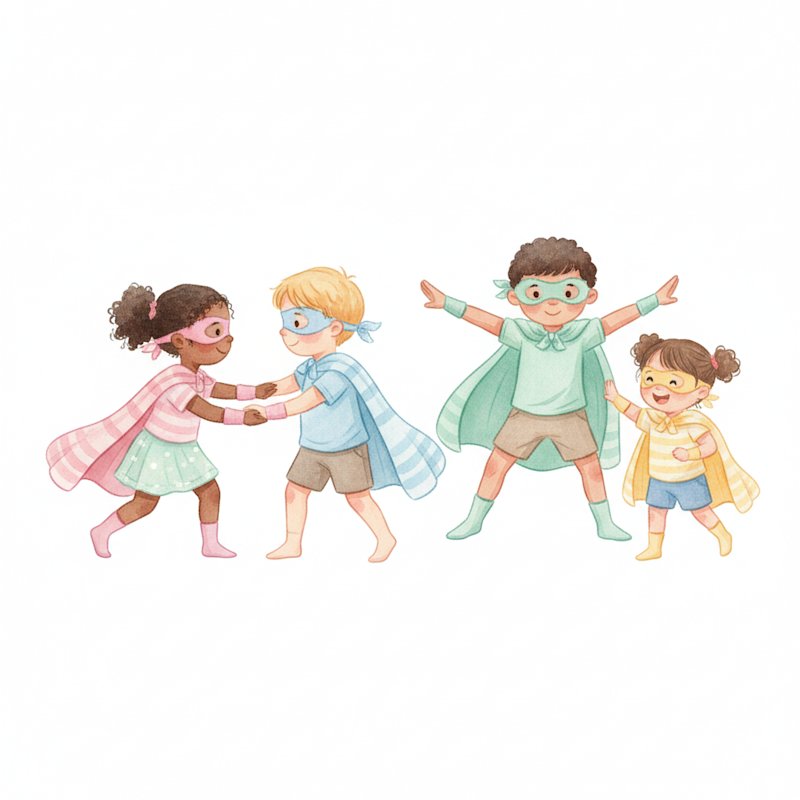
Four-year-old Marcus put on a towel cape and announced: "I am STRONG MAN! I help people who are stuck!" Then he walked around the classroom asking: "Does anyone need HELP?" He held the door for a classmate carrying blocks. He helped a younger child open a snack container. He picked up crayons someone had dropped. At circle time he said: "I used my POWER four times today." I asked: "What is your power?" "HELPING," he said. Not flying. Not laser eyes. Helping. A four-year-old understood that real heroism is not about superpowers — it is about using what you CAN do to help someone who needs it. Superhero play, done right, is not about violence or fighting villains. It is about discovering your power, learning to be brave, and understanding that heroes HELP.

According to the National Association for the Education of Young Children, superhero and hero play supports social-emotional development, courage-building, identity exploration, empathy through helping, and understanding the difference between pretend power and real-world heroism. The key is channeling the energy into constructive hero behavior.
This guide covers 20+ superhero and hero activities for ages 3-6. Pair it with our community helpers guide for real-world heroism and our confidence guide for self-esteem.
Superhero Identity Activities (Ages 3-6)

1. Design your superhero
Materials: Paper, markers, cape (towel or fabric).

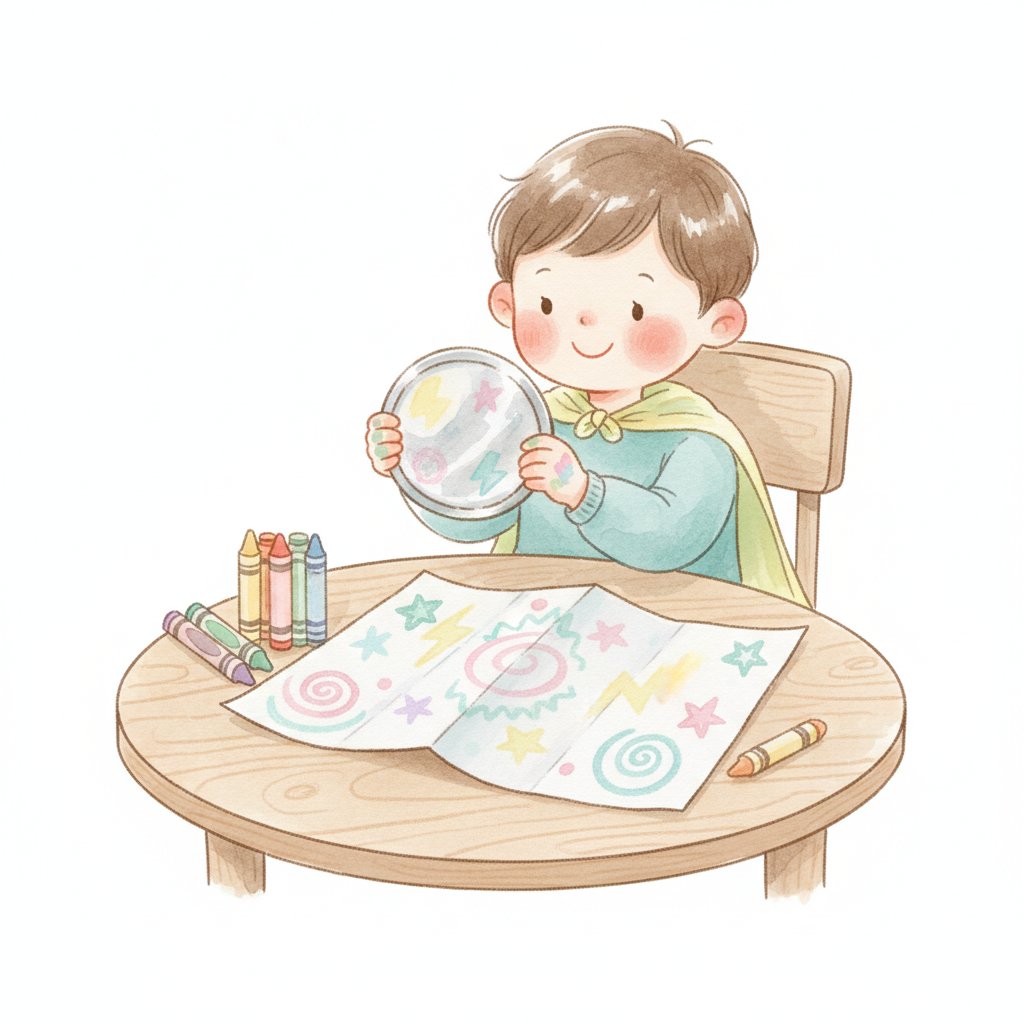
What to do: "What is your superhero NAME? What is your POWER? (It can be anything: super strong, super fast, super kind, super listener, super helper.) Draw your costume and make a cape!" The superhero design teaches self-concept and aspiration. For more identity, see our all about me guide.

Why it works: Superhero play works because it gives children POWER in a world where they have very little. A four-year-old cannot drive, cook, or decide bedtime. But their superhero CAN fly, save people, and make decisions. That power fantasy is not dangerous — it is DEVELOPMENTALLY ESSENTIAL. The key is channeling it toward HELPING: "Your power is to RESCUE, not to FIGHT. Heroes solve problems. What problem will you solve today?" When the power fantasy is directed toward kindness and helping, superhero play becomes one of the most pro-social activities in the classroom.

2. Superhero badge
Materials: Cardboard, foil, markers, safety pin.

What to do: "Every hero has a BADGE or symbol. Design yours on cardboard, wrap it in foil for a shiny look, and wear it. Your badge shows your power!" The badge teaches symbolic representation. For more symbols, see our alphabet guide.

3. Hero mask
Materials: Paper plates, scissors, string, markers.

What to do: "Cut eye holes in the paper plate. Decorate it to match your hero identity. Tie the string. When you put on the mask, you BECOME your hero!" The mask teaches transformation through props. For more crafts, see our craft guide.

4. Hero headquarters
Materials: Blanket fort or corner of the room.

What to do: "Every hero team needs a HEADQUARTERS. Set up the fort with your badges, capes, and a mission board (a list of things to help with today)." The headquarters teaches organization and team identity. For more dramatic play, see our pretend play guide.

5. Power practice
Materials: Obstacle course, targets, tasks.

What to do: "Heroes need to PRACTICE their powers. Super jump over this cushion! Super balance on this tape line! Super carry this heavy block across the room! Super throw this ball into the bucket!" The power practice teaches gross motor through hero-themed challenges. For more movement, see our gross motor guide.

Even heroes have big feelings
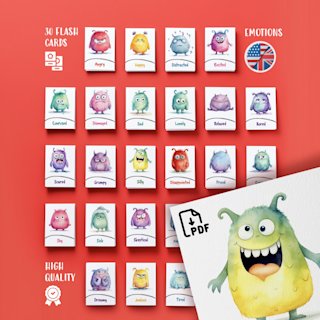
Our Emotions Flashcards become hero feeling checks: 'Heroes feel things too! Before your mission, pick the card that shows how you feel. BRAVE? Nervous? Excited? A hero is not someone who NEVER feels scared — a hero is someone who feels scared and does the RIGHT THING ANYWAY. Pick your feeling card. Now go on your mission. When you come back, pick AGAIN. Did your feeling change? From nervous to PROUD? From scared to STRONG? The cards prove that bravery is not the ABSENCE of fear — it is feeling afraid and choosing to help anyway. Twelve emotions, before and after, a hero's emotional journey chart.'

Real-World Hero Activities (Ages 3-6)

6. Community hero interview
Materials: None.

What to do: "Who are REAL heroes? Firefighters, doctors, nurses, teachers, mail carriers, parents. Interview someone you think is a hero: 'What do you do? How do you help people? What makes you brave?'" The interview teaches that everyday people are heroes. For more community, see our community helpers guide.

7. Kindness hero mission
Materials: Mission cards.

What to do: "Your mission, should you choose to accept it: Do THREE kind things today and REPORT BACK. Hold the door, share a toy, say something nice. Every kind act earns a hero point!" The kindness mission teaches that heroism is about helping. For more kindness, see our kindness guide.

8. Rescue mission
Materials: Stuffed animals hidden around the room.

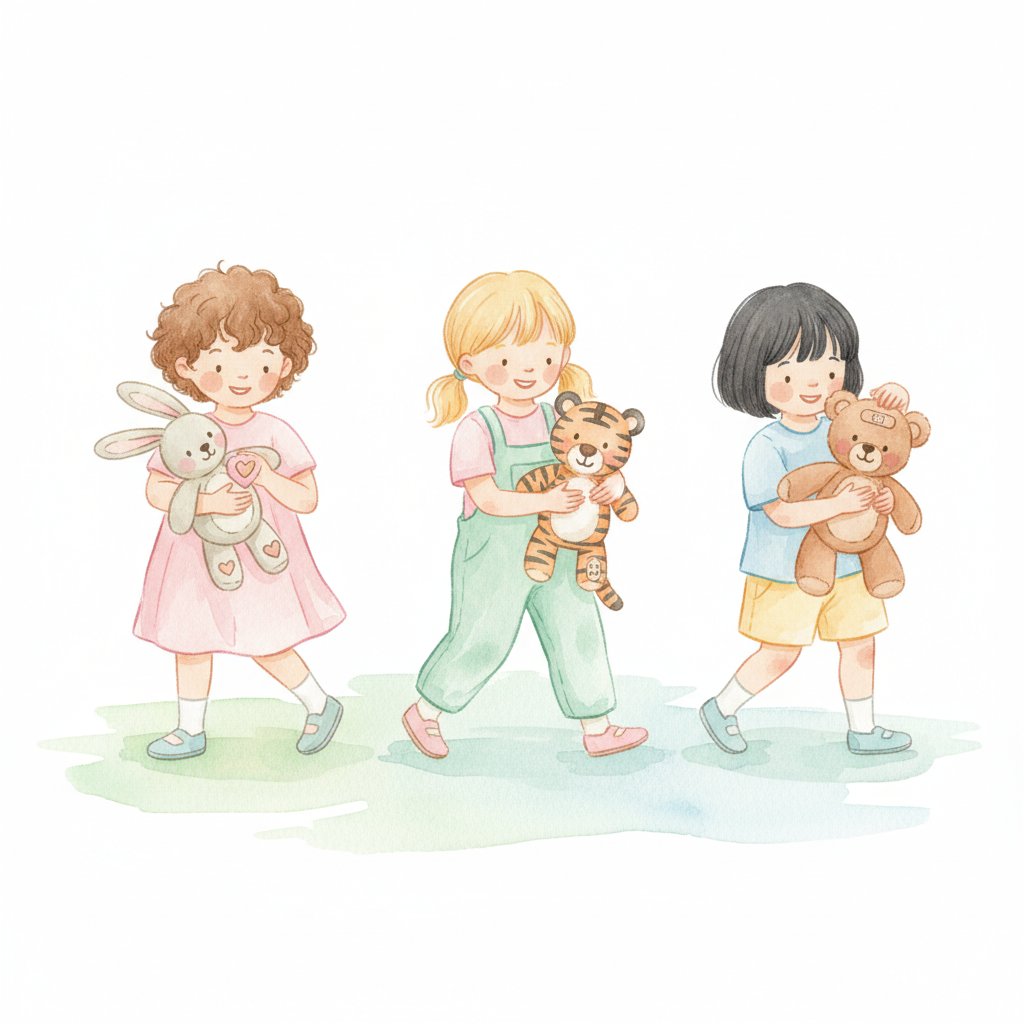
What to do: "The stuffed animals are LOST! Your mission: find them and bring them to SAFETY. Every rescued animal gets a bandage (sticker) and a hug." The rescue mission teaches caring and responsibility. For more caring, see our pets guide.

9. Problem-solving hero
Materials: Problem cards.

What to do: "A hero SOLVES problems. Card 1: Someone is crying. What do you do? Card 2: Two friends are fighting over a toy. What do you do? Card 3: Someone dropped their lunch. What do you do?" The problem-solving teaches social problem-solving through hero framing. For more problem-solving, see our problem-solving guide.

10. Earth hero
Materials: Recycling bin, trash grabber, garden.

What to do: "Earth heroes protect the PLANET. Pick up trash. Sort recycling. Water the plants. Every action that helps the Earth is a HERO action." The earth hero teaches environmental responsibility. For more earth care, see our recycling guide.

A hero's morning routine
Our Morning Routine Visual Schedule Cards become a hero mission briefing: 'HEROES have a routine before missions. Step 1: Wake up and stretch your SUPER BODY. Step 2: Brush teeth — heroes need STRONG teeth for their missions. Step 3: Get dressed — put on your UNIFORM (regular clothes today). Step 4: Eat breakfast — heroes need FUEL. Step 5: Check your mission board — what will you help with today?' The routine cards transform ordinary morning tasks into HERO PREPARATION. Brushing teeth is not a chore — it is hero maintenance. Getting dressed is not a struggle — it is suiting up. Seven steps, seven preparations, one hero ready for action.

Hero Training and Missions (Ages 3-6)

11. Obstacle course training
Materials: Cushions, tunnels, balance beams.

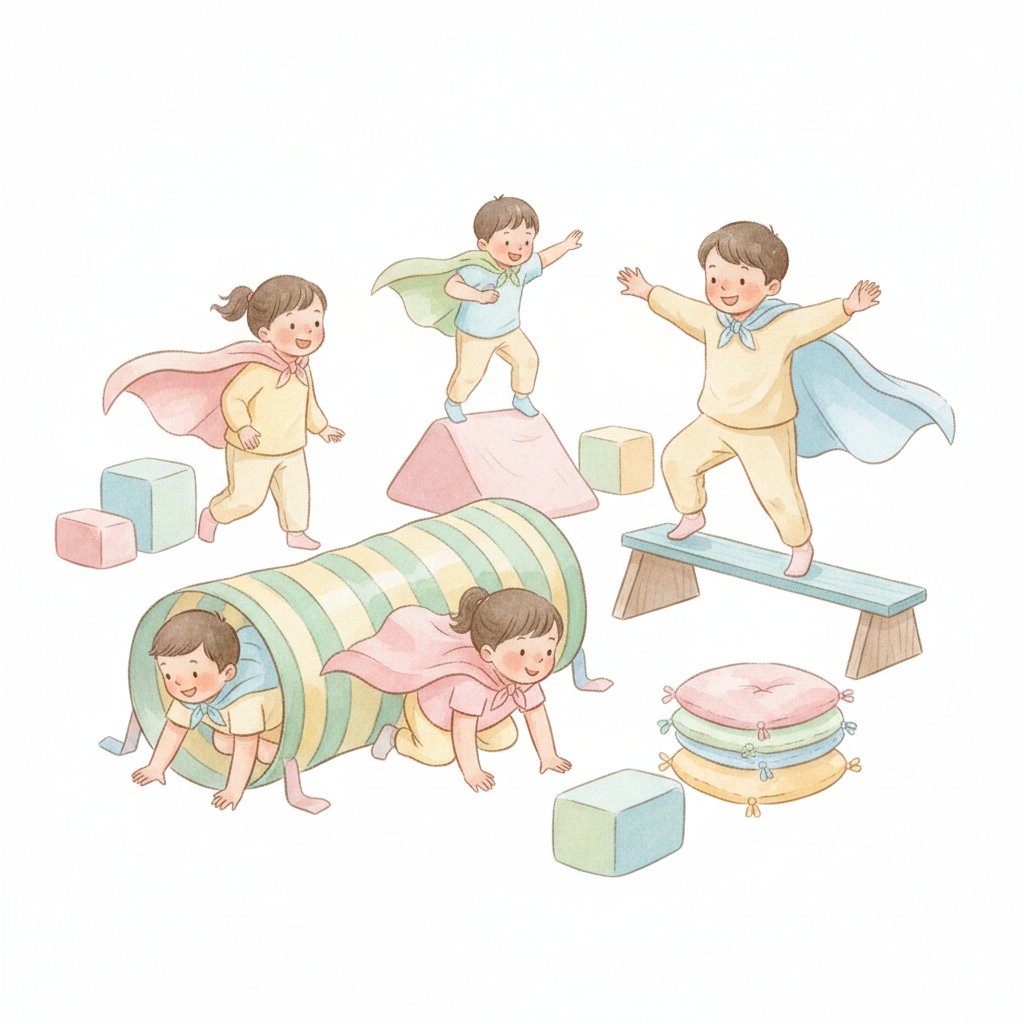
What to do: "Heroes must be STRONG and AGILE. Crawl through the tunnel! Jump over the lava (red paper)! Balance on the beam! Throw the ball at the target! Complete the course to earn your hero certificate." The obstacle course teaches physical fitness through hero play. For more movement, see our gross motor guide.

12. Team mission
Materials: Group task.

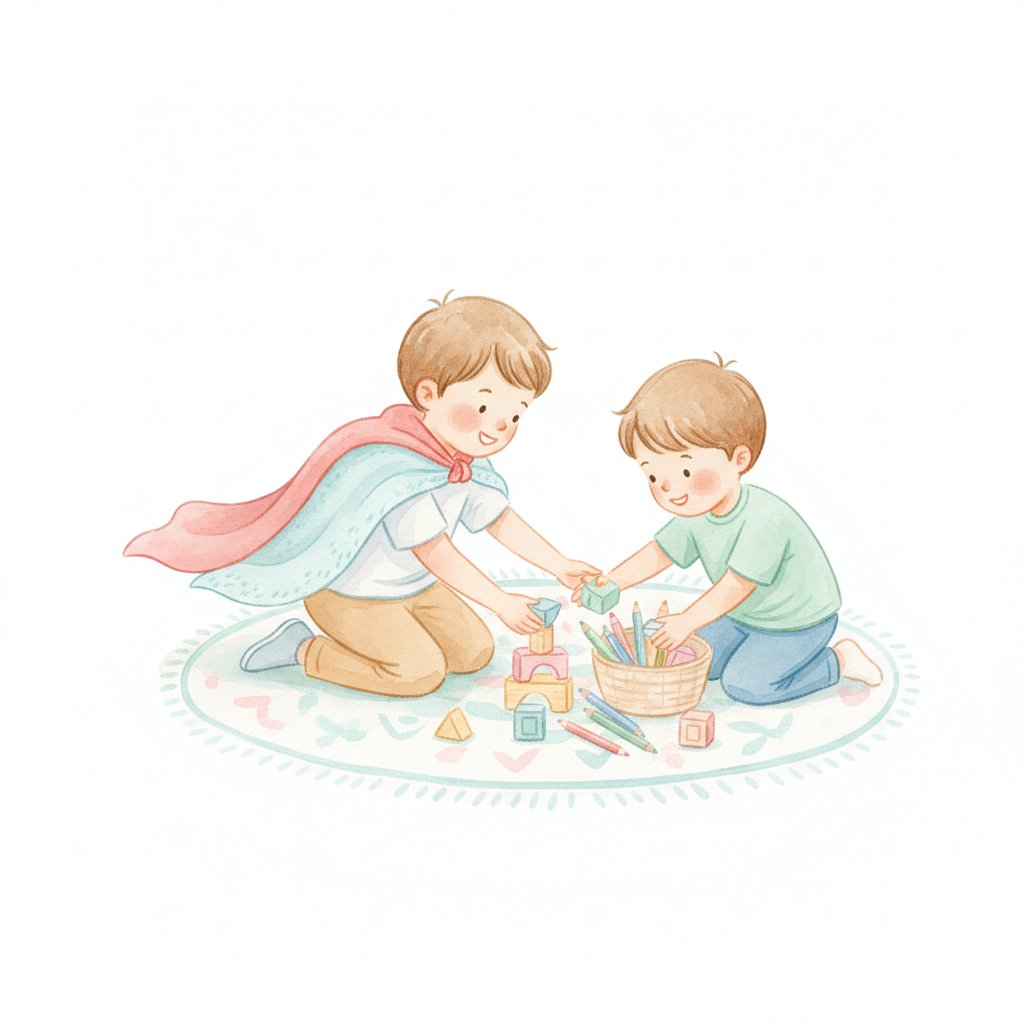
What to do: "This mission requires a TEAM. Work together to build a tower taller than your teacher's knee. Heroes HELP each other. No hero can do it alone." The team mission teaches collaboration. For more teamwork, see our social skills guide.

13. Secret identity
Materials: None.

What to do: "Every hero has a SECRET IDENTITY. During regular time, you are [name]. But when someone needs help, you become [hero name]! The secret is: you do not need a cape to be a hero. You just need to HELP." The secret identity teaches that heroism is a choice, not a costume. For more identity, see our all about me guide.

14. Hero story
Materials: Paper, crayons.

What to do: "Write or draw a story about your hero. What is their origin story? How did they discover their power? What is their greatest challenge? How do they overcome it?" The hero story teaches narrative structure through personal mythology. For more stories, see our storytelling guide.

15. Hero oath
Materials: None.

What to do: "Repeat the hero oath: I promise to HELP people who need me. I will be BRAVE even when I am scared. I will be KIND even when it is hard. I will use my POWER for good." The hero oath teaches commitment and values. For more values, see our manners guide.

More Hero Activities (Ages 3-6)

16. Hero dance party
Materials: Music.

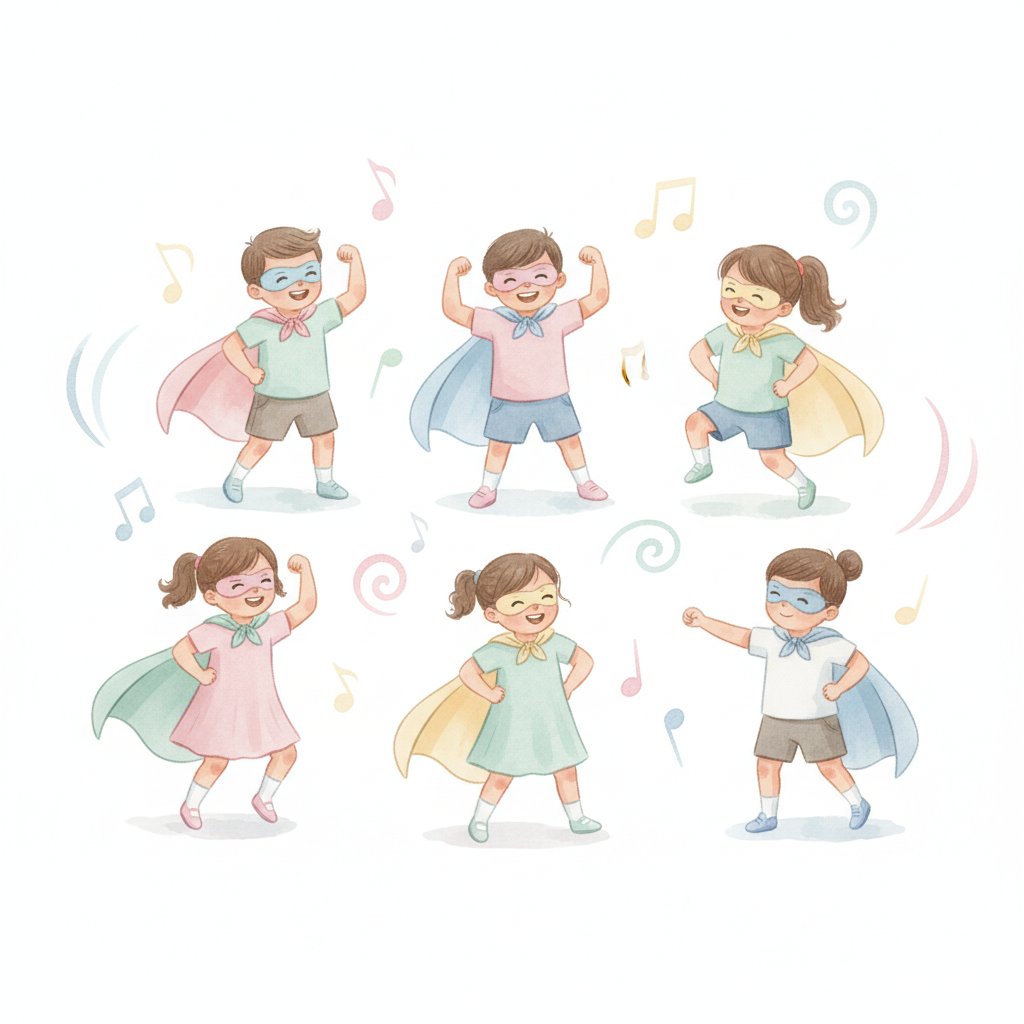
What to do: "Put on your capes and dance like heroes! Freeze when the music stops and hold your most POWERFUL pose!" The hero dance teaches creative movement. For more movement, see our dance guide.

17. Hero measurement
Materials: Measuring tape.

What to do: "How TALL is a hero? Let us measure! Stand against the wall. You are 40 inches tall! Can you REACH 42 inches on your tiptoes? How high can you JUMP?" The hero measurement teaches height and comparison. For more measurement, see our measurement guide.

18. Villain-free conflict
Materials: Puppets or dolls.

What to do: "In stories, heroes fight villains. In REAL LIFE, heroes solve problems with WORDS. Act it out: two puppets want the same toy. The hero puppet says: 'We can SHARE. I will use it first, then you can.'" The conflict resolution teaches peaceful problem-solving. For more conflict skills, see our social skills guide.

19. Hero portrait gallery
Materials: Paper, markers.

What to do: "Draw a portrait of a real hero: a firefighter, a doctor, a teacher, a parent, a friend who helped you. Write their name and what makes them a hero." The portrait gallery teaches gratitude and recognition. For more portraits, see our museum guide.

20. Graduation ceremony
Materials: Certificates.

What to do: "You completed hero training! Here is your certificate. You proved that a real hero is someone who HELPS, is BRAVE, and uses their POWER for good. Go forth and be a hero every day!" The graduation teaches celebration of achievement. For more celebration, see our birthday guide.

Which animal would be the best hero?
Our Safari Animals Flashcards become hero animal picks: 'Look at the LION. Brave, strong, protects the pride — a natural hero. The ELEPHANT? Gentle giant who helps baby elephants cross rivers — a rescue hero. The GIRAFFE? Tall enough to see DANGER coming from far away — a lookout hero. The ZEBRA? Lives in a herd and warns others of predators — a team hero.' Each animal card becomes a hero profile. Children pick which animal hero they want to BE and explain why: 'I want to be the ELEPHANT because I help people who are stuck!' Twelve safari animals, twelve hero profiles, twelve reasons to help others.
1.Is superhero play too violent for preschoolers?
Superhero play is only violent if adults let it become violent. The key is REDIRECTING the power fantasy: "In this classroom, heroes HELP. They do not hurt." Set clear rules: (1) No hitting, kicking, or weapons — even pretend ones. (2) Hero powers are for RESCUING and HELPING. (3) Every hero needs a MISSION that helps someone. (4) Villains are not people — they are PROBLEMS to solve. (5) The strongest power is KINDNESS. When framed this way, superhero play becomes one of the most pro-social activities in the classroom. Children learn that true strength is helping, not hurting.
2.How do I handle children who only want to fight?
Redirect firmly and creatively: "I see you have a lot of ENERGY. That is a hero's energy! But heroes use their power to HELP, not fight. Here is your mission: someone dropped these blocks. Can you rescue them and put them back?" Give the energy a PRODUCTIVE outlet. If fighting persists, pause the play: "Heroes are resting. We will resume hero training when everyone is ready to use their powers for helping." The rule is non-negotiable: heroes help, they do not hurt.
3.How do I connect hero play to real-world heroes?
Bridge the gap explicitly: "You know who else is a hero? Firefighters. They RUN TOWARD fires to save people. Doctors. They help sick people get BETTER. Teachers. They help children LEARN. Your PARENTS. They take care of you every day. Real heroes do not have capes — they have JOBS and FAMILIES and they CHOOSE to help." Invite real heroes to visit: a firefighter, a nurse, a police officer. Let children interview them. The connection between pretend hero and real hero makes both more meaningful.
4.What if girls are not interested in superhero play?
Some girls love superhero play immediately. Others need to see that heroes are not just about muscles and fighting. Emphasize: heroes are BRAVE, KIND, HELPFUL, SMART, and CREATIVE. Those are not gendered traits. Offer hero identities that appeal to all children: the HEALING hero (helps injured animals), the INVENTOR hero (builds things that solve problems), the NATURE hero (protects the environment), the ARTIST hero (creates beauty that makes people happy). Every child has a power. The activity is about finding it, not fitting a stereotype.