Articles7 min read

The Five Minutes That Make or Break Your Day

I once timed the transitions in a preschool classroom: moving from free play to circle time took 8 minutes of cajoling, negotiating, and redirecting. Moving from circle time to snack took 6 minutes. Moving from snack to outdoor play took 7 minutes. That's 21 minutes of transition chaos — out of a 3-hour program. Seven hours per week. Three hundred and sixty hours per year spent on transitions that could take 2 minutes each with the right tools.

Transitions — the spaces between activities — are the most chaotic, stressful parts of the preschool day. They're also the most teachable. A well-run transition teaches self-regulation, listening, following directions, and community. A poorly run transition teaches that adults are stressed, rules are optional, and waiting is agonizing.
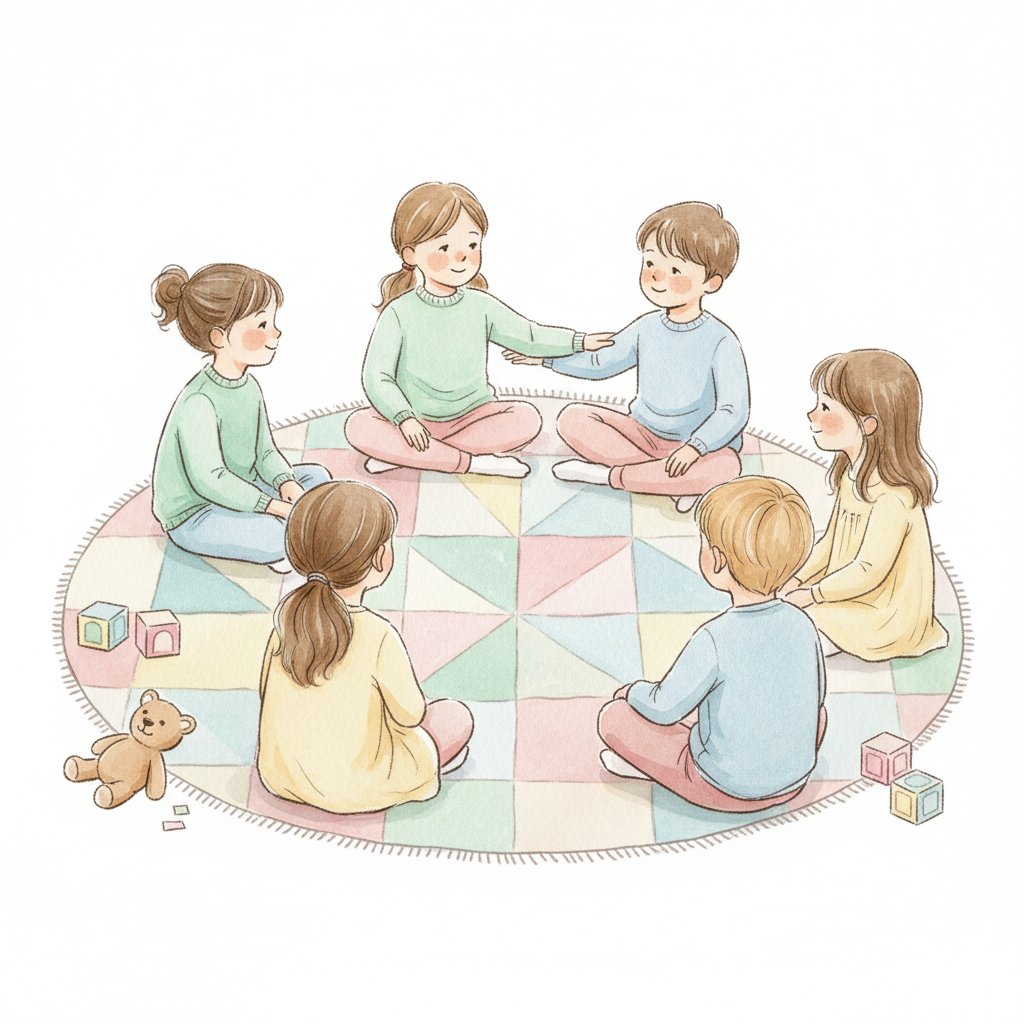
According to research from the Head Start Early Childhood Learning and Knowledge Center, effective transition strategies reduce challenging behavior by up to 60% and increase instructional time by 15-20 minutes per day. This guide covers 20+ transition activities organized by transition type: attention-getters, movement transitions, clean-up strategies, and waiting games.

Pair it with our circle time guide for whole-group management and our clean-up activities for tidy-up routines.
Why Transitions Are Hard (And How to Make Them Easier)

Why children struggle with transitions:

  1. Executive function is still developing — shifting attention from one task to another requires cognitive flexibility that is immature in 3-5 year olds
  2. Uncertainty causes anxiety — "What's happening next? Will I like it?" The unknown is scary
  3. Loss of autonomy — children were choosing their activity; now an adult is choosing for them
  4. No clear endpoint — "Stop playing" is vague. "When the song ends, we're done" is clear
  5. Sensory overwhelm — moving from quiet to loud, or calm to active, is dysregulating

The transition formula that works:

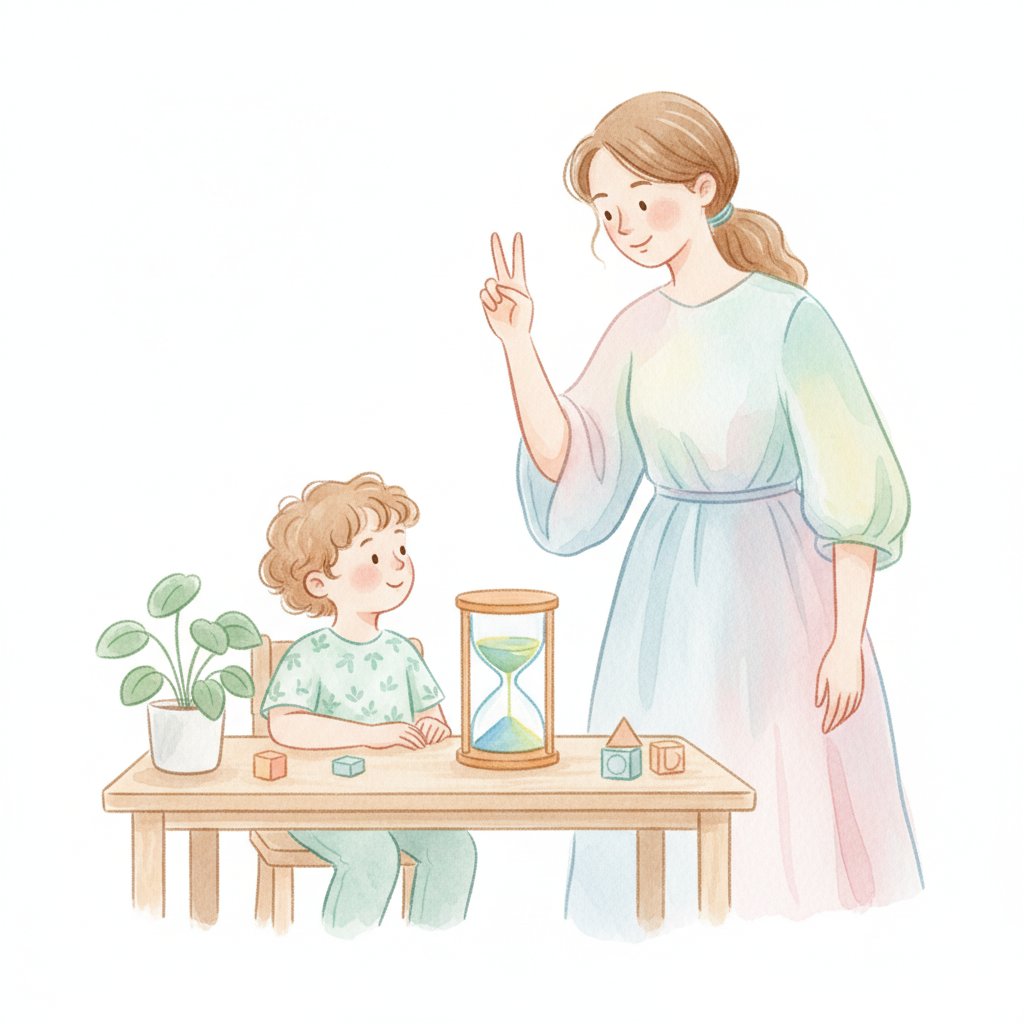
  1. Warning (2 minutes before): "In 2 minutes, it's time to clean up"
  2. Signal (the change moment): A consistent sound, song, or phrase
  3. Structure (the movement itself): A game, song, or routine that organizes the change

  4. Destination clarity (where we're going and why): "We're cleaning up so we can go outside"
Transition PhaseTimeWhat Children Need
WarningT-2 minPredictability — the change isn't a surprise
SignalT-0Clarity — this is the moment
StructureT+1-3 minEngagement — something to DO, not just wait
ArrivalT+3-5 minPurpose — we're HERE, here's why

Key principle: The best transitions feel like activities, not interruptions. When the transition IS the fun part, children move willingly.

Visual schedules: the transition tool that runs the day
Our Morning Routine Visual Schedule Cards show children exactly what comes next: 'First circle time, then snack, then outdoor play.' When children can SEE the day's sequence, transitions stop being surprises. They become predictable steps on a visible path. Post the schedule at child height. Point to it before every transition. 'We're here. Next is here.' Predictability reduces anxiety. Anxiety-free children transition faster.

Attention Getters (Ages 3-6)

1. Call and response
What to do: Teacher calls a phrase, children respond with the matching phrase and freeze.
  • Teacher: "One, two, three" → Children: "Eyes on me!"
  • Teacher: "Hocus pocus" → Children: "Everybody focus!"
  • Teacher: "Ready to rock?" → Children: "Ready to roll!"
  • Teacher: "Macaroni and cheese" → Children: "Everybody freeze!"

Why it works: Call and response is participatory — children aren't just told to listen, they actively respond. The response IS the attention. For more group activities, see our circle time guide.

2. Instrument signals
Materials: Chime, triangle, rhythm sticks, or drum.

What to do: Each instrument has a meaning: chime=freeze and listen, triangle=line up at the door, drum=move to the rug. Children learn the code and respond without verbal instructions.

3. Clap patterns
What to do: Teacher claps a rhythm. Children echo it. Start simple: clap-clap-clap. Children echo: clap-clap-clap. The act of echoing requires listening and attention.

4. Lights off, voices off
What to do: Briefly flick the lights off and on. This is the signal for silence. Children freeze and wait for instructions. Use sparingly — novelty is the power.

5. "If you can hear my voice, touch your nose"
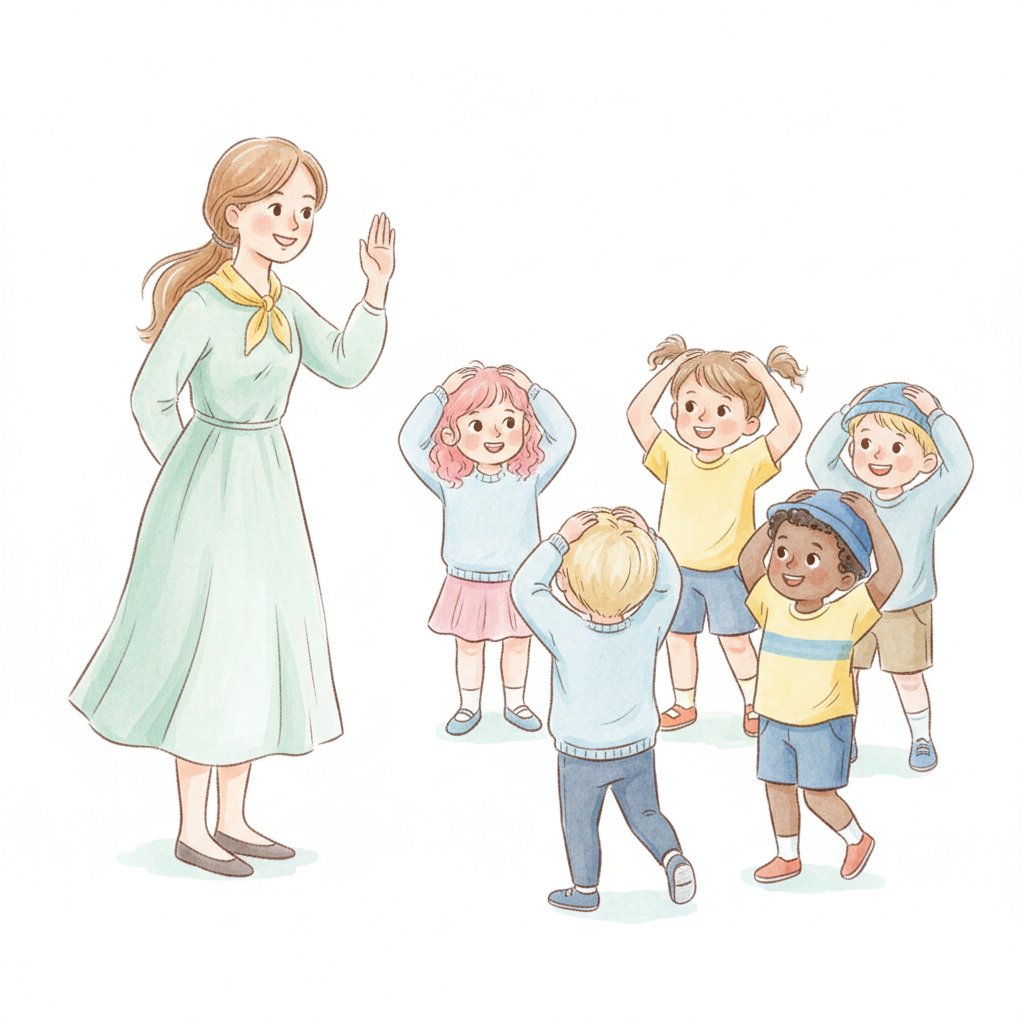
What to do: Speak in a normal (or slightly hushed) voice: "If you can hear my voice, touch your nose." The children nearest you comply. "If you can hear my voice, touch your shoulders." More children join. By the third instruction, everyone is listening and following.

Movement Transitions (Ages 3-6)

6. Animal walk to the next activity
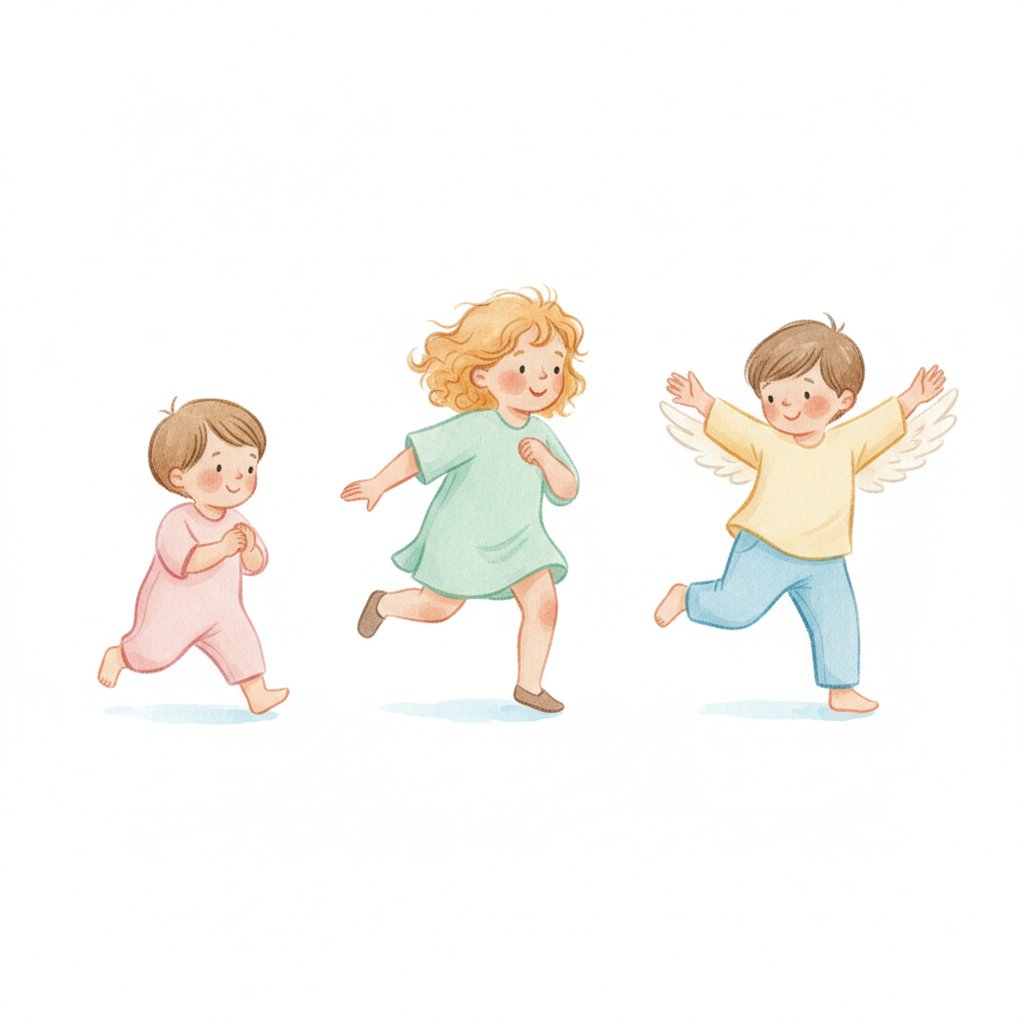
What to do: "Let's tiptoe like mice to the rug!" Or "Gallop like horses to the door!" Or "Fly like birds to the tables!" The movement makes the transition active and fun.

Why it works: Giving children a SPECIFIC way to move channels their energy. "Walk" is too open-ended (children run, skip, push). "Tiptoe like a mouse" is specific and engaging. For more movement ideas, see our gross motor guide.

7. Bubble in the mouth
What to do: "Put a bubble in your mouth — puff out your cheeks and keep your lips closed! Walk to the rug with your bubble." Children walk silently with puffed cheeks. When they arrive, they "pop" the bubble.

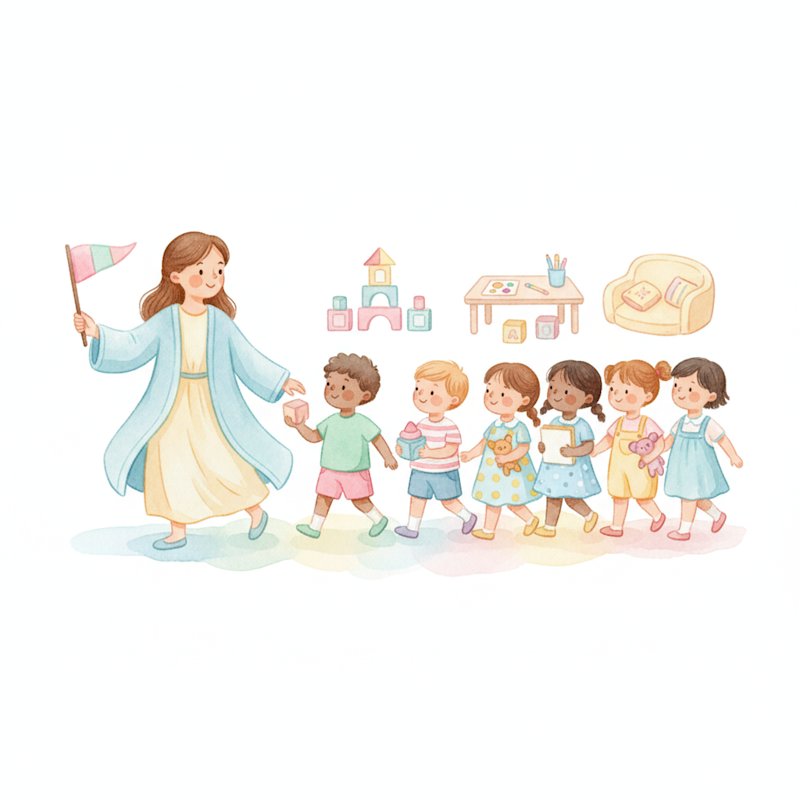
8. Train transition
What to do: Children line up holding onto a "train rope" (a long rope with knots). "All aboard the rug train! Chugga chugga choo choo!" The rope keeps the group together and the train theme makes the walk playful.

9. Balance beam path
Materials: Tape on the floor.

What to do: Put tape lines on the floor leading to the next activity area. Children walk the tape line (balance beam) to get there. The focus required for balancing prevents running and pushing.

10. Statues and sculptures
What to do: Children walk to the next area. When you say "STATUE!" everyone freezes in a pose. "Melt..." everyone slowly relaxes and continues walking. Repeat until arrival.

Days of the week: the transition between today and tomorrow
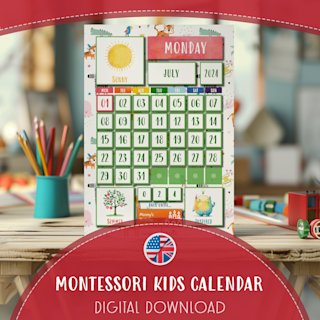
Our Days of the Week Poster is a daily transition tool: 'Today is Tuesday. Tomorrow is Wednesday. Let's change the card!' The simple act of updating the day marker is a transition ritual — a bridge between yesterday and today. Rituals give transitions structure, and structure reduces chaos. Seven days, seven daily transitions.

Clean-Up Transitions (Ages 3-6)

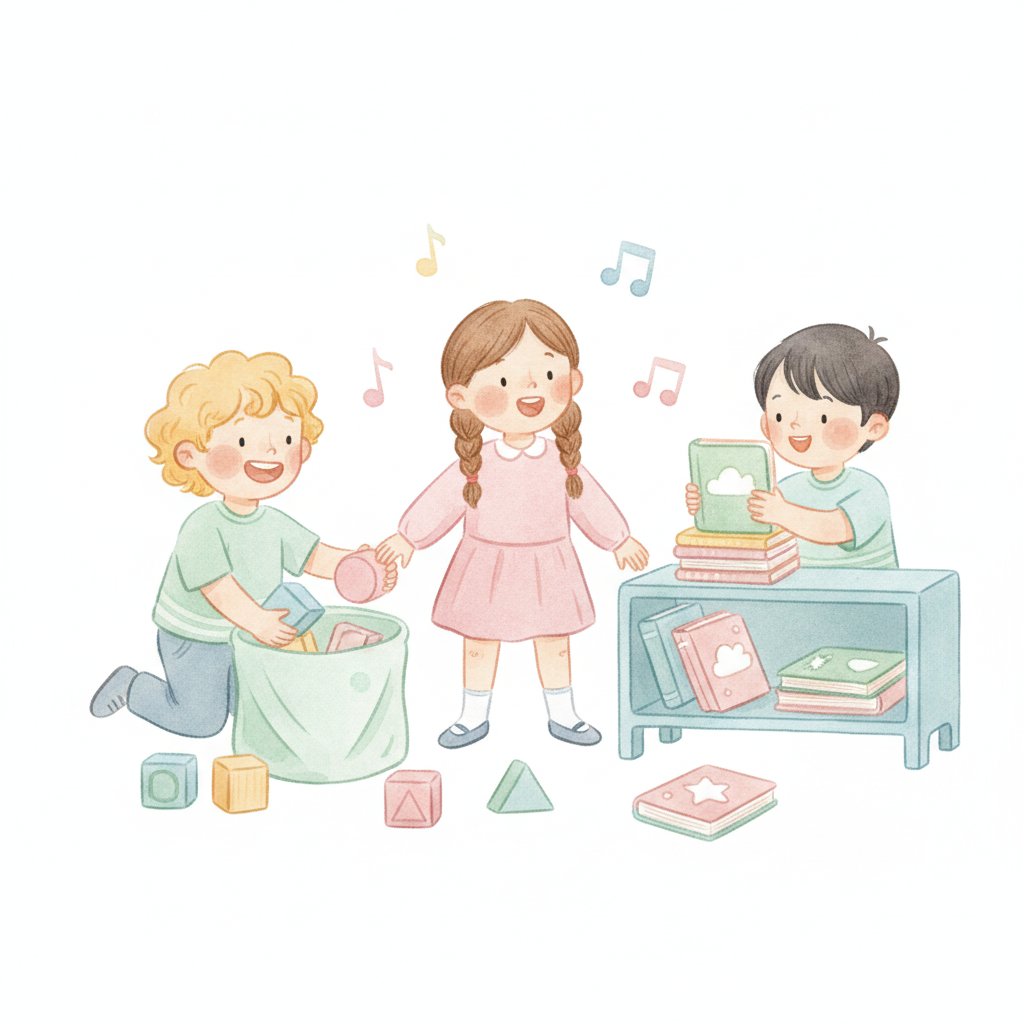
11. Clean-up song with structure
What to do: Sing a clean-up song — but with specific assignments. "While the song plays: block team puts away blocks, art team wipes tables, book team straightens the library. Ready? Sing!"

Why it works: "Clean up" is vague. "Put the blocks in the blue bin" is actionable. Specific assignments give each child a clear task, which reduces wandering and confusion.

12. Mystery item clean-up
What to do: "I'm thinking of one thing in this room that's not put away. Who can find my mystery item?" Children race to clean up, trying to guess which item you're thinking of. "Someone left a red block... is that my mystery item? No! Keep cleaning!"

13. Countdown clean-up
Materials: Visual timer.

What to do: "We have 3 minutes to clean up. The timer is running!" Children clean while watching the timer count down. The visual urgency is motivating. For more timer-based activities, see our quiet time guide.

14. Color-coded clean-up
What to do: "Clean up something RED first. Now something BLUE. Now something YELLOW." The color coding turns clean-up into a scavenger hunt with a purpose. For more color activities, see our color activities guide.

15. Inspector visit
What to do: After clean-up, the "Inspector" (a puppet or stuffed animal) visits each area. "Inspector Bear is checking the block area. Hmm, is that a block under the table? Let's fix that before he writes his report!" The puppet makes it playful, not critical.

Waiting Games (When Children Are Between Activities)

16. I Spy
What to do: "I spy with my little eye something... GREEN." Children look around the room and guess. No materials needed, works anywhere, fills any amount of time.

Why it works: I Spy requires visual scanning, listening, and deductive reasoning — all while children are standing in line or waiting for the next activity. Dead time becomes thinking time.

17. Simon Says
What to do: "Simon says touch your head. Simon says hop on one foot. Touch your toes!" (Gotcha — Simon didn't say!) The game requires careful listening and following directions.

18. Invisible pictures
What to do: "Draw a circle in the air. Now add two eyes. A nose. A mouth. What did you draw?" Children draw on an imaginary whiteboard with their finger. "Now draw something and I'll guess what it is."

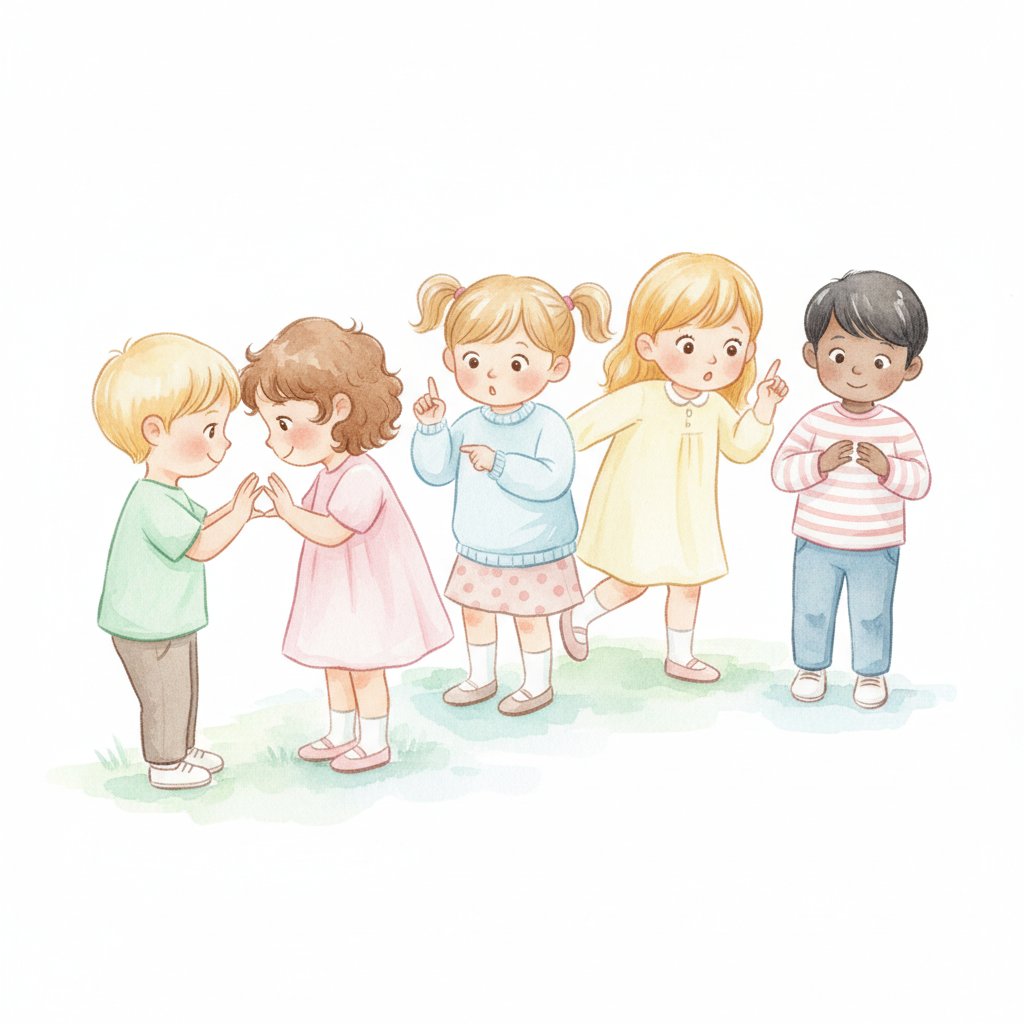
19. Fingerplays and hand rhymes
What to do: Teach 3-4 fingerplays that children can do anytime: "Open, shut them," "Where is Thumbkin?," "Five little monkeys." These require no materials and fill 1-3 minutes of waiting time productively. For more fingerplays, see our nursery rhyme guide.

20. Counting everything
What to do: "How many tiles are on the floor between here and the door? Let's count!" "How many children are wearing blue? Count!" "How many steps to the bathroom? Count!" Waiting + counting=math practice.

Transitions bring up feelings — name them
Our Emotions Monster Feelings Flashcards help children name what transitions feel like: 'Leaving free play feels SAD. Going to circle time feels NERVOUS. Going outside feels EXCITED.' When children can name their transition feelings, the feelings lose power over them. Post the emotion cards near the schedule. 'Point to how you feel about what's next.' Naming tames.
1.How many transitions happen in a typical preschool day?
A typical half-day preschool program has 10-15 transitions: arrival, morning meeting, activity centers, clean-up, snack, outdoor play, bathroom, circle time, story time, dismissal. Full-day programs can have 20+. Each poorly managed transition costs 3-5 minutes of instructional time. That's 30-75 minutes per day potentially lost to chaos. Structured transitions recover most of that time.
2.What's the best way to give a transition warning?
Give a specific, concrete warning 2-3 minutes before the transition. "In 2 minutes, we're cleaning up to go to snack." Then repeat at 1 minute. Use a visual timer children can see counting down. The combination of verbal warning + visual timer gives children two channels of predictability. Avoid vague warnings like "soon" or "in a minute" — these mean nothing to a 4-year-old.
3.Some children resist every transition. What can I do?
Resistance often comes from unpredictability or difficulty shifting attention. Try: (1) Give earlier warnings, (2) Offer a transition object: "Carry this block to the rug and put it in the basket," (3) Give a specific job: "You're the line leader today," (4) Validate the feeling: "It's hard to stop playing. You were really enjoying that. We'll come back to it later." The combination of validation + structure + role reduces resistance significantly.
4.Should I use a timer for every transition?
Timers work well for clean-up and activity changes, but not every transition needs one. Use timers for transitions where children struggle most. Use songs, games, or movement for transitions that run smoothly. Variety keeps children engaged. If every transition is "3 minutes on the timer," the timer loses its motivational power through overuse.