Welcome to the Preschool Zoo
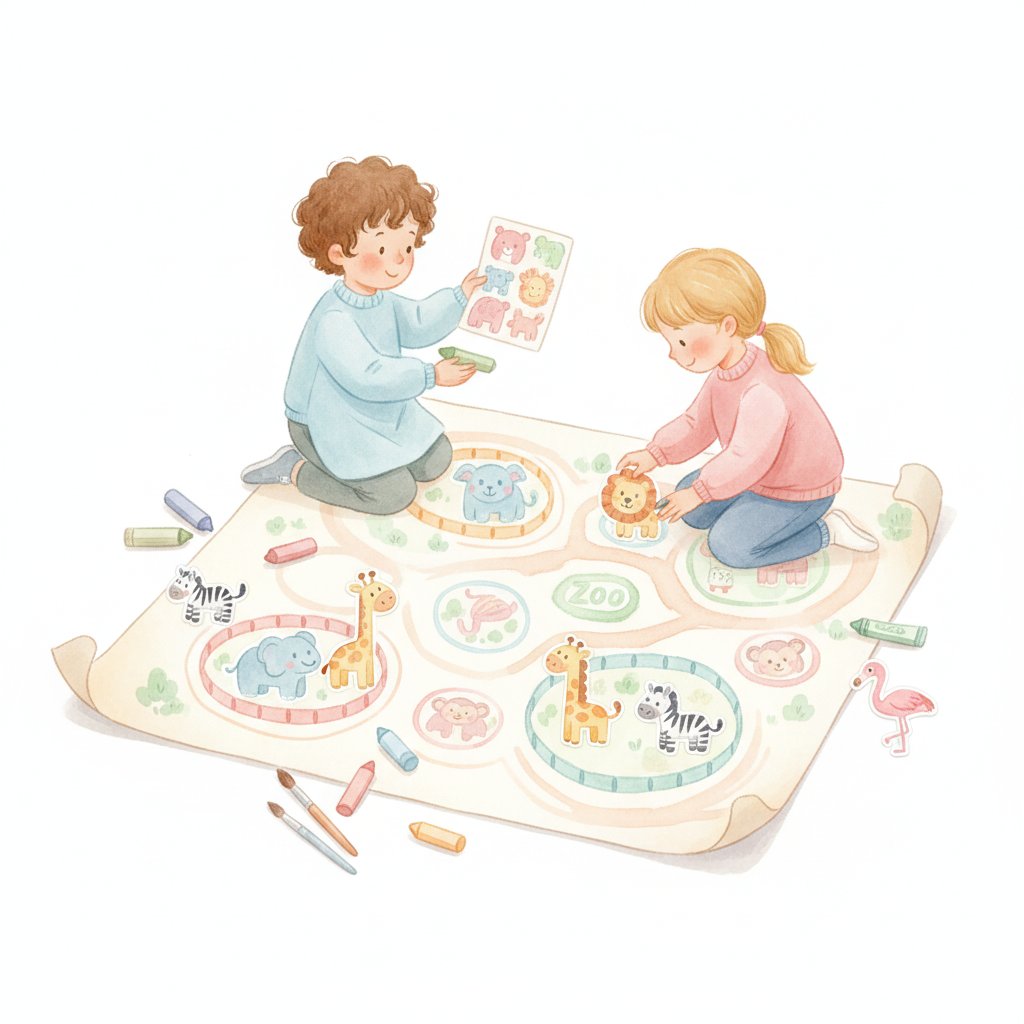
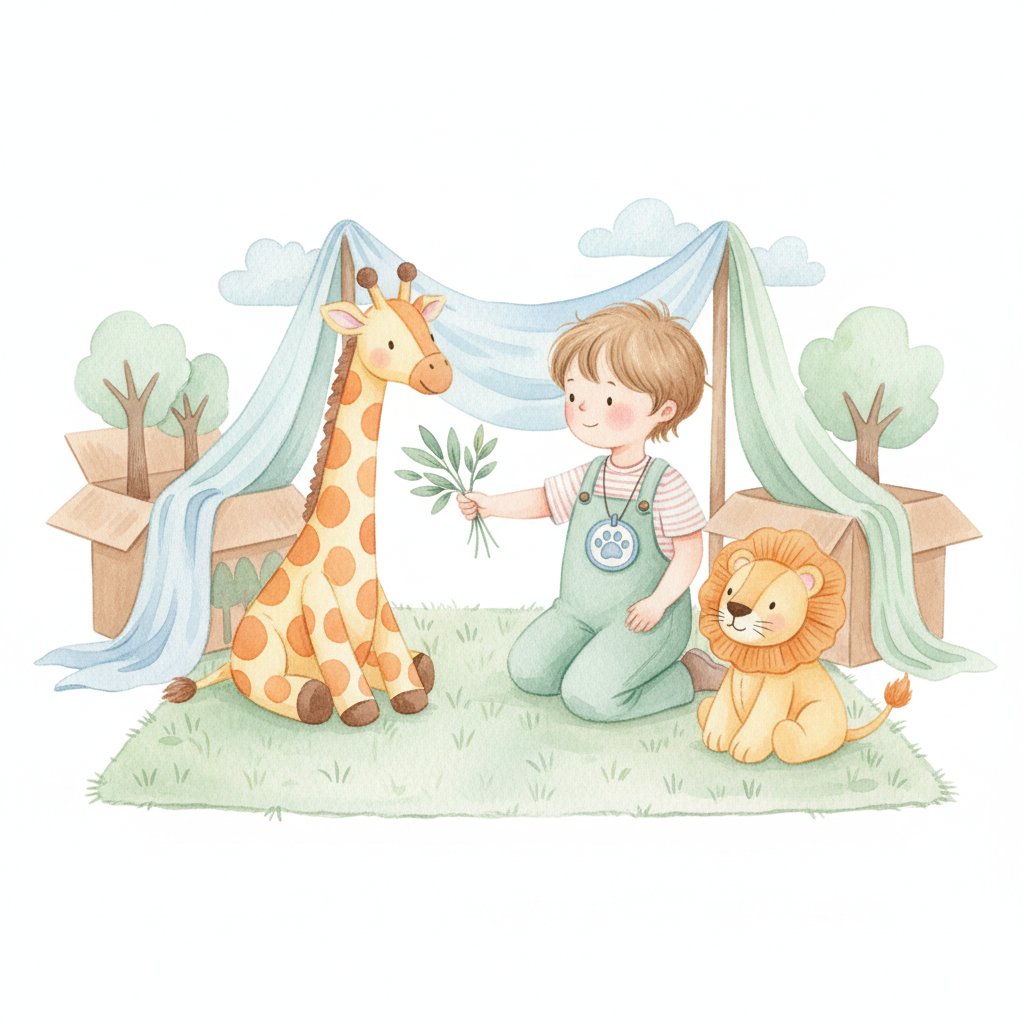
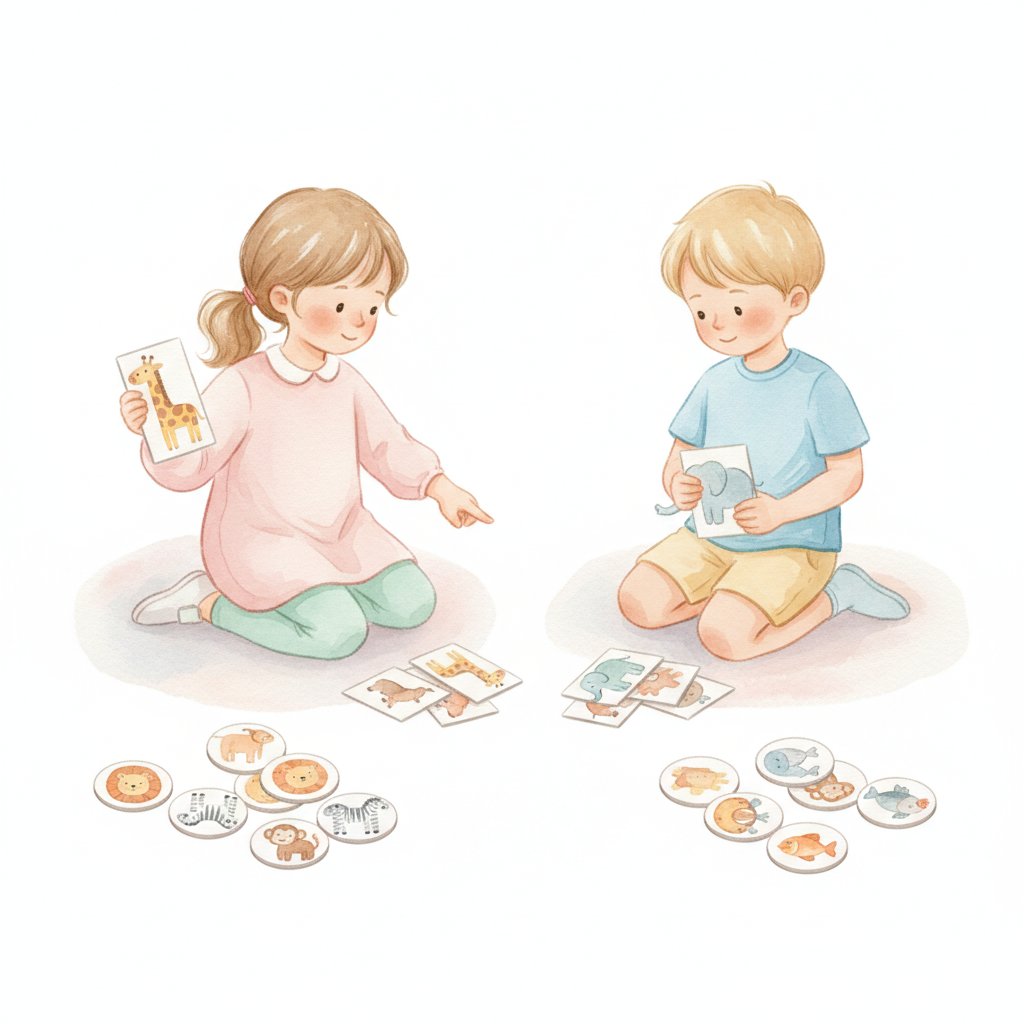
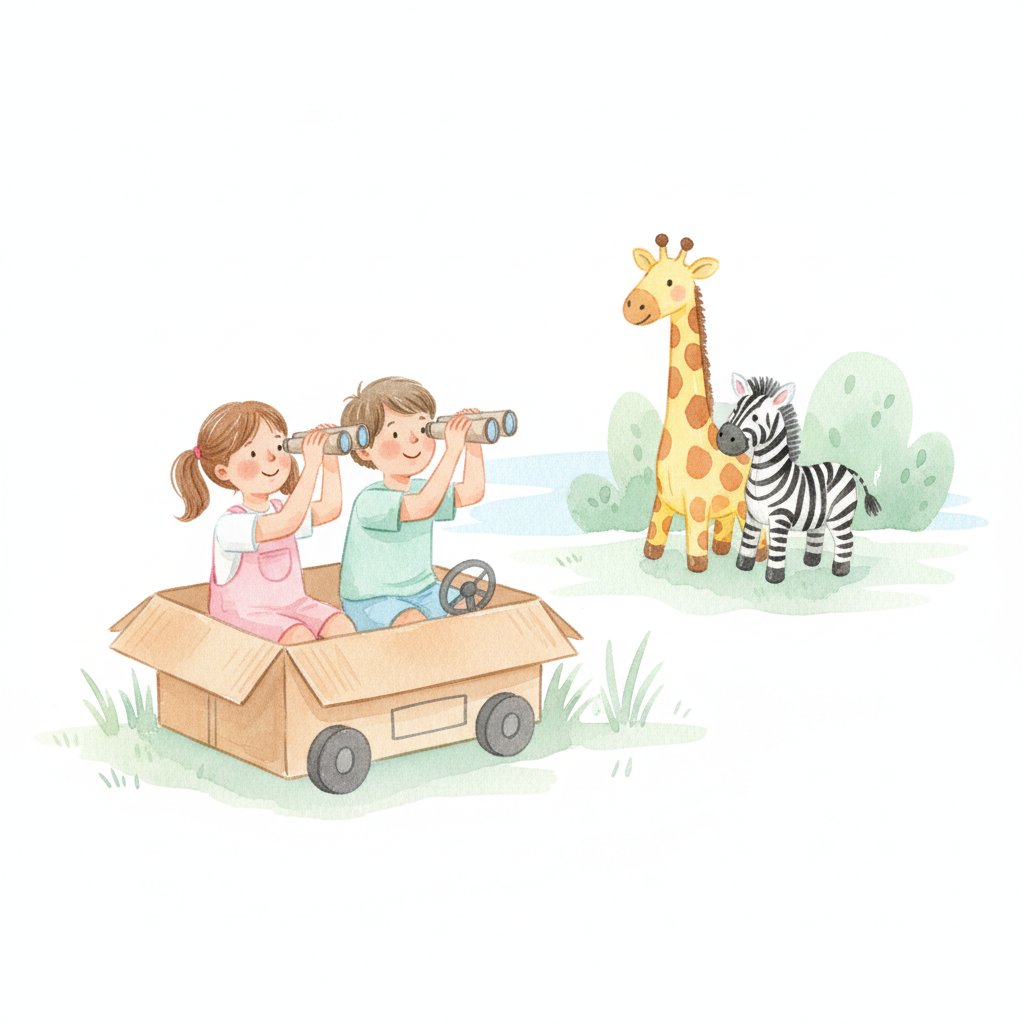
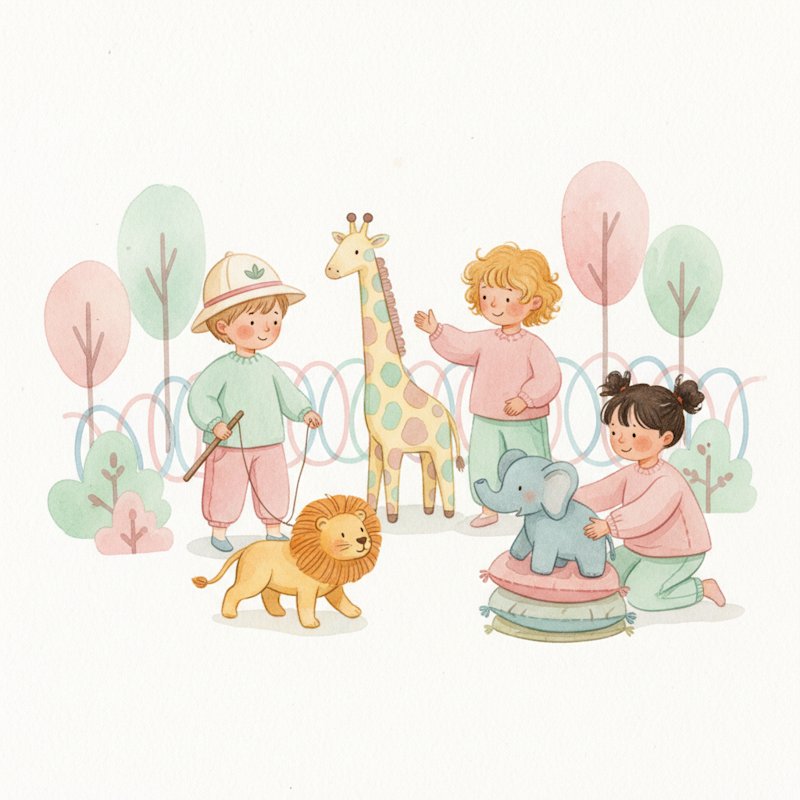
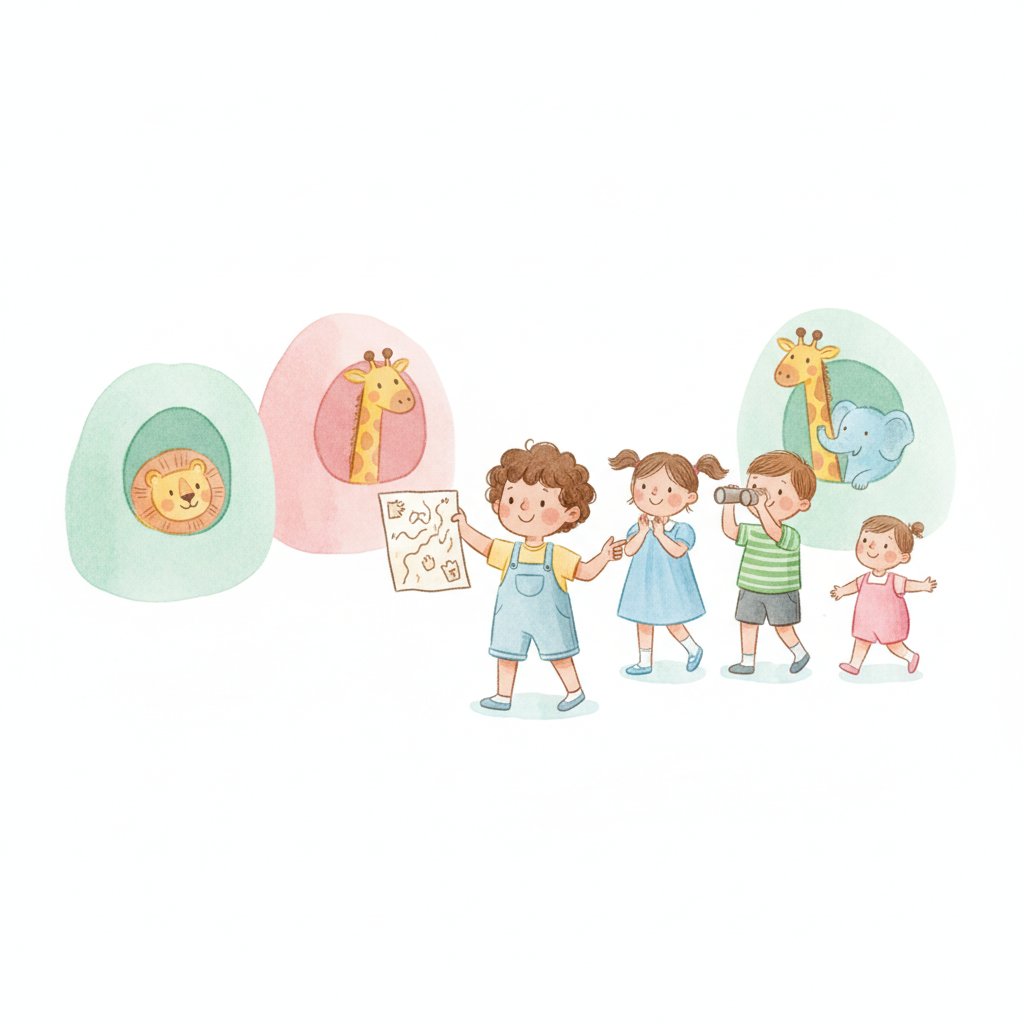
"Step right up! Welcome to the LITTLE LEARNERS ZOO!" announced five-year-old Amara, holding a hand-drawn map with animal stickers. "On your LEFT, you will see the LION exhibit. On your RIGHT, the ELEPHANTS. Straight ahead: the MONKEY house. Please stay on the PATH and do not feed the animals — they have special DIETS." She handed the map to a visiting parent and led the tour through the classroom, which had been transformed overnight. Each corner was a different habitat: the sand table was the desert (with toy camels), the water table was the ocean (with plastic fish), the block area was the savanna (with toy giraffes and lions), and the sensory bin was the rainforest (with green rice and toy frogs). Four-year-old Ethan wore a zoo keeper badge and was feeding the animals their CORRECT food: leaves for the giraffe, meat for the lion, bananas for the monkey. "Lions eat MEAT?" asked a visiting three-year-old. "YES," said Ethan. "They are CARNIVORES. That means meat-eaters." In one morning, children practiced geography (continents and habitats), biology (animal diets and classifications), math (counting animals, sorting by features), literacy (reading the zoo map, writing labels), and social skills (greeting visitors, explaining exhibits). They thought they were running a zoo.
According to the Association of Zoos and Aquariums, zoo-based learning develops species awareness, habitat understanding, empathy for living creatures, classification skills, and an early foundation for conservation thinking. Children who learn about animals through structured play show greater environmental concern later in life.
This guide covers 20+ zoo and safari activities for ages 3-6. Pair it with our ocean guide for marine animals and our farm animals guide for domestic animals.