Articles11 min read

Free Printable Coloring Pages for Kids: The Age-by-Age Guide to Learning Through Color

Not all coloring pages are created equal. Here's how to pick free printable coloring pages for kids that match your child's age, build real skills, and support the developmental milestones that matter — from toddler first scribbles to kindergarten readiness.

Why Coloring Is More Than Just Fun

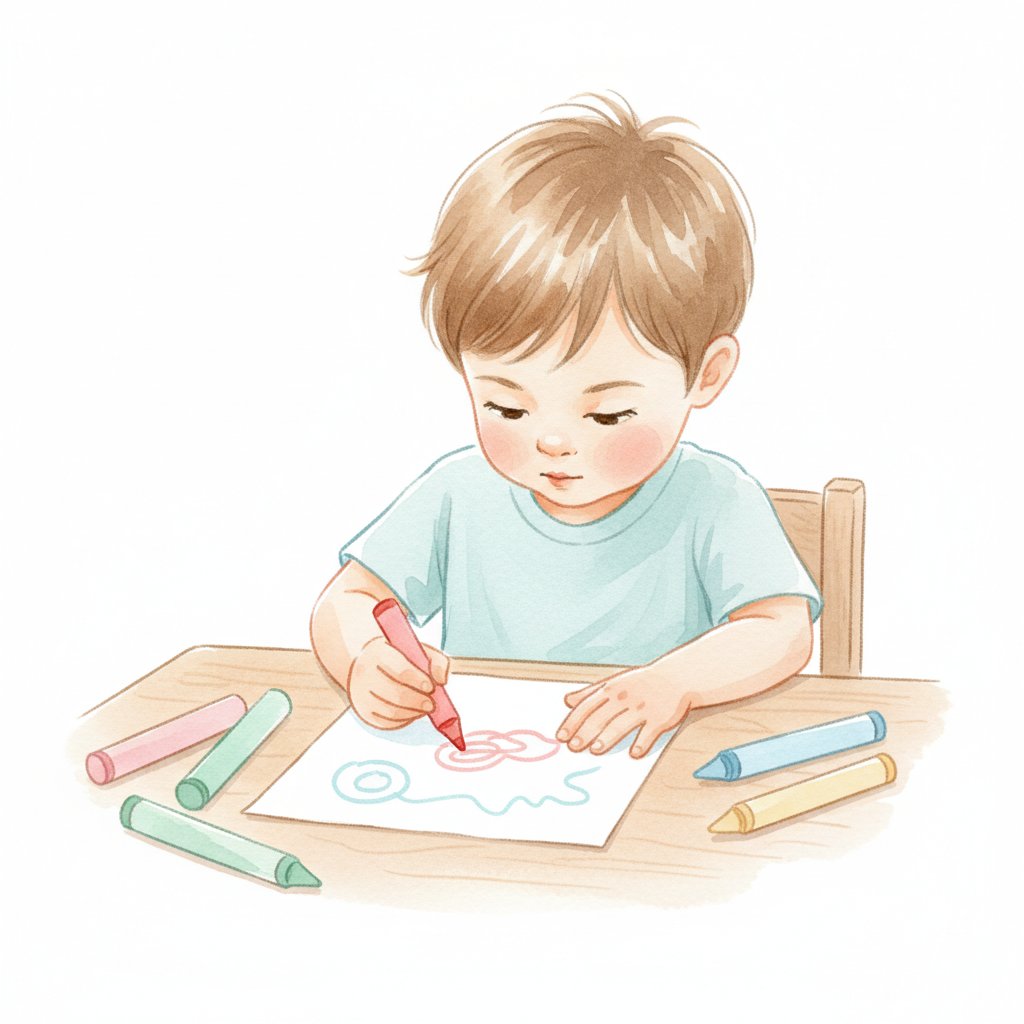
When my three-year-old first picked up a crayon, she grabbed it in her fist and scribbled across the entire page in 30 seconds flat. Six months later, she was carefully choosing colors for each section of an animal alphabet poster — and her pencil grip had quietly shifted from that fist-clench to something close to a proper tripod hold.

That progression isn't magic. It's what pediatric occupational therapists call pre-writing skill development, and coloring is one of the most accessible ways to practice it. Every time a child colors — choosing a color, aiming for a region, adjusting their grip — they're building the same fine-motor foundations they'll need for writing letters, tying shoes, and buttoning coats.

What coloring actually develops

SkillHow coloring builds itAge it matters most
Fine motor controlGrip strength, wrist rotation, finger isolation2-6
Hand-eye coordinationStaying within lines, targeting specific areas3-5
Pre-writing gripTransitioning from fist grip to tripod pencil hold3-5
Color recognitionNaming, matching, and sorting colors2-4
Focus and patienceSustained attention on a single task3-6
Executive functionPlanning which color goes where, completing a page4-6

The catch? A toddler needs very different coloring pages than a kindergartener. Hand a two-year-old an intricate mandala and they'll ignore it (or eat the crayon). Give a five-year-old a giant circle outline and they'll finish in ten seconds and ask for something harder.

That's why this guide organizes free printable coloring pages by age group — with specific learning outcomes tied to each stage. Skip to the section that matches your child, or read through for the full developmental picture.
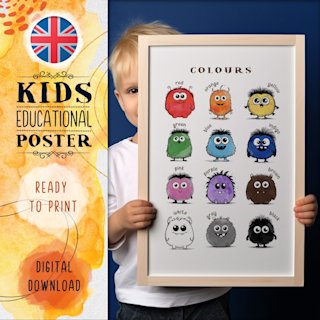
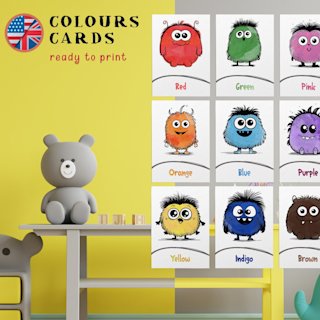
Coloring is learning — and these printables prove it
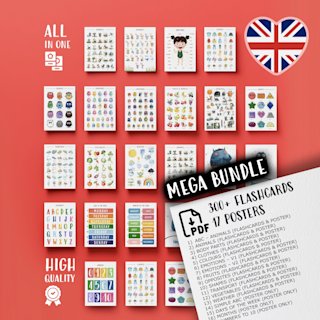
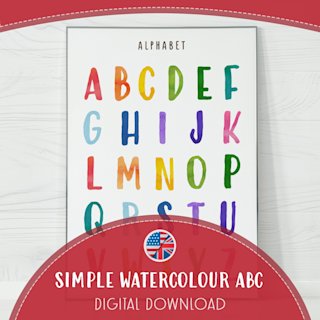
Alphabet posters, emotions charts, and animal flashcards all work as coloring activities too. Print a set, hand over the crayons, and watch your child build fine motor skills without a single worksheet.

Best Coloring Pages by Age Group

The right coloring page matches your child's fine-motor ability, attention span, and learning stage. Here's a breakdown of what works at each age — and why.

Toddler Coloring Pages (Ages 2-3)

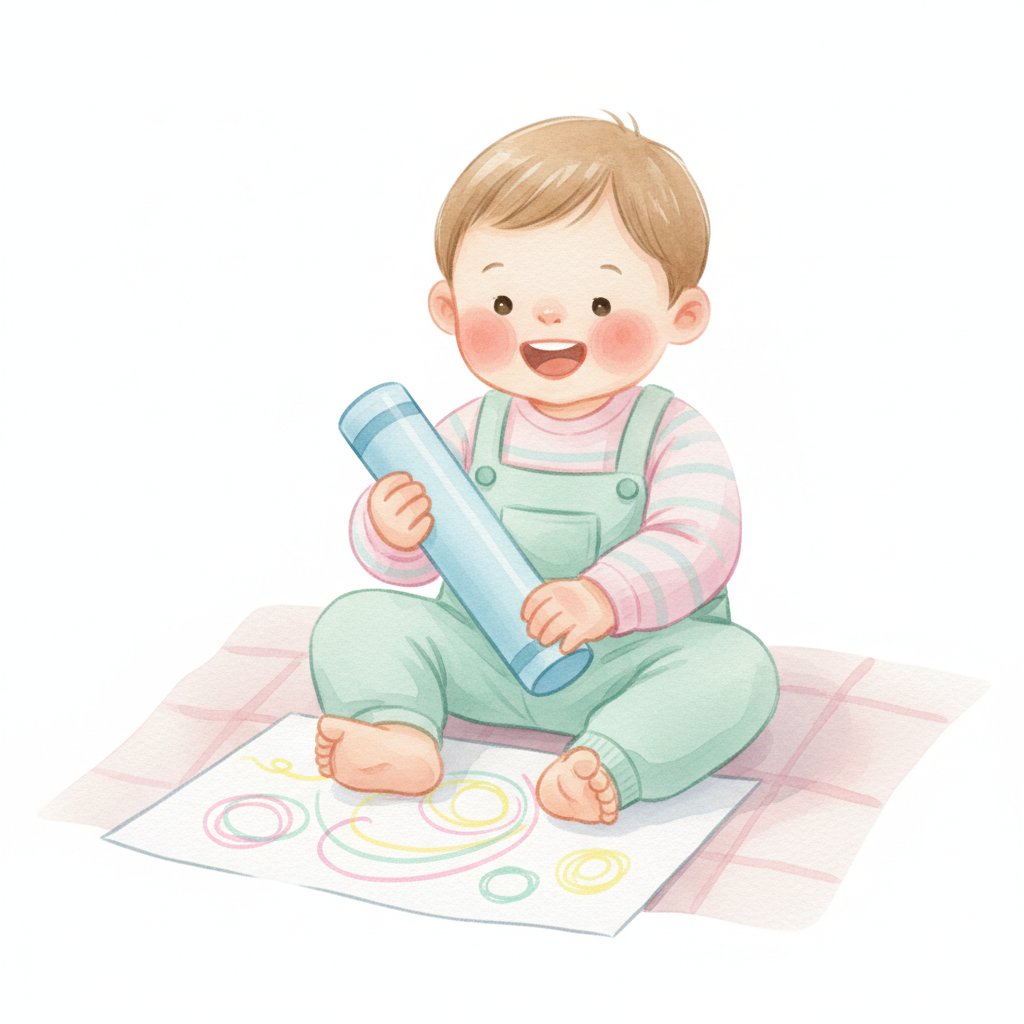
At two, your child is still developing the hand strength to hold a crayon with anything other than a full fist grip. That's completely normal — and it's exactly why thick outlines, large shapes, and simple subjects matter.

What to look for:

  • Single large objects (one big animal, one big shape)
  • Thick, dark outlines (at least 3-4pt)
  • No small details or tight spaces
  • Recognizable subjects: animals, fruit, vehicles

Best tools: Chunky crayons, washable markers, or large colored pencils. Avoid thin pencils — they require more grip control than toddlers have.

Daily routine tip: Set out one coloring page with 3-4 color choices after breakfast. Ten minutes is a win. Consistency matters more than duration.

Learning outcomes at this age:

  • Color exposure and naming ("Can you find the red crayon?")
  • Cause and effect ("When I press hard, the color gets darker!")
  • First attempts at intentional marking (not just scribbling)

Preschool Coloring Pages (Ages 3-4)

Between three and four, something shifts. Children start caring about staying inside the lines. They begin choosing colors purposefully — a blue sky, a green tree. Their grip starts moving toward the fingertips.

What to look for:

  • Multiple elements on one page (a scene, not just one object)
  • Medium-detail outlines with some smaller regions
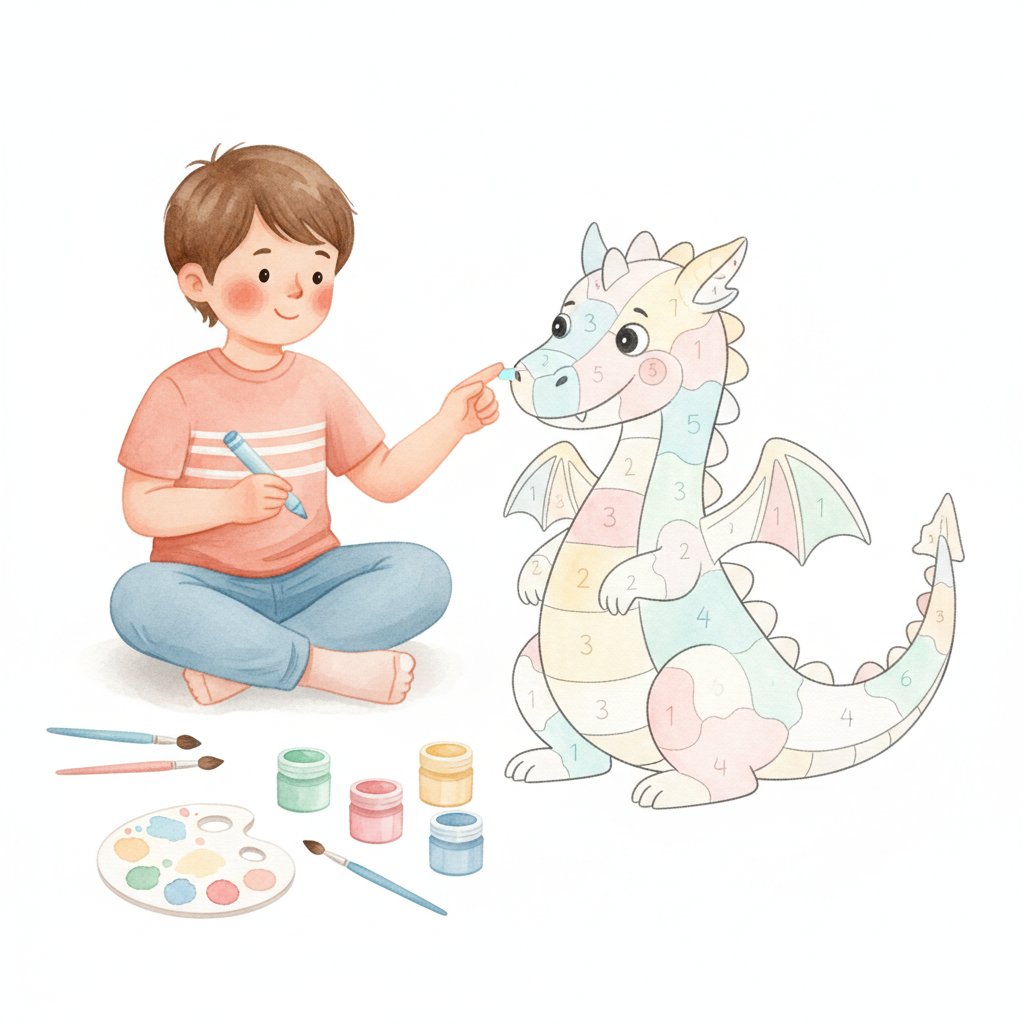
  • Color-by-number pages for number recognition
  • Alphabet letters to color (reinforces letter shapes)
  • Seasonal themes that connect to what they're experiencing

Learning outcomes at this age:

  • Number recognition through color-by-number activities
  • Letter familiarity through alphabet coloring
  • Pencil grip refinement
  • Following simple instructions ("Color the circle blue")

Kindergarten Coloring Pages (Ages 4-6)

By kindergarten, coloring becomes a genuine learning tool. Children can handle detailed scenes, follow multi-step coloring instructions, and use coloring as a way to demonstrate understanding of concepts.

What to look for:

  • Detailed scenes with multiple elements and small regions
  • Educational themes: alphabet sequences, number lines, science topics
  • Pattern and mandala-style pages for focus and patience
  • Sight word coloring (color the word "the" every time you see it)
  • Story sequencing (color three scenes in order)

Learning outcomes at this age:

  • Reading readiness through sight word coloring
  • Math concepts through number sequences and patterns
  • Science vocabulary through labelled diagrams
  • Social-emotional learning through emotions coloring
  • Sustained attention (15-20 minutes on a single page)
From alphabet to emotions — printable resources that double as coloring activities
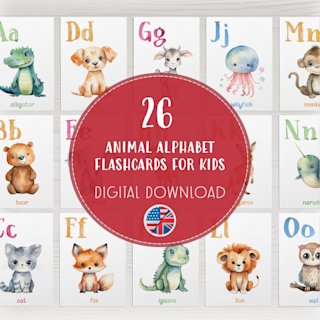
Our flashcard sets and posters work beautifully as coloring pages. Print the animal alphabet, let your child color each letter, then hang it on the wall. Learning happens twice — once when they color, once when they see it every day.

Educational Coloring Activities That Teach Real Skills

Coloring doesn't have to be a filler activity. With the right pages and a bit of structure, it becomes a genuine teaching tool. Here are five activities I've used with my own kids that combine coloring with specific learning outcomes.

1. Alphabet Color-and-Trace

Print alphabet coloring pages (one letter per page). Have your child color the letter and the accompanying picture, then trace the letter with their finger. Repeat 2-3 times per week, cycling through letters.

Skills: Letter recognition, letter formation, phonemic awareness
Best for: Ages 3-5

2. Color-by-Number Counting

Use color-by-number pages where each number corresponds to a color. Before your child colors, ask them to point to each number and say it aloud. After coloring, count how many regions they filled for each number.

Skills: Number recognition, counting, color matching
Best for: Ages 3-5

3. Pattern Coloring for Math Readiness

Print pages with repeating patterns (AB, ABB, ABC sequences). Ask your child to color following the pattern: "Red, blue, red, blue — what comes next?"

Skills: Pattern recognition, sequencing, early algebraic thinking
Best for: Ages 4-6

4. Story Sequencing

Print three simple scene outlines. Tell a short story, then ask your child to color the scenes in the order they happened. ("First the seed was planted, then it rained, then the flower grew.")

Skills: Narrative comprehension, sequencing, retelling
Best for: Ages 4-6

5. Labelled Science Diagrams

Find coloring pages that include labels (parts of a plant, life cycle of a butterfly, ocean animals). Have your child color and then read each label with you.

Skills: Science vocabulary, diagram reading, content knowledge
Best for: Ages 5-6

Free Printable Coloring Page Categories

Not sure where to start? Here are the categories that pair best with each age group and learning goal.

CategoryBest for agesLearning focusExample activities
Animals2-6Vocabulary, science, empathyFarm animals (2-3), habitats (4-6)
Alphabet & Letters3-6Letter recognition, phonicsOne letter per page, alphabet posters
Numbers & Counting3-6Number recognition, countingColor-by-number, number lines
Nature & Seasons2-6Science, observationTrees through seasons, weather
Vehicles & Transport2-5Vocabulary, categorizing"Which ones have wheels?"
People & Community3-6Social awareness, emotionsCommunity helpers, family portraits
Holidays & Celebrations2-6Cultural awareness, calendarChristmas, Diwali, Lunar New Year
Shapes & Patterns2-5Geometry, visual discriminationShape sorting, pattern completion
Emotions & Feelings3-6Emotional literacy, SELEmotion faces, "How are you feeling?"

Pro tip for parents: Rotate categories weekly. Monday might be animals, Wednesday alphabet, Friday emotions. This keeps coloring fresh and ensures your child is building skills across multiple domains.

Skip the search — print a complete learning set
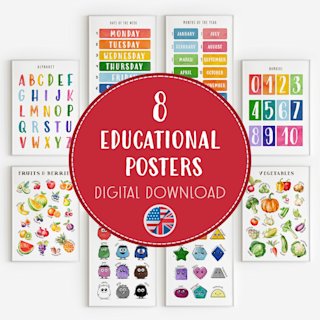
Animals, shapes, colors, emotions — our educational poster and flashcard sets give you themed coloring activities for every day of the week. Print once, use all year.

How to Set Up a Daily Coloring Routine

A coloring routine doesn't need to be elaborate. What matters is consistency — a predictable time and place where coloring happens. Here's the setup that worked in our house.

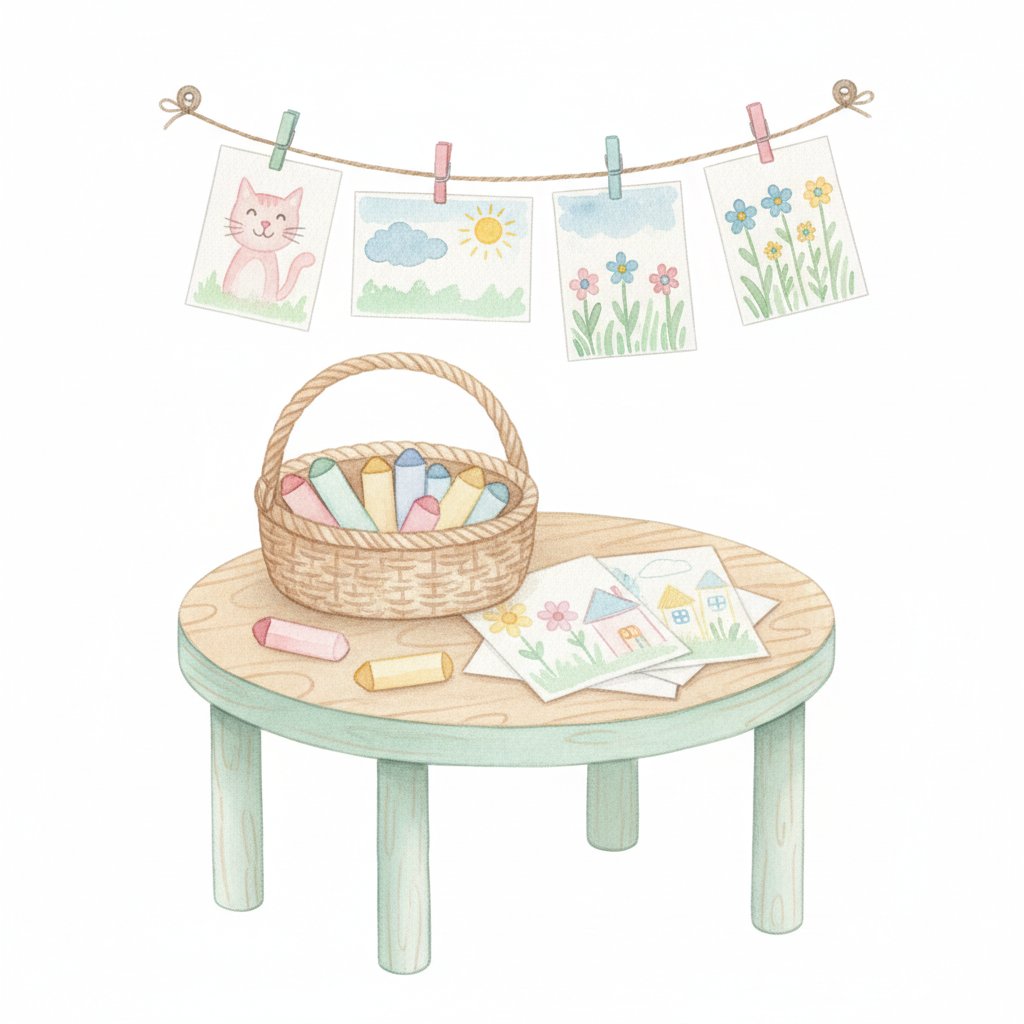
The coloring station

You don't need a dedicated art room. A small table or corner with:

  • A basket of crayons and colored pencils (sorted by color — kids love sorting them)
  • A stack of printed pages (rotate weekly)
  • A "finished art" display area (string and clips on the wall)

Suggested daily schedule

TimeActivityDuration
Morning (after breakfast)Free-choice coloring10-15 min
Mid-morningThemed educational coloring10 min
AfternoonCreative coloring (no instructions)10-15 min

Morning free choice lets your child warm up their hands and practice independence. Themed educational coloring ties into whatever you're learning that week — if it's "ocean week," color sea animals and talk about which ones have fins vs. shells. Afternoon creative time has zero rules — let them color however they want, even if the sky is green and the grass is purple.

Displaying finished art

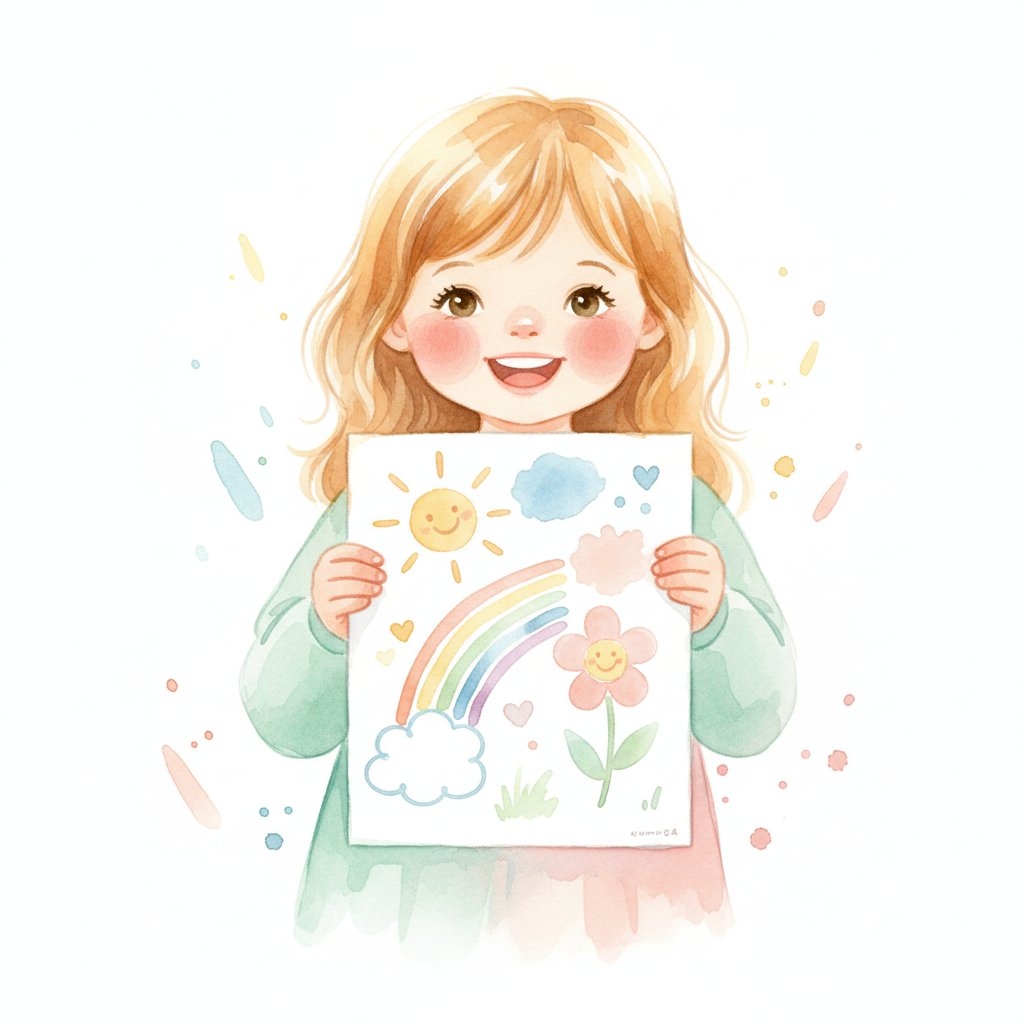
This matters more than you'd think. When children see their work displayed, it reinforces:

  • Pride in their effort (not perfection)
  • A sense of belonging ("This is my space")
  • Visual review of concepts (seeing the alphabet poster they colored reinforces letter learning)

A simple piece of string with wooden clips, rotated weekly, is all you need.

Tips for Parents: Making the Most of Coloring Time

Choose age-appropriate tools

  • Ages 2-3: Chunky crayons, washable markers. Skip colored pencils (too much grip required).
  • Ages 3-4: Standard crayons, thicker colored pencils. Introduce fine-line markers for detail work.
  • Ages 4-6: Full range — crayons, colored pencils, markers. Let them choose.

Build color vocabulary

Don't just say "color this." Name colors, compare shades, and ask questions:

  • "Should the sky be light blue or dark blue?"
  • "Is this orange more like a carrot or a sunset?"
  • "Can you find two things in the room that are the same green as this crayon?"

This turns a passive activity into active language practice.

Guide, don't dictate

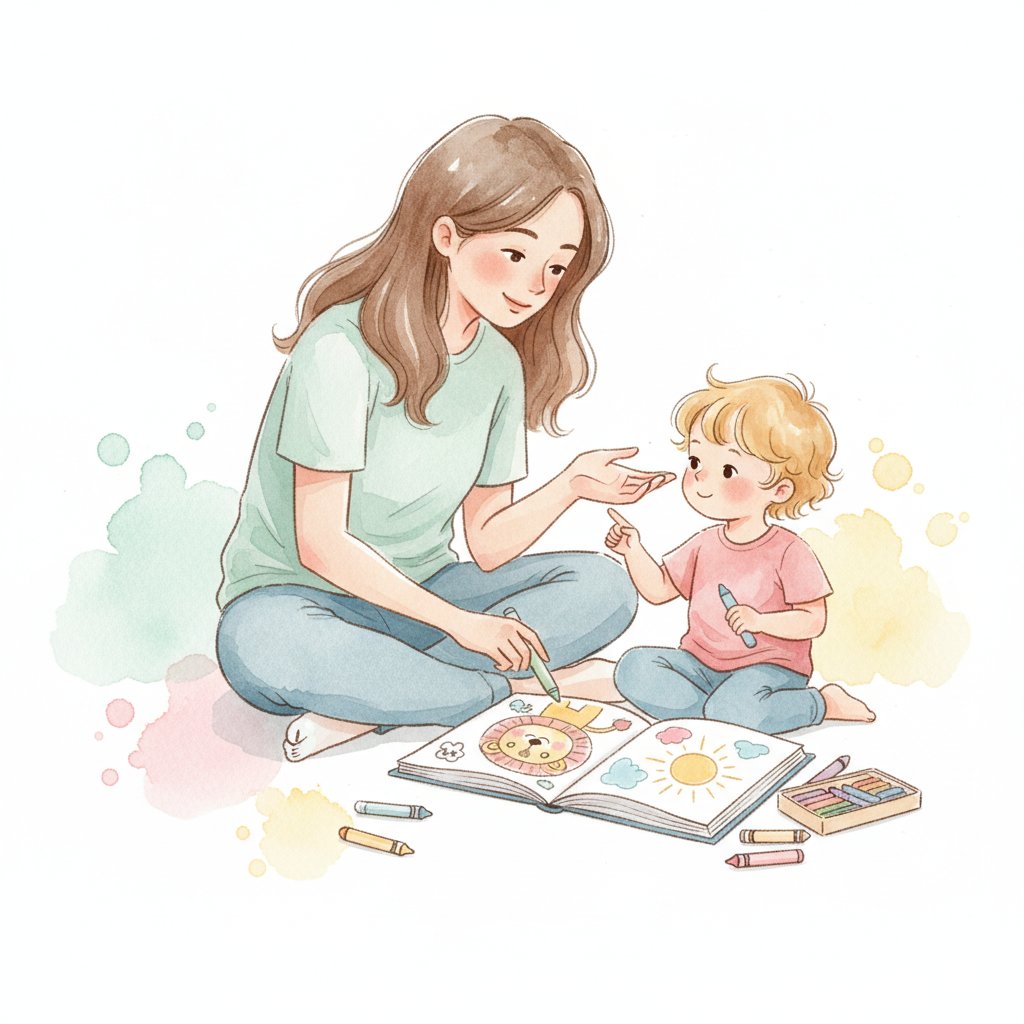
There's a balance between "stay in the lines" and "do whatever you want." For toddlers, focus on enjoyment — any mark on the page is a win. For preschoolers, gently encourage staying inside lines but don't correct every slip. For kindergarteners, set expectations: "Try your best to stay in the lines, and it's okay if it's not perfect."

Printing tips for best results

  • Paper weight: Use at least 100gsm paper if you have it. Standard printer paper (80gsm) works but markers may bleed through.
  • Printer settings: Select "best quality" for crisp outlines. If printing in black and white, ensure contrast is high.
  • Scaling: Print at 100% for standard size. For younger toddlers, scale to 120-150% for larger outlines.

When to be concerned

Most children progress through coloring stages at their own pace. However, if your child:

  • Consistently avoids coloring entirely by age 4
  • Shows no interest in holding any writing tool by age 3.5
  • Seems unable to make any intentional marks by age 3

It's worth mentioning to your pediatrician. These can be early indicators of fine-motor delays that are much easier to address when caught early.

Frequently Asked Questions

At what age can kids start coloring?

Most children show interest in crayons between 18-24 months. At this stage, they'll mostly scribble — and that's exactly what they should be doing. The goal isn't to color inside lines; it's to experience cause and effect ("I move my hand and a mark appears!") and build hand strength. Offer chunky crayons and large paper starting around 18 months.

What are the best coloring pages for toddlers?

Single-object pages with thick, dark outlines. Think: one big apple, one big cat, one big circle. Avoid pages with small details, thin lines, or multiple objects. Toddlers need large, forgiving spaces where any mark they make looks intentional. Our scissor skills and cutting practice guide has more age-appropriate fine motor activity suggestions.

How does coloring help children learn?

Coloring develops five key skills simultaneously: fine motor control (grip strength), hand-eye coordination (aiming for a target), color recognition (naming and matching), focus (sustained attention), and pre-writing grip (transitioning from fist to tripod hold). No other single activity builds all five at once so accessibly. See our scissor skills guide for another fine-motor activity that pairs well with coloring.

Should I teach my child to stay inside the lines?

Not before age 3. Before that, the goal is exploration and enjoyment. Between 3-4, you can gently encourage it ("Let's try to keep the blue inside the water!") but don't correct or redo their work. After 4, most children naturally start caring about staying inside lines — that's when you can set gentle expectations alongside their own motivation.

What paper should I use to print coloring pages?

Standard 80gsm printer paper works for crayons and colored pencils. If your child uses markers, upgrade to 100-120gsm paper to prevent bleed-through. For flashcards and posters they'll color and then display (like our alphabet posters or emotions charts), print on 160gsm cardstock for durability.

How do I connect coloring to our daily learning schedule?

Pair coloring with your existing routine. If mornings include phonics, follow up with alphabet coloring. If afternoon theme is "ocean," color sea creatures. Our kindergarten daily schedule template shows how to slot coloring into a structured day without it feeling like more work.

Start Coloring Today

The best coloring page is the one your child actually wants to color. Start with their interests — animals, vehicles, letters — and match the complexity to their age. Don't worry about perfection. Every crayon stroke is building the fine-motor foundations for writing, the color vocabulary for science, and the focus habits for school.

Print a few pages, set out some crayons, and let them go. The learning happens naturally — you just need to provide the materials and the time.

Ready to go beyond basic coloring pages? Our printable flashcard sets and educational posters are designed to be colored, displayed, and used every day. Browse the full collection at lovelylearningart.com.