10 Flashcard Games That Build Phonics Skills
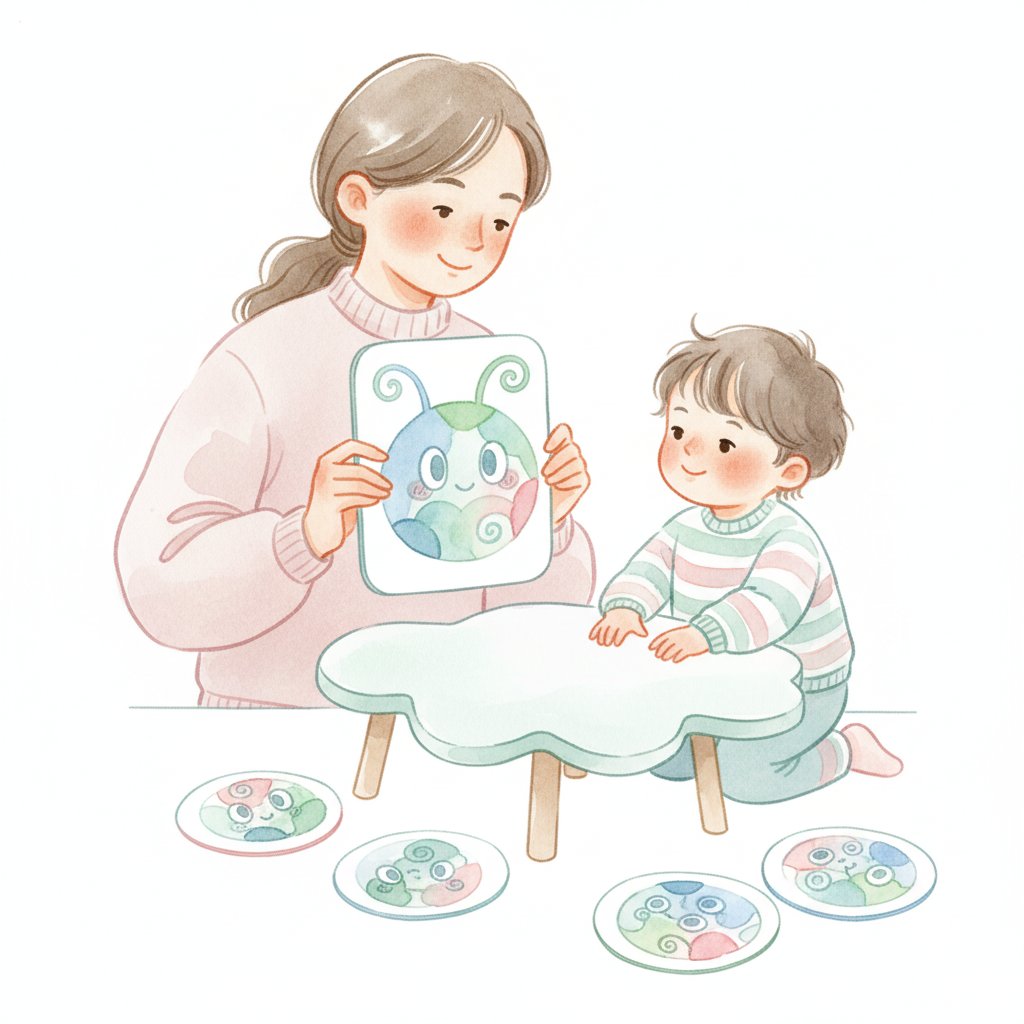
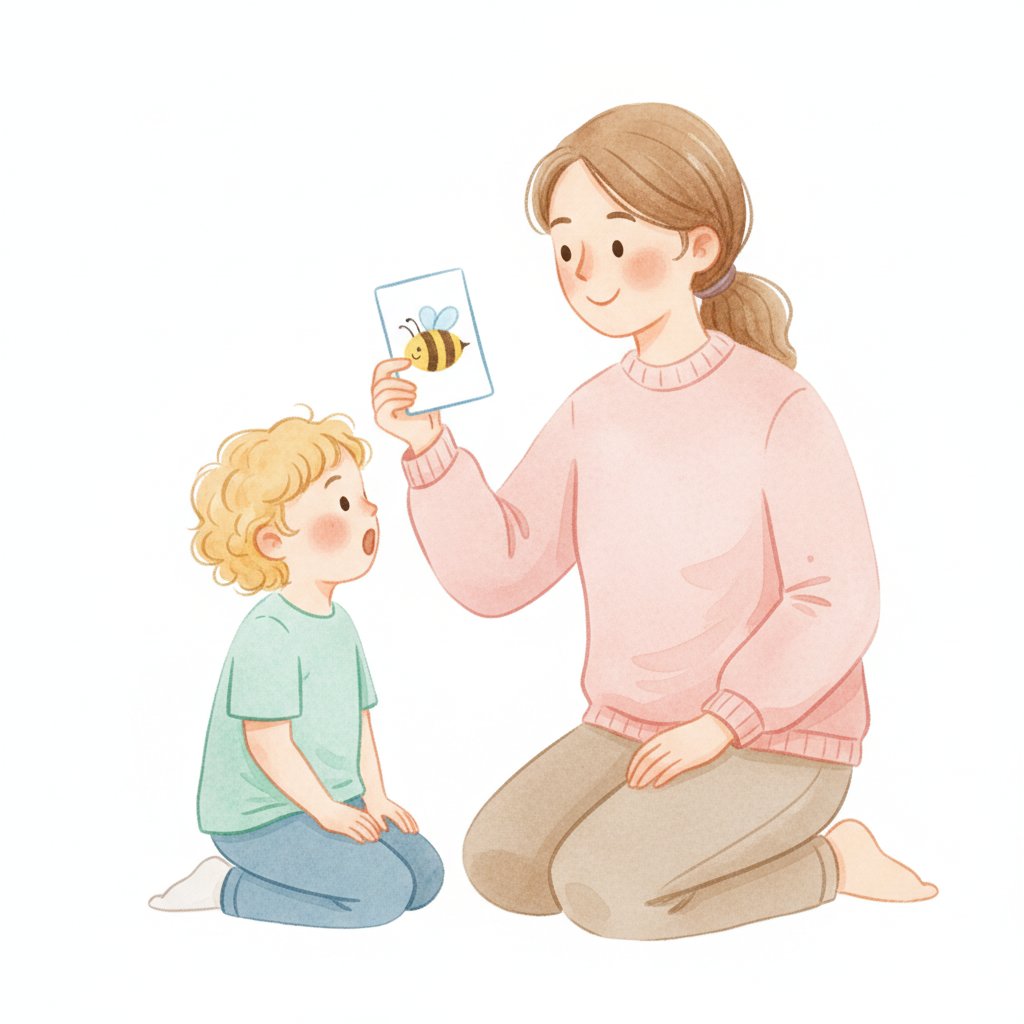
Drill alone gets old fast. These ten games use the same flashcards you already have, but they add engagement, competition, and movement that keep children practising far longer than a straight review session.
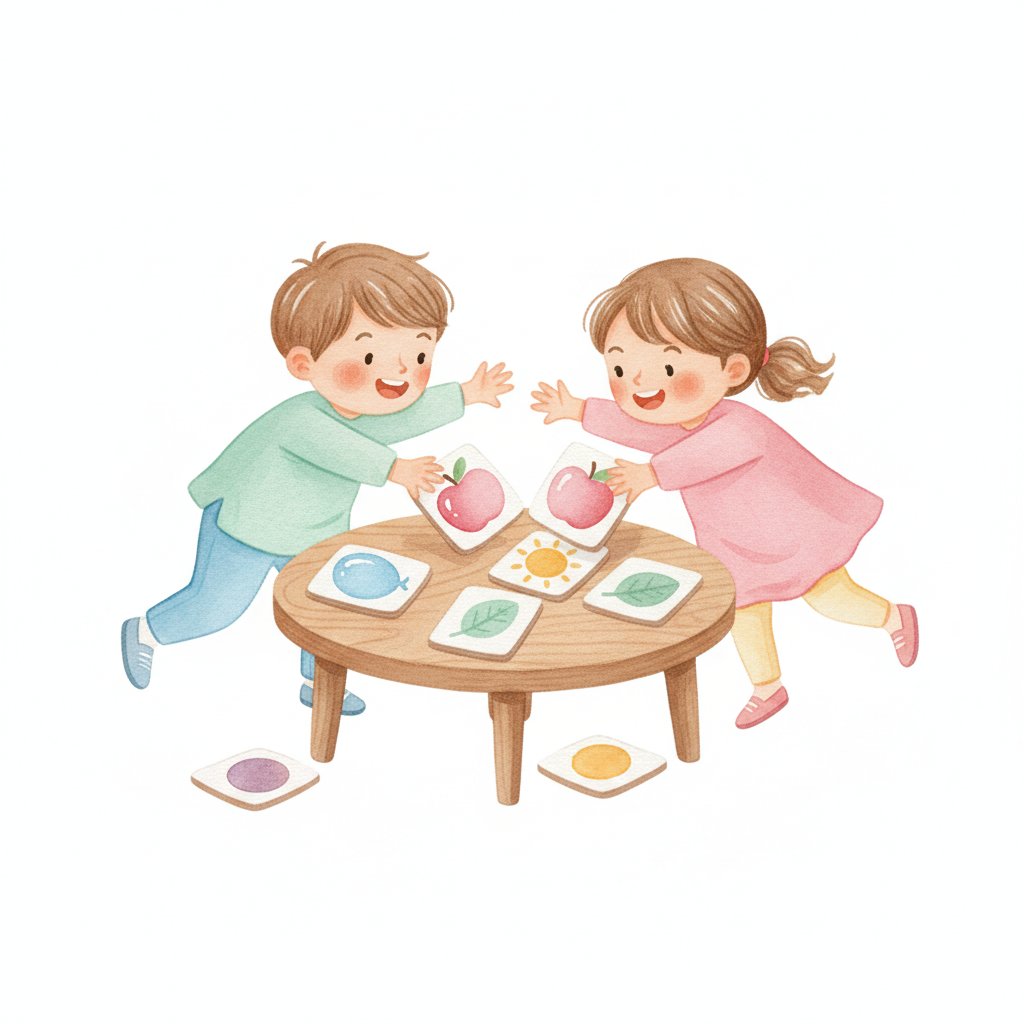
1. Flashcard Slam
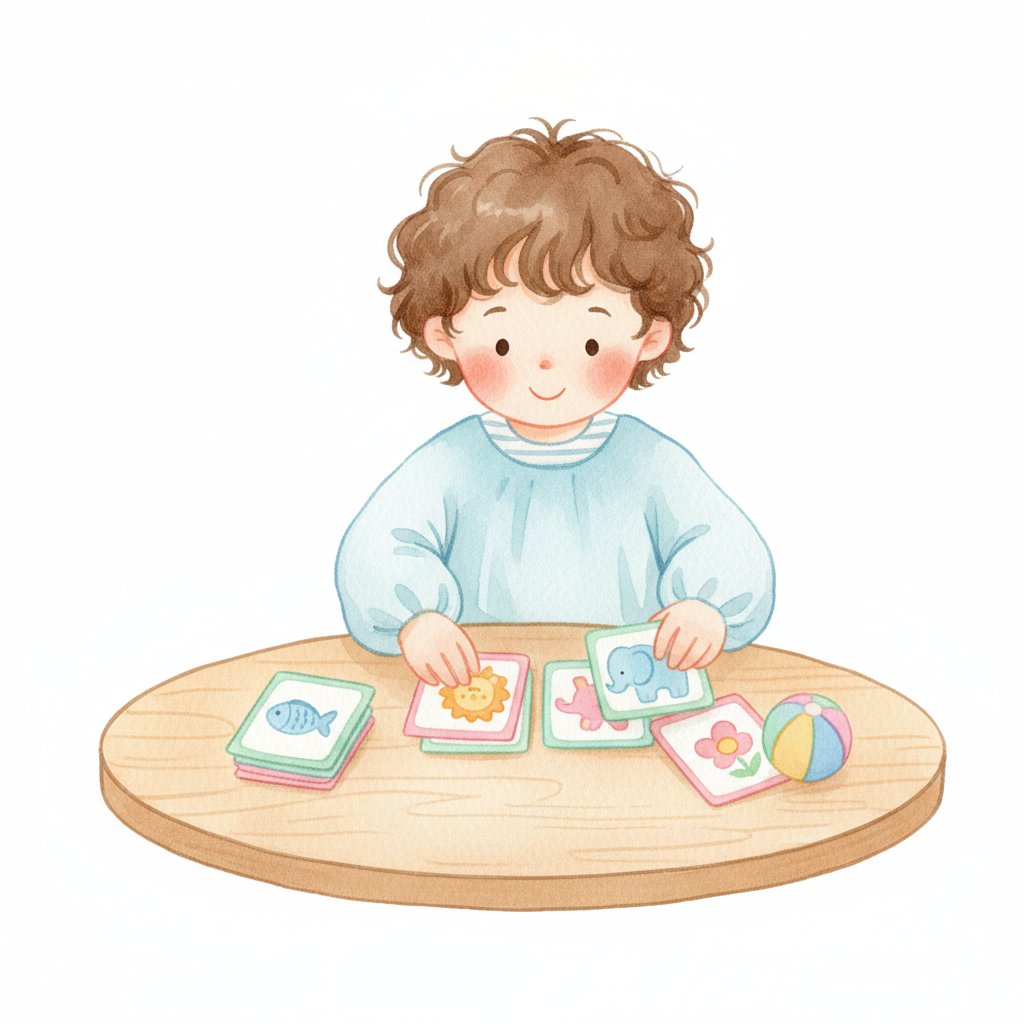
Spread five to eight cards face up on the table. Say a sound and the child slaps the matching card as fast as they can. Add a second player for a competitive race. Works with single sounds, digraphs, or whole words.
2. Sound Hop
Place cards in a path across the floor. The child hops from card to card, saying each sound as they land. A wrong sound means a pause to try again. Great for children who need movement to stay focused.
3. Memory Match
Create pairs — two cards with the same sound, or a sound card paired with a word card that uses that sound. Lay them face down and play classic Memory. The child reads each card they flip, getting double the practice.
4. Feed the Monster
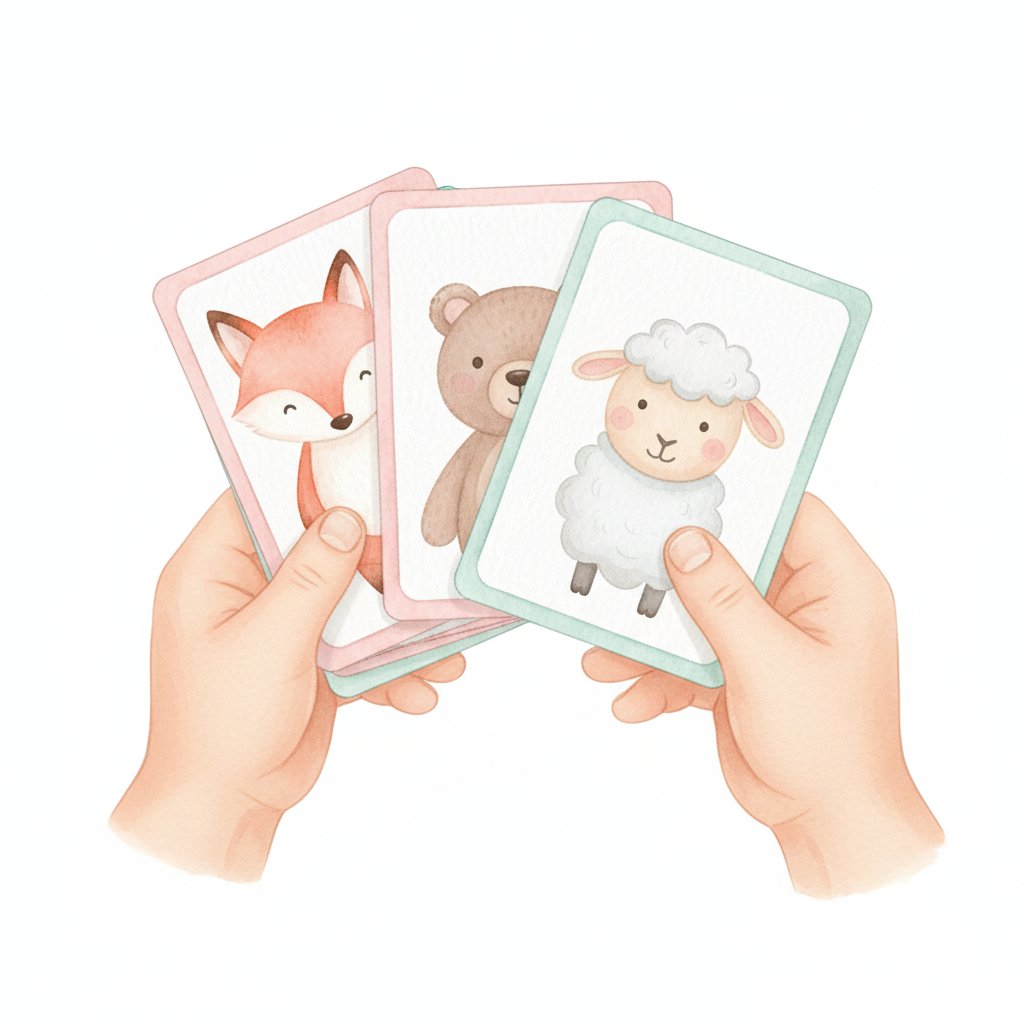
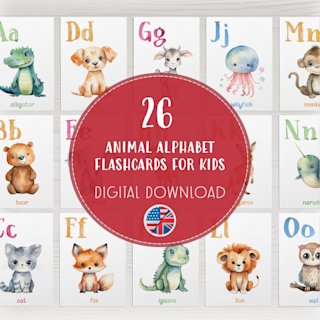
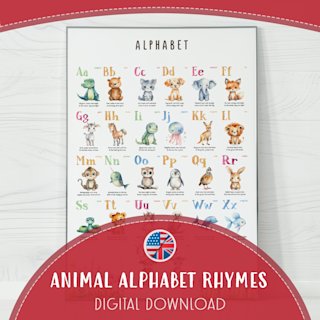
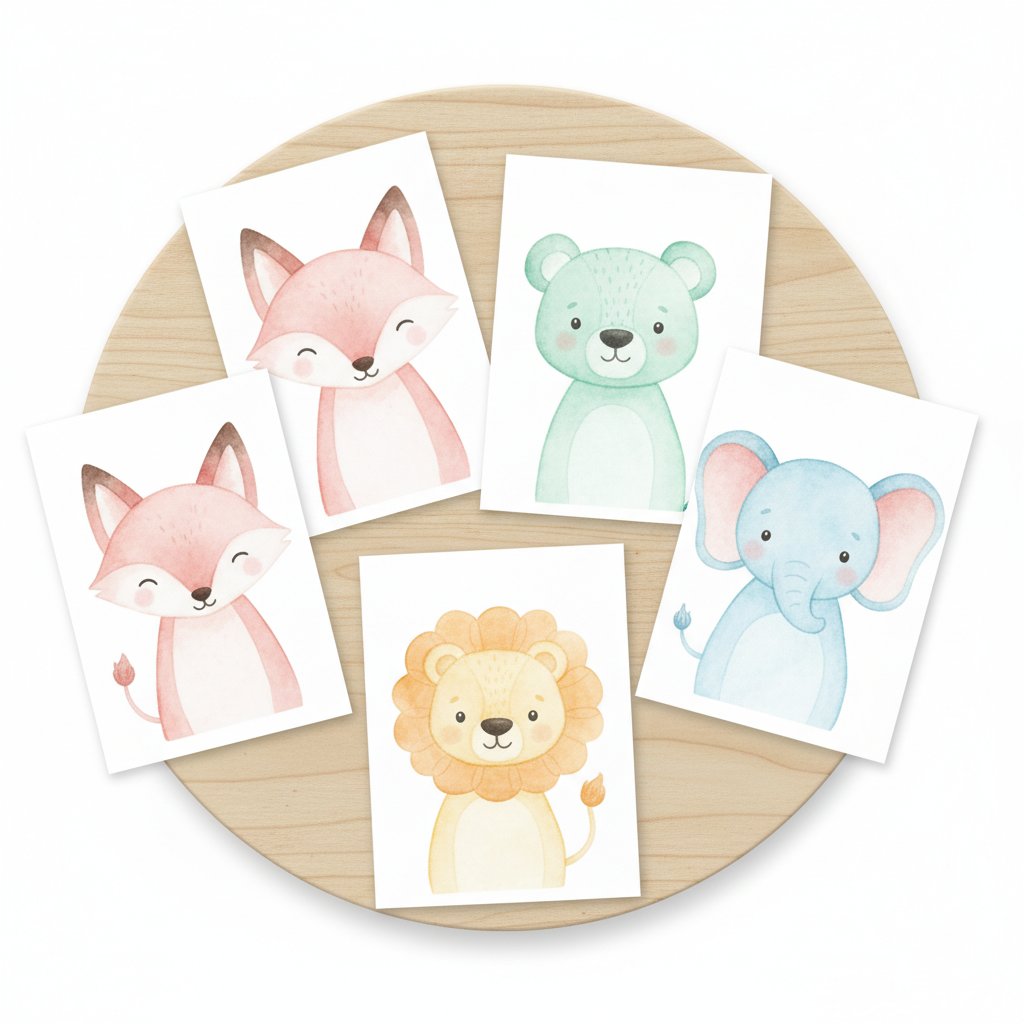
Decorate a box or bag as a "monster." The child reads a card correctly and "feeds" it to the monster. Wrong answers go back in the pile. Use our Animal Alphabet Flashcards for a themed version where each monster eats its own letter.
5. Flashcard Treasure Hunt
Hide cards around the room. The child finds a card, reads the sound or word, and brings it to you. Set a timer for extra excitement. This game is perfect for children who resist sitting still for phonics practice.
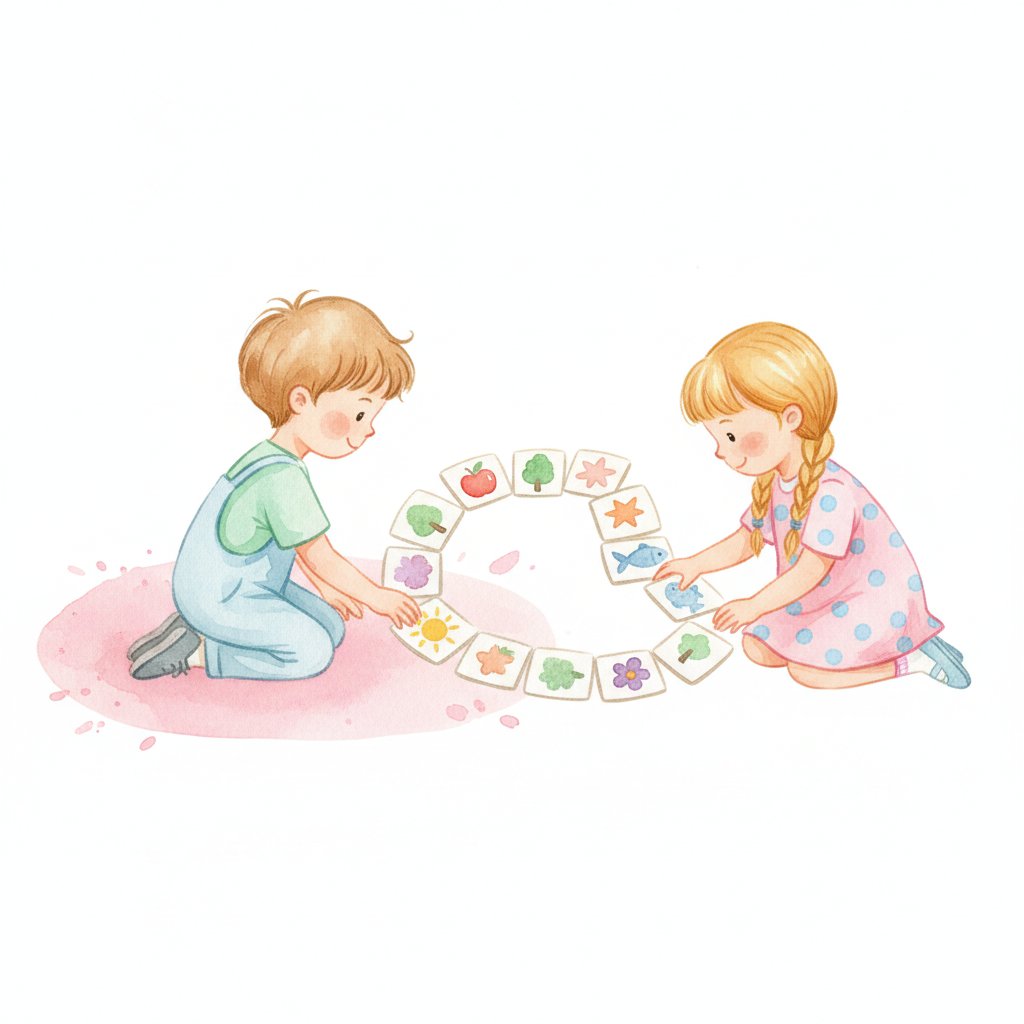
6. Build-a-Word Race
Deal letter cards to two players. Call out a word — "cat," "ship," "blend." Players race to arrange their cards to spell the word first. Increase difficulty by calling out longer or trickier words as skills grow.
7. Flashcard Go Fish
Play Go Fish with pairs of phonics cards. Each player must read the sound or word on the card when asking for or receiving a match. The social game format means children read dozens of cards without realising how much they are practising.
8. Sound Sorting Relay
Set up two or three category mats — for example, "sh words," "ch words," and "th words." Children pick a card, read it, and run to place it on the correct mat. Active, competitive, and reinforces categorisation.
9. Flashcard Tic-Tac-Toe
Draw a tic-tac-toe grid and place a flashcard in each square. To claim a square, the child must read the card correctly. Wrong read, no claim. Quick, familiar, and endlessly repeatable with new cards.
10. Roll and Read
Assign each of six sounds or words a number (1–6). The child rolls a dice and reads the card matching the number. Keep a tally of correct reads and celebrate when they hit a target. Simple, low-prep, and effective for daily review.