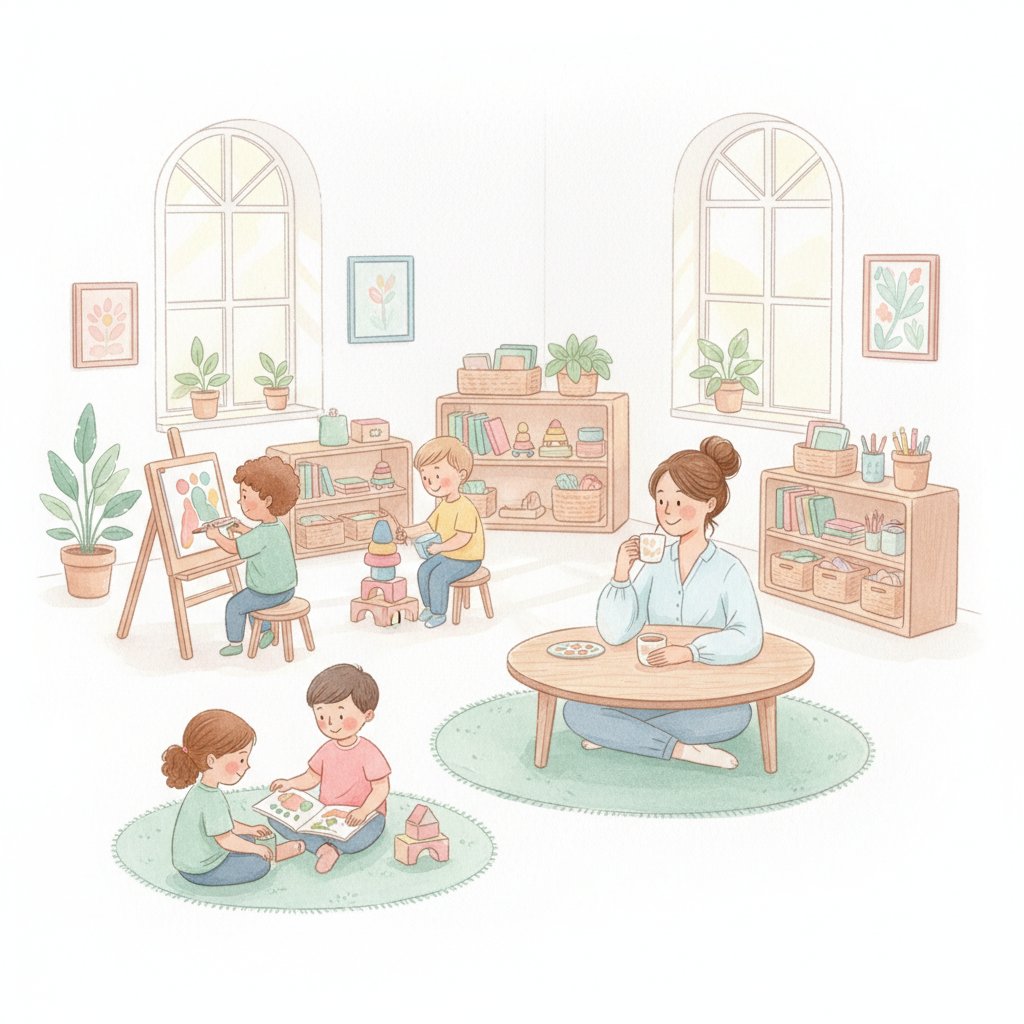
Why Visual Schedules Matter in Kindergarten
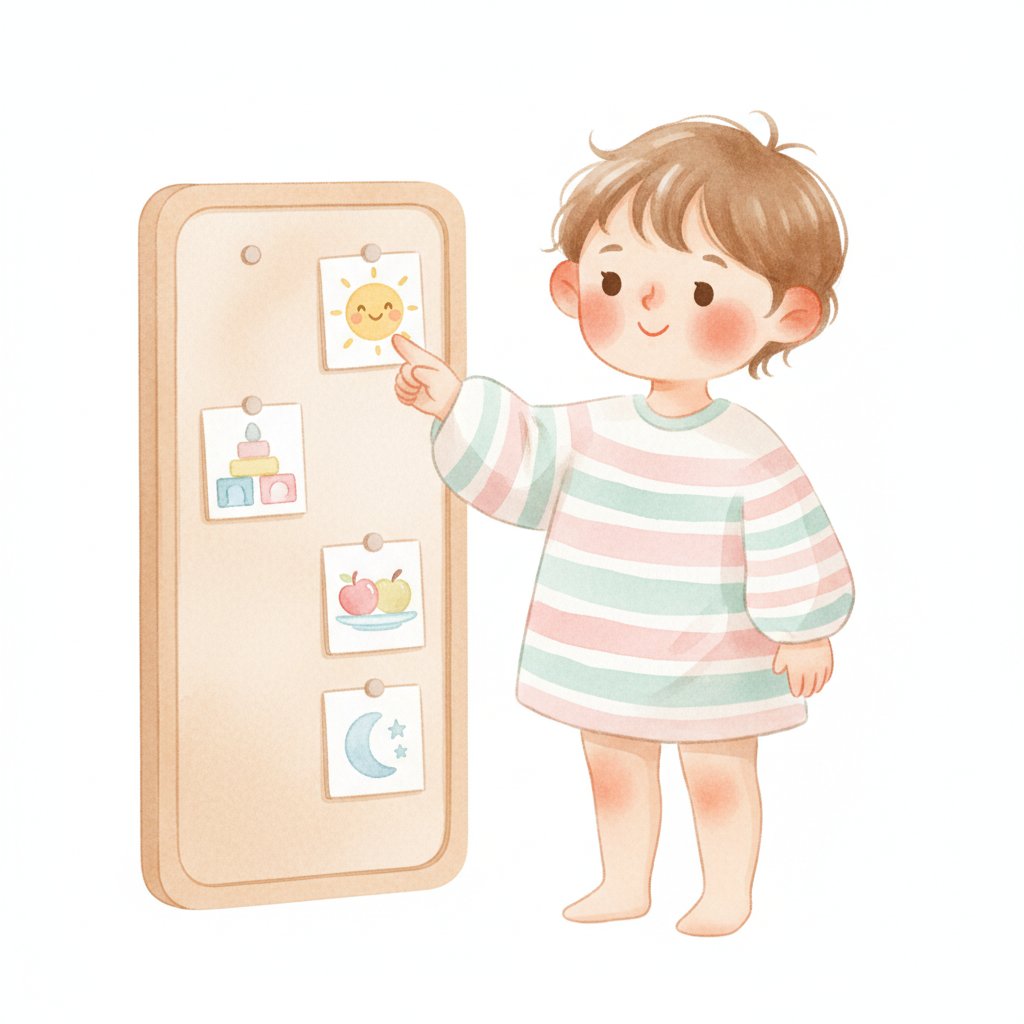
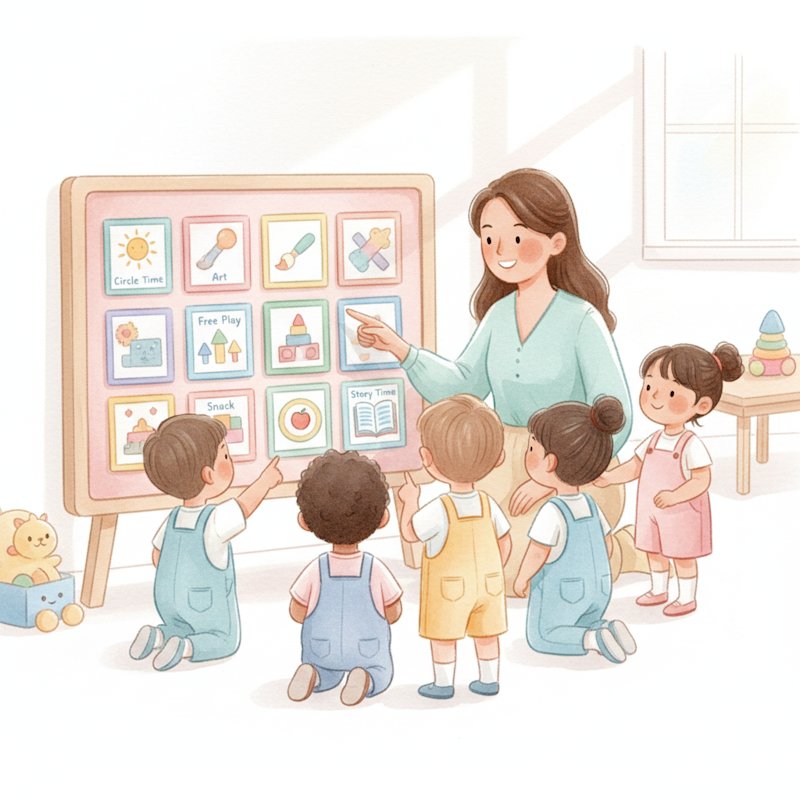
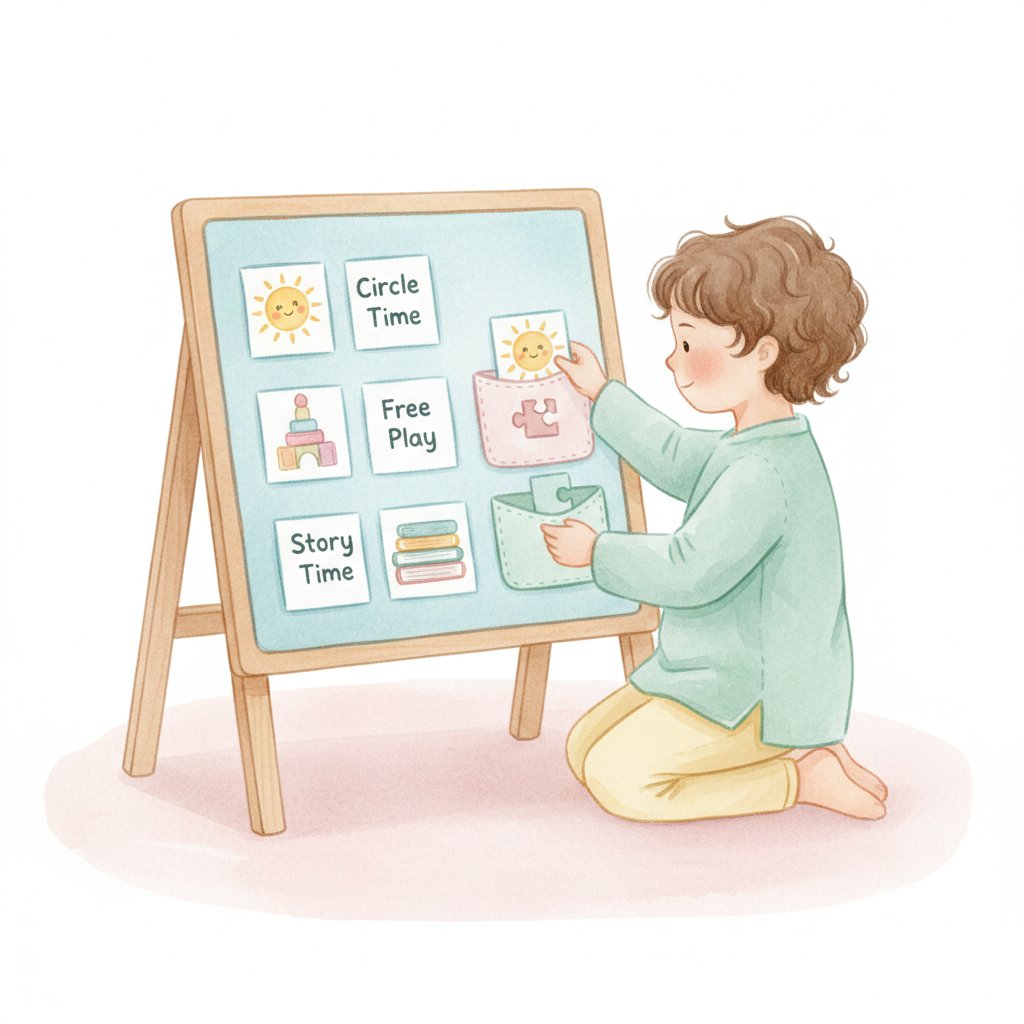
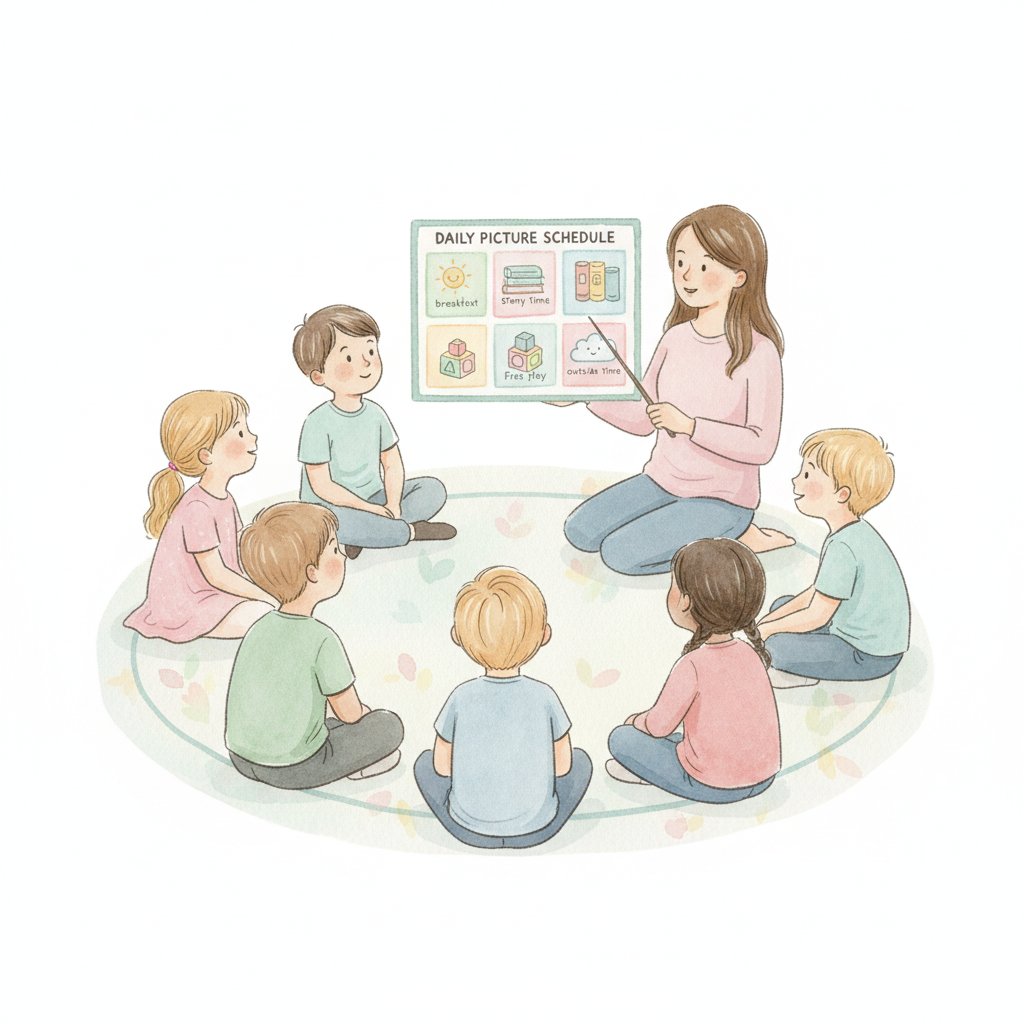
Kindergarteners are still learning to understand time. "In fifteen minutes" means nothing to a five-year-old. But a picture of a lunchbox on the schedule board? That they understand.
Predictability reduces anxiety
Research from the National Association for the Education of Young Children (NAEYC) consistently shows that predictable classroom routines reduce behavior problems and anxiety in young children. When students know what's coming next, they feel safe. And safe children learn better.
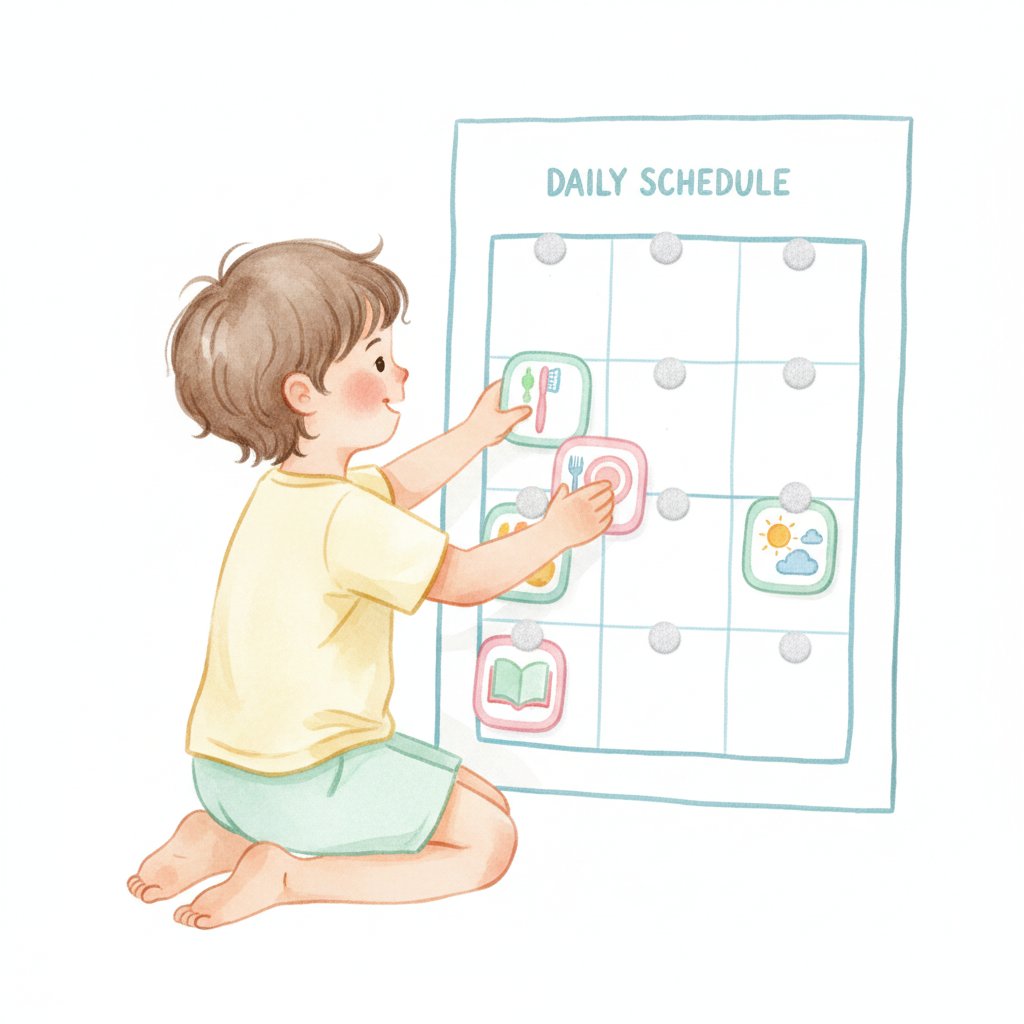
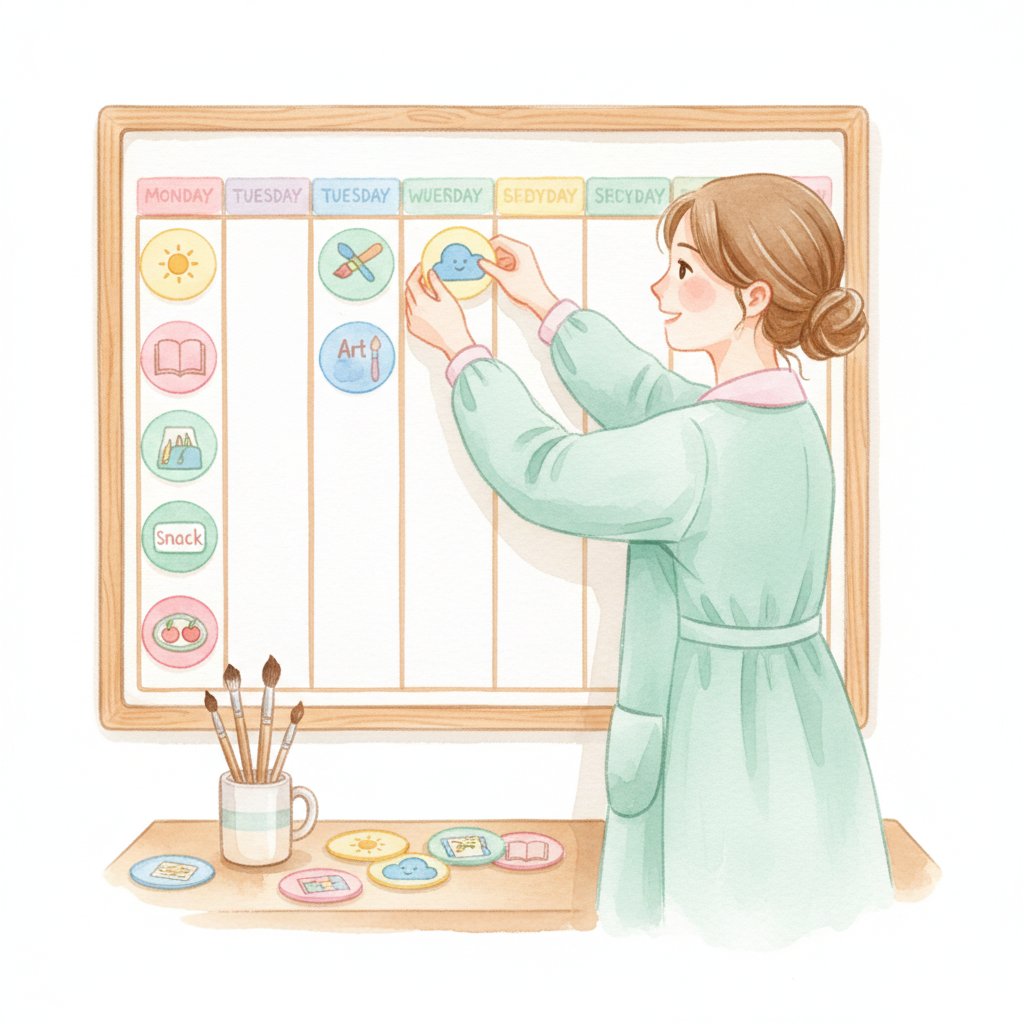
A visual schedule makes the invisible concept of time concrete. Children can point to the current activity, see what comes after, and track their progress through the day. This is especially important for children with ADHD, autism spectrum disorder, or sensory processing differences — but it benefits every student in the room.
Routines build independence
When the schedule is posted and visually clear, children stop asking you "what are we doing next?" and start checking the board themselves. That small shift — from teacher-dependent to self-directed — is a foundational skill for school readiness.
Over time, children internalise the rhythm of the day. They begin to anticipate transitions, prepare materials independently, and even remind each other. The schedule stops being your tool and becomes theirs.
Transition management
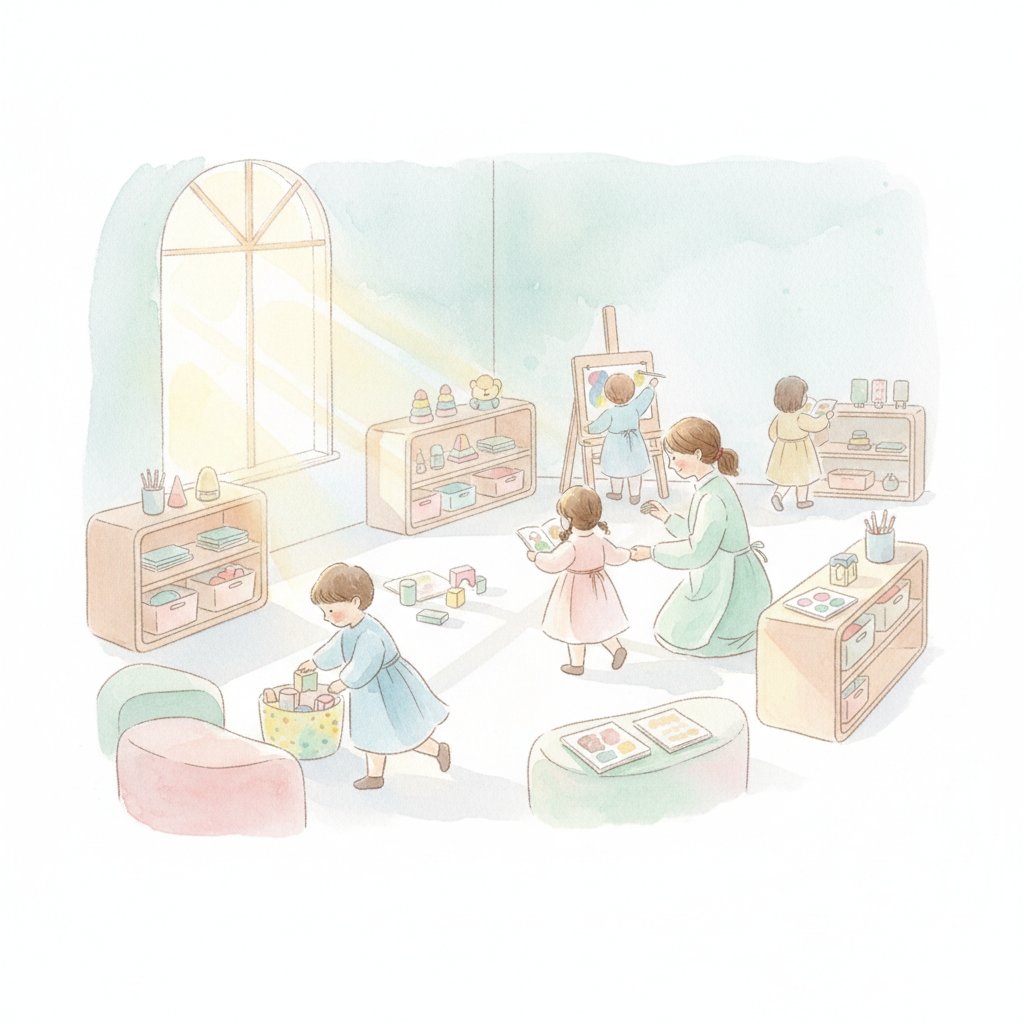
Transitions are the hardest part of any kindergarten day. Moving from circle time to centers, from recess to quiet reading — these moments invite behaviour problems because children are unoccupied and uncertain. A visual schedule gives transition warnings structure. "We have two more activities before lunch — look at the schedule" is far more effective than "hurry up, it's almost time."
For classroom management strategies that pair well with schedule routines, see our classroom rules activities for preschool and kindergarten.