Social and Emotional Readiness
This area is often more important than academics for kindergarten success.
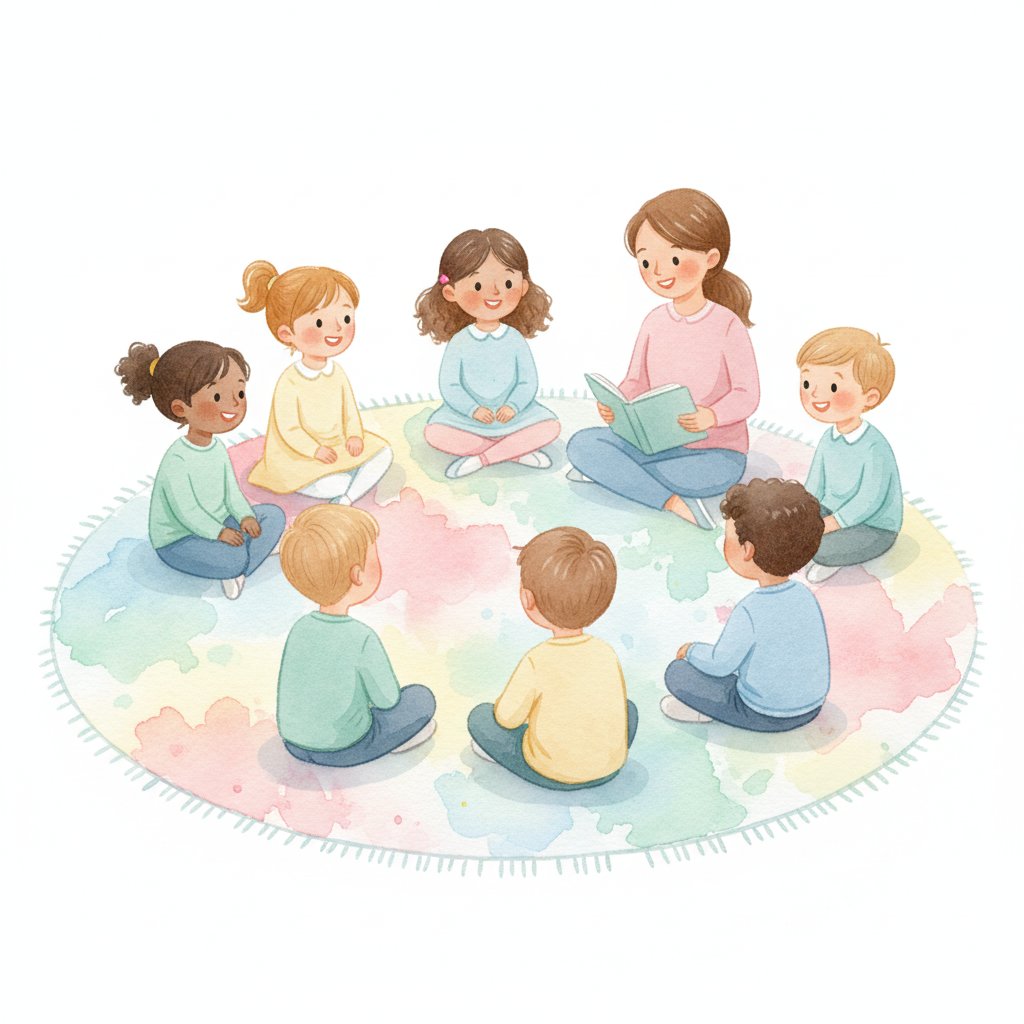
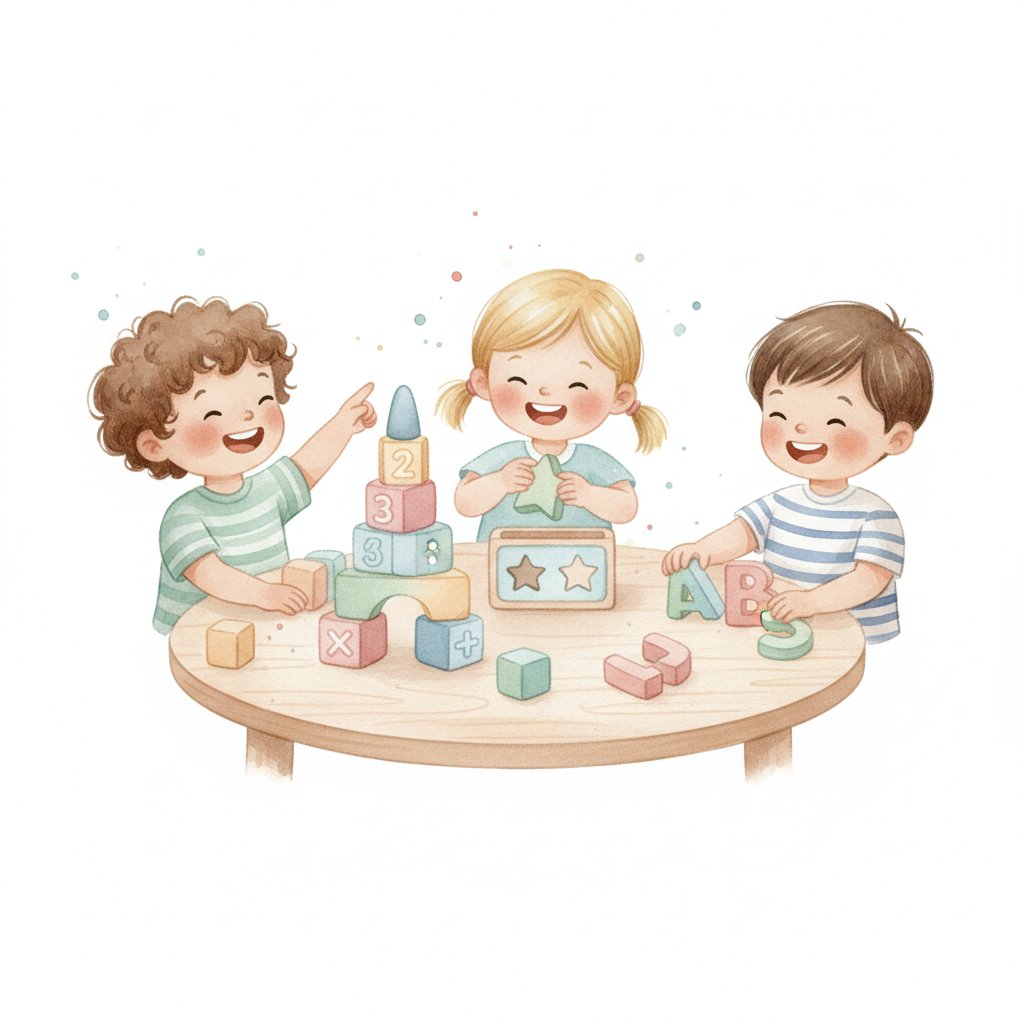
Practice activities: Arrange playdates. Practice short separations. Use emotion flashcards to build feeling vocabulary. See teaching empathy activities and SEL activities.
If your child struggles with separation anxiety, our self-regulation strategies have specific techniques for making goodbyes easier.
Self-Care and Independence
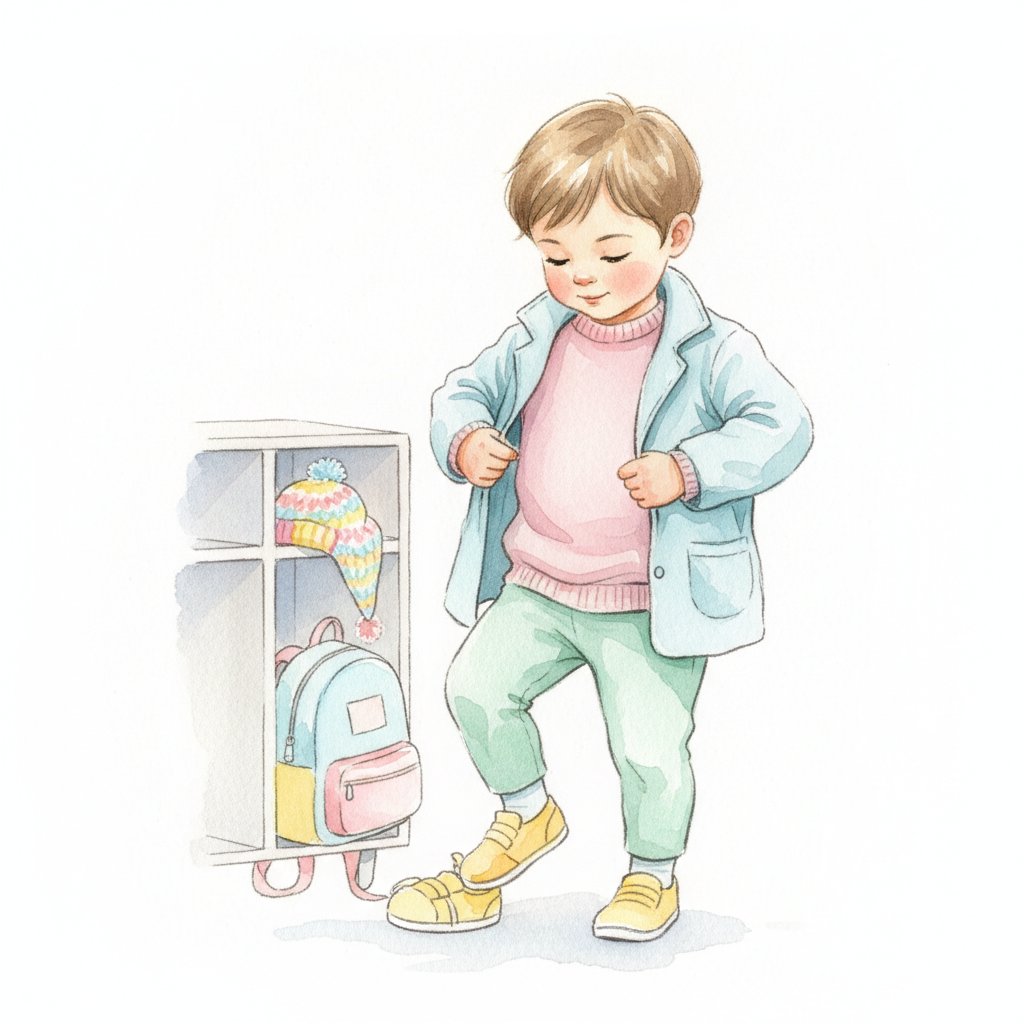
Kindergarten teachers expect children to handle basic self-care:
Practice activities: Let your child dress themselves (even if it takes longer). Practice opening every container in their lunchbox. Make cleanup a routine before moving to the next activity.
Physical and Motor Skills
Fine Motor
Practice activities: Daily fine motor activities — playdough, stringing beads, using tweezers, coloring.
Gross Motor
Practice activities: Movement activities, playground time, dance parties, obstacle courses.
What If My Child Isn't Ready?
It's normal for children to have gaps. Here's what to do:
Missing academic skills:
Focus on the highest-impact areas: letter recognition, counting to 10, and writing their name. Use printable flashcards for 5-minute daily practice. Don't drill — play.
Missing social skills:
Arrange more playdates. Practice "what would you do?" scenarios. Read books about school. Our social-emotional learning guide has at-home activities.
Missing self-care skills:
Give more independence at home. Stop doing things your child can do themselves, even if it takes longer. Every week, add one new self-care task.
Missing many skills across areas:
Talk to your pediatrician. Some children benefit from an extra year of preschool. This is not a failure — it's giving your child the time they need to be successful.
Pre-K Summer Bucket List
If your child starts kindergarten in the fall, use the summer before to build readiness through play:
June: Focus on letters — alphabet flashcards, letter hunts, alphabet books
July: Focus on numbers — number flashcards, counting walks, cooking together
August: Focus on independence — packing a bag, opening lunch containers, dressing practice
Add daily reading (15 minutes), weekly playdates (social skills), and outdoor play (gross motor). See seasonal learning activities for summer-specific ideas.
The Most Important Skill
If you only focus on one thing before kindergarten, make it this: help your child feel confident and excited about learning.
Children who believe they can learn, who aren't afraid to make mistakes, and who are curious about the world will thrive in kindergarten — even if they can't yet write their whole name or count to 20.
For the social-emotional side of readiness, our complete SEL guide for elementary classrooms covers the emotional skills children need. And for hands-on practice at home, sensory play ideas for toddlers and preschoolers builds the foundation through play.
Praise effort over results. "You worked so hard on that letter!" matters more than "That letter is perfect." See self-regulation strategies for building confidence and resilience.
Looking for learning tools? Our Monster Feelings Flashcards help children identify and express emotions — a key kindergarten readiness skill that many parents overlook.
More kindergarten readiness guides:
Handwriting Readiness for Kindergarten
Fine Motor Skills Activities
Math Readiness for Kindergarten
Phonics Flashcards for Kids
Alphabet Flashcards for Preschool
Number Flashcards for Kids
Sight Words Flashcards
Scissor Skills Activities
SEL Activities for Elementary
Self-Regulation Strategies