Why Counting Matters More Than You Think
Counting is the gateway to all math. Before children can add, subtract, or understand fractions, they need to count confidently — not just recite numbers from memory, but truly understand that "five" means five separate things.
For a broader look at early math skills, see our math readiness for kindergarten activities guide. And for the counting-to-reading connection, our beginning reading activities for kids shows how number sense supports literacy too.
The National Association for the Education of Young Children identifies counting as one of the foundational math skills children should develop before age six. The good news: counting doesn't require expensive materials. The best activities use things you already have at home or in the classroom.
15 Counting Activities by Skill Level
Beginner Counting (Ages 2-3)
1. Snack Count
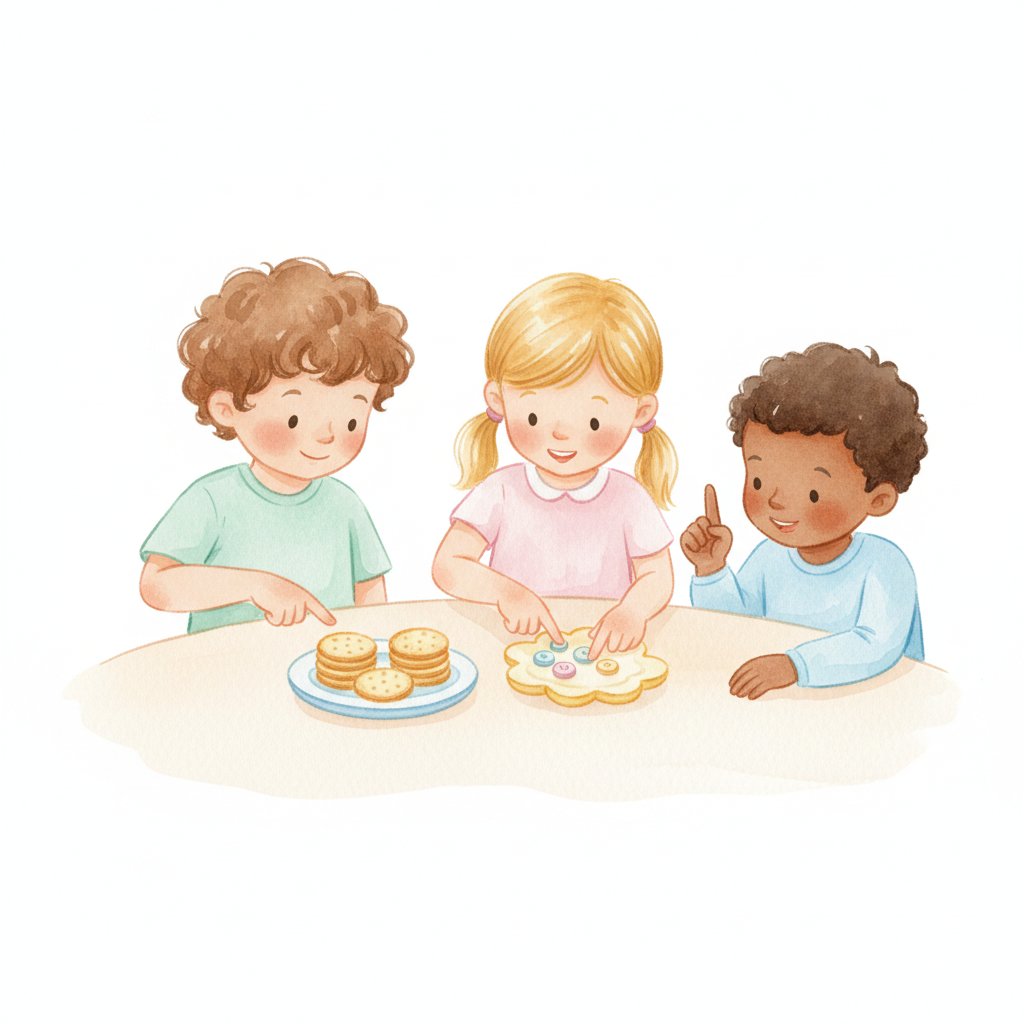
At snack time, count together: "One cracker, two crackers, three crackers!" Let your child place each item on a plate as you count. Eating the "answers" is highly motivating.
Skill: One-to-one correspondence
2. Stair Steps
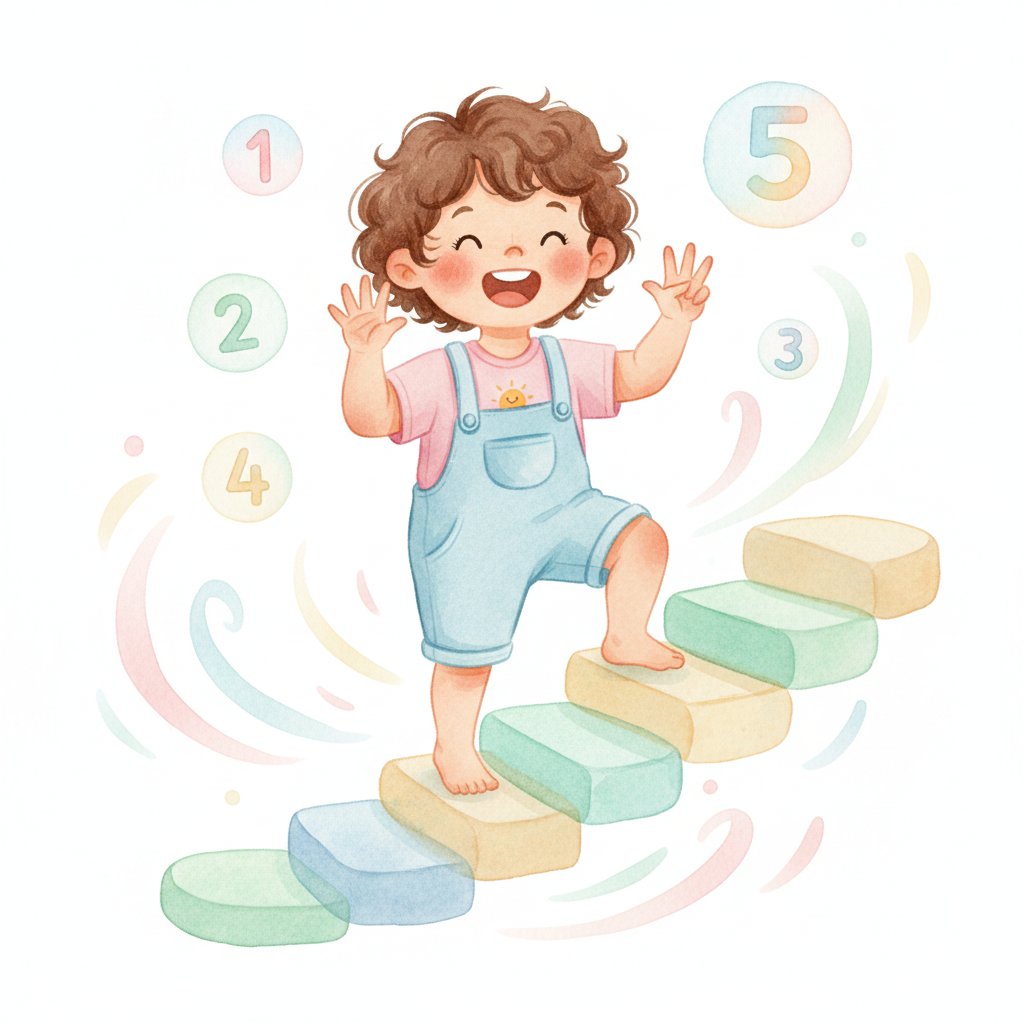
Count each stair as you walk up or down. "One step, two steps, three steps..." This builds counting into a daily routine with no extra materials.
Skill: Rote counting + physical movement
3. Finger Play
Hold up fingers one at a time while singing counting songs like "Five Little Ducks" or "Five Little Monkeys." Songs give counting a rhythm that makes it stick.
Skill: Number sequence + finger coordination
Intermediate Counting (Ages 3-4)
4. Object Sort and Count
Give your child a mixed bowl of buttons, beads, or blocks in different colors. Have them sort by color, then count each group. "How many red? How many blue?"
Skill: Sorting + counting + comparison
5. Nature Walk Counting
On a walk, count things you see: trees, dogs, cars, birds. Keep a tally on a clipboard or just count aloud. "I see three squirrels! Can you find more?"
Skill: Counting in context + observation
6. Block Tower Count
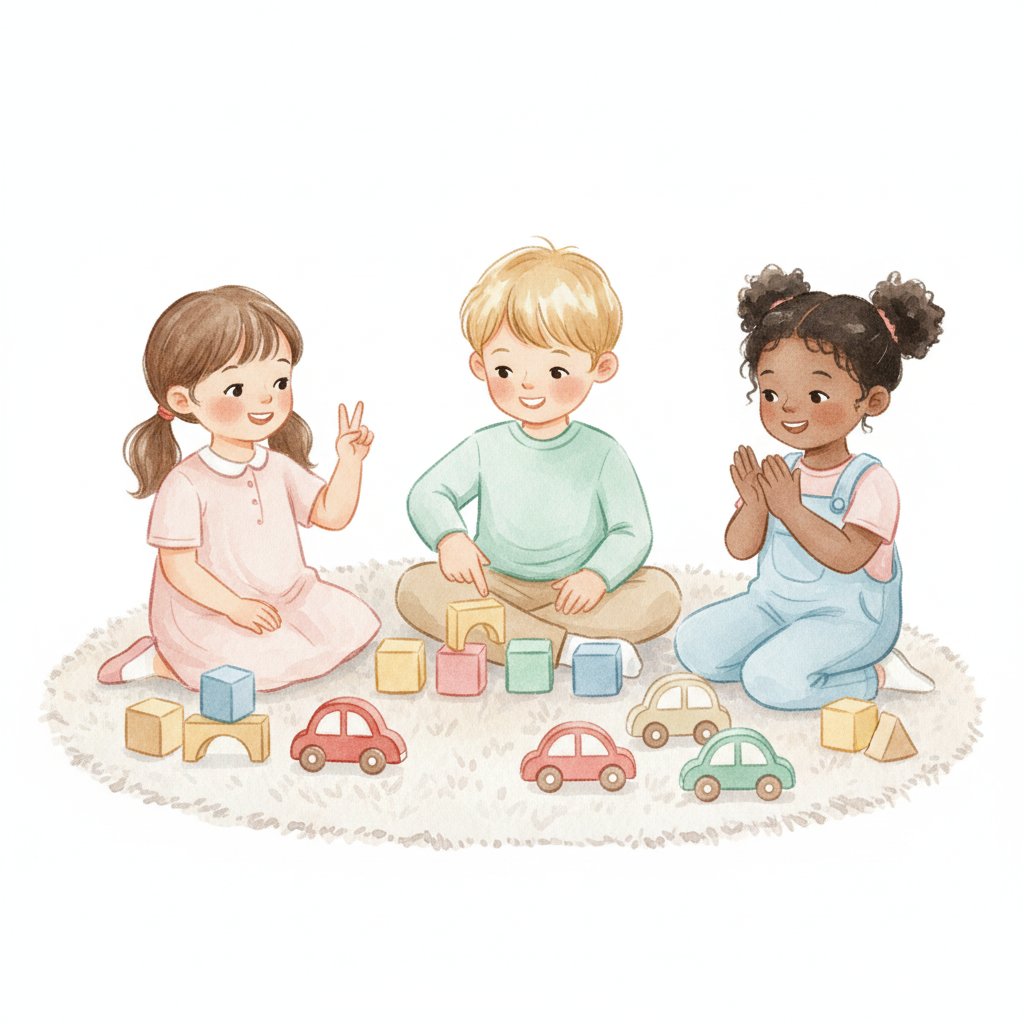
Build a tower together, counting each block as you add it. Then knock it down and build again — try to beat your record. "Our tower has twelve blocks!"
Skill: Counting + spatial reasoning
7. Dot-to-Dot Drawing
Simple dot-to-dot pages where children connect numbered dots to reveal a picture. The sequence is built into the activity.
Skill: Number order + fine motor
Advanced Counting (Ages 4-5)
8. Counting Jar
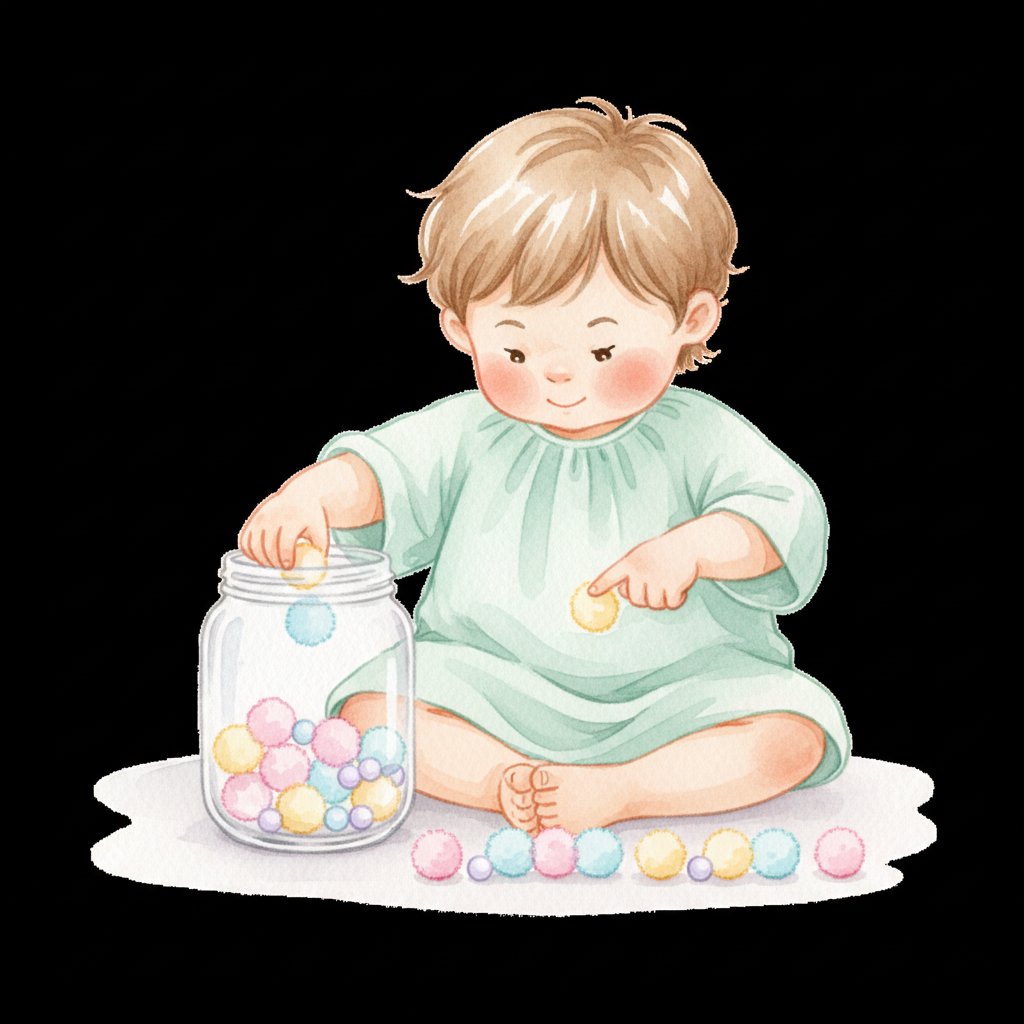
Fill a clear jar with small objects (pom-poms, marbles, dry beans). Each day, take out 5 items and count them together. Gradually increase to 10, 15, 20.
Skill: Consistent daily counting practice
9. Hopscotch Numbers
Draw a hopscotch grid with numbers 1-10. Call out a number and have your child hop to it. Then try: "Hop to the number that comes after 6!"
Skill: Number recognition + movement
10. Ten-Frame Fill
Draw a simple ten-frame (2 rows of 5 boxes). Give your child counters and ask them to fill a certain number of boxes. "Fill in four boxes."
Skill: Part-whole relationships + visual quantity
11. Number Flashcard Games
Use number flashcards for matching, sequencing, and speed games. Flash a card and have your child clap that many times, jump that many times, or collect that many objects.
Skill: Rapid number recognition + quantity matching
12. Counting Book Read-Aloud
Read counting books together (like "Ten Black Dots" or "Chicka Chicka 1, 2, 3"). Pause on each page to count the objects. Ask: "What number comes next?"
Skill: Number sequence + print awareness
Challenging Counting (Ages 5-6)
13. Backward Counting Blast-Off
Start at 10 (or 20) and count backward to zero. Shout "Blast off!" at the end. This builds the foundation for subtraction.
Skill: Backward counting + subtraction readiness
14. Skip Counting Jump Rope
Count by 2s, 5s, or 10s while jumping rope or bouncing a ball. "Two, four, six, eight, ten!" The physical rhythm reinforces the pattern.
Skill: Skip counting + multiplication readiness. See our skip counting activities guide for more.
15. Number Line Problems
Create a floor number line with tape. Give problems: "Start at 3. Take 4 steps forward. Where are you?" Use number flashcards as the markers.
Skill: Addition on a number line
How to Know When Your Child Is Ready for More
Watch for these signs that counting is becoming automatic:
- Counts objects accurately without skipping or double-counting
- Knows the last number counted is the total ("1, 2, 3, 4, 5... there are five!")
- Counts out a specific number when asked ("Give me six blocks")
- Recognizes numerals 1-10 without help
When your child shows all four, they're ready for math readiness activities and teaching number recognition at the next level.
Making Counting Part of Every Day
The best counting practice happens during everyday routines, not just at "learning time." For more ideas on weaving learning into daily life, see our toddler activities for play and learning and screen-free activities for kids.
The best counting practice happens naturally, not just at "math time." Here are easy ways to count throughout the day:
- Morning: Count clothes as you get dressed ("One sock, two socks!")
- Meals: Count plates, cups, utensils at the table
- Play: Count blocks, cars, dolls during playtime
- Outside: Count steps to the park, cars in the driveway, flowers in the garden
- Bedtime: Count books, stuffed animals, goodnight kisses
The more counting happens in real life, the more natural numbers feel. And that's the whole point — making math feel like a normal part of the world, not a separate subject.
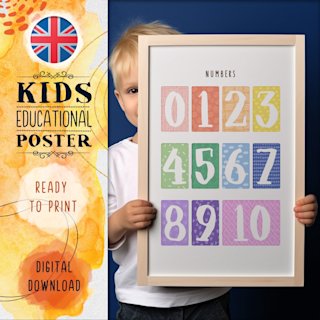
Looking for printable tools? Our Monster Feelings Flashcards use the same bold, visual design that makes learning feel like play. Pair them with number flashcards and number posters for a complete early math toolkit.
More early learning guides:
- Number Flashcards for Kids
- Teaching Number Recognition
- Math Readiness for Kindergarten
- Skip Counting Activities
- Number Posters for Classroom 1-20
- Printable Flashcards for Kids
- Flashcards for Toddlers
- Educational Flashcards for Preschool