Toddlers Learn Through Everything
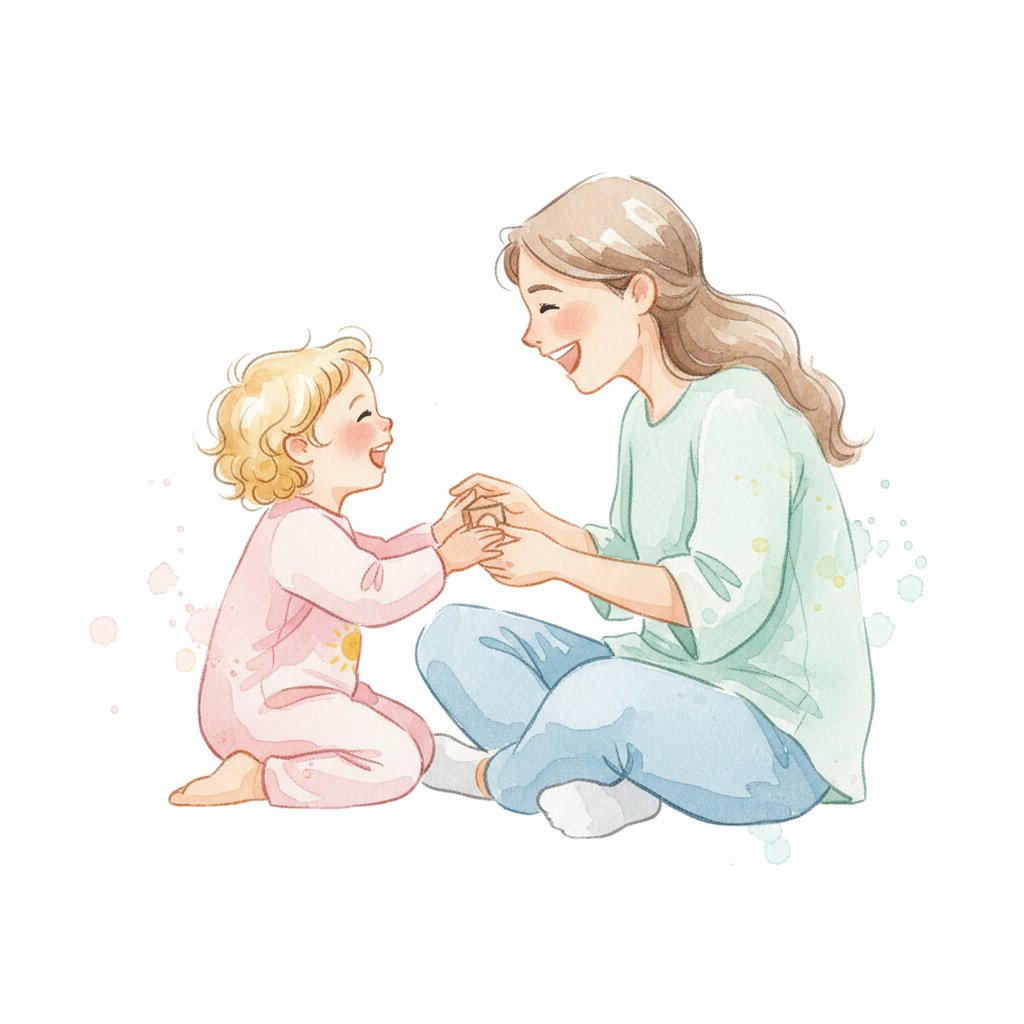
Toddlers don't separate "learning" from "playing." Every touch, taste, stack, dump, and squeal is their brain building connections at a rate that will never be matched again in their lifetime.
Harvard's Center on the Developing Child reports that more than 1 million new neural connections form every second during the first few years of life. Your job isn't to teach your toddler — it's to provide an environment rich enough that their natural curiosity does the teaching.
For activities that grow with your child, see our sensory play ideas for toddlers and preschoolers and fine motor skills activities for kids.
Activities for 1-Year-Olds (12-24 Months)
At this age, everything is sensory and motor. Your child is learning cause and effect, object permanence, and basic fine motor control.
1. Sensory Bin with Rice or Pasta
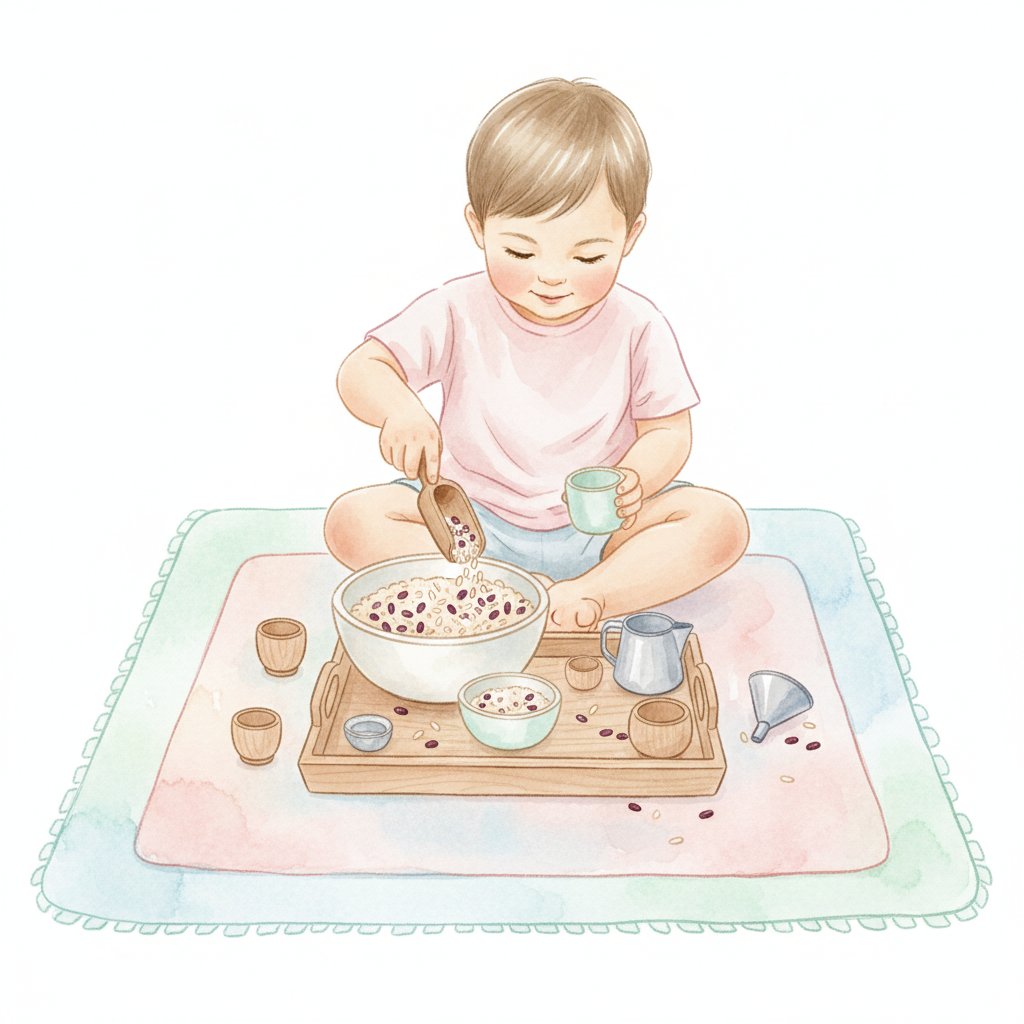
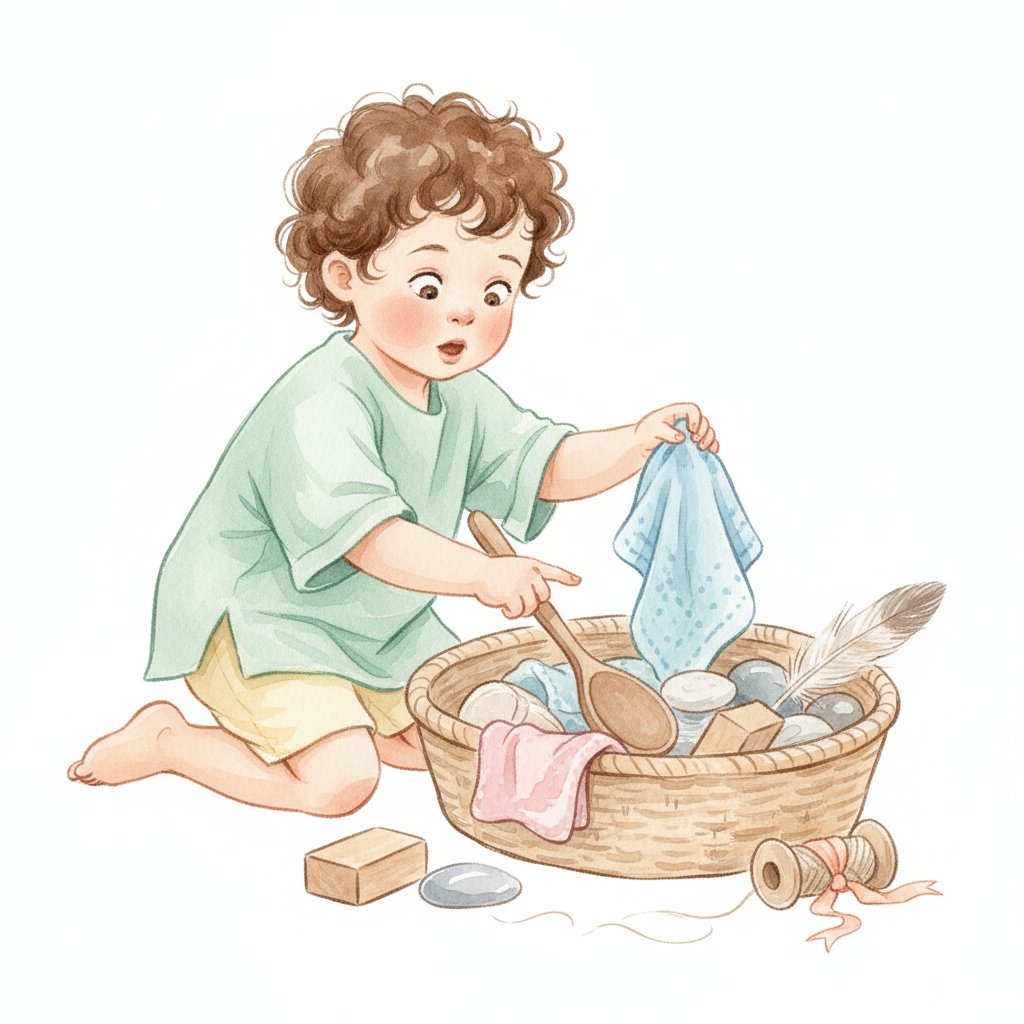
Fill a shallow bin with dry rice or large pasta. Add cups, spoons, and funnels. Your child scoops, pours, dumps, and repeats. Fine motor + cause and effect. See sensory play ideas.
2. Sticky Wall Contact Paper
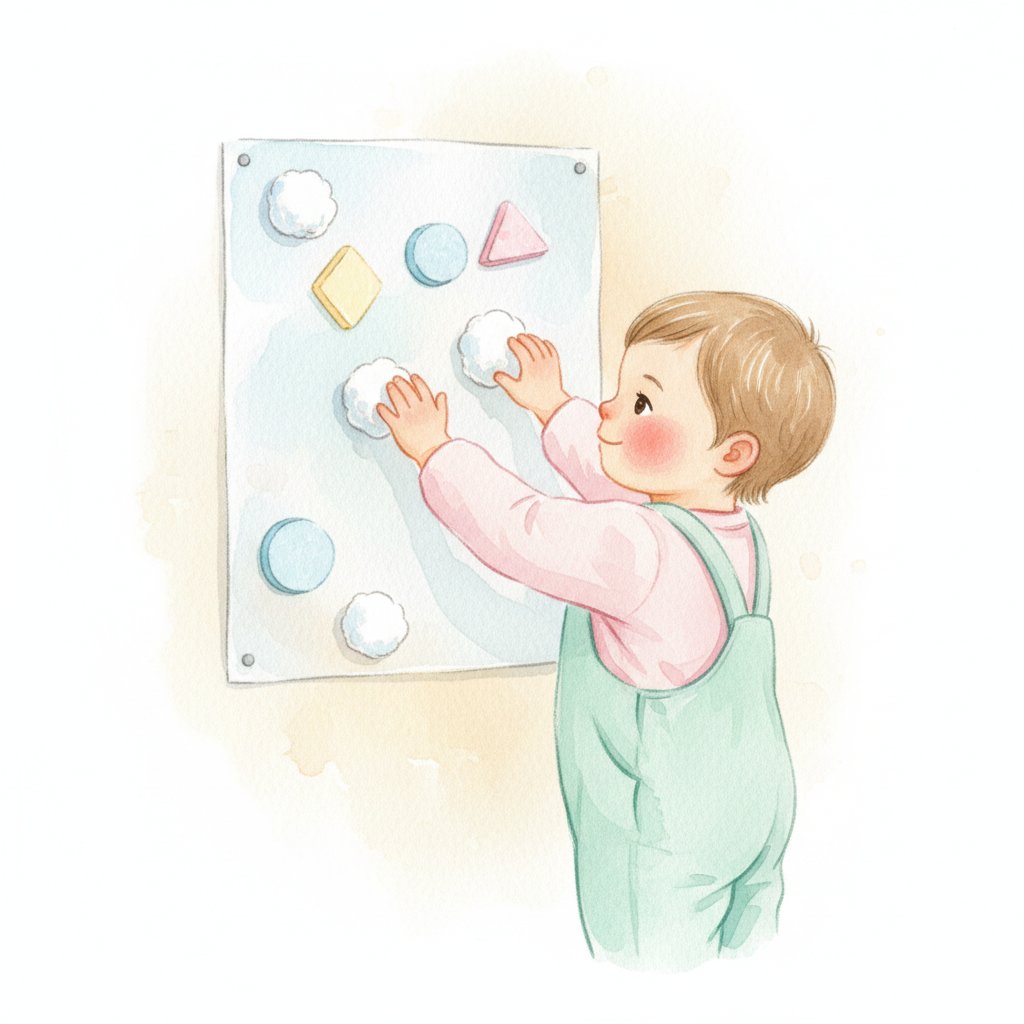
Tape contact paper (sticky side out) to a wall at toddler height. Give your child cotton balls, feathers, or foam shapes. They stick them on and peel them off. Fine motor, standing practice, cause and effect.
3. Container Drop
Cut holes in a plastic container lid. Give your child large pom-poms or clothespins to drop through the holes. Object permanence ("where did it go?") and fine motor pincer grasp.
4. Pillow Mountain
Pile couch cushions and pillows. Your child climbs, rolls, and crawls over them. Gross motor, balance, spatial awareness — zero prep. See movement activities.
5. Water Play at the Sink
Stand your child on a step stool at the sink with a few inches of warm water. Give them plastic cups, spoons, and a funnel. They pour and splash for 20+ minutes. Sensory, fine motor, standing balance.
6. First Flashcard Exploration
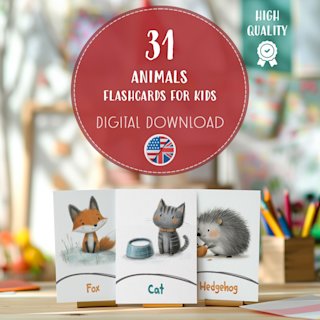
Show animal flashcards one at a time. Name the animal and make the sound. "This is a cow. Mooooo." Don't quiz — just expose. See farm animal flashcards.
7. Chunky Crayon Scribbling
Tape a large piece of paper to the floor. Give your child chunky crayons. Let them make marks. The goal isn't a picture — it's the discovery that "I can make something appear." See drawing activities.
Activities for 2-Year-Olds (24-36 Months)
Two-year-olds are explosion machines. Language explodes. Independence explodes. Tantrums explode. Channel it all into structured play.
8. Color Sorting
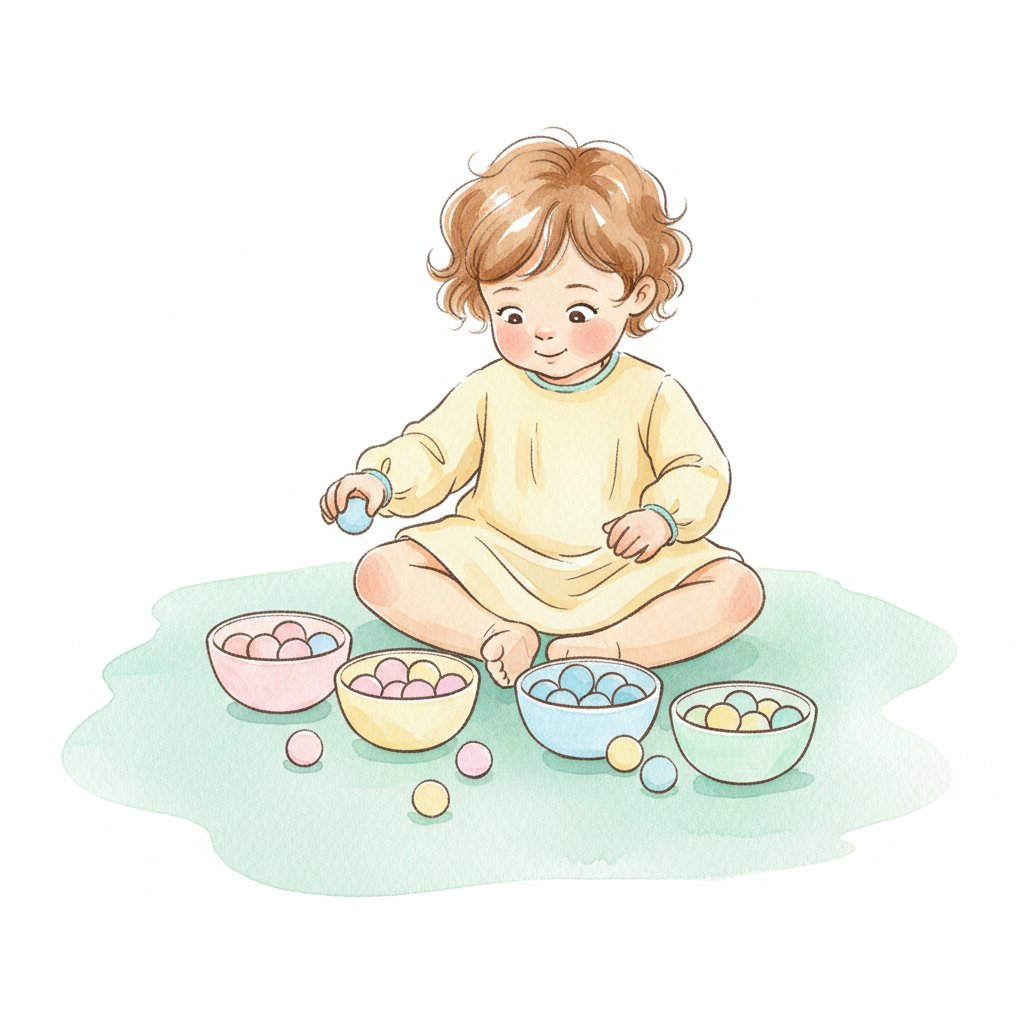
Give your child a mix of colored objects (blocks, pom-poms, toy cars). Set out three colored bowls. "Can you put all the red ones here?" Basic categorization and color recognition.
9. Simple Puzzles (3-5 Pieces)
Chunky wooden puzzles with 3-5 pieces. Start with ones that have pictures under each piece (knob puzzles). Spatial reasoning, fine motor, and frustration tolerance. See shape activities.
10. Play Dough Kitchen
Play dough + cookie cutters + rolling pin + plastic knife. Your child "cooks" — rolling, cutting, squishing. Fine motor strength, pretend play, and sensory input.
11. First Counting Games
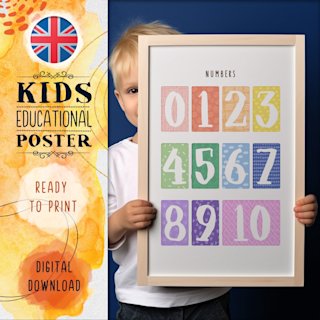
Count everything out loud. "One, two, three crackers on your plate!" "Let's count the stairs: one, two, three, four, five!" Your child absorbs the counting sequence before they can say it. See counting activities and number flashcards.
12. Action Songs with Movements
"Head, Shoulders, Knees and Toes." "The Itsy Bitsy Spider." "If You're Happy and You Know It." Songs with movements build body awareness, vocabulary, and gross motor coordination. See music activities.
13. Book Reading with Pointing
Read simple board books. Pause and point: "Where's the cat?" Your child points. "Yes! That's the cat!" Receptive language builds before expressive. See reading aloud and language development.
14. Sticker Art
Peel-and-stick stickers on paper. The peeling motion builds pincer grasp (thumb and index finger working together). Let your child choose where stickers go. Fine motor + autonomy. See fine motor activities.
15. Nature Walk Collection
Go outside with a bag. Collect leaves, sticks, rocks, flowers. At home, sort them: "big/small," "smooth/rough," "green/brown." Outdoor exploration meets early science. See outdoor activities.
Activities for 3-Year-Olds (36-48 Months)
Three-year-olds can follow multi-step directions, sustain attention longer, and are starting to play cooperatively.
16. Letter of the Day
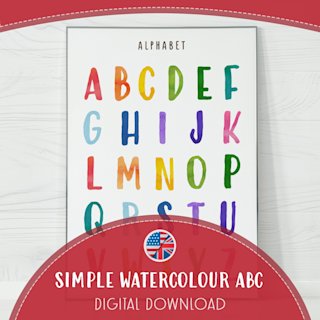
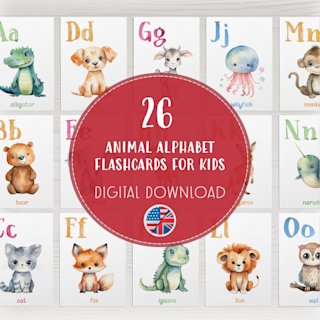
Pick one letter. Find it everywhere: on cereal boxes, signs, books. Trace it in sand, make it with play dough, find it on alphabet flashcards. One letter per day=the whole alphabet in under a month. See alphabet posters.
17. Simple Science: Baking Soda and Vinegar
Put baking soda in a dish. Let your child pour colored vinegar (add food coloring). Watch it fizz. "What happened? Why do you think it bubbled?" Science at age 3. See STEM activities.
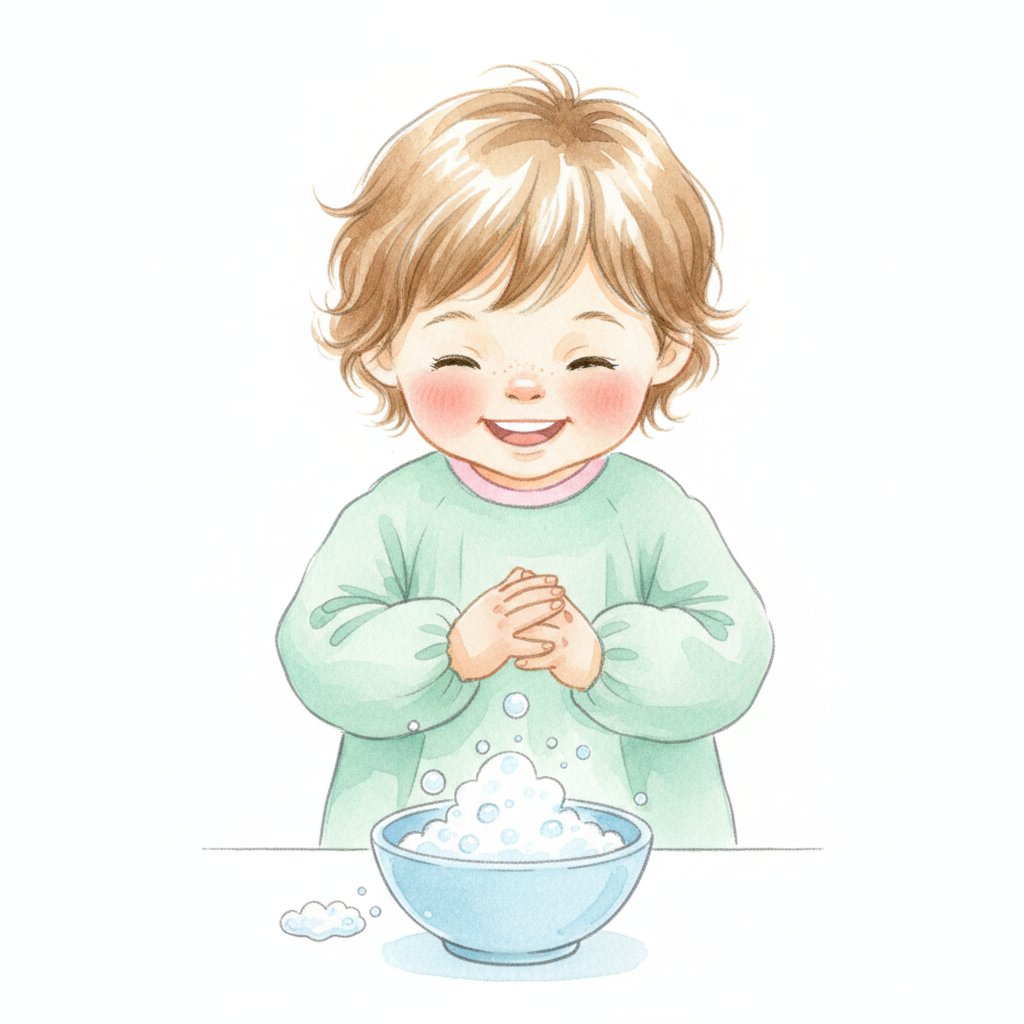
18. Emotion Check-In
Use emotion flashcards or feelings charts daily. "How are you feeling right now? Can you find the face that matches?" Emotional vocabulary is the foundation of self-regulation. See SEL activities and self-regulation strategies.
19. Pattern Block Designs
Wooden pattern blocks or magnetic tiles. "Can you make a house? A flower? A rocket?" Spatial reasoning, geometric thinking, and creativity. See shape games.
20. Story Retelling with Props
Read a familiar story. Give your child props to act it out: "We're Going on a Bear Hunt" with a blanket (grass), blue towel (river), pillows (cave). Comprehension through play. See reading aloud.
21. Scissor Snipping
Give your child safety scissors and strips of paper. "Can you snip the paper into pieces?" Start with snipping (one cut), progress to cutting along a line. See scissor skills activities.
22. Building with Blocks
Wooden blocks, Mega Bloks, or magnetic tiles. "Can you build a tower taller than your knee? Can you build a bridge?" Engineering thinking, balance, spatial reasoning. See STEM activities.
23. Sink or Float
Fill a tub with water. Gather small objects (cork, coin, plastic toy, leaf, rock). "What do you think — will it sink or float?" Test each one. Early hypothesis testing.
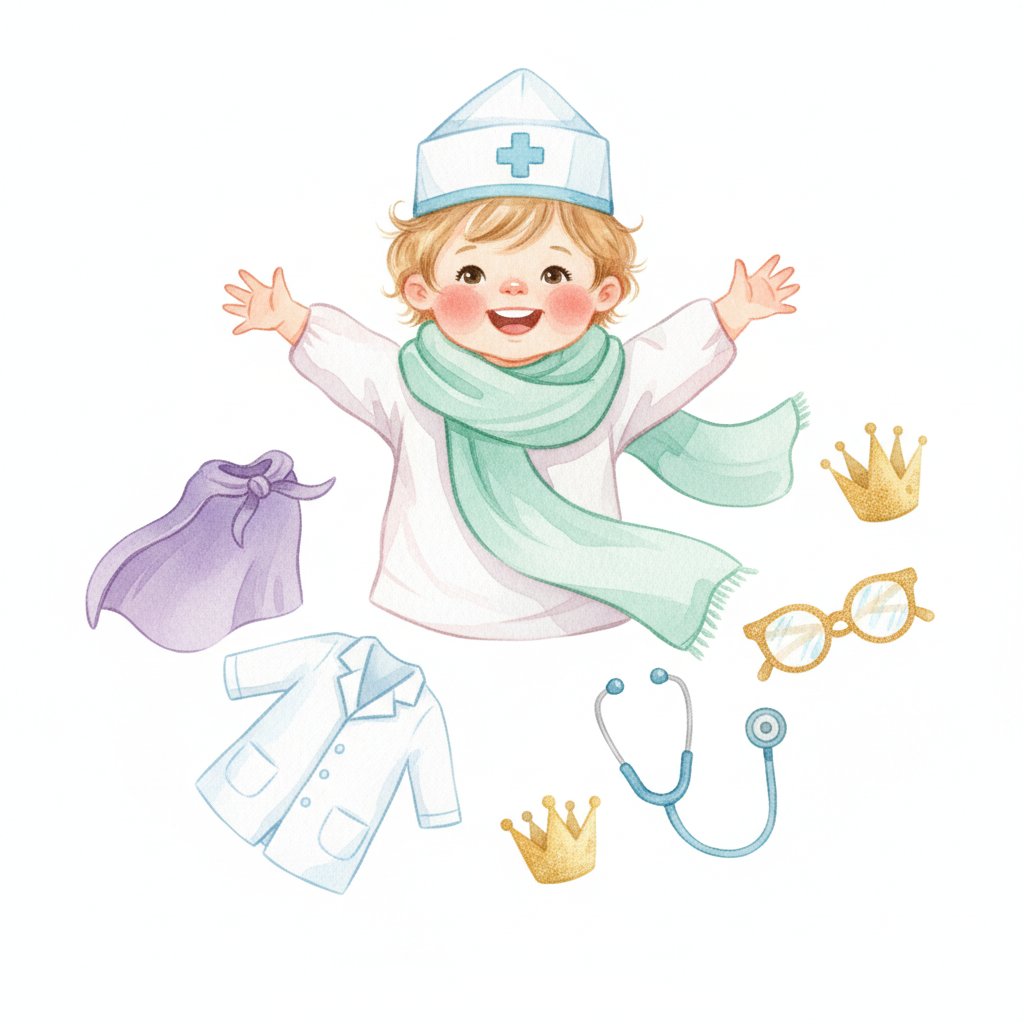
24. Dress-Up and Role Play
Set out hats, scarves, bags, old clothes. Your child transforms into a chef, a doctor, a construction worker. Role play builds empathy, vocabulary, and narrative thinking. See pretend play ideas.
Daily Schedule Framework (Ages 1-3)
You don't need a rigid schedule. But a loose rhythm helps toddlers feel secure:
| Time Block | Activity Type | Examples |
|---|---|---|
| Morning | Active / Outdoor | Park, walk, pillow mountain, water play |
| Mid-morning | Focused activity | Sensory bin, art, flashcards, puzzles |
| After nap | Quiet / Language | Books, music, storytelling, sticker art |
| Late afternoon | Active / Social | Playdate, park, movement games |
| Evening | Calming | Bath, books, songs, bedtime routine |
Toddlers need 15-30 minutes of focused activity at a time. The rest is free play, meals, transitions, and rest. See healthy habits routines.
What NOT to Worry About
Every toddler develops at their own pace. If your neighbor's child is counting to 20 and yours is still working on 1-5, that's perfectly normal. Focus on providing varied experiences, not hitting milestones by a deadline.
When you're ready to look ahead, our kindergarten readiness checklist for parents and beginning reading activities for kids show what comes next.
- Short attention spans are normal. A 1-year-old focusing for 2 minutes is age-appropriate. A 3-year-old for 5-8 minutes.
- Not sharing yet. Sharing is a developmental skill that emerges around 4-5. Before that, "taking turns" (with adult help) is the right expectation.
- Preferring some activities over others. Follow their interests. A child who loves trucks can count trucks, sort trucks by color, build roads for trucks, and tell stories about trucks.
- "Behind" on milestones. Development isn't a race. If you're concerned, talk to your pediatrician — but most "behind" toddlers catch up on their own timeline.
See ADHD-friendly activities and sensory play for children who need different approaches.
Looking for toddler learning tools? Our animal flashcards are perfect for first-word exploration. Emotion flashcards help toddlers name their feelings. Color posters and shape flashcards brighten any play space.
More guides for toddler parents:
- Brain-Building Activities for Toddlers
- Sensory Play Ideas
- Fine Motor Skills Activities
- Language Development Activities
- Movement Activities for Kids
- Music Activities for Preschool
- Drawing and Coloring Activities
- Pretend Play Ideas for Kids
- Screen-Free Activities for Kids
- Bedtime Routines for Kids
- Healthy Habits for Preschoolers
- Potty Training Tips
- Separation Anxiety in Kids
- Outdoor Learning Activities
- Reading Aloud to Kids