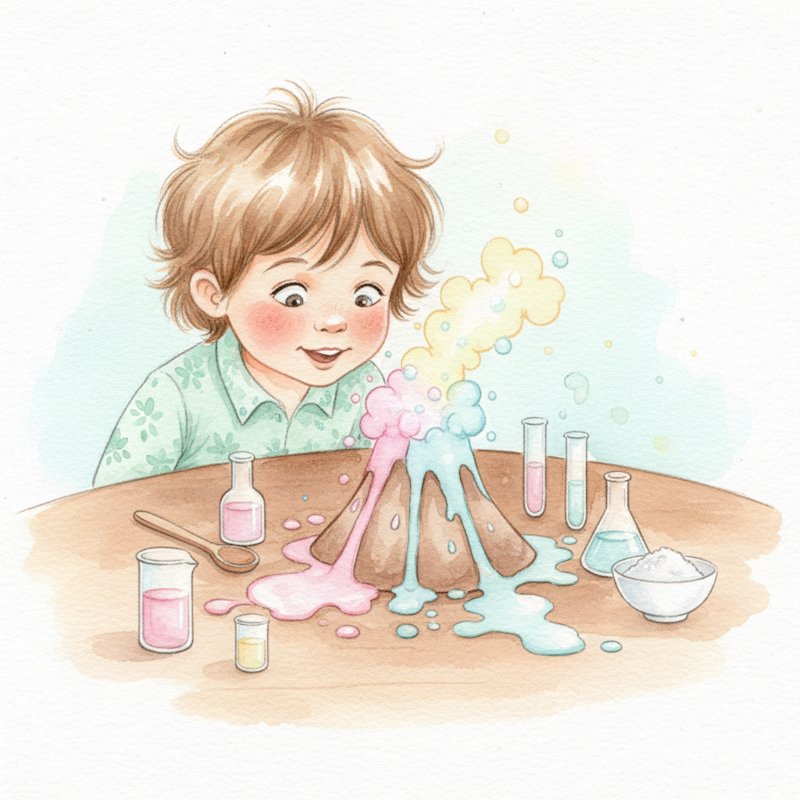
STEM Starts Before School
STEM (Science, Technology, Engineering, Math) isn't just for older kids. Preschoolers are natural scientists — they ask "why?" constantly, test hypotheses by dropping things, and engineer solutions by stacking blocks.
The National Science Teaching Association (NSTA) emphasizes that early STEM experiences build problem-solving habits that last a lifetime. The key is keeping it play-based and hands-on. No worksheets. No lectures. Just exploration.
For math-focused activities that complement STEM play, see our counting activities for preschoolers guide and math readiness for kindergarten activities.
Science Experiments (Ages 3-5)
1. Baking Soda and Vinegar Volcano
The classic. Put baking soda in a cup. Add vinegar. Watch it fizz. Ask: "What do you think will happen if we add more vinegar? Less?" Let them test. The scientific method in action: predict, test, observe.
2. Color Mixing Lab
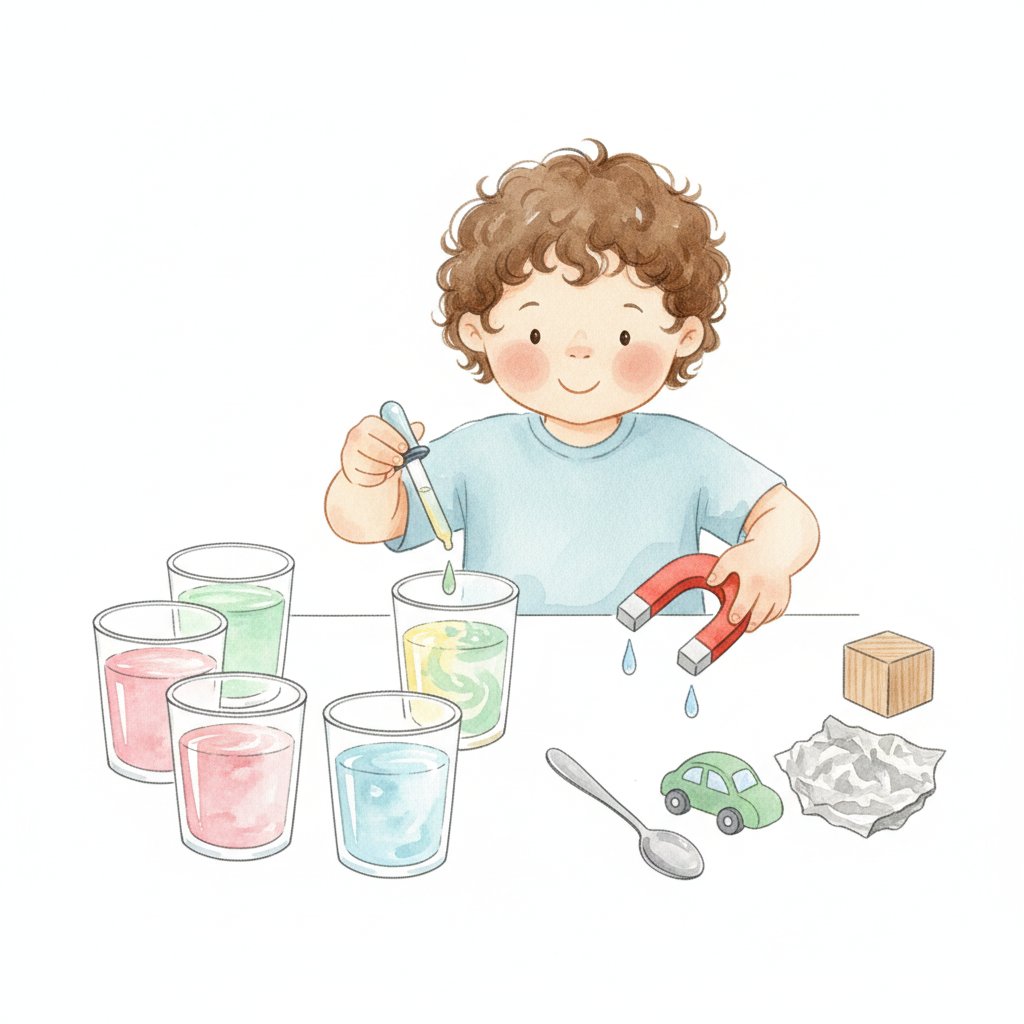
Fill three cups with water. Add red food coloring to one, blue to another, yellow to the third. Give your child an empty cup and an eye dropper. "What happens when you mix red and blue?" Free exploration with color activities.
3. Magnet Hunt
Give your child a fridge magnet. Walk around the house testing what it sticks to. Sort objects into "magnetic" and "not magnetic." Ask: "What do the magnetic things have in common?"
4. Seed Sprouting
Put a bean seed in a ziplock bag with a damp paper towel. Tape to a window. Check daily. Draw what you see. Roots appear in 2-3 days, shoots in 4-5. A complete life cycle observation in a week.
5. Ice Melting Race
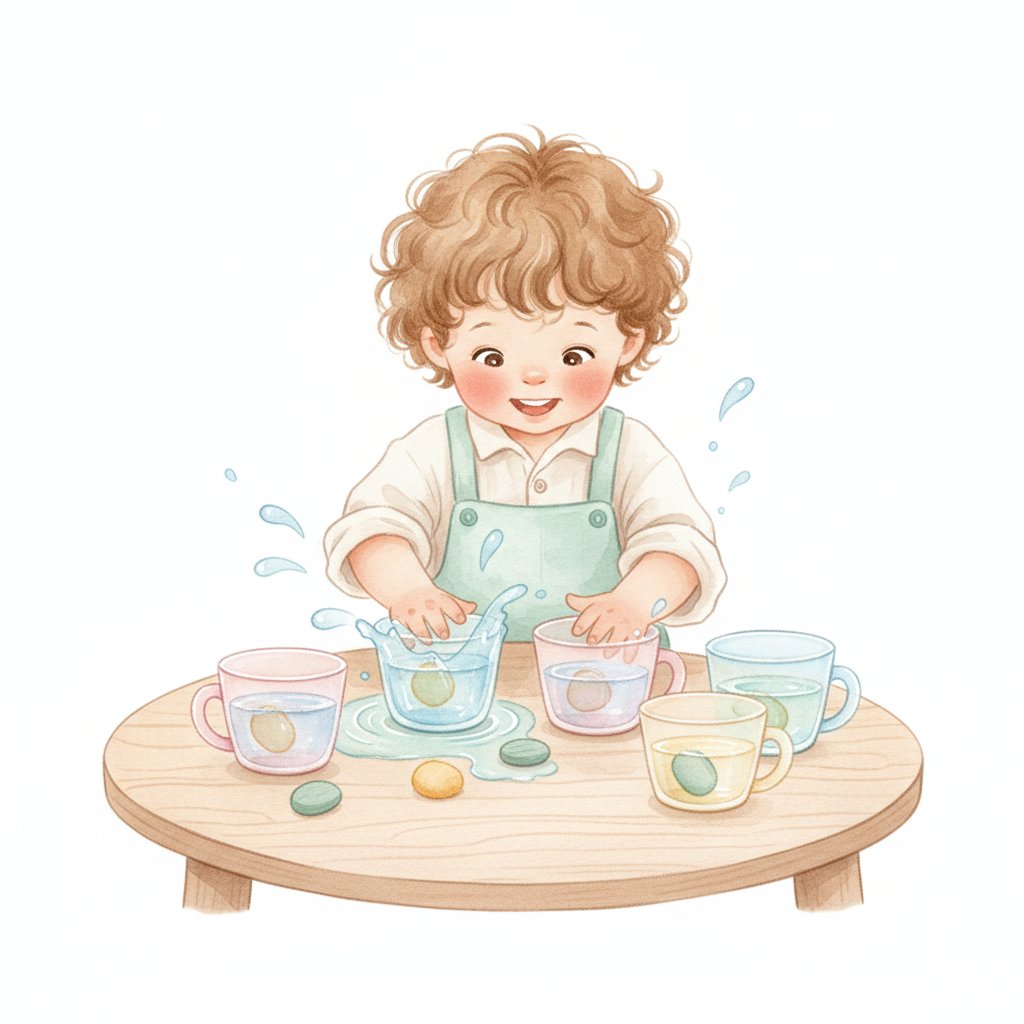
Freeze small toys in ice cubes. Give your child warm water, salt, and a dropper. "How fast can you free the toy?" Compare methods: warm water vs. salt vs. room temperature. See sensory play ideas.
Technology Activities (Ages 3-5)
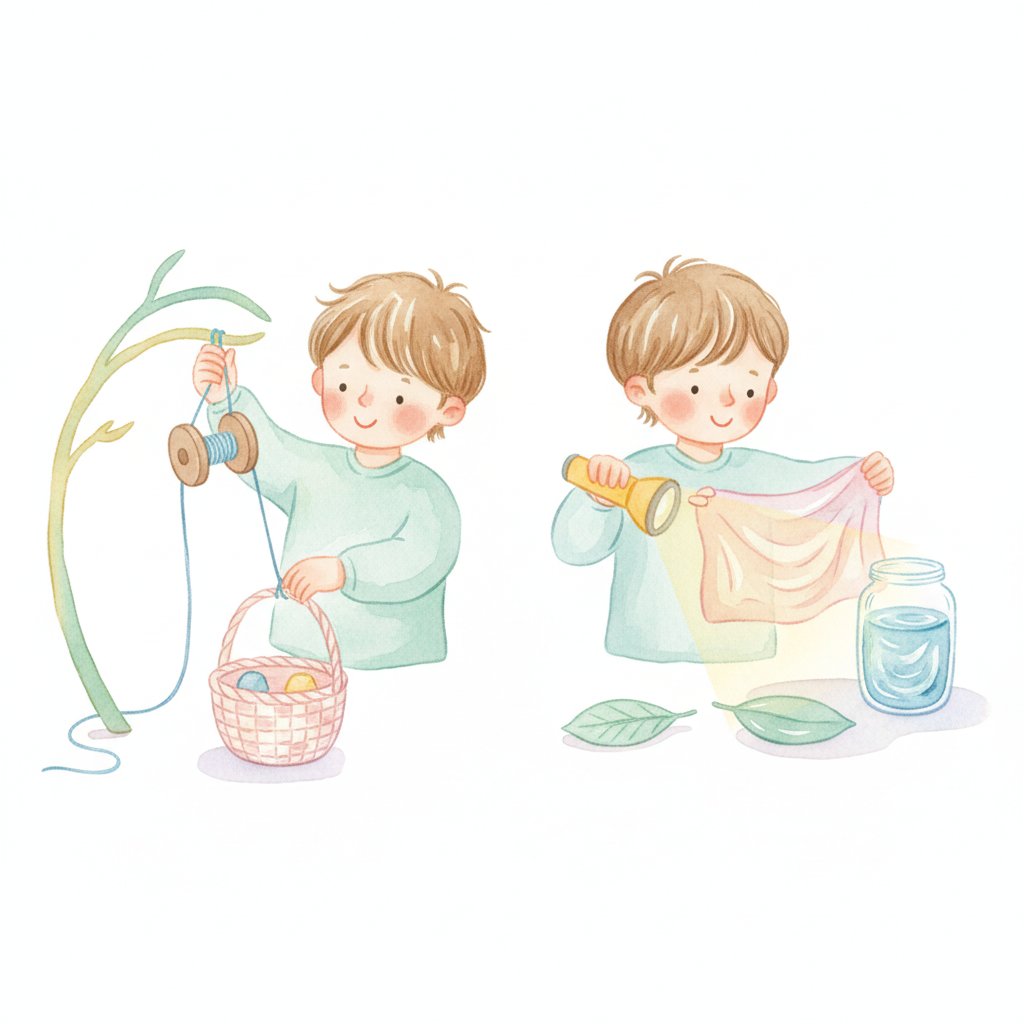
Technology for preschoolers doesn't mean screens. It means tools, simple machines, and understanding how things work.
6. Build a Pulley
Thread a string through a thread spool. Tie one end to a small basket. Pull the other end to lift the basket. "This is how elevators work!" Simple machines in action.
7. Shadow Tracking
Place a toy outside in the morning. Trace its shadow with chalk. Check again at lunch and afternoon. "Why does the shadow move?" The sun's position creates different shadows — astronomy in the driveway.
8. Take-Apart Station
Save broken small appliances (fans, keyboards, phones — remove batteries first). Give your child a screwdriver and let them disassemble. "What's inside? What do the wires do?" Reverse engineering for 4-year-olds.
9. Ramp Engineering
Prop a board on books at different angles. Roll cars, balls, and blocks down. "Which angle makes the car go fastest? Farthest?" Physics through play.
10. Flashlight Exploration
Shine a flashlight through different materials: wax paper, plastic wrap, cardboard, water, colored cellophane. "Which ones let light through? Which block it?" Introduces transparency, translucency, and opacity.
Engineering Challenges (Ages 3-5)
11. Build the Tallest Tower
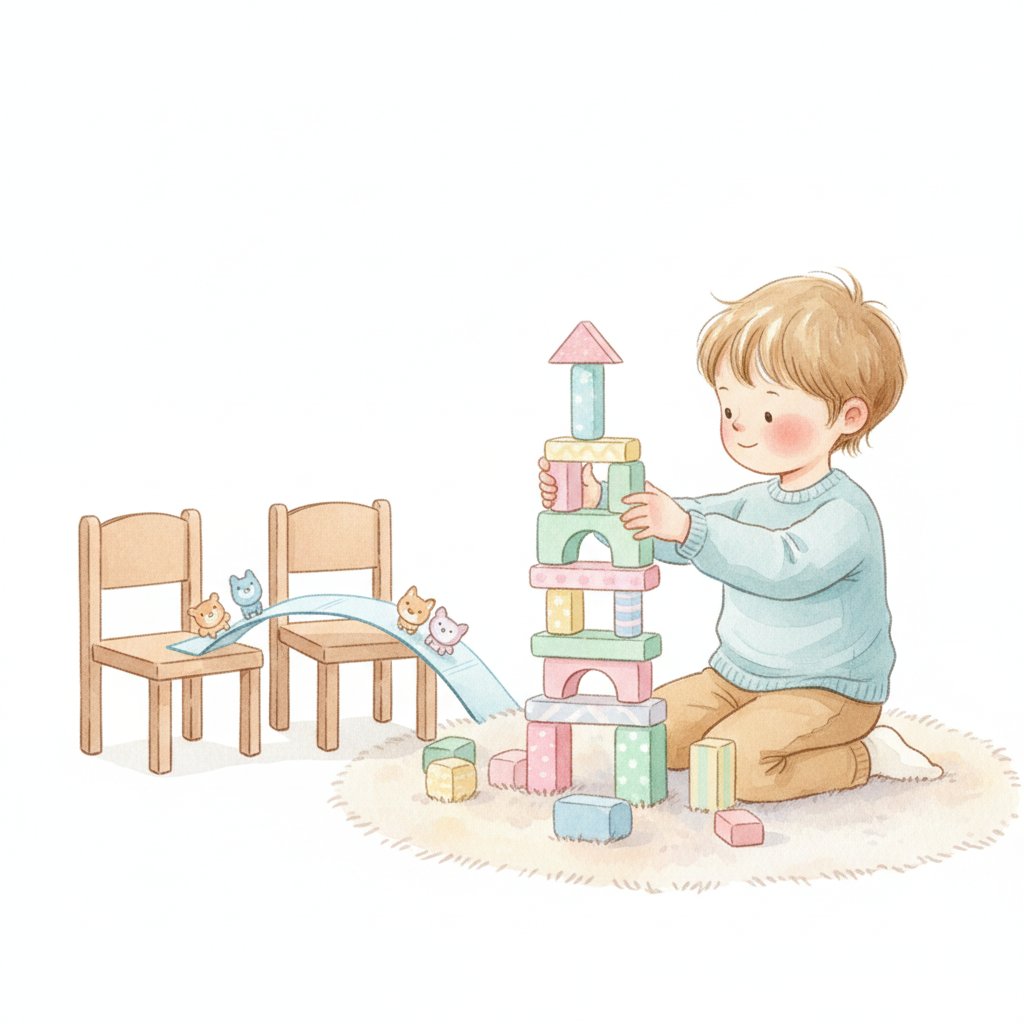
Give your child a set of materials (blocks, cups, or cardboard boxes). Challenge: "Build the tallest tower you can." When it falls: "What made it fall? How can you make it stronger?" Engineering is about failing and trying again.
12. Bridge Building
Place two chairs 8 inches apart. "Build a bridge between them using only paper and tape." Test with toy cars. Redesign when it sags. See shape activities for structural concepts.
13. Egg Drop Challenge (Simplified)
Wrap a raw egg in different materials (newspaper, bubble wrap, cotton balls, nothing). Drop from knee height, then waist height. "Which wrapping protected the egg best? Why?" Impact absorption and the engineering design process.
14. Water Dam
In a sandbox or sensory bin, build a river with water. Challenge: "Build a dam that stops the water." Use sand, rocks, sticks, clay. Test and redesign.
15. Zip Line for Toys
String a line between two points. Attach a small toy to a paper clip on the line. "How can you make it go faster? Slower?" Angle, weight, and friction — physics through play. See movement activities.
Math Activities (Ages 2-5)
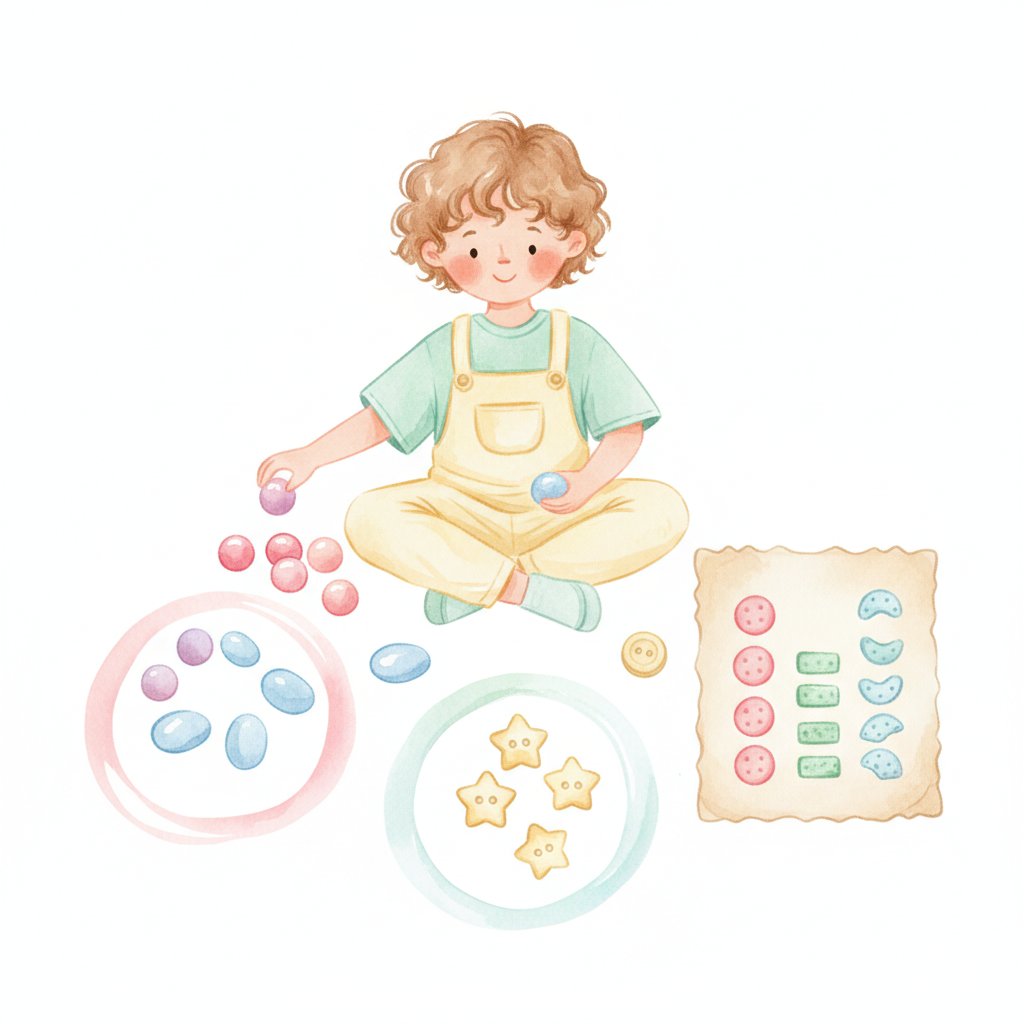
16. Sorting and Classifying
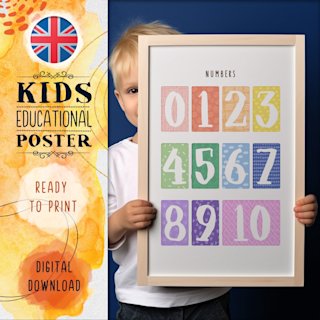
Give your child a mixed bowl of objects (buttons, pasta shapes, coins, beads). "Sort them however you want." Observe: do they sort by color? Size? Shape? Material? Classification is a fundamental science skill. Use number flashcards for counting practice.
17. Pattern Making
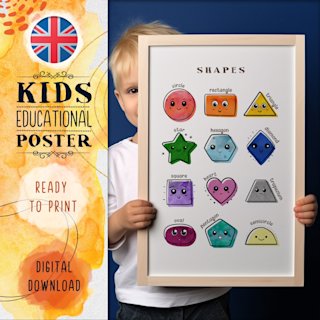
Create patterns with objects: red block, blue block, red block, blue block. "What comes next?" Advance to ABB, ABC, and growing patterns. Use shape flashcards.
18. Measurement Scavenger Hunt
"Find something longer than your arm. Find something shorter than your pencil. Find something the same length as your foot." Non-standard measurement builds understanding before rulers. See math readiness activities.
19. Graphing with Snacks
Give your child a handful of colored snacks (goldfish, M&Ms, fruit snacks). Sort by color. Make a graph on paper. "Which color has the most? The least?" Real data analysis. See counting activities.
20. Building Fractions
Cut a sandwich, pizza, or apple into pieces. "If we cut it in half, how many pieces? If we cut each half in half, how many?" Fractions you can eat. See skip counting activities.
STEM Vocabulary for Parents
Use these words during activities to build scientific language:
| Word | How to Use It |
|---|---|
| Hypothesis | "What's your hypothesis — will it sink or float?" |
| Observe | "Let's observe what happens when we add water." |
| Compare | "Let's compare the heavy ball and the light ball." |
| Predict | "What do you predict will happen next?" |
| Measure | "How can we measure which tower is taller?" |
| Data | "Let's collect data — write down what happens each time." |
| Engineer | "Let's engineer a solution to this problem." |
| Variable | "What if we change one thing — the ramp angle?" |
Big words don't confuse children — they expand them. See vocabulary building activities and language development.
STEM and Fine Motor Skills
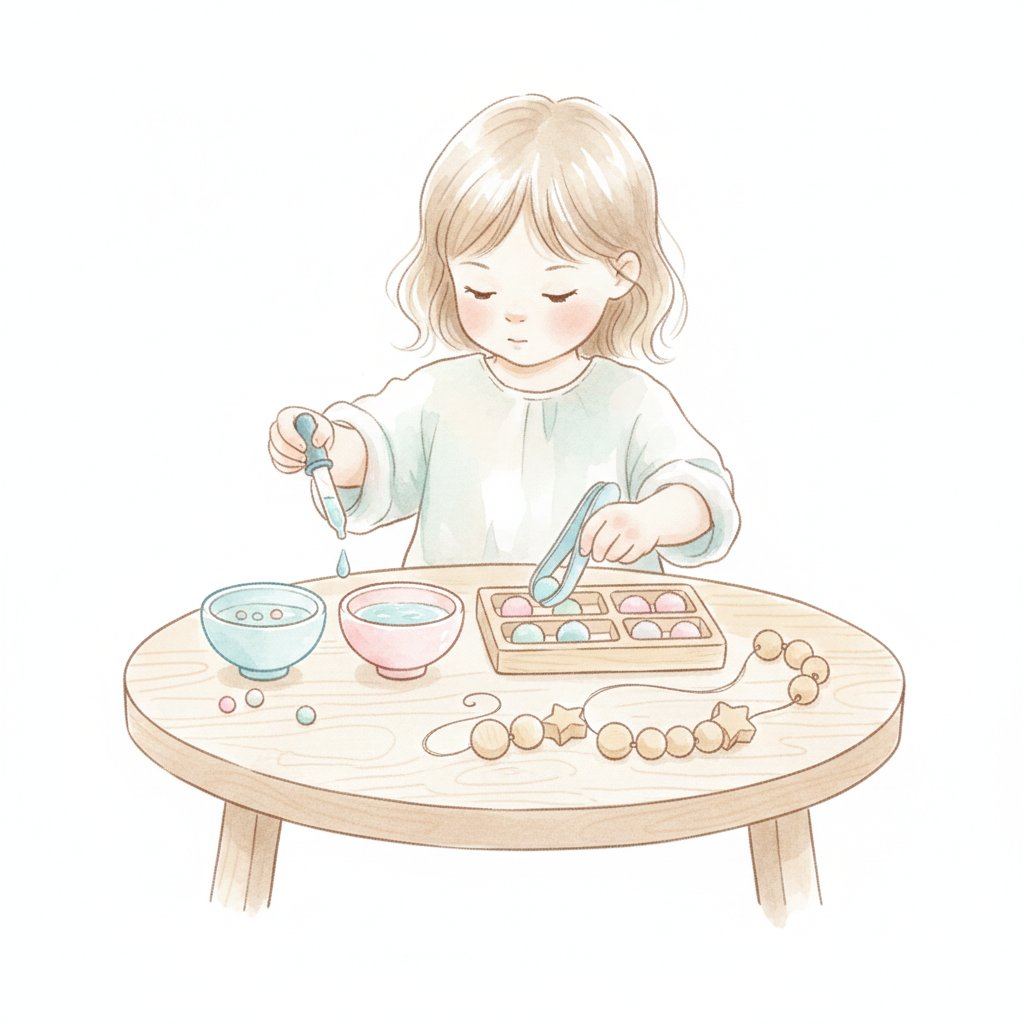
STEM activities naturally build fine motor skills:
- Using eye droppers (pincer grip)
- Stacking small objects (precision)
- Stringing beads (hand-eye coordination)
- Using tweezers to sort materials (grip strength)
- Drawing observations (pencil control, handwriting readiness)
Making STEM Part of Daily Life
STEM learning happens everywhere — the kitchen, the bathtub, the backyard. For more everyday learning ideas, see our screen-free activities for kids and outdoor learning activities for kids.
STEM doesn't need special time. It's everywhere:
- Cooking: Measuring, mixing, temperature changes (chemistry)
- Grocery store: "Which apple is heaviest? How many bananas are in this bunch?"
- Bath time: Pouring, sinking, floating, volume
- Walking: Counting steps, observing weather, collecting rocks
- Bedtime: "Where does the sun go? Why do stars come out?"
The best STEM learning happens when children are curious and parents are willing to say: "I don't know — let's find out together."
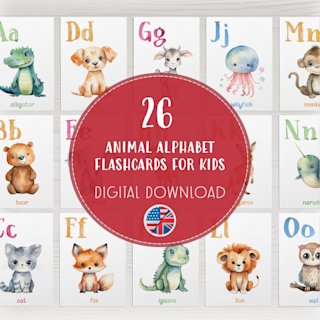
Looking for learning tools? Our printable flashcards support STEM learning through sorting, counting, and categorizing activities — all screen-free.
More learning guides:
- Math Readiness for Kindergarten
- Counting Activities for Preschoolers
- Number Flashcards for Kids
- Sensory Play Ideas
- Fine Motor Skills Activities
- Brain-Building Activities for Toddlers
- Activities for Advanced Learners
- Shape Games for Kindergarten
- Kindergarten Readiness Checklist
- Screen-Free Activities for Kids
- Language Development Activities