Why Screen-Free Time Matters
The American Academy of Pediatrics recommends no more than 1 hour of high-quality screen time per day for children ages 2-5. But knowing the limit and filling the rest of the day are two different things.
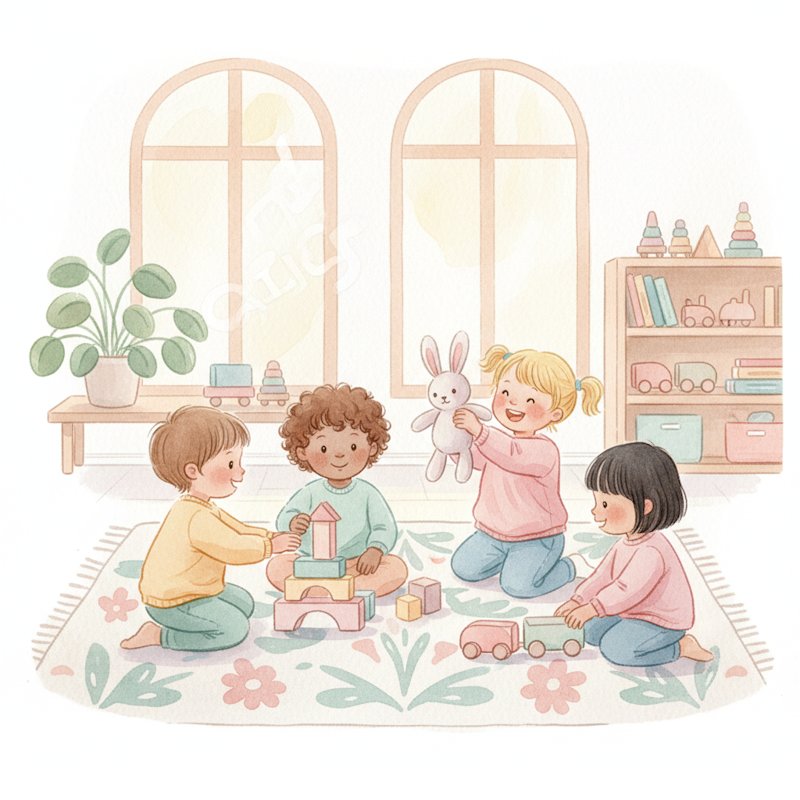
Screen-free play builds skills that screens can't: creativity, problem-solving, social negotiation, physical coordination, and sustained attention. When children are bored without screens, they learn to entertain themselves — a skill that serves them for life.
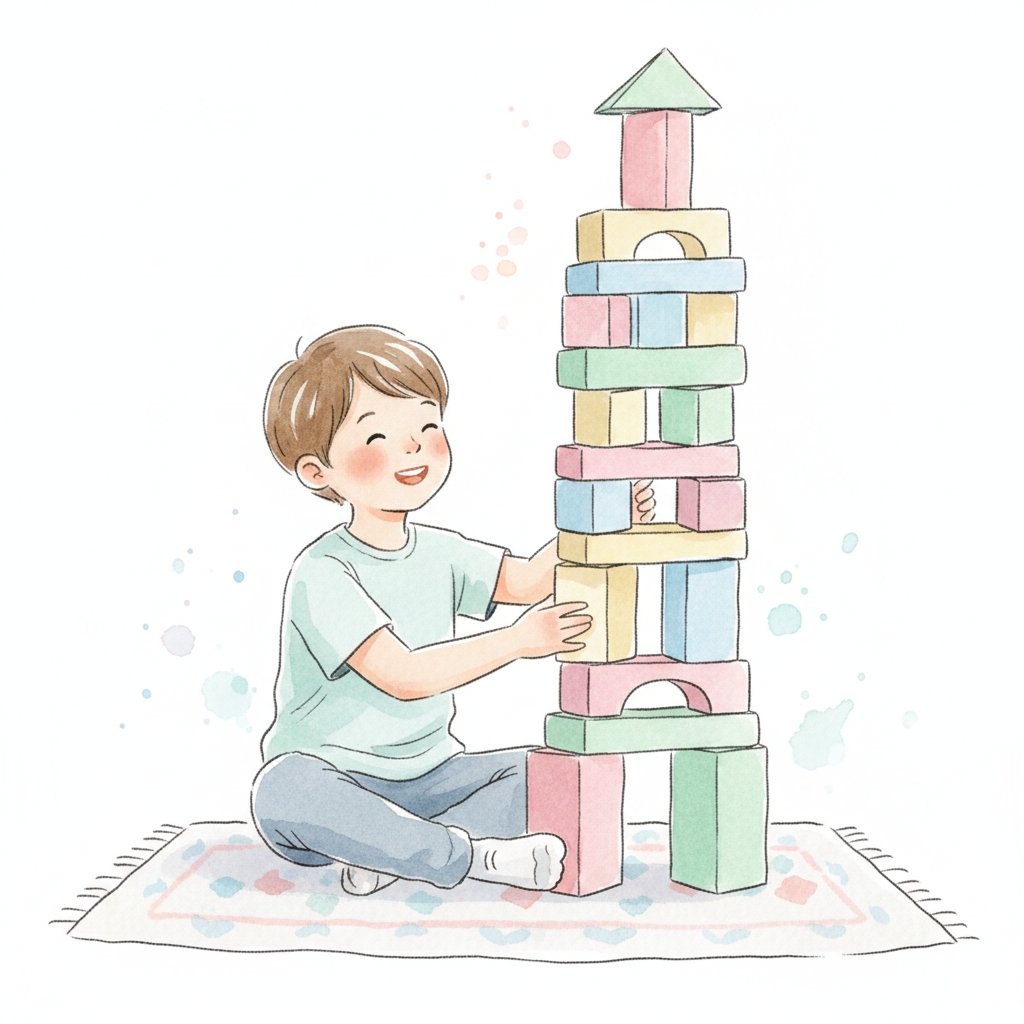
Here are screen-free activities organized by type. Most need nothing more than household items.
For more structured learning ideas, see our STEM activities for preschoolers at home and sensory play ideas for toddlers and preschoolers. Both are naturally screen-free.
Quick Activities (5-10 Minutes)
These work when you need something fast — waiting for dinner, between activities, or when you hear "I'm bored."
1. Alphabet Hunt (Ages 3-5)
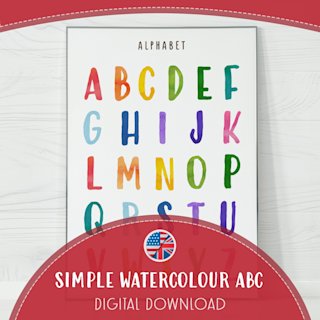
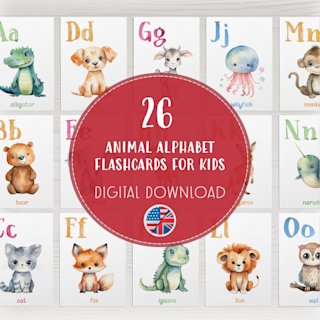
Find objects around the room that start with each letter. "A is for... apple! B is for... book!" Use alphabet flashcards to draw a letter and hunt for it.
2. Mirror Me (Ages 2-4)
Stand facing your child. You move — they copy exactly. Switch roles. Builds body awareness and attention.
3. Speed Sorting (Ages 3-5)
Dump a bin of mixed objects (blocks, crayons, coins, buttons). Sort by color, then by size, then by shape. How fast can you do it?
4. Would You Rather? (Ages 3-5)
"Would you rather be a bird or a fish? Why?" Builds reasoning and conversation skills. No materials needed — works anywhere.
5. Counting Steps (Ages 2-4)
Count steps from the couch to the kitchen. Then to the door. Then to the bedroom. Which room is farthest? See counting activities.
Creative Play (15-30 Minutes)
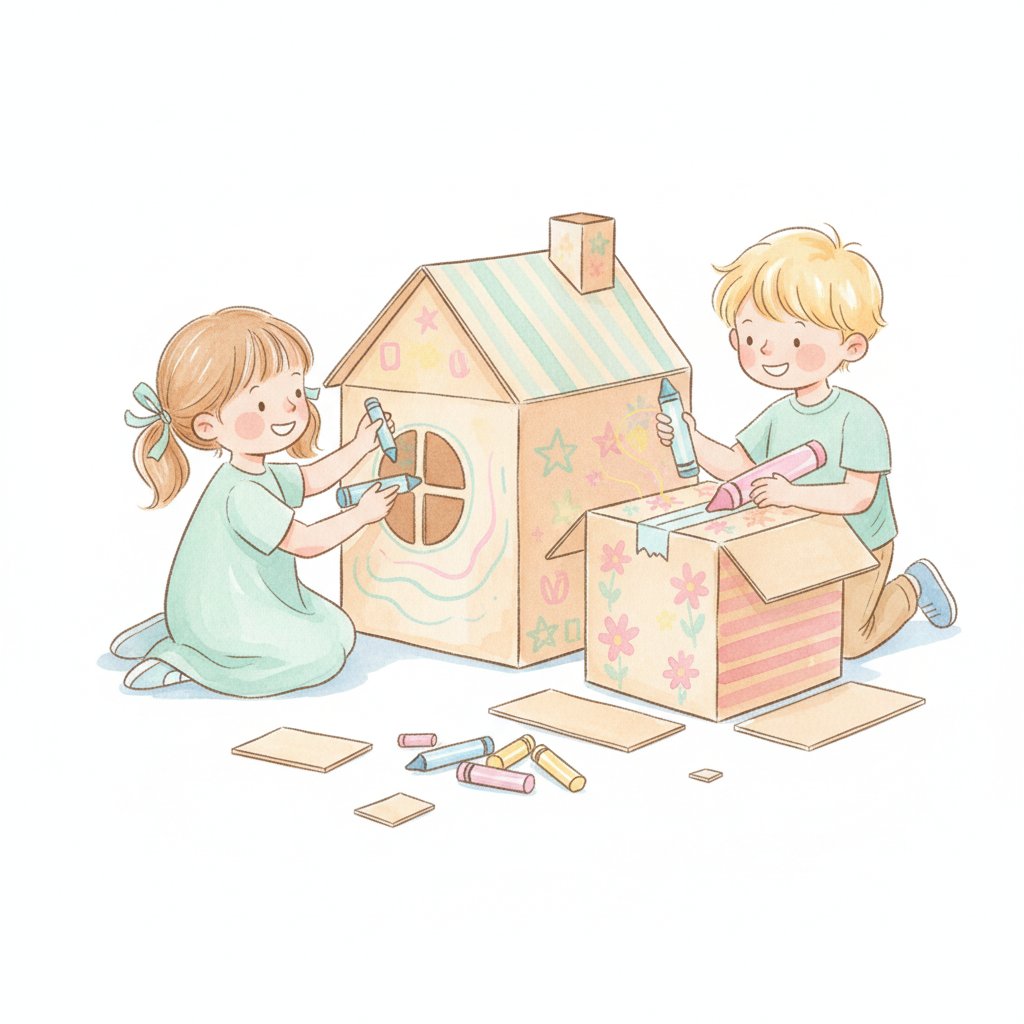
6. Cardboard Box City (Ages 3-5)
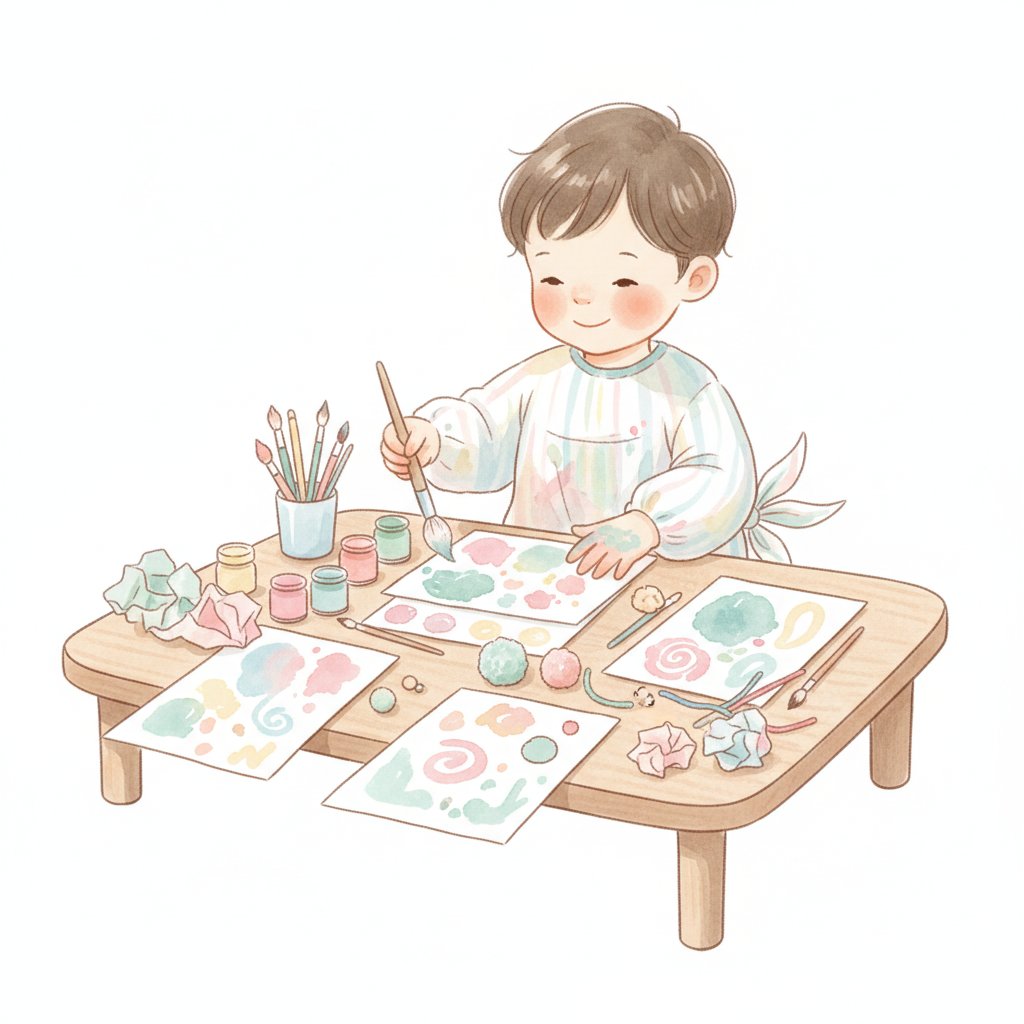
Save delivery boxes. Cut doors and windows. Decorate with crayons and stickers. Arrange into a city. Hours of open-ended play from a free material.
7. Drawing Stories (Ages 4-5)
Fold a paper into 4-6 panels. Your child draws a story, one panel at a time. Then they tell you the story. Builds sequencing and narrative skills. See language development activities.
8. Play-Doh Creatures (Ages 2-4)
Make animals from play dough. Name them. Give them personalities. "This is Gerald. He's afraid of the dark but loves to dance." Use animal flashcards as inspiration.
9. Costume Box (Ages 2-5)
Fill a box with old hats, scarves, aprons, sunglasses, and purses. Put on a "show." Dramatic play builds language, empathy, and creativity.
10. Nature Collage (Ages 3-5)
Collect leaves, sticks, flowers, and pebbles outside. Glue onto paper to create pictures. Add crayon details. See nature flashcards for ideas.
Learning Activities (15-20 Minutes)
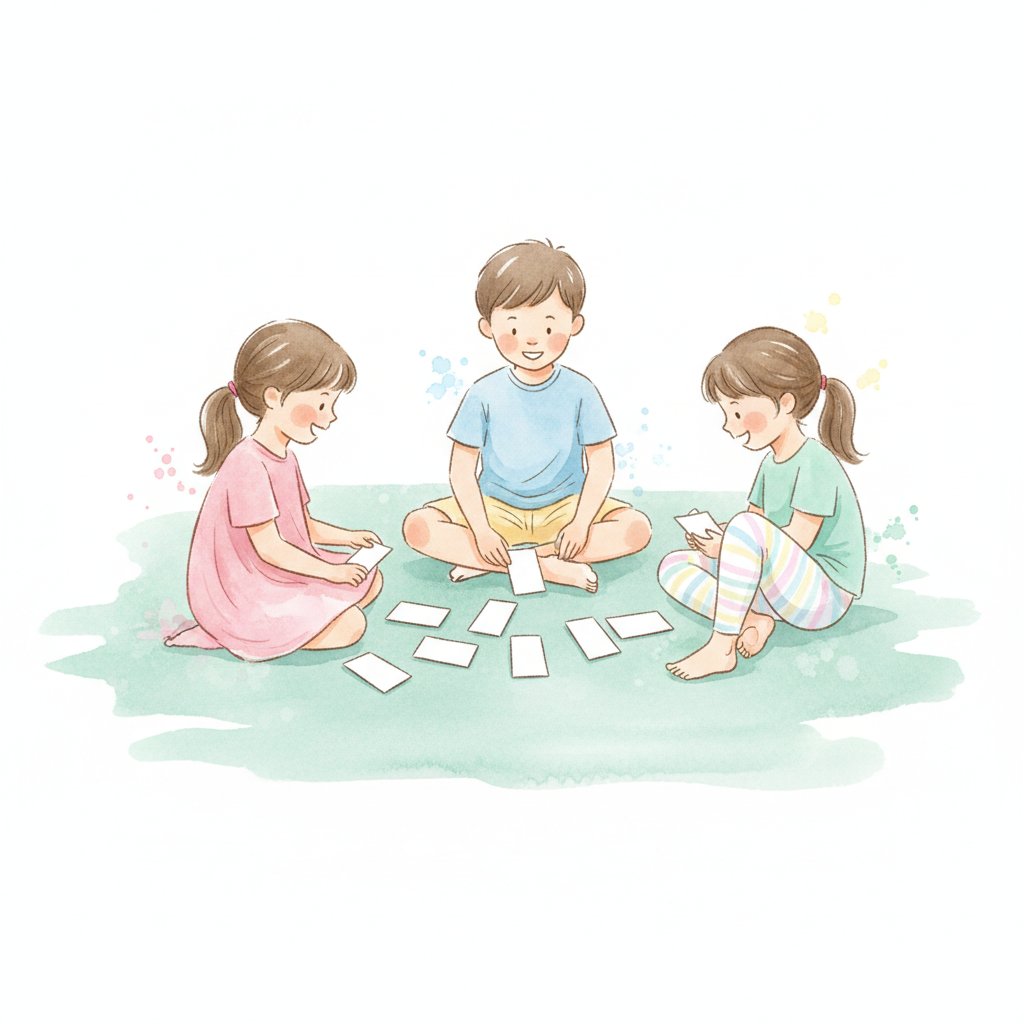
11. Flashcard Games (Ages 2-5)
Printable flashcards are endlessly versatile without screens:
- Memory match: Pairs face down, flip two at a time
- Sorting: Group by category (animals vs. objects)
- Hunt: Hide cards around the room, find and name each one
- Action draw: Pull a card, act it out or draw it
Use number flashcards, shape flashcards, or sight word cards for variety.
12. Sink or Float Science (Ages 3-5)
Fill a bin with water. Test objects: rock, crayon, leaf, spoon, ball, coin. Predict first, then test. A real science experiment with zero screens.
13. Kitchen Math (Ages 3-5)
Cook together. Count eggs. Measure flour. "We need 2 cups — let's count: 1, 2." Fractions with pizza slices. More/less with snack portions. See math readiness activities.
14. Shadow Tracing (Ages 3-5)
Place objects on paper in sunlight. Trace the shadows. Move the object and trace again. Compare shapes. Builds observation and fine motor skills.
15. Build a Fort (Ages 2-5)
Blankets + chairs + clothespins=fort. Children plan, problem-solve, and cooperate. Then they "live" in the fort — reading, coloring, or having a snack inside.
Outdoor Screen-Free Play
16. Sidewalk Chalk Gallery (Ages 2-5)
Draw on the driveway. Theme days: animals, letters, numbers, self-portraits. Wash it away and start fresh tomorrow.
17. Bug Hunt (Ages 3-5)
Bring a magnifying glass outside. Look under rocks, on leaves, in the grass. How many different bugs can you find? Count legs. Describe colors. No screen needed to be fascinated by nature.
18. Balance Beam (Ages 2-4)
Place a 2x4 board flat on the grass (or use a painted line on concrete). Walk across without falling off. Walk backwards. Walk on tiptoes. Builds balance and gross motor skills.
19. Nature Bingo (Ages 3-5)
Create a simple bingo card: "Find a brown leaf, a smooth rock, something red, a Y-shaped stick, a flower." Walk until you find them all. See seasonal learning activities for themed versions.
20. Water Play (Ages 1-4)
A bucket of water, cups, funnels, and spoons. Pour, scoop, transfer. Toddlers will do this for 30+ minutes. It's sensory play and science combined.
Quiet Time (20-30 Minutes)
21. Audio Stories (Ages 3-5)
Audiobooks and storytelling podcasts (no screen). Children listen and imagine. Different brain activity than watching — they build mental images instead of receiving them.
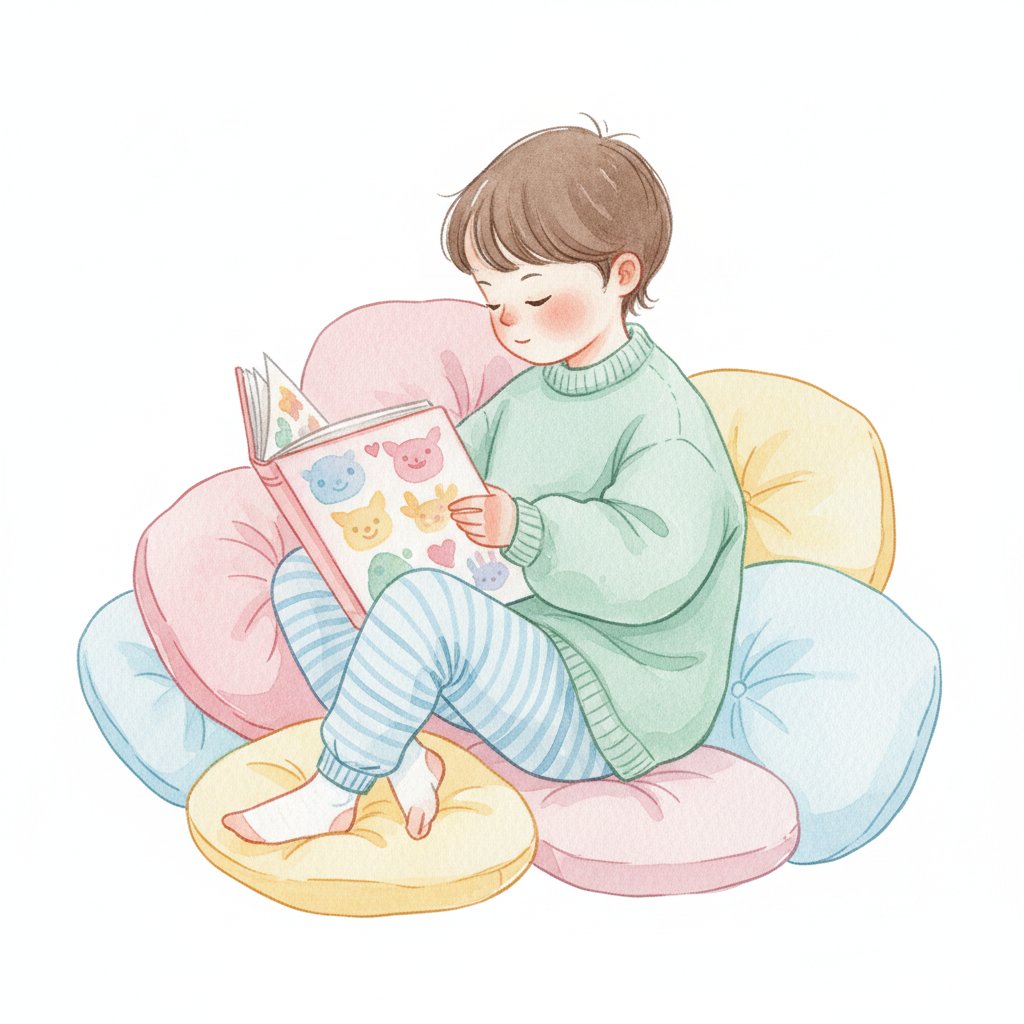
22. Reading Corner (Ages 2-5)
A cozy spot with pillows and a basket of books. Let your child "read" independently — looking at pictures, retelling familiar stories, or making up new ones. Sight word practice for older kids.
23. Coloring and Drawing (Ages 2-5)
Keep a box of crayons and blank paper always accessible. No coloring books needed — blank paper encourages more creativity. Add color posters for color-word reference.
24. Puzzles (Ages 2-5)
Start with 12-piece puzzles for age 3, 24-piece for age 4, 48-piece for age 5. Puzzles build spatial reasoning, patience, and visual memory — all without a screen.
25. Calm-Down Corner (Ages 2-5)
A designated quiet space with soft pillows, emotion flashcards, and a feelings chart. Children learn to self-regulate without screens as a pacifier. See self-regulation strategies.
When You're Tempted to Use a Screen
Screen time isn't bad — it's just one tool. Here's when parents reach for screens most, and screen-free alternatives:
| Situation | Screen-Free Swap |
|---|---|
| Making dinner | Independent play-dough or drawing at the kitchen table |
| Car ride | Audio stories, flashcard games, I Spy |
| Restaurant | Crayons + paper, small puzzle, sticker book |
| Doctor waiting room | "I Spy" book, quiet guessing games |
| Early morning | Book basket next to bed, puzzles |
| Before bed | Reading, calm music, gentle stretching |
Building a Screen-Free Home Culture
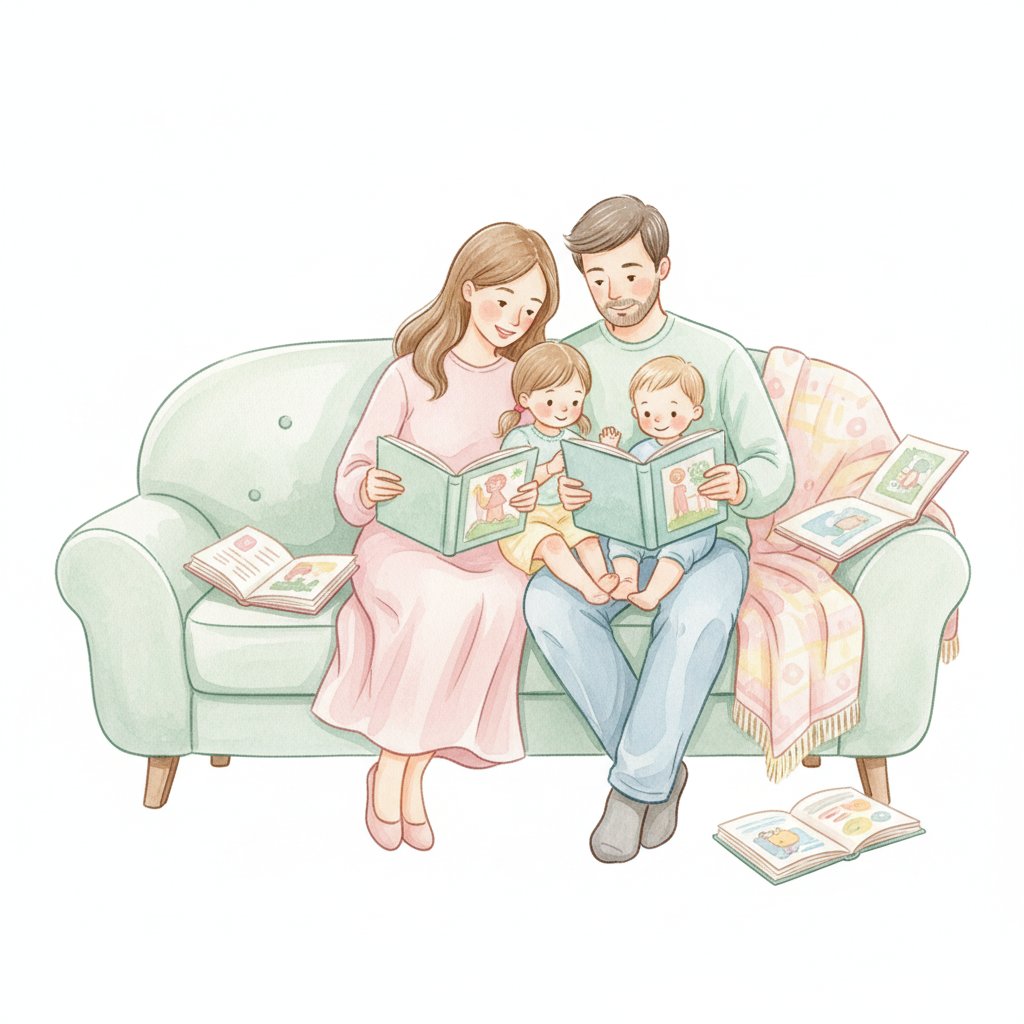
The best way to reduce screen time is to make non-screen activities more appealing. For ideas, see our toddler activities for play and learning and outdoor learning activities for kids.
The hardest part isn't finding activities — it's breaking the screen habit.
- Keep screens out of bedrooms — children with TVs in their rooms watch 2x more
- Make screen-free activities visible — books, art supplies, and puzzles at eye level
- Model it — put your own phone away during play time
- Don't use screens as rewards or punishments — it makes them more desirable
- Fill the day first — planned activities prevent the "nothing to do" spiral that leads to screens
Looking for learning tools? Our Monster Feelings Flashcards give you a screen-free activity that builds emotional vocabulary — use them for memory games, sorting, and feeling charades.
More screen-free learning guides:
- Brain-Building Activities for Toddlers
- Sensory Play Ideas
- Music Activities for Preschool Kids
- Movement Activities for Kids
- Fine Motor Skills Activities
- Printable Flashcards for Kids
- Language Development Activities
- Kindergarten Readiness Checklist
- Seasonal Learning Activities