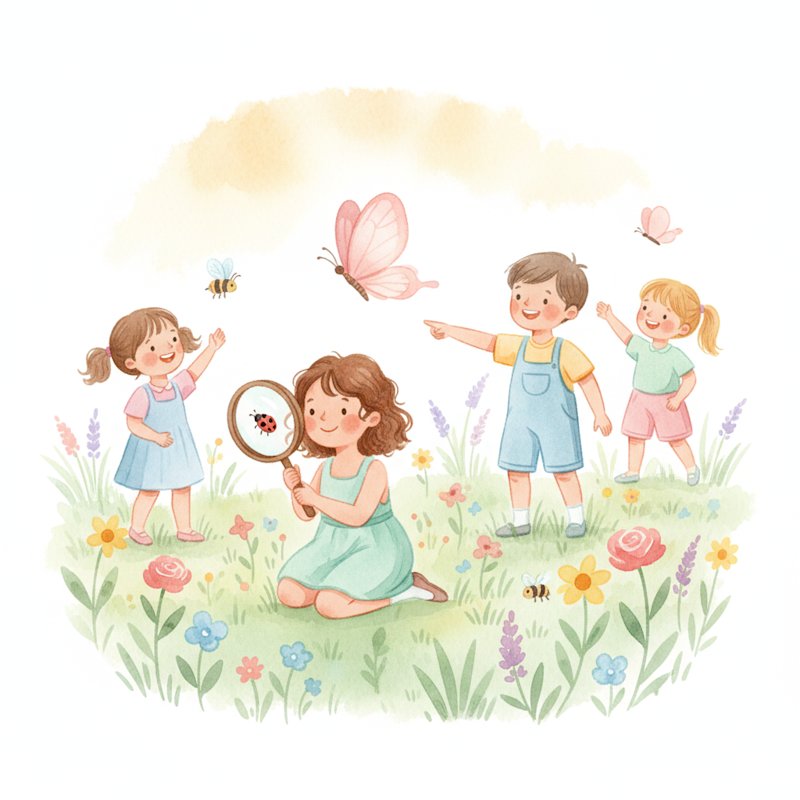
The Outdoors Is the Best Classroom
Research from the Children & Nature Network shows that outdoor learning improves focus, reduces stress, boosts creativity, and strengthens motor development. Children who spend regular time outdoors score higher on attention measures and show fewer behavioral problems.
You don't need a forest or a field trip. A backyard, a park, or even a sidewalk planter strip offers enough nature for meaningful learning.
For indoor learning options on rainy days, see our screen-free activities for kids and sensory play ideas for toddlers and preschoolers.
Nature Walk Activities (Ages 2-6)
1. Color Scavenger Hunt
Give your child paint sample cards from a hardware store. Challenge them to find something in nature that matches each color. "Can you find something this exact shade of green?" Builds color recognition and observation skills.
2. Texture Collection
Bring a bag and collect items by texture: smooth (river rock), rough (tree bark), soft (moss), prickly (pinecone), fuzzy (lamb's ear leaf). At home, sort and glue into a "texture book." See sensory play ideas.
3. Counting Walk
"How many red cars can we count? How many birds? How many puddles?" Turn any walk into a counting activity. Use number flashcards to track.
4. Alphabet Nature Hunt
Find something in nature for each letter: A (acorn), B (bark), C (clover)... How far can you get? Great for letter recognition and phonics practice.
5. Shadow Measuring
On a sunny day, trace your child's shadow with chalk at different times. "Is your shadow longer in the morning or at lunch?" Introduces the sun's movement — astronomy in the driveway. See STEM activities.
Garden Science (Ages 3-6)
6. Plant a Seed, Watch It Grow
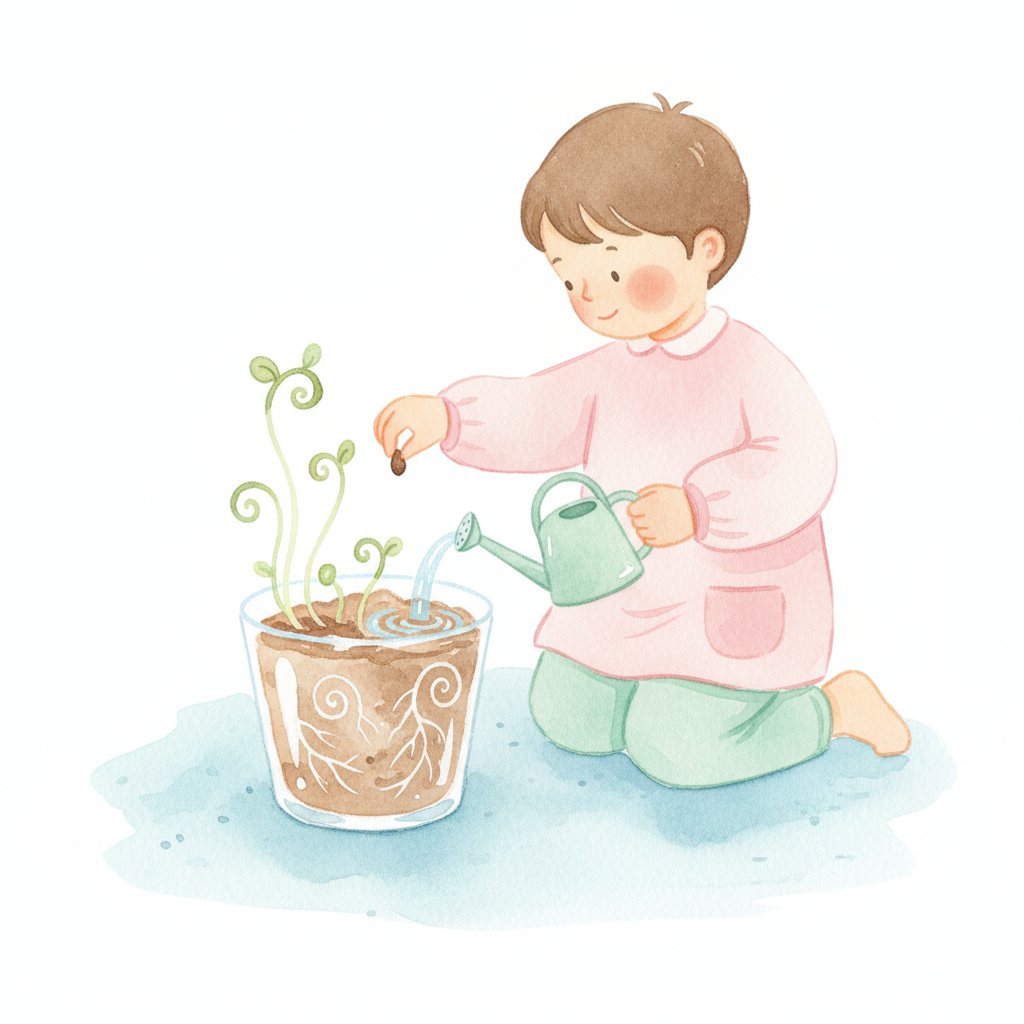
Radishes sprout in 3-4 days. Beans in 4-5 days. Sunflowers in 7-10 days. Plant in a clear cup so your child can see the roots grow. Draw the progress every 2 days. A complete life cycle observation.
7. Composting for Kids
Start a small compost bin: fruit peels, vegetable scraps, leaves, coffee grounds. No meat or dairy. Turn weekly. "Where did the banana peel go? Why did it turn into dirt?" Decomposition in real time.
8. Herb Sensory Garden
Plant mint, basil, rosemary, and chives in pots. Each has a distinct smell and texture. Blindfold your child: "Smell this — which herb is it?" Multi-sensory learning. See sensory play.
9. Worm Observation
Find worms after rain. Put one in a jar with soil. Observe for 10 minutes. "How does it move? Which end is the head?" Release it back where you found it. Biology meets empathy.
10. Rain Gauge
Tape a ruler to the inside of a clear plastic cup. Leave it outside. Check after each rain. "How much rain did we get today? Was yesterday's rain more or less?" Measurement and data collection. See math readiness.
Outdoor Math (Ages 3-5)
11. Rock Sorting and Counting
Collect 20 rocks. Sort by size (small, medium, large), color (light, dark), or texture (smooth, rough). Count each group. Which has the most? Skip counting with rocks: "2, 4, 6, 8..."
12. Nature Patterns
Collect leaves, sticks, and stones. Make patterns: leaf, stick, leaf, stick. "What comes next?" Advance to three-part patterns: leaf, stick, stone, leaf, stick, stone. See shape activities.
13. Hopscotch Math
Draw a hopscotch grid. Instead of just numbers, write simple problems: "1+2", "3-1", "4+1". Your child hops to the answer. Number recognition meets gross motor practice.
14. Puddle Geometry
After rain, find puddles. "Is this puddle a circle or an oval? Which puddle is bigger? How could we measure it?" Informal geometry with shape concepts.
Outdoor Art (Ages 2-6)
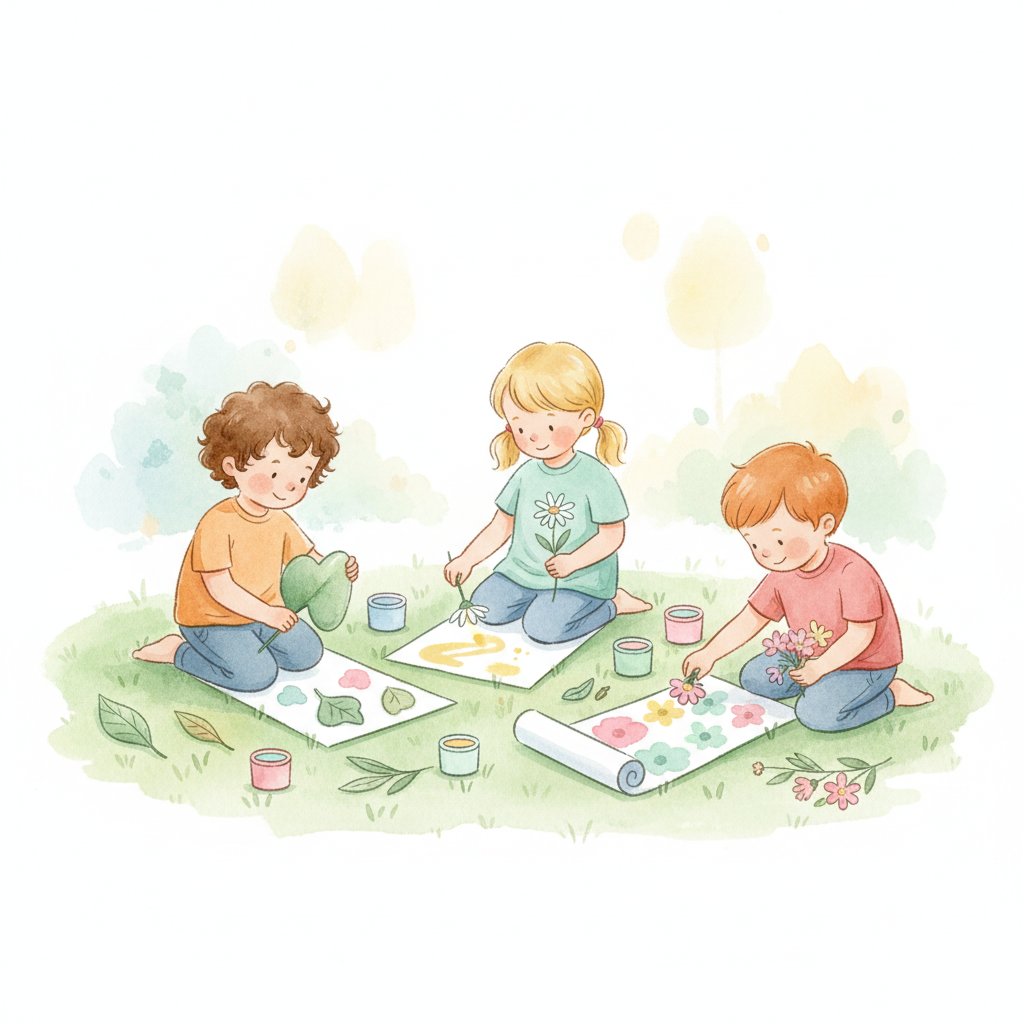
15. Nature Paint Brushes
Clip leaves, pine needles, or flower heads to sticks with rubber bands. Dip in paint. Each "brush" makes different marks. Process art with natural materials.
16. Mud Kitchen
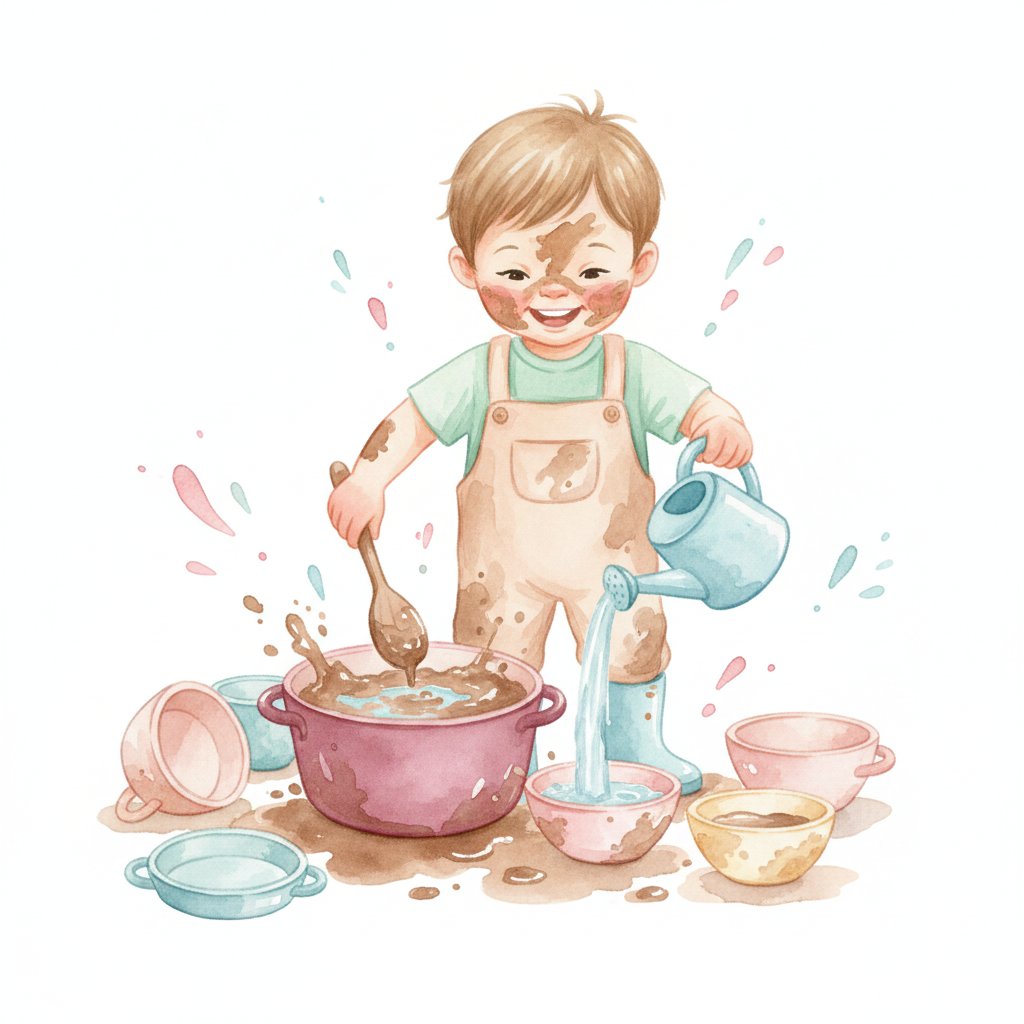
Set up a corner with old pots, pans, spoons, and water access. Mud pies, "soup," "potions." Imaginative play that builds fine motor skills and sensory tolerance. Pair with fine motor activities.
17. Sun Prints
Place leaves, flowers, or small objects on dark construction paper in direct sunlight. Leave for 2-3 hours. Remove objects to see the "shadow" prints. Light and shadow science.
18. Nature Crowns
Collect leaves, flowers, and sticks. Tape or glue them to a cardboard strip that fits around your child's head. Fine motor practice with a wearable result.
Gross Motor Outdoor Games (Ages 3-6)
19. Animal Movement Course
Set up stations: "Hop like a frog" (jump), "Walk like a crab" (crawl sideways), "Fly like a bird" (arm flaps), "Slither like a snake" (belly crawl). Gross motor and animal knowledge combined. Use animal flashcards for inspiration.
20. Obstacle Course
Use whatever's available: jump over a hose, crawl under a chair, balance on a board, run around a tree, toss a ball in a bucket. Time it. "Can you beat your own time?" Self-competition builds confidence. See movement activities.
21. Balloon Tennis
Tape paper plates to paint stirrers (or use fly swatters). Hit a balloon back and forth. Hand-eye coordination, tracking, and cooperative play.
22. Red Light, Green Light with Variations
Classic game with learning twists:
- "Green light=walk, yellow light=tip-toe, red light=freeze"
- "Green light=hop, red light=balance on one foot"
- "Green light=run, red light=make a shape with your body" (shape games)
Weather and Seasons Learning
23. Weather Chart
Create a daily weather chart (see healthy habits routines). Your child looks outside and marks sunny, cloudy, rainy, snowy, windy. Track for a month. "How many sunny days did we have?" Data collection meets daily routine.
24. Seasonal Tree Journal
Pick one tree to observe year-round. Draw it or photograph it monthly. "How did the tree change? When did leaves appear? When did they fall?" See seasonal learning and preschool themes by season.
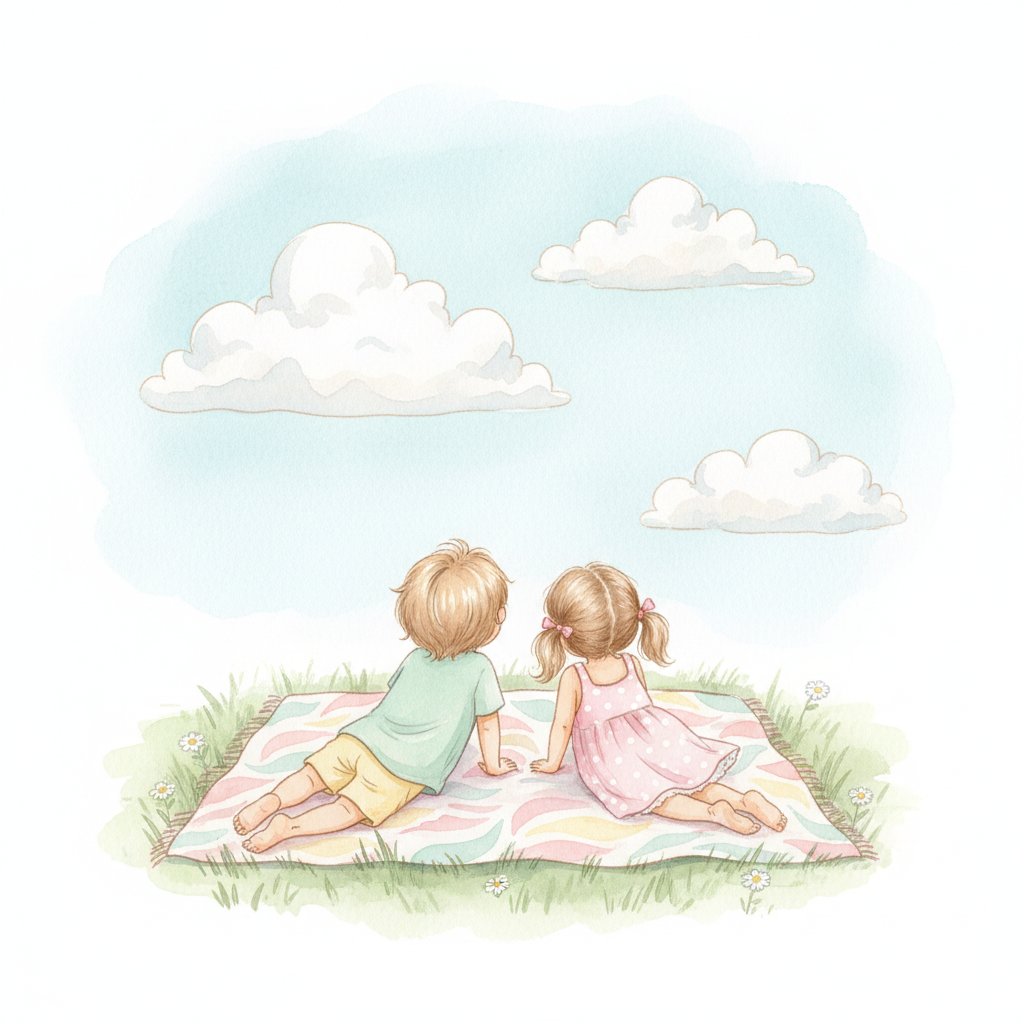
25. Cloud Watching
Lie on a blanket and watch clouds. "What shapes do you see?" Clouds become dragons, rabbits, mountains. Imagination, vocabulary, and peaceful mindfulness.
Outdoor Safety Tips
- Sunscreen and hats — even on cloudy days
- Bug spray — especially in wooded areas
- Hydration — bring water everywhere
- Boundaries — "Stay where you can see me" is clearer than "Don't go far"
- Poison ivy/plants — teach "leaves of three, let it be"
- Tick checks — after every outdoor session in grassy areas
Making Outdoor Time a Daily Habit
The easiest way to make outdoor learning routine is to link it to existing habits: a nature walk after dinner, bug watching before nap time, or counting steps to the park. For more everyday learning ideas, see our STEM activities for preschoolers at home and counting activities for preschoolers guide.
There's no minimum — but aim for at least 30 minutes of outdoor play daily, even in winter. See healthy habits routines for incorporating outdoor time into your child's day.
| Weather | Adaptation |
|---|---|
| Rain | Rain boots, puddle jumping, mud play |
| Cold | Layers, warm drinks outside, active games |
| Hot | Early morning or evening, water play, shade |
| Snow | Snow angles, snowball target practice, tracking animal prints |
Looking for learning tools? Our animal flashcards and nature flashcards pair perfectly with outdoor adventures — take them on a nature walk and match cards to what you find.
More learning guides:
- STEM Activities for Preschoolers
- Sensory Play Ideas
- Movement Activities for Kids
- Brain-Building Activities for Toddlers
- Seasonal Learning Activities
- Fine Motor Skills Activities
- Math Readiness for Kindergarten
- Counting Activities for Preschoolers
- Shape Games for Kindergarten
- Number Flashcards for Kids
- Screen-Free Activities for Kids
- Color Activities for Preschool
- Animal Flashcards for Kids