Articles19 min read

Free Phonics Worksheets for Kindergarten (PDF)

Download free printable phonics worksheets for kindergarten — letter sounds, CVC word families, blends, digraphs, and decodable sentences — designed for systematic, sequential phonics instruction at home or in class.

Free Phonics Worksheets for Kindergarten (PDF)

Phonics is the bridge between knowing the alphabet and actually reading words. When a kindergartener learns that the letter M says /m/ and the letter A says /a/, and then blends them together to read "mat," something clicks. That moment — when squiggles on a page become meaningful words — is the foundation of every reading skill that follows.
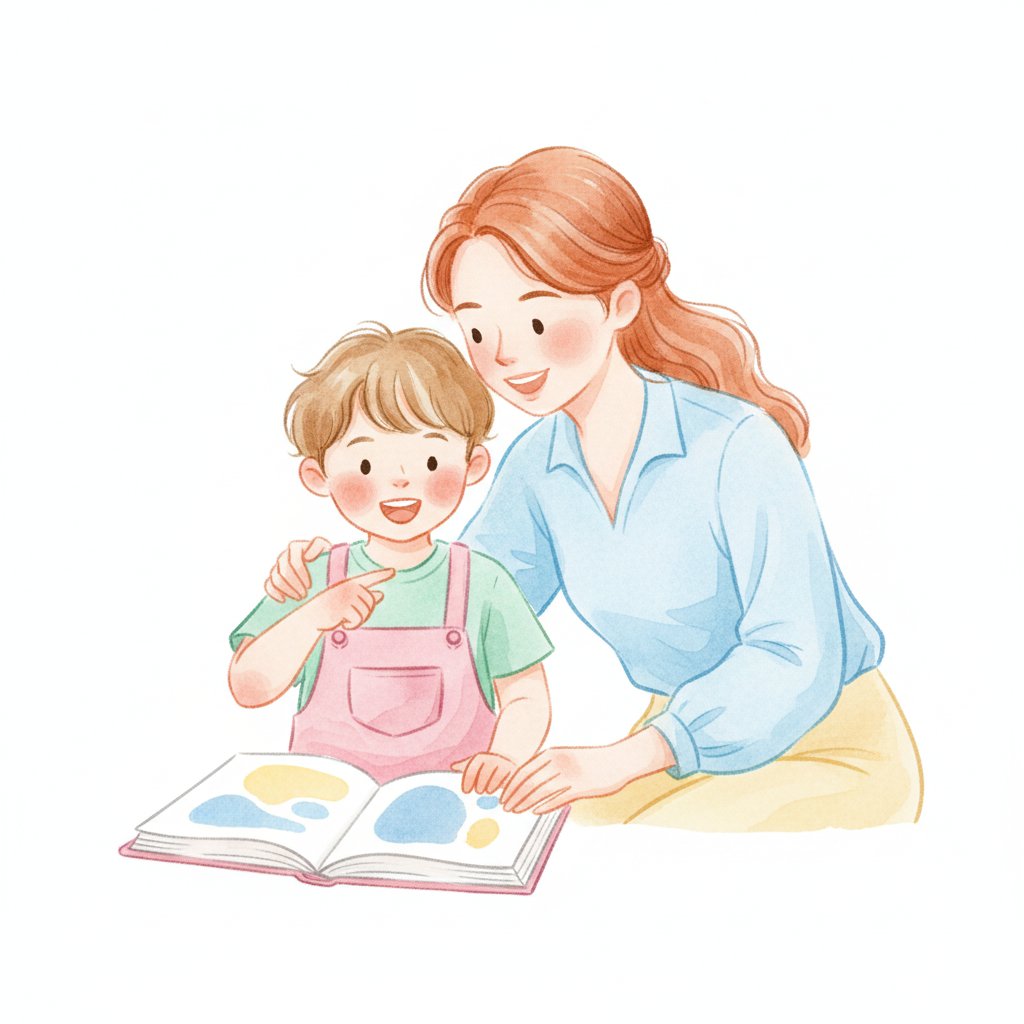
This collection of free printable phonics worksheets gives you a structured, sequential system for teaching phonics in kindergarten. Every worksheet follows the same progression that reading specialists recommend: start with individual letter sounds, move to CVC (consonant-vowel-consonant) words, then introduce blends and digraphs. Each stage builds on the one before it, so children never face a skill they have not been prepared for.

Teachers can use these worksheets for small-group instruction, literacy centres, and independent practice. Parents can use them for after-school reinforcement or homeschool reading lessons. Every worksheet includes clear instructions, picture cues for children who are not yet reading independently, and an answer key where appropriate.

Looking for more kindergarten literacy resources? Our sight word worksheets for kindergarten are the perfect companion — use these phonics worksheets for decoding practice and the sight word sheets for the high-frequency words that cannot be sounded out.
How Phonics Worksheets Support Early Reading

Phonics instruction teaches children the relationship between letters and sounds. It is one of the five pillars of early literacy identified by the US National Reading Panel, alongside phonemic awareness, fluency, vocabulary, and comprehension. Of the five, phonics is the one that most directly teaches children how to read unfamiliar words.

Why Worksheets (Not Just Games)

Phonics games are engaging and valuable — our phonics flashcards for kids are designed for exactly that purpose. But worksheets serve a different function:

  • Independent practice: Worksheets let children practise a skill on their own while the teacher works with another group.
  • Written record: A completed worksheet shows what the child actually produced, making it easy to identify patterns of confusion (e.g., consistently mixing up b and d).
  • Sequential skill building: Worksheets can be ordered by difficulty in a way that games cannot. Worksheet 1 is always easier than Worksheet 20.
  • Assessment: A completed worksheet is a quick, informal assessment. A child who can independently complete a CVC worksheet is ready for blends.

The Research on Phonics Instruction

Systematic, sequential phonics instruction produces stronger readers than non-systematic approaches. The key word is systematic — teaching sounds in a planned order, not randomly as they appear in stories. This worksheet collection follows the research-backed sequence: letter sounds → CVC words → blends → digraphs → word families → decodable sentences.

How to Use These Worksheets Effectively

  1. Teach the sound first. Before handing out a worksheet, explicitly teach the target sound or skill. "Today we are learning the sound /sh/. Watch my mouth: /sh/."
  2. Model the worksheet. Complete the first one or two items together while the child watches.
  3. Let the child work. Step back and let them complete the rest independently. Offer help only when stuck.
  4. Review immediately. Check the worksheet together right after completion. Correct mistakes on the spot — do not let errors consolidate.

Letter Sound Worksheets (A-Z with Picture Matching)

Before a child can blend sounds into words, they need to know what sound each letter makes. These letter sound worksheets focus on the most common sound for each letter (not letter names). For example, C says /k/ (as in cat), not /s/ (as in city). The less common sounds are taught later.

Worksheet Format

Each letter sound worksheet includes:

  • A large letter with an arrow showing the starting point for writing
  • The sound written in phonetic brackets (e.g., /b/)
  • Four pictures — three that start with the target sound and one that does not (the child circles the matching pictures)
  • A tracing row with the letter in uppercase and lowercase
  • A writing row for independent letter formation

Do not teach the letters in alphabetical order. Research shows that teaching high-utility letters first produces faster reading progress. This order starts with letters that allow children to build words quickly:

  1. First set: s, a, t, p (after these four, a child can read: sat, pat, tap, at, as)
  2. Second set: i, n, m, d (adds: sit, pin, pan, mad, din, mat, sad)
  3. Third set: g, o, c, k (adds: got, dog, cod, cot, god)
  4. Fourth set: e, u, r, h (adds: run, hen, hug, red, rug, hat)
  5. Fifth set: b, f, l, j (adds: bat, fun, log, jam, bed, fan)
  6. Sixth set: v, w, x, y, z, q (less frequent, teach after mastery of sets 1-5)

This sequence is similar to the Jolly Phonics order and allows children to read real CVC words after learning just four letters. That early success is motivating and reinforces the purpose of phonics instruction.

Activity Extension

After completing a letter sound worksheet, have the child walk around the room and find three objects that start with the target sound. This active, multisensory reinforcement strengthens the sound-letter connection.

CVC Word Family Worksheets (-at, -an, -ig, -op, -ug)

CVC words are three-letter words with a consonant-vowel-consonant pattern: cat, pin, hop, bug. They are the first words most children learn to read because each letter makes its expected sound — no tricky spelling rules, no silent letters. CVC word families group words that share the same ending, which helps children see spelling patterns.

Word Family: -at

Words: cat, bat, hat, mat, rat, sat, pat, fat, vat

The -at family is the ideal starting point because all five words (cat, bat, hat, mat, rat) use the short-a sound and the letters are easy to distinguish visually.

Worksheet activities:

  • Match the picture to the word (draw a line from the cat picture to "cat")
  • Build the word (fill in the beginning consonant: __at → c__at)
  • Write the word under each picture
  • Circle the real word (cat vs. lat vs. zat)

Word Family: -an

Words: can, fan, man, pan, ran, van, tan, ban

The -an family reinforces the short-a sound while introducing new initial consonants.

Word Family: -ig

Words: big, dig, fig, pig, wig, jig, rig

The -ig family shifts to the short-i sound. Children who mastered -at and -an will recognise the word-building pattern and apply it quickly.

Word Family: -op

Words: hop, mop, pop, top, cop, drop, stop

The -op family introduces the short-o sound. The words are highly visual and easy to act out (hop, stop, drop), which makes them memorable.

Word Family: -ug

Words: bug, hug, mug, rug, dug, jug, plug, snug

The -ug family uses the short-u sound. By this point, children have practised four vowel sounds and should be blending with increasing fluency.

How to Teach CVC Blending

Many children struggle not with individual sounds but with blending them together. Use this routine:

  1. Say each sound slowly: /c/.../a/.../t/
  2. Say it a little faster: /c/.../at/
  3. Say the word: cat
  4. Repeat: The child does all three steps independently

If a child cannot blend after several attempts, model the blend for them and move on. Return to blending practise the next day. Pressure and repetition of the same failed attempt creates frustration, not learning.

Beginning Blends Worksheets (bl, cr, st, tr)

A blend is two consonants that appear together in a word, where you can hear both sounds. In the word "blend," you hear both /b/ and /l/. Blends are harder than single consonants because the child must produce two sounds in quick succession without inserting a vowel between them.

What Makes Blends Difficult

Children often insert a schwa sound between the consonants: "buh-luh-end" instead of "blend." This habit makes decoding slow and interferes with fluency. The key is to teach children to say the two consonant sounds as a unit, not as separate sounds.

Common Beginning Blends

L-blends: bl, cl, fl, gl, pl, sl
R-blends: br, cr, dr, fr, gr, pr, tr
S-blends: sc, sk, sm, sn, sp, st, sw

Worksheet Activities for Beginning Blends

Blend identification: The child looks at a picture (e.g., a clock) and circles the correct blend from three options (cl, cr, fl).

Word building: The child writes the blend at the beginning of the word: __ock → cl__ock.

Sort by blend: A page with 12 pictures. The child cuts them out and glues them into columns labelled bl, cr, st, tr.

Fill in the blank: "I like to __ide my bike." (r__ide → tr → "ride" — no, that starts with a single consonant. "I like to __um my drum" → dr → "drum.")

Teaching Tips

  • Teach one blend type at a time. Do all L-blends before starting R-blends.
  • Exaggerate the blend slightly when modelling: "/bl/.../en/.../d/" rather than "/b/.../l/.../e/.../n/.../d/"
  • Use physical gestures: make a "blending motion" with your hands (push one hand toward the other) as you say the two consonant sounds together.

Ending Blends and Digraphs (ch, sh, th, ng)

After beginning blends, children learn ending blends and digraphs. A digraph is different from a blend — in a digraph, two letters make one sound. You cannot hear the individual /c/ and /h/ in "chip"; instead, the pair /ch/ makes a completely new sound.

The Big Four Digraphs

ch as in chip, chair, chop, rich, such
sh as in ship, shop, fish, dish, rush
th as in this, that, thin, thick, path
ng as in ring, sing, long, song, bang

Why Digraphs Confuse Children

Children have spent months learning that each letter makes its own sound. Now two letters together make a single, different sound. This violates the rule they just internalised, which is why digraphs need explicit, dedicated instruction.

Worksheet Activities for Digraphs

Digraph sorting: 12 pictures (chip, ship, thin, ring, chop, fish, that, song, etc.). The child cuts and sorts into four columns: ch, sh, th, ng.

Missing digraph: "__ip" with a picture of a boat. The child writes "sh" to complete "ship."

Digraph highlight: A page of sentences. The child highlights or underlines every word containing a digraph.

Real or nonsense: "Is 'chug' a real word? Is 'chab' a real word?" The child reads each word and circles real words. This activity is valuable because it forces the child to actually decode rather than guess from context.

Common Errors and How to Fix Them

  • Reading "the" as /t/+/h/+/e/: The most common digraph error. Teach "th" as a dedicated sight-phoneme. Write TH on a card, say /th/, and have the child repeat. Practise with: the, this, that, them, then, thick, thin.
  • Confusing ch and sh: Both involve the tongue touching a similar position. Teach the child to feel the difference: /ch/ has a "pop" (tongue pushes air out), /sh/ is continuous air flow. Exaggerate both so the child can hear and feel the distinction.
  • Dropping the digraph in spelling: A child writes "sin" instead of "shin." Remind them: "Do you hear the /sh/ sound? That needs two letters: s and h."

Missing Letter Worksheets

Missing letter worksheets test whether a child can identify which sound is missing from a word. They are a step up from matching worksheets because the child must generate the correct letter from sound alone, without a set of options to choose from.

Types of Missing Letter Activities

Beginning sound missing: __at → (picture of a cat) → child writes C
Middle sound missing: c__t → (picture of a cat) → child writes A
Ending sound missing: ca__ → (picture of a cat) → child writes T
Multiple sounds missing: ___g → (picture of a dog) → child writes D, O

Why Missing Letter Worksheets Matter

Missing letter activities develop phonemic awareness — the ability to hear and manipulate individual sounds in spoken words. A child who can identify the missing middle sound in "c_t" has demonstrated that they can:

  1. Hear all three sounds in the spoken word
  2. Identify which position is missing
  3. Match the missing sound to the correct letter

This is a fundamentally different (and more advanced) skill than simply matching a picture to a word.

Worksheet Progression

Start with beginning sounds (easiest — the first sound is the most salient), then ending sounds, then middle sounds (hardest — the vowel in the middle is the quietest and least distinct).

For each type, begin with worksheets that include a picture cue, then move to worksheets with only the word (no picture). The word-only version requires the child to generate the sound purely from the text context, which is closer to real reading.

Phonics Word Search Printables

Word searches get a mixed review in education circles, but for phonics practice they serve a specific purpose: they force children to look carefully at every letter in sequence, which strengthens letter-sound correspondence and word recognition.

How Phonics Word Searches Differ from Regular Word Searches

Standard word searches use random words. Phonics word searches use only words from the target word family, blend, or digraph. A -at family word search contains only words like cat, bat, hat, mat, rat, sat. This means every word the child finds reinforces the same phonics pattern.

Worksheet Format

Each word search includes:

  • A 10x10 grid of letters
  • A word list of 6-8 target words on the left side
  • Pictures next to each word for children who cannot yet read the word independently
  • Space at the bottom for the child to write their favourite word from the search

Teaching Tips

  • Encourage the child to say each word out loud when they find it, not just circle it. The oral component strengthens the sound-spelling connection.
  • Use word searches as a reward activity after a more challenging worksheet. Children enjoy them and they still provide genuine phonics practise.
  • For children who find word searches overwhelming, use a highlighter instead of a pencil. The broader mark is easier to see and reduces frustration.

Cut-and-Paste Phonics Sort Activities

Cut-and-paste activities combine fine motor practice with phonics sorting. The child cuts out pictures or words, then glues them into categories based on their sounds. This multisensory approach — seeing, saying, cutting, gluing — reinforces learning through multiple pathways.

Activity Types

Beginning sound sort: Cut out 12 pictures and glue them into columns by starting sound (B pictures in one column, M pictures in another).

Word family sort: Cut out CVC words and sort them into -at, -an, and -ig columns. The child reads each word, identifies the word family, and places it correctly.

Blend sort: Cut out words and sort by beginning blend (bl words vs. cl words vs. fl words).

Digraph sort: Cut out pictures and sort by digraph (ch, sh, th, ng).

Real vs. nonsense sort: Cut out decodable "words" (some real, some nonsense like "fug" and "lat") and sort into "Real Words" and "Silly Words" columns. This is particularly effective because the child must actually decode each word to categorise it — they cannot rely on sight recognition.

Why Cutting and Pasting Helps

The physical act of picking up a small piece of paper, deciding where it belongs, and placing it gives the brain another chance to process the phonics concept. Children who struggle with pencil-and-paper worksheets often succeed with cut-and-paste because the fine motor demand is different (cutting and placing rather than writing). The tactile engagement also helps children who learn best through hands-on activity.

Classroom Management Tip

Pre-cut the pieces for children who struggle with scissors. The phonics learning should not be blocked by a fine motor deficit. Alternatively, have the pieces pre-cut and stored in envelopes that children open when they sit down.

Decodable Sentence Worksheets

Decodable sentences are the bridge between reading individual words and reading connected text. A decodable sentence contains only words that the child has the phonics skills to read independently. There are no tricky sight words, no irregular spellings, and no advanced phonics patterns that have not been taught yet.

What Makes a Sentence "Decodable"

A decodable sentence for a child who knows s, a, t, p, i, n, m, d might be:

"Sam sat on a mat."
"Pat pin a pin on a hat."
"Tim did pat a cat."

Every word in these sentences uses only the taught sounds. The child can read every word by applying the phonics skills they have learned.

Worksheet Activities

Read and match: Three sentences and three pictures. The child reads each sentence and draws a line to the matching picture.

Read and draw: The child reads a sentence and draws a picture of what it describes. This checks comprehension — did the child understand what they read, or did they just decode the words?

Sentence scramble: Words from a decodable sentence are cut apart. The child rearranges them into the correct order and writes the sentence on the line.

Fill in the decodable word: "The cat sat on the ___." (mat, hat, bat — all decodable options). The child chooses a word, writes it, and reads the complete sentence.

Moving Beyond Decodable Sentences

Once a child can read decodable sentences fluently (without sounding out every word), they are ready for controlled readers — short books that use the same limited phonics vocabulary. At this point, introduce sight word flashcards alongside continued phonics practise, because many high-frequency words (the, was, of, to) are not fully decodable and must be learned by sight.

How to Use These Worksheets at Home vs in Class

The same worksheets work in both settings, but the approach differs. Here is how to adapt.

In the Classroom

  • Small-group instruction: Use the worksheets during guided reading groups. Teach the sound or skill to 4-6 children, then hand out the worksheet for independent practice while you work with another group.
  • Literacy centres: Place worksheets in a centre bin with a sample completed page so children know what to do. Rotate the worksheets weekly to match your phonics sequence.
  • Morning work: A phonics worksheet at the start of the day is a calm, productive way to warm up literacy skills.
  • Assessment: Use one worksheet per week as a quick check-in. File completed worksheets in a portfolio to show growth at parent conferences.

At Home

  • After-school practise: One worksheet per day, 5-10 minutes, is plenty. Do not turn it into a long homework session.
  • Weekend review: Use the cut-and-paste activities or word searches on Saturday mornings as a fun, low-pressure way to reinforce the week's learning.
  • Read the words together: After the child completes a worksheet, have them read all the words on the page to you. This oral reading component is essential.
  • Use the same sequence as the teacher: If your child's class is working on the -at word family, use the -at worksheets at home. Coordination between home and school accelerates progress.

For Homeschool

Use the worksheets in order: letter sounds → CVC words → blends → digraphs → decodable sentences. Plan for one new skill per week, with 2-3 worksheets of practice per skill. Move to the next skill only when the child can complete a worksheet with 80%+ accuracy independently.

Tracking Phonics Progress (Free Assessment Sheet)

Use this assessment to track which phonics skills a child has mastered and which need more practice. Administer it individually — sit with the child and ask them to read each item. Record correct responses with a checkmark and errors by writing what the child said instead.

Letter Sound Assessment (26 sounds)

Show the child each lowercase letter (in random order, not alphabetically) and ask: "What sound does this letter make?"

LetterSoundCorrect?LetterSoundCorrect?
a/a/n/n/
b/b/o/o/
c/k/p/p/
d/d/q/kw/
e/e/r/r/
f/f/s/s/
g/g/t/t/
h/h/u/u/
i/i/v/v/
j/j/w/w/
k/k/x/ks/
l/l/y/y/
m/m/z/z/

Scoring: 26/26=mastery. Below 20=needs continued letter sound practise before moving to CVC words.

CVC Word Reading Assessment

Show the child these 10 CVC words (no pictures). Ask them to read each word out loud.

  1. cat 2. pin 3. mop 4. bug 5. hat 6. dog 7. sit 8. pan 9. top 10. rug

Scoring: 9-10/10=ready for blends. 6-8/10=continue CVC practice. Below 6=return to letter sounds.

Blend and Digraph Recognition

Show the child these 8 items and ask them to read the word or identify the blend/digraph:

  1. ship 2. chip 3. that 4. ring 5. black 6. crayon 7. stop 8. train

Scoring: 7-8/8=ready for decodable sentences. Below 6=continue blend and digraph practice.

When to Assess

  • Beginning of year: Establish baseline
  • Mid-year (January): Check progress and adjust instruction
  • End of year (May/June): Document mastery for kindergarten report cards and first-grade readiness

Our kindergarten readiness checklist for parents includes phonics benchmarks alongside other essential K skills.

Frequently Asked Questions

What order should I teach phonics skills?

Follow this sequence: letter sounds (single consonants and short vowels) → CVC words → beginning blends → ending blends → digraphs (ch, sh, th, ng) → CVCe words (silent e) → vowel teams → r-controlled vowels. This collection covers the first five stages. Do not move to the next stage until the child has at least 80% accuracy on the current stage.

How many worksheets should a child do per day?

One to two worksheets per day is sufficient for kindergarten. Quality matters more than quantity. A child who carefully completes one worksheet with full engagement learns more than a child who rushes through three.

What if my child can read but cannot spell the words?

Reading and spelling develop at different rates, and reading almost always comes first. If the child can read "cat" but writes "ct," celebrate the reading and gently model the correct spelling. Spelling accuracy will catch up with continued reading practice. Do not hold back reading progress while waiting for spelling to match.

Should I teach letter names or letter sounds first?

Teach sounds first. Letter names (ay, bee, see) do not help a child read words — sounds (/a/, /b/, /k/) do. Many children already know letter names from the alphabet song, which is fine. Just make sure that during phonics instruction, you consistently refer to sounds, not names: "What sound does this letter make?" not "What is this letter's name?"

Can I use these worksheets with first graders?

Yes, especially for first graders who need phonics remediation. If a first grader cannot decode CVC words fluently, start with the CVC worksheets regardless of their grade level. The worksheets are sequenced by skill, not age — use whichever level matches the child's current ability.

How do these worksheets align with common phonics programmes?

The sequence (letter sounds → CVC → blends → digraphs) aligns with Jolly Phonics, Letters and Sounds, and most systematic synthetic phonics programmes used in schools. If your child's school uses a specific programme, you can match these worksheets to the current teaching phase.

Start Phonics Practice Today

Free printable phonics worksheets for kindergarten give you a complete, research-aligned system for teaching children to read — one sound, one word, one sentence at a time. Start with the letter sound worksheets, move through the CVC word families, and progress to blends, digraphs, and decodable sentences as your child or students master each stage.

Print the worksheets that match your child's current level. Five to ten minutes of daily phonics practice, combined with read-aloud time and conversation, builds the strongest possible foundation for reading success. The worksheets do the teaching; you provide the encouragement.

Looking for more kindergarten literacy resources? Explore our sight word worksheets for kindergarten for high-frequency word practice, check out our phonics flashcards for interactive sound games, or browse our math readiness for kindergarten activities for a balanced literacy-and-maths programme.