Articles7 min read

The Letter That Changed Everything

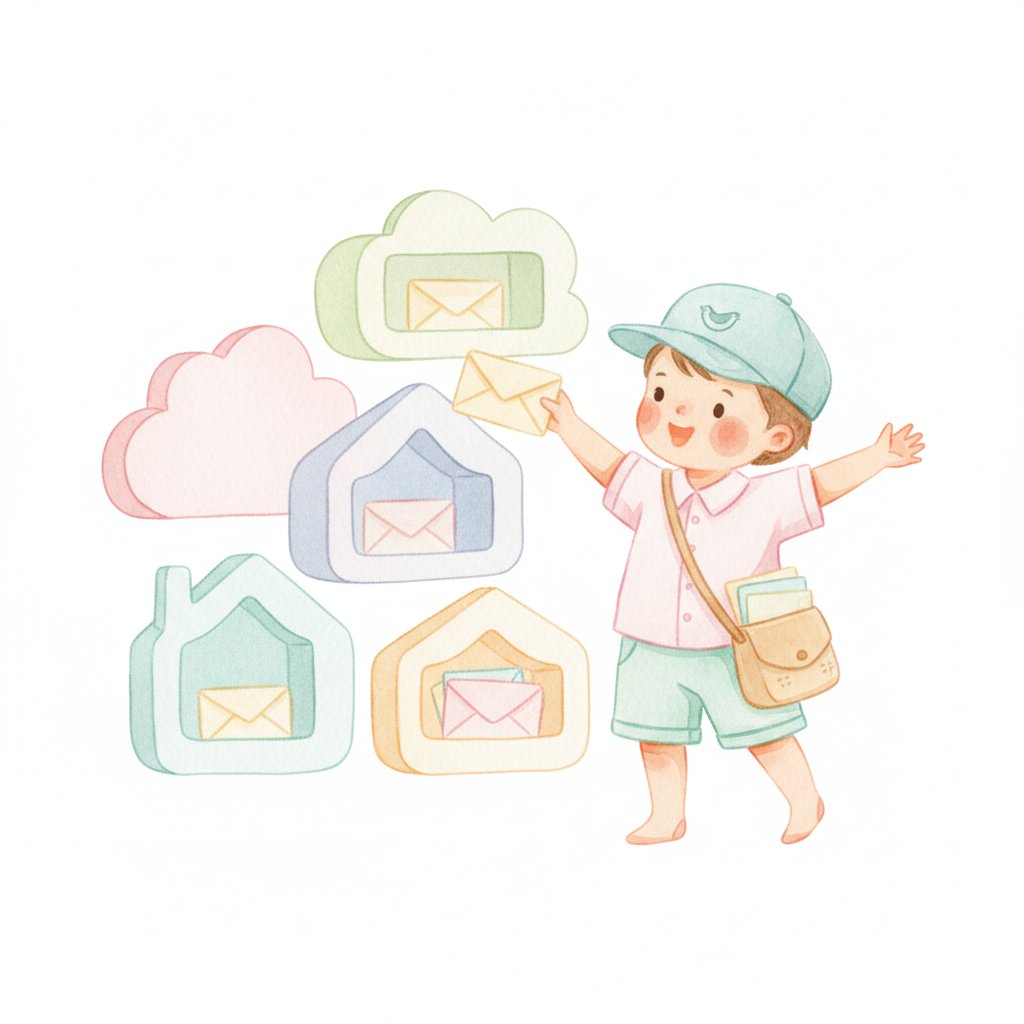
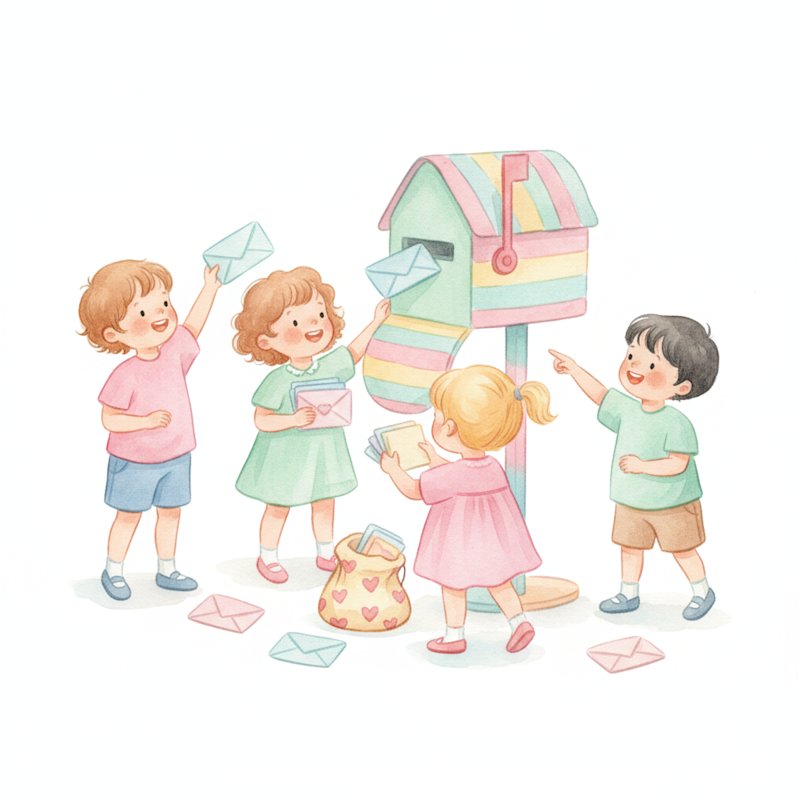
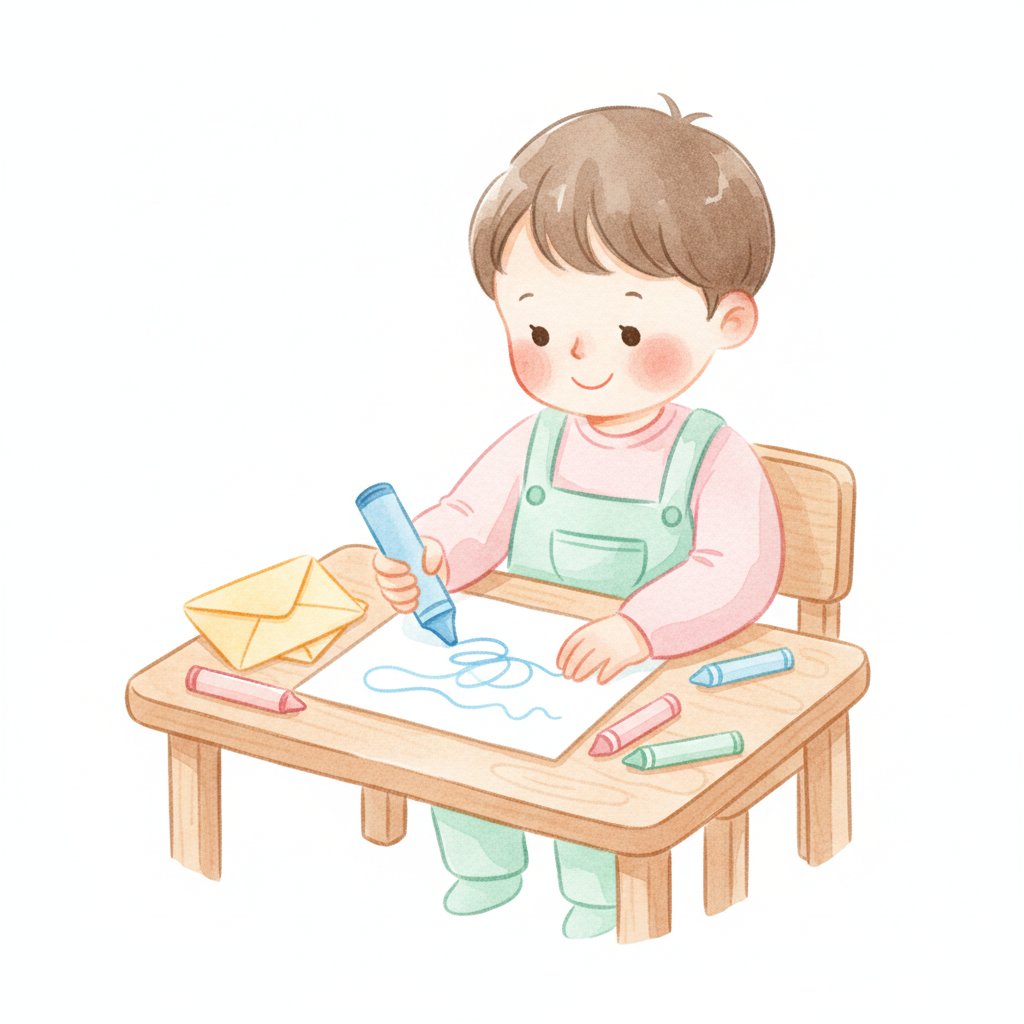
Five-year-old Sofia never wrote voluntarily. She avoided the writing center, gripped her pencil awkwardly, and said writing was "too hard." Then we set up a post office. There were envelopes, stamps (stickers), a mailbox, a counter, and a delivery route (each child had a cubby with their name and address). Sofia wrote her first letter that day: "Dear Mom. I love you. Love Sofia." It was five words. She put it in an envelope, stuck on a stamp, wrote her mom's name on the front, and dropped it in the mailbox. Then she became the MAIL CARRIER. She sorted mail by name, delivered letters to the correct cubbies, and handled packages. By the end of the week, Sofia had written 12 letters. She did not know she was practicing fine motor, letter formation, name writing, spatial planning (envelope addressing), sorting, and sequencing. She was just playing post office — and writing finally had a PURPOSE.

According to the International Reading Association, mail and letter activities teach purposeful writing, name and address recognition, left-to-right progression, the concept of audience (writing TO someone), and the connection between spoken and written language. Children write more — and better — when they have a real reason to write.
This guide covers 20+ post office and mail activities for ages 3-6. Pair it with our writing guide for pre-writing skills and our community helpers guide for more role-play.
Setting Up the Post Office (Ages 3-6)

1. Classroom post office
Materials: Table, envelopes, paper, stickers (stamps), mailbox, sorting bins.

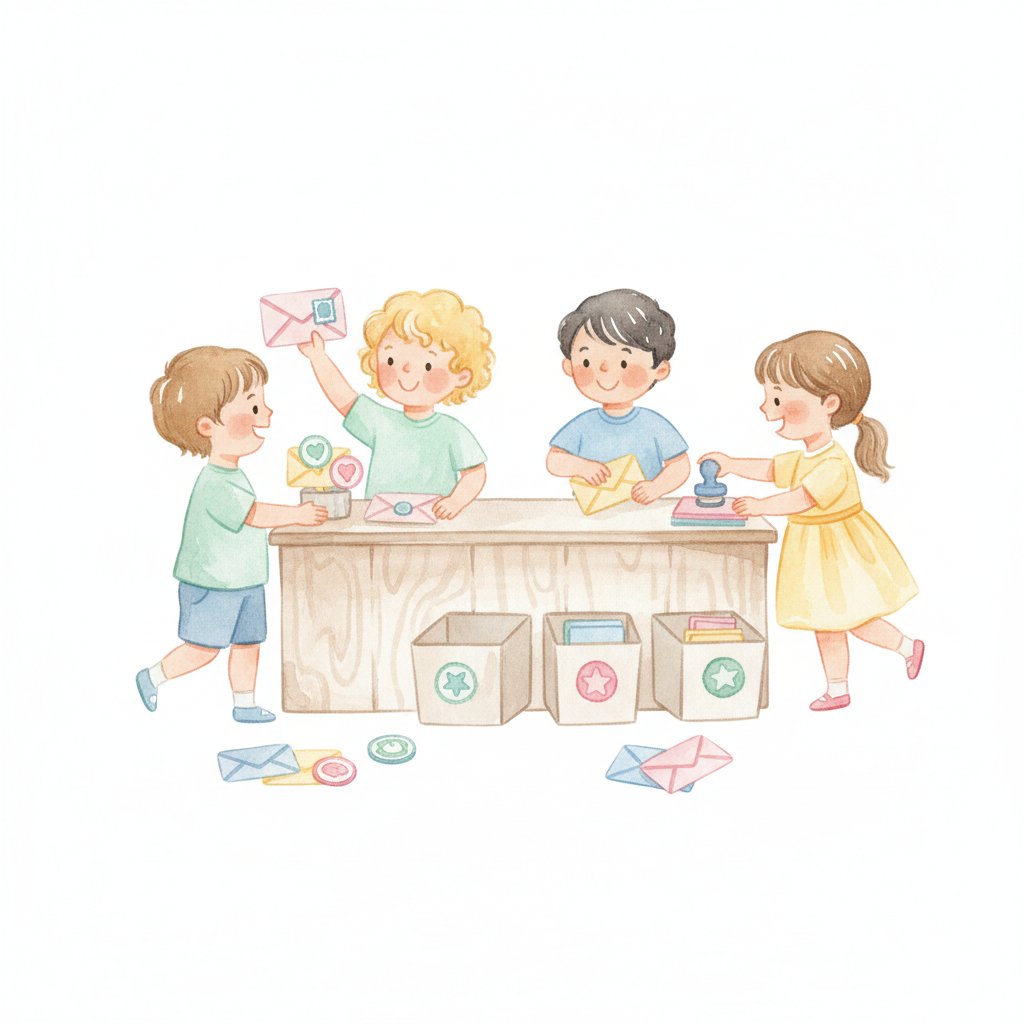
What to do: "Set up the post office: a writing station with paper and envelopes, a stamp counter with stickers, a mailbox for outgoing mail, and a sorting area for incoming mail. Each child has a cubby with their name and a house number." The post office teaches organization and systems. For more dramatic play, see our pretend play guide.

Why it works: The post office works because it gives writing a PURPOSE that children understand. They have SEEN mail. Their parents GET mail. They know envelopes, stamps, and deliveries are REAL. When a child writes a letter in the post office, they are not doing a worksheet — they are doing something ADULTS do. That authenticity is deeply motivating. The post office also teaches SYSTEMS thinking: letters are written, addressed, stamped, mailed, sorted, and delivered. That is a process with multiple steps, roles, and purposes — a miniature economy of communication.

2. Making stamps
Materials: Paper, markers, scissors, glue.

What to do: "Design your own stamps! Draw a small picture, cut it out, and glue it on the corner of the envelope. Every stamp needs a VALUE: 1 cent, 2 cents, or 5 cents." The stamp design teaches art and value. For more art, see our art guide.

3. Envelope addressing
Materials: Envelopes, name cards.

What to do: "Write the NAME of the person you are sending to on the front. Write YOUR name in the return address corner. The stamp goes in the top right." The addressing teaches spatial organization on a real-world document. For more spatial, see our spatial guide.

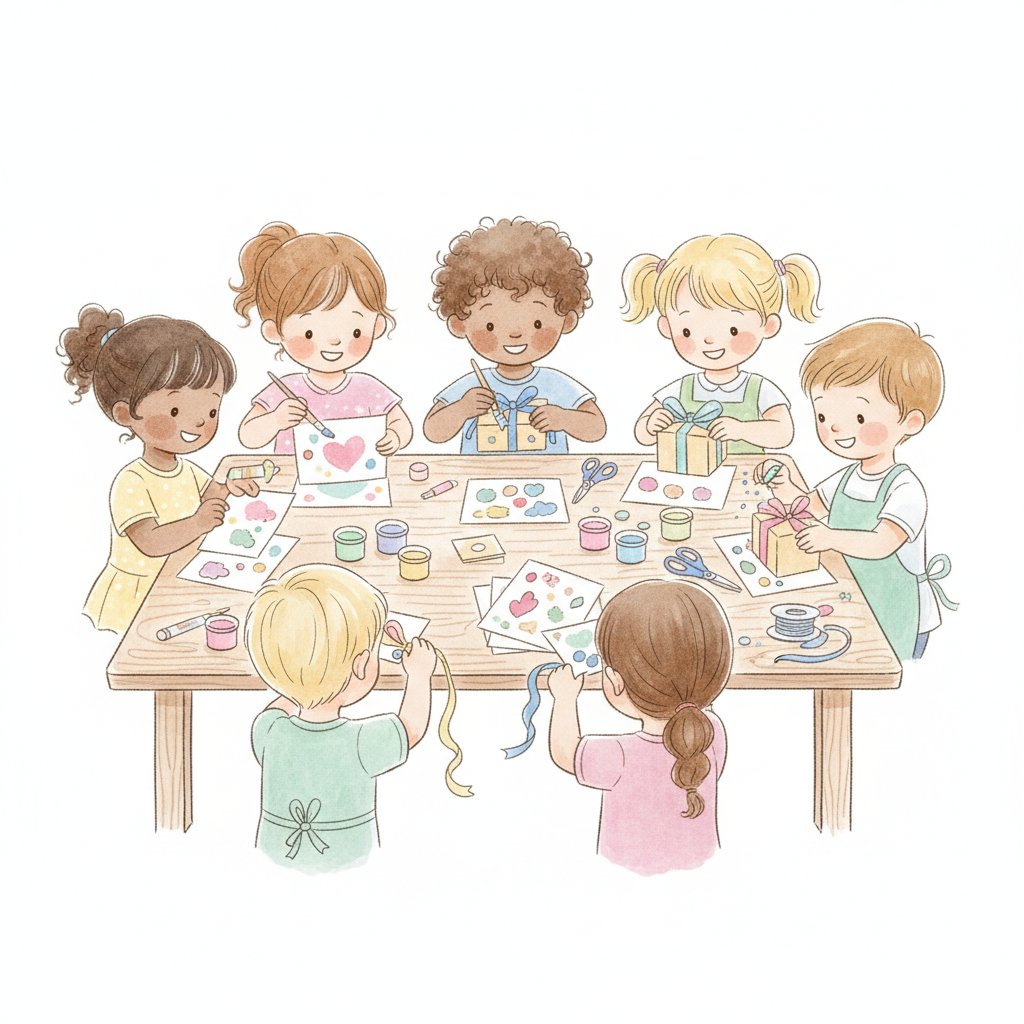
4. Mailbox making
Materials: Shoeboxes, paint, craft supplies.

What to do: "Decorate your shoebox mailbox. Write your NAME on it so the mail carrier knows whose mail goes where!" The mailbox making teaches name writing and personal ownership. For more crafts, see our craft guide.

5. Mail carrier outfit
Materials: Blue shirt, bag, hat.

What to do: "Put on the mail carrier outfit: the blue shirt, the bag for letters, and the hat. Now you are ready for your delivery route!" The outfit teaches role immersion and community awareness. For more community helpers, see our community guide.

Every flashcard becomes a letter to send
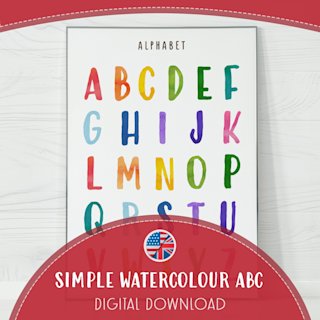
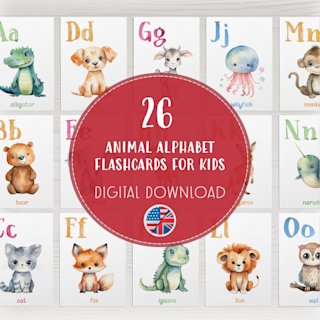
Our Alphabet Flashcards become the writing station: 'Pick a letter card. That is the letter your letter must START with. If you pick A, write a letter to someone about APPLES. If you pick B, write about BEARS. If you pick F, write to a FRIEND.' The flashcards give the starting point; the child provides the content. Even pre-writers can participate: draw a picture of the word, trace the letter from the card onto the envelope, and mail it. The flashcard connects the letter shape to a letter MEANING — A is not just a shape, it is the beginning of ANT, APPLE, and AUNT. Twenty-six letters, twenty-six envelopes, twenty-six reasons to write.

Letter Writing Activities (Ages 3-6)

6. Thank you letter
Materials: Paper, crayons.

What to do: "Think of someone who helped you. Write or draw a thank you letter: 'Dear _. Thank you for _. Love, ___.'" The thank you letter teaches gratitude and purposeful writing. For more kindness, see our kindness guide.

7. Invitation letter
Materials: Paper, markers.

What to do: "Write an invitation: 'You are invited to my party! When: Friday. Where: The block area.' Deliver it to a friend's mailbox!" The invitation teaches event planning and informational writing. For more social skills, see our social skills guide.

8. Pen pal exchange
Materials: Paper, envelopes.

What to do: "Write a letter to a child in the other class. Tell them about yourself and ask a question. When they write back, you will have MAIL!" The pen pal teaches question-asking and authentic communication. For more conversation, see our conversation guide.

9. Secret coded letter
Materials: Picture symbols.

What to do: "Write a letter using PICTURES instead of words: a sun (for day), a heart (for love), a smile (for happy). Your friend has to DECODE it!" The coded letter teaches symbolic thinking. For more symbols, see our alphabet guide.

10. Postcard writing
Materials: Cardstock, scissors, crayons.

What to do: "Cut cardstock into rectangles. Draw a picture on one side. Write a short message on the other. It is a POSTCARD from your imaginary vacation!" The postcard teaches concise writing. For more imagination, see our imagination guide.

Mail the weather report every day
Our Weather Flashcards become daily weather reports: 'Pick the weather card for today. Now write a weather postcard to someone: Dear Mom, Today it is SUNNY. I played outside. The sky was BLUE. Love, Me.' The flashcard gives the weather word; the child builds the sentence around it. On rainy days the postcard says: 'It rained all day. I jumped in puddles.' On snowy days: 'Snow! We built a snowman!' Each weather card generates a different postcard, a different sentence, a different reason to write. Twelve weather cards, twelve postcards, twelve daily writing opportunities.

Sorting and Delivery Activities (Ages 3-6)

11. Name sorting
Materials: Letters in envelopes, cubbies with names.

What to do: "Read the name on each envelope. Deliver it to the correct cubby. Can you sort ALL the mail by first letter?" The name sorting teaches name recognition and alphabetical sorting. For more sorting, see our sorting guide.

12. Number sorting
Materials: Envelopes with house numbers.

What to do: "Each envelope has a house number: 1, 2, 3, 4, 5. Deliver them in ORDER from 1 to 5. Now deliver in REVERSE order!" The number sorting teaches numerical order. For more numbers, see our number guide.

13. Color-coded mail
Materials: Colored envelopes, colored mailboxes.

What to do: "RED mail goes in the RED box. BLUE mail goes in the BLUE box. Sort the mail by COLOR!" The color sorting teaches color matching. For more colors, see our color guide.

14. Package wrapping
Materials: Small boxes, wrapping paper, tape.

What to do: "Wrap a package for a friend. Write their name on the TO label and your name on the FROM label. The mail carrier will deliver it!" The package wrapping teaches fine motor and spatial wrapping. For more fine motor, see our fine motor guide.

15. Mail truck route
Materials: Toy truck, mail, map of classroom.

What to do: "Load the mail in the truck. Follow the route on the map: stop 1, stop 2, stop 3. Deliver all the mail!" The mail truck route teaches sequencing and map reading. For more maps, see our map guide.

More Mail Activities (Ages 3-6)

16. Stamp collection
Materials: Real stamps from incoming mail.

What to do: "Save the stamps from real mail. Sort them: by color, by picture, by value. Count how many you have!" The stamp collection teaches categorization and collecting. For more sorting, see our sorting guide.

17. Birthday card workshop
Materials: Cardstock, markers, stickers.

What to do: "Make birthday cards for everyone in the class this month. Write their name and draw a picture!" The birthday cards teach celebration and calendar awareness. For more calendar, see our days guide.

18. Letter to a character
Materials: Paper, crayons.

What to do: "Write a letter to your favorite book character: Dear Cat in the Hat, Why do you make such a mess? Love, Marcus." The character letter teaches literary engagement. For more reading, see our reading guide.

19. Family mailbox
Materials: Real mailbox at home.

What to do: "Set up a mailbox at home. Family members write letters to each other and check the box every day. Parents: write BACK to your child!" The family mailbox extends writing into the home. For more family, see our family guide.

20. Post office field trip
Materials: None.

What to do: "Visit the real post office. See: where mail is sorted, how stamps are sold, where packages go. Then come back and make your post office MORE like the real one!" The field trip teaches community connections and observation. For more community, see our community guide.

Check the mail every morning
Our Morning Routine Visual Schedule Cards include a mail check: 'Step 1: Hang up your coat. Step 2: Check your mailbox. Step 3: Read your mail. Step 4: Write a letter back.' The routine cards make checking and writing mail a DAILY HABIT. Every morning, children arrive, check their cubby, and find yesterday's letters waiting. They read (or ask a teacher to read) and then write back. The routine cards structure the flow; the post office provides the purpose. Seven cards, seven steps, one daily writing habit that builds letter formation, name writing, and communication skills all year long.
1.How do I set up a post office in a small classroom?
You need just a table or shelf with three zones: (1) WRITING ZONE — paper, envelopes, crayons, and letter cards. (2) STAMP ZONE — stickers, a price list (1 sticker per letter), and a stamp pad. (3) MAILBOX — a decorated box with a slot for outgoing mail and a shelf for sorted incoming mail. Each child has a cubby or folder as their mailbox. The entire post office fits on one shelf. Rotate the post office into your dramatic play area and it becomes the most popular center in the room.
2.What if children cannot write words yet?
Pre-writers can participate fully: (1) DRAW pictures instead of writing words. (2) TRACE letters from flashcards onto envelopes. (3) Use STICKERS or stamps as their message. (4) DICTATE to a teacher who writes their words. (5) Write just their NAME as the signature. The POST OFFICE is not about perfect handwriting — it is about the ACT of communicating through mail. A scribble on an envelope delivered to a friend is a real letter. The skill develops through practice, not perfection.
3.How does the post office connect to community helpers?
The post office is one of the most visible community services children encounter. Through post office play, children learn: (1) Mail carriers are community helpers who deliver our letters. (2) The postal system connects our town to the whole world. (3) Addresses help mail find the right home. (4) Stamps pay for the service of delivery. (5) Sorting and organizing are real jobs. Extend the learning by inviting a real mail carrier to visit, or by taking a field trip to the post office.
4.How do I keep the post office interesting all year?
Rotate themes monthly: (1) September — back-to-school letters. (2) October — Halloween party invitations. (3) November — thank-you letters for Thanksgiving. (4) December — holiday cards. (5) January — New Year postcards. (6) February — Valentine exchange. (7) March — St. Patrick's Day leprechaun letters. (8) April — Earth Day pledge letters. (9) May — Mother's Day and Father's Day cards. Each month gives a new REASON to write, and the post office stays fresh all year.