When My Crasher Finally Sat Still
I remember the day I stopped fighting my four-year-old's body. He was a crasher. He would hurl himself into the couch, leap off the bottom step, and barrel through the room like a small truck. Sit-still time ended in tears — his and mine.
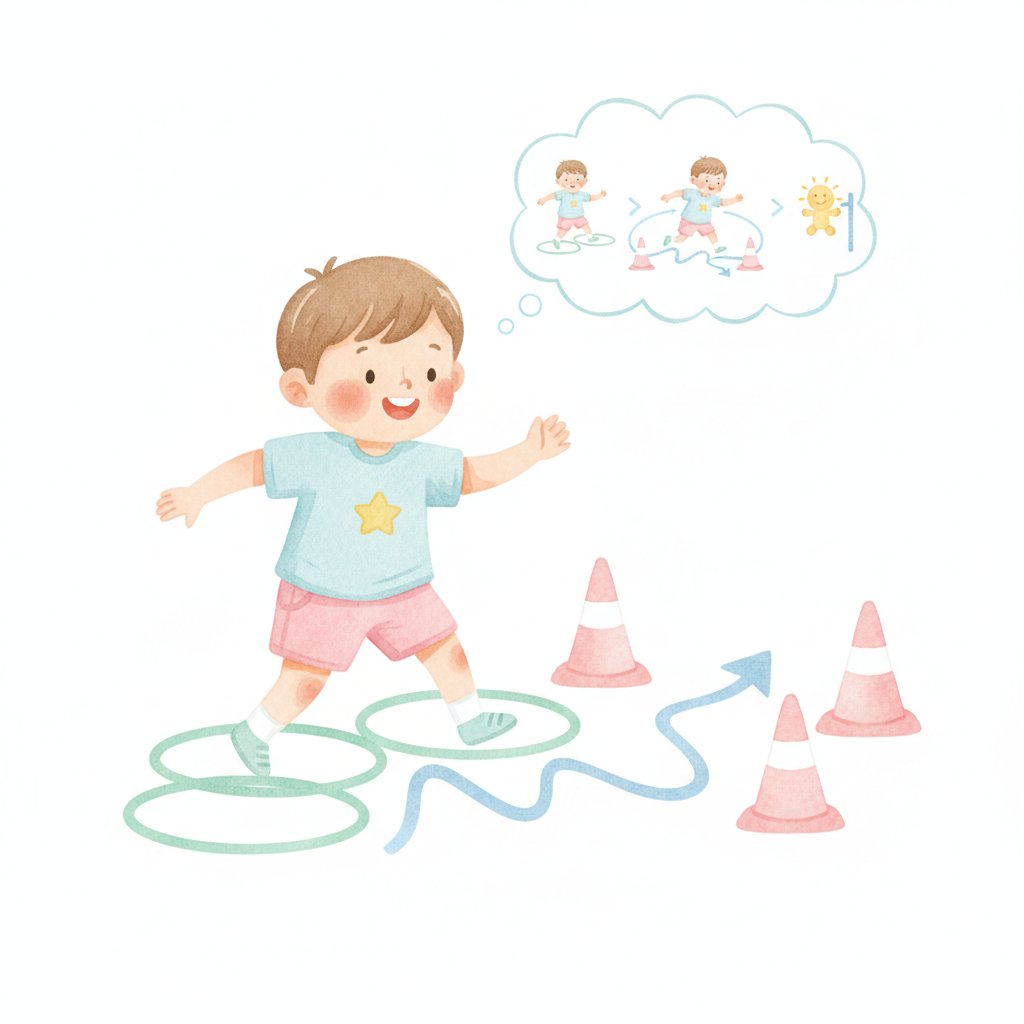
Then an occupational therapist said one simple thing. "Give his body heavy work before you ask him to sit." So we tried it. Before dinner, he hauled a basket of books across the room, pushed a heavy laundry basket, and did "wall pushes" against the hallway. That night, he sat at the table for ten whole minutes. Ten. I nearly cried.
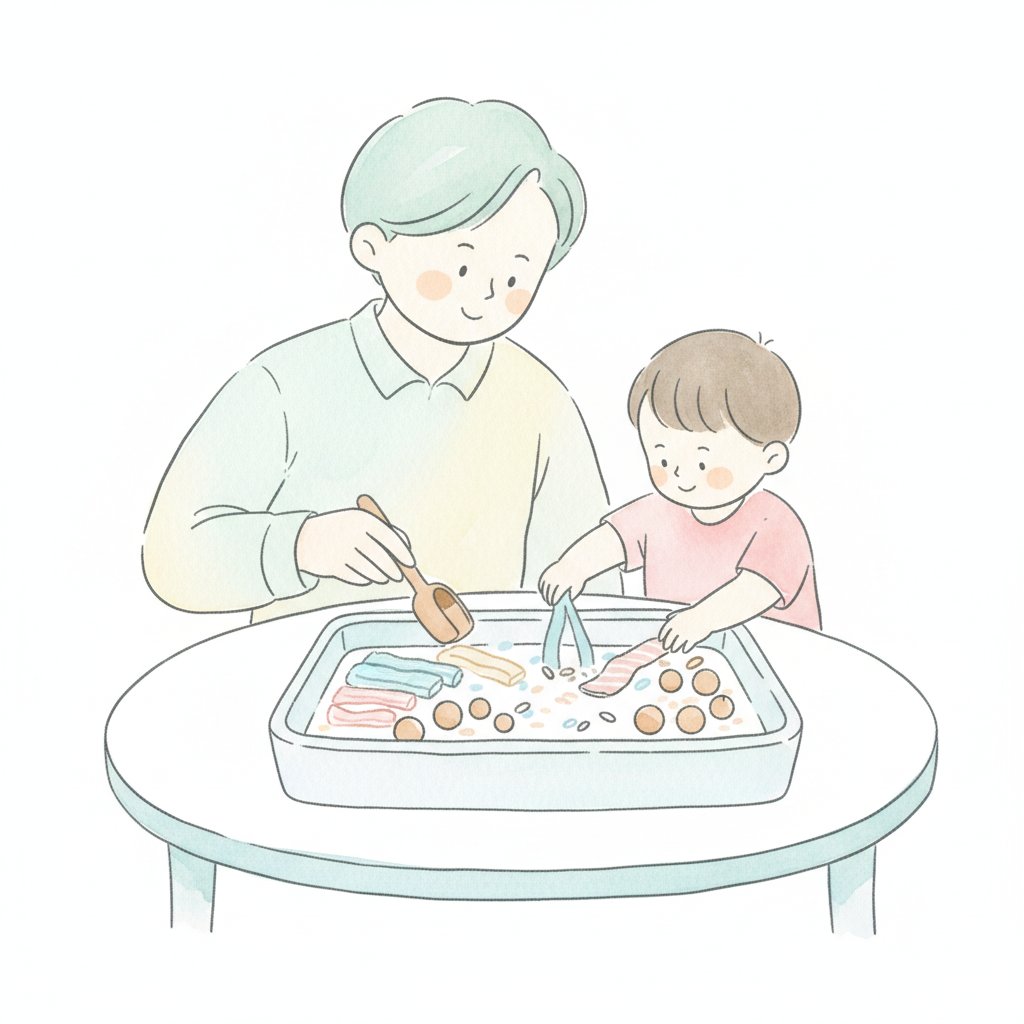
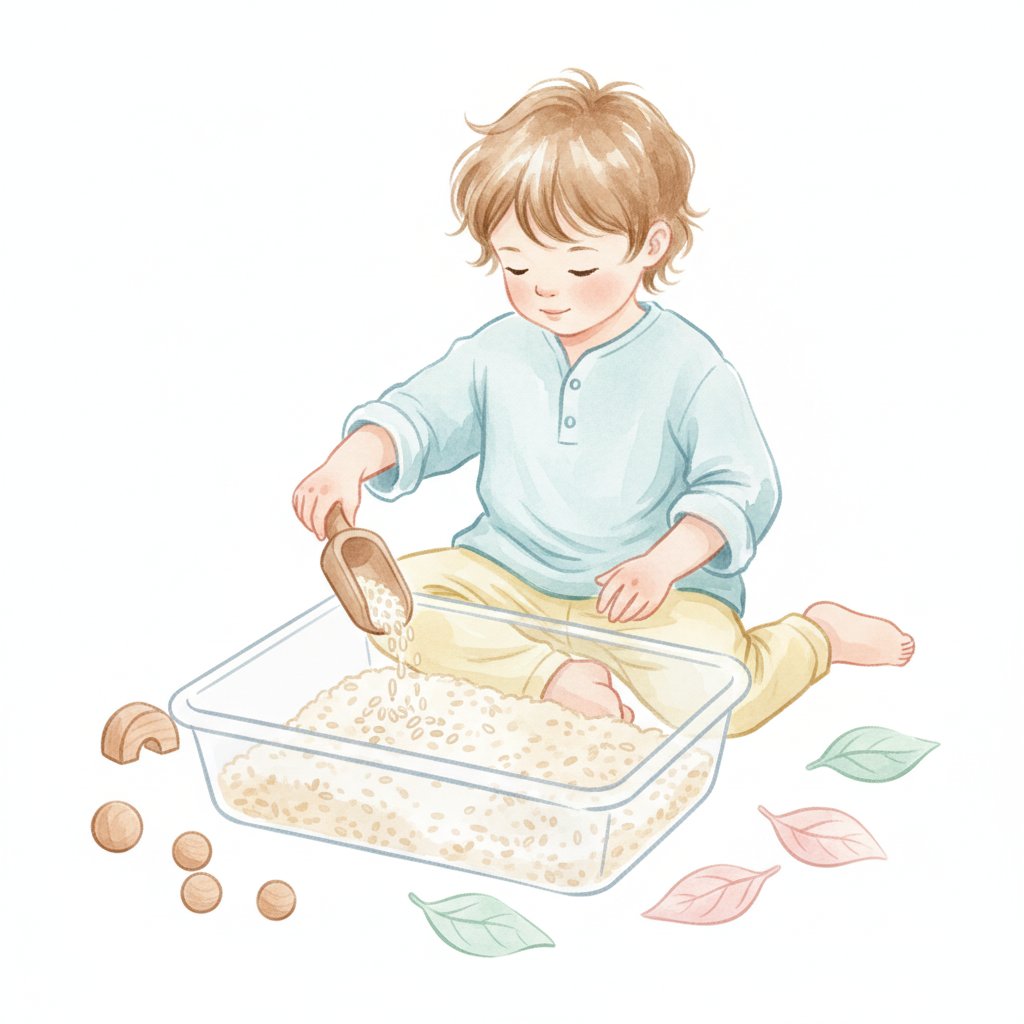
That was the moment sensory play clicked for me. It is not crafts with extra steps. It is the hands, mouth, eyes, ears, nose, and body input that wires a preschooler's brain for attention, coordination, and calm. And the part no one tells you: what a three-year-old's body needs is not the same as what a five-year-old's body needs.
This guide is organized by who is playing — your three-, four-, or five-year-old — not by sense or by bin filler. Each age band has the milestones to watch, do-today activities with stuff already in your kitchen, and a calm note on whether what you are seeing is typical. For the full map of the eight sensory systems, that lives in our sensory activities umbrella guide. Here, we focus on age and stage.