Articles11 min read

My Three-Year-Old Spotted a Hexagon at the Grocery Store

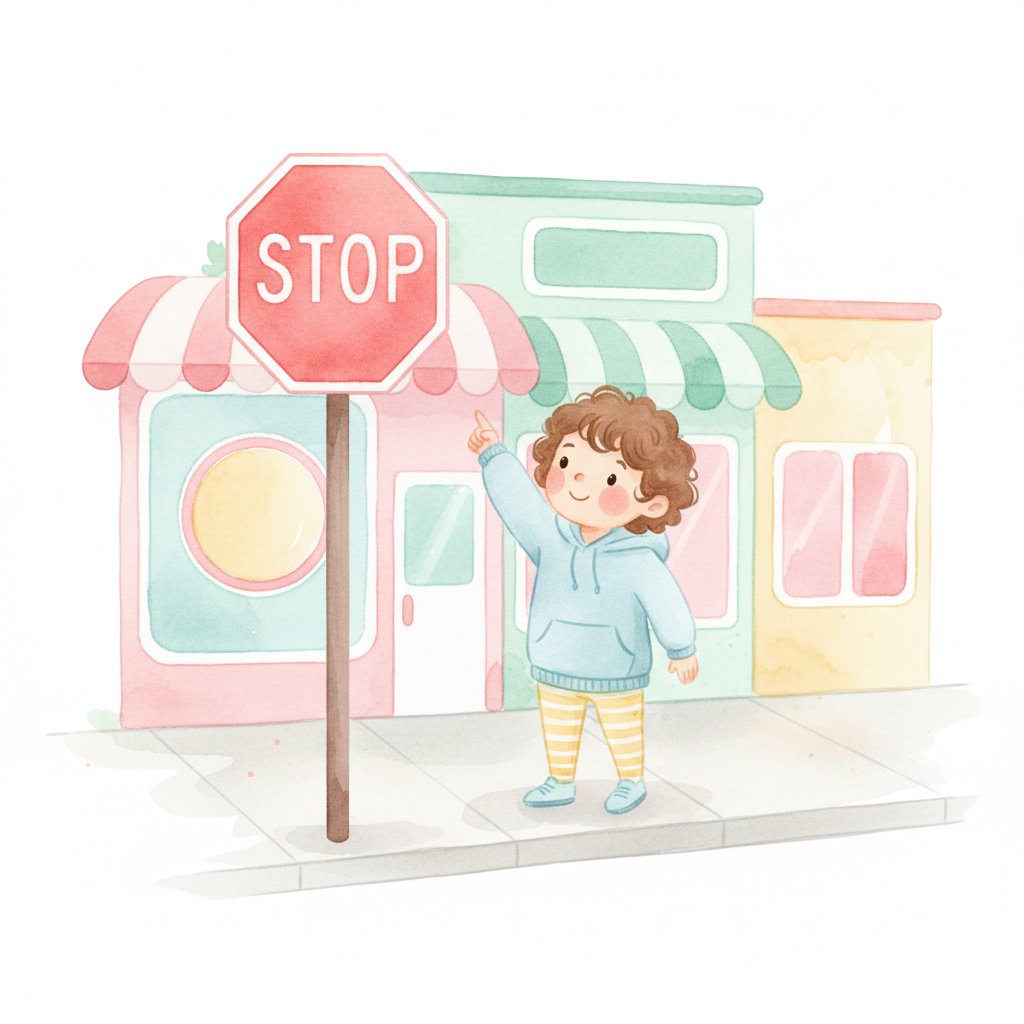
"Mommy, that stop sign has eight sides! It's an octagon!" My daughter was three, and she had just transferred shape knowledge from our kitchen table activities to the real world — exactly what every teacher and parent hopes for.

That moment didn't happen by accident. Shape recognition is one of the earliest math skills children develop, and it's foundational for everything that follows: geometry, spatial reasoning, letter recognition (those curves and lines are shapes), and even art. The good news? Teaching shapes doesn't require expensive materials. Most of the best activities use things you already have.

This guide pairs perfectly with our pattern blocks activities for preschool for hands-on geometry, and our counting activities for preschoolers for building number sense alongside shape skills. For a full kindergarten readiness overview, see our kindergarten readiness checklist.

The National Association for the Education of Young Children identifies geometry and spatial sense as one of the core math content areas for preschool — not a "nice to have" but a must-teach.

Shape Learning Milestones by Age

Children don't learn all shapes at once. Here's what to expect and when:

AgeShapes to KnowWhat They Can Do
1-2Circle, squareMatch identical shapes, point to named shapes
2-3Circle, square, triangleName 2-3 shapes, sort by shape with help
3-4Circle, square, triangle, rectangle, ovalName 4-5 shapes, sort independently, find shapes in environment
4-5All basic shapes + diamond, star, heartDescribe shape attributes ("it has three sides"), draw shapes, create shape pictures
5-6Hexagon, pentagon, rhombus, trapezoidCount sides and corners, compare shapes, understand "polygon"

Important: These are guidelines, not deadlines. Some children recognize hexagons at three; others take longer with basic shapes. The key is consistent exposure through play, not drilling.

For related developmental milestones, see our fine motor skills activities guide — shape activities and fine motor development go hand in hand.

25 Shape Activities for Preschoolers

Shape Recognition Activities (Ages 2-3)

1. Shape Hunt Around the House

Give your child a paper with one shape drawn on it. Walk through your home together finding objects that match. "This plate is a circle! This book is a rectangle!" No prep needed.

Materials: None

2. Shape Sort with Toys

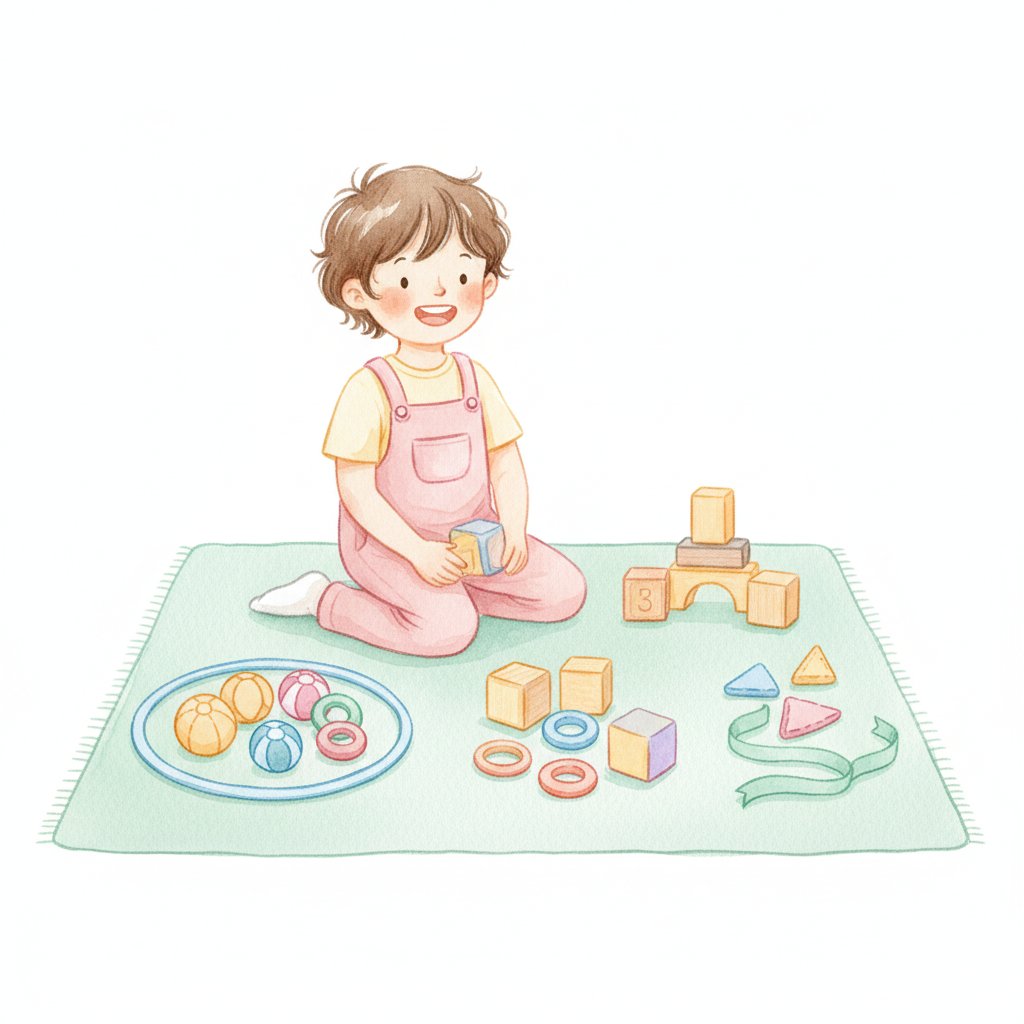
Gather toys and household items of different shapes. Place shape labels on the floor (circle, square, triangle). Children sort items onto the matching shape. Use a hula hoop for circles, a book for rectangles, a toy block for squares.

Materials: Household items, paper labels

3. Sticky Shape Wall

Tape contact paper to a wall (sticky side out). Cut shapes from construction paper. Children stick shapes to the wall, naming each one as they go. The vertical surface builds shoulder stability too.

Materials: Contact paper, construction paper shapes, tape

4. Shape Snack Time

Cut sandwiches into triangles, use round crackers for circles, cheese slices into squares, and graham crackers for rectangles. "What shape are you eating?" turns snack into a learning moment.

Materials: Snack foods, cookie cutters (optional)

{% product-block %}
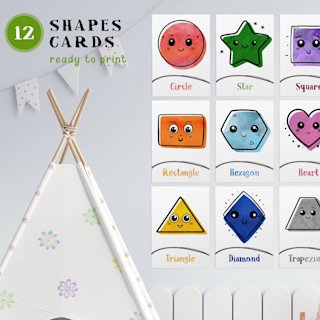
Shape vocabulary starts with visual anchors. Our Shapes Flashcards give children a clear, colorful reference for 12 geometric shapes — from basic circles to hexagons and rhombuses — perfect for matching games and shape hunts.
{% end-product-block %}

Shape Sorting and Matching (Ages 3-4)

5. Shape Pizza

Cut a large circle from paper (the pizza crust). Cut smaller shapes for "toppings" — triangles for cheese, circles for pepperoni, rectangles for peppers. Children create their pizzas and count how many of each shape they used.

Materials: Construction paper, glue, scissors

6. Shape Bingo

Create simple bingo cards with 6-9 shapes. Call out shape names (or hold up a shape for younger children). First to cover their board wins. Play with a small group for social learning.

Materials: Bingo cards, shape cards or blocks for calling

7. Feed the Shape Monster

Decorate paper bags as "shape monsters" — one with triangle teeth, one with circle eyes, etc. Each monster only eats its matching shape. Children sort cutout shapes into the correct bag.

Materials: 4-6 paper bags, markers, paper shape cutouts

8. Shape Puzzles from Recyclables

Cut cereal boxes into shape pieces (cut a rectangle into 2-4 pieces, a circle into halves or quarters). Children reassemble the shapes. Self-correcting — if the picture doesn't line up, try again.

Materials: Cereal boxes, scissors

9. Playdough Shape Stamping

Roll out playdough and use shape cookie cutters or block shapes to stamp. Children press, lift, and name each shape. Add toothpicks along the edges to count sides.

Materials: Playdough, shape cookie cutters or blocks, toothpicks

10. Shadow Match

Cut shapes from black paper (the "shadows"). Children match colored shape cutouts to their matching shadows. Builds visual discrimination without relying on color cues.

Materials: Black construction paper, colored construction paper, scissors

Shape Construction and Art (Ages 4-5)
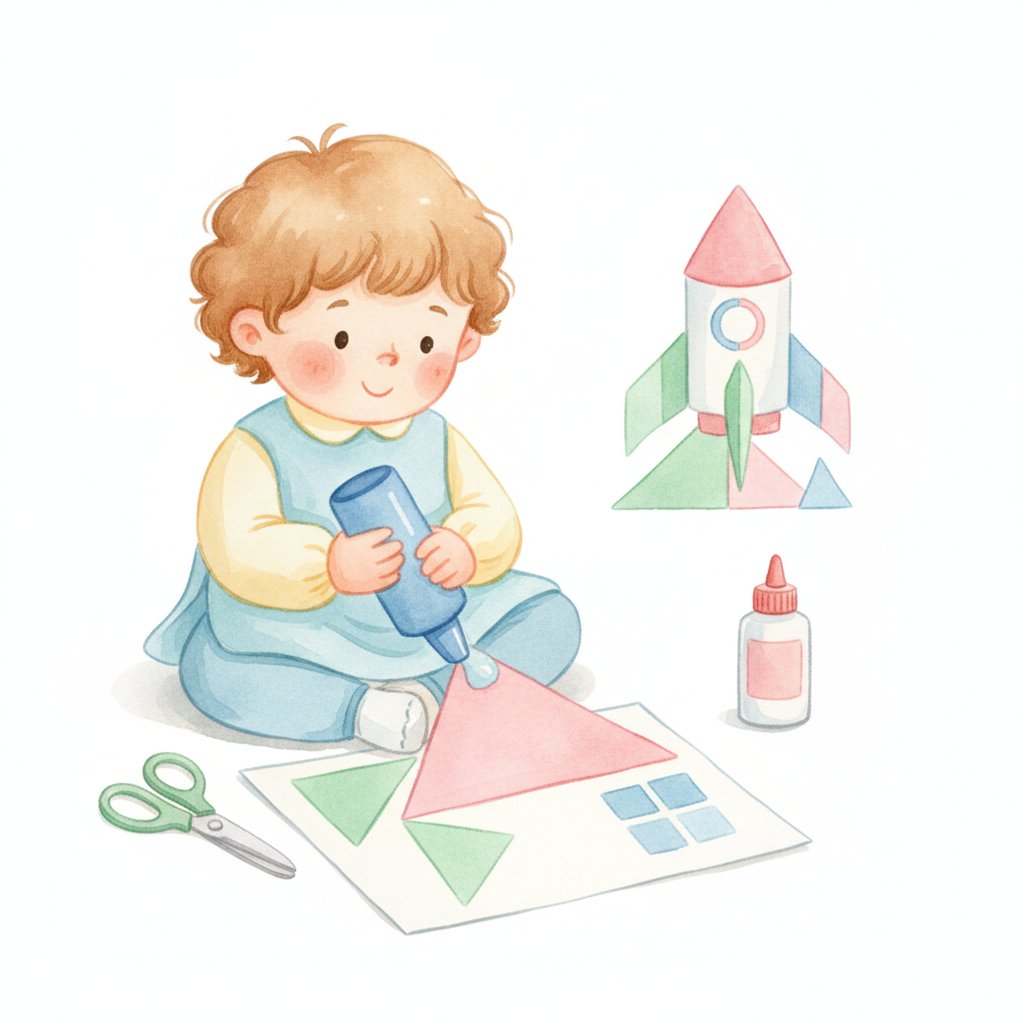
11. Shape Picture Building

Provide pre-cut shapes in various sizes. Children glue shapes onto paper to create pictures — houses, robots, animals, rockets. The trick: they must name and count each shape they use. "My house has one big rectangle, two small squares for windows, and one triangle for the roof."

Materials: Pre-cut construction paper shapes, glue, paper

12. Shape Collage Name Art

Children spell their name using cutout shapes. Curved letters (C, S, O) use circles and ovals. Straight letters (L, T, I) use rectangles and squares. Connects shape awareness to letter formation.

Materials: Construction paper shapes, glue, large paper

13. Geoboard Shapes

Use a geoboard (or make one with a corkboard and push pins) and rubber bands. Children stretch bands to create triangles, squares, and rectangles. Counting pegs between corners introduces perimeter thinking.

Materials: Geoboard or corkboard + pins, rubber bands

14. Tangram Puzzles

Provide tangram pieces and simple picture cards. Children arrange the seven pieces to match the picture. Classic spatial reasoning exercise that builds persistence alongside geometry skills.

Materials: Tangram set, picture cards

15. Shape Stamping with Kitchen Items

Dip the rim of cups (circles), boxes (squares/rectangles), and toy blocks (various shapes) in washable paint. Stamp onto paper to create shape art. Label each stamp session.

Materials: Washable paint, paper, cups, boxes, blocks

Advanced Shape Activities (Ages 5-6)

16. Shape Attribute Sorting

Give children a mixed set of shapes. Sort by number of sides, then by "has curves" vs. "all straight sides," then by "has right angles." Builds classification and analytical thinking.

Materials: Shape cutouts or blocks

17. Symmetry Drawing

Draw half a shape on paper (half a butterfly, half a house). Children complete the other half symmetrically. Introduces the concept of mirror images and bilateral symmetry.

Materials: Paper, pencils or crayons, ruler

18. Shape Scavenger Hunt with Graphing

Create a tally sheet with 6 shapes. Children hunt the classroom or home, tallying each shape they find. Convert tallies to a simple bar graph. Data analysis meets geometry.

Materials: Tally sheet, clipboard, pencil

19. Build a Shape Town

Use blocks, recyclables, and art supplies to build a 3D town. Each building must feature a specific shape. "The library is a rectangle with a triangle roof. The park has a circle pond." Combines geometry with dramatic play.

Materials: Blocks, recyclables, art supplies

20. Shape Riddles

"I have three sides and three corners. What am I?" Children guess the shape from the riddle. Take turns — children create riddles for each other. Deepens understanding of shape attributes.

Materials: None

{% product-block %}
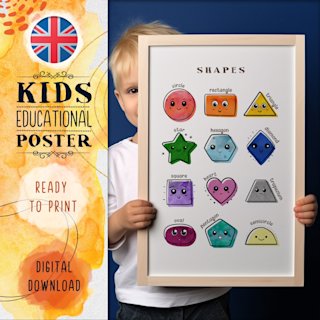
Keep shapes visible every day. Our Shapes Poster for Kids displays all basic geometric shapes with clear labels — a constant visual reference that reinforces what children learn during activities.
{% end-product-block %}

Printable Shape Activities

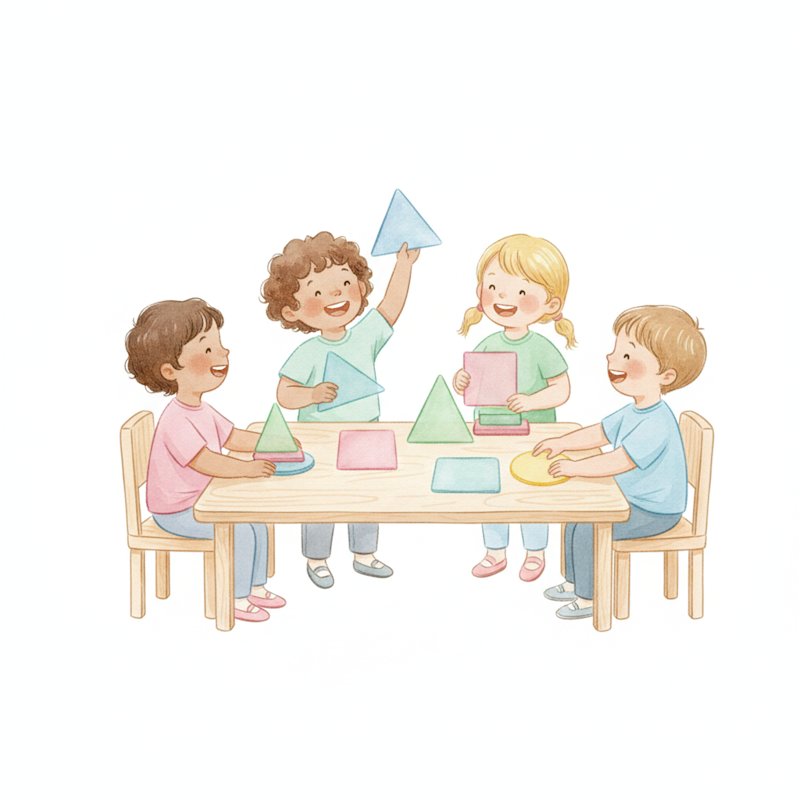
21. Shape Tracing Worksheets

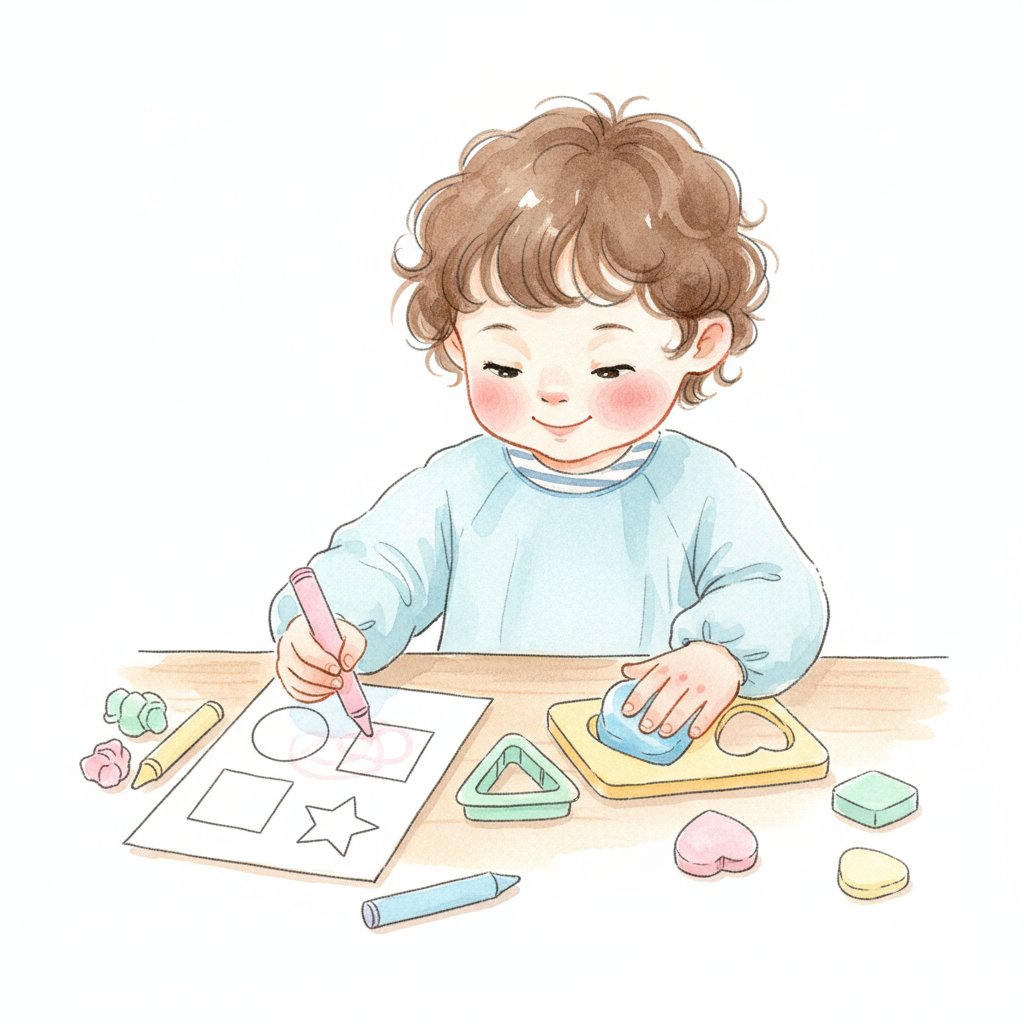
Print worksheets with large shape outlines. Children trace with their finger first, then with a crayon, then try drawing independently. Three-step progression from guided to independent.

Materials: Printed worksheets, crayons

22. Dot-to-Dot Shapes

Number the corners of shapes. Children connect dots in order, revealing a triangle (3 dots), square (4 dots), pentagon (5 dots), or hexagon (6 dots). Number order practice + shape recognition combined.

Materials: Printed dot-to-dot sheets, pencils

23. Color-by-Shape Pages

Like color-by-number, but each shape gets a color. "Color all triangles green, all circles blue, all squares red." Reinforces shape identification through a motivating format children already love.

Materials: Printed color-by-shape pages, crayons

24. Shape Playdough Mats

Print mats with shape outlines. Children roll playdough "snakes" and place them along the outlines. Adds a tactile, kinesthetic element to shape recognition. Laminate for reuse.

Materials: Printed shape mats, playdough

25. Shape Matching Memory Game

Print pairs of shape cards. Place face down. Children flip two cards, trying to find matching shapes. Builds visual memory and shape discrimination simultaneously.

Materials: Printed shape cards (pairs)

For more free printable resources, see our free printable coloring pages guide and our free printable phonics games.

Teaching Shapes: Tips for Teachers and Parents

For Classroom Teachers

Shape of the Week Structure:

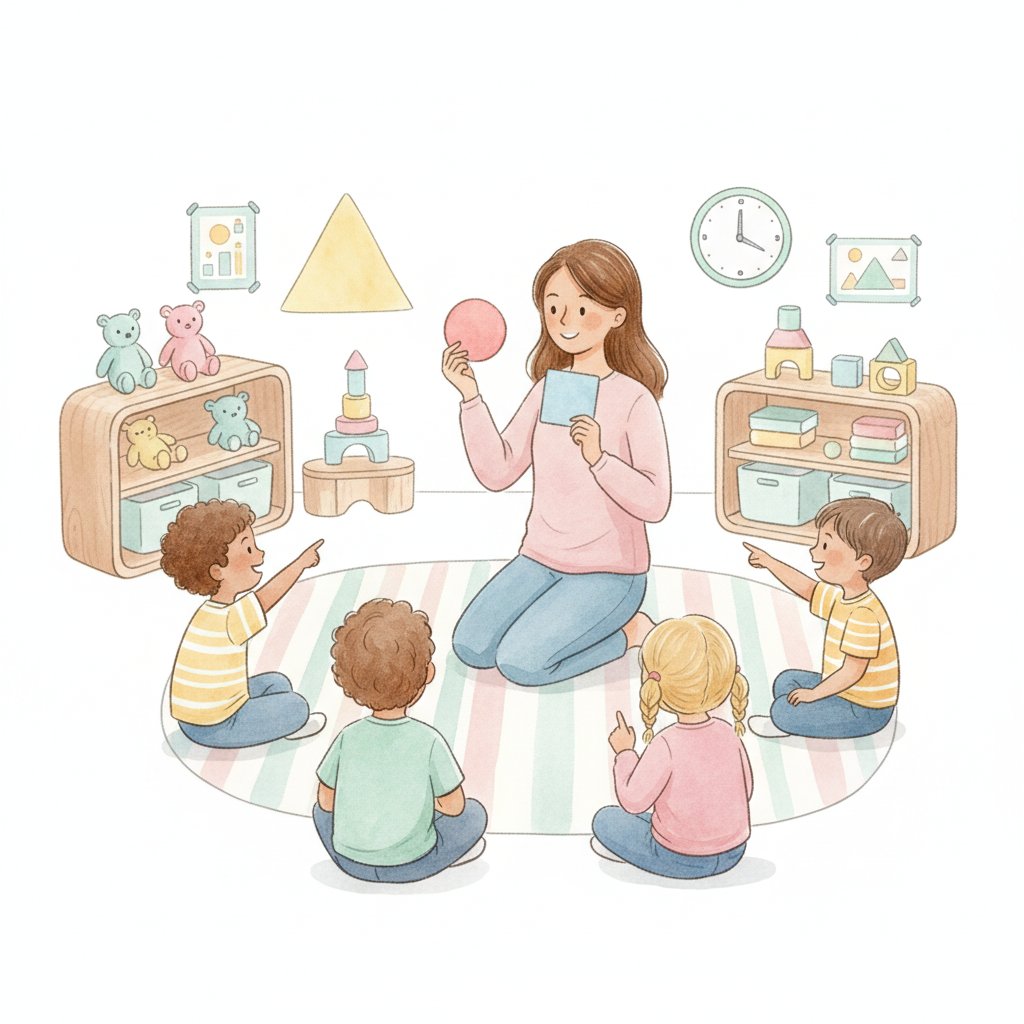
  • Monday: Introduce the shape at circle time — name, count sides, count corners
  • Tuesday: Shape hunt around the classroom
  • Wednesday: Shape art activity (collage, stamping, or tracing)
  • Thursday: Shape center activity (sorting, puzzles, or matching games)
  • Friday: Shape assessment check — can each child name and describe the shape?

Cross-Curricular Connections:

  • Literacy: Shape-related read-alouds (Mouse Shapes by Ellen Stoll Walsh, The Shape of Things by Dayle Ann Dodds)
  • Art: Shape collages, shape stamping, shape sculptures
  • Movement: "Walk in a triangle path," "Make your body into a circle"
  • Science: Sort natural objects by shape (leaves, rocks, shells)

For Parents at Home

Low-Prep Shape Activities (Under 2 Minutes):

  • Point out shapes on signs during car rides
  • "What shape is your plate? Your napkin? Your cracker?"
  • Draw shapes in shaving cream on a baking sheet
  • Use shape cookie cutters with playdough

Making Shapes Part of Daily Routine:

  • Morning: "What shape is the clock? The window?"
  • Mealtime: Shape snacks (crackers, sandwiches, fruit slices)
  • Bedtime: Spot shapes in the bedroom — the door is a rectangle, the clock is a circle

For more classroom organization ideas, see our classroom organization printables guide.

{% product-block %}
Build a complete learning wall. Our Educational Posters for Kids Set includes shapes, colors, numbers, and the alphabet — covering all the core visual references a preschool classroom needs in one printable bundle.
{% end-product-block %}
Common Mistakes When Teaching Shapes

1. Only Teaching in 2D

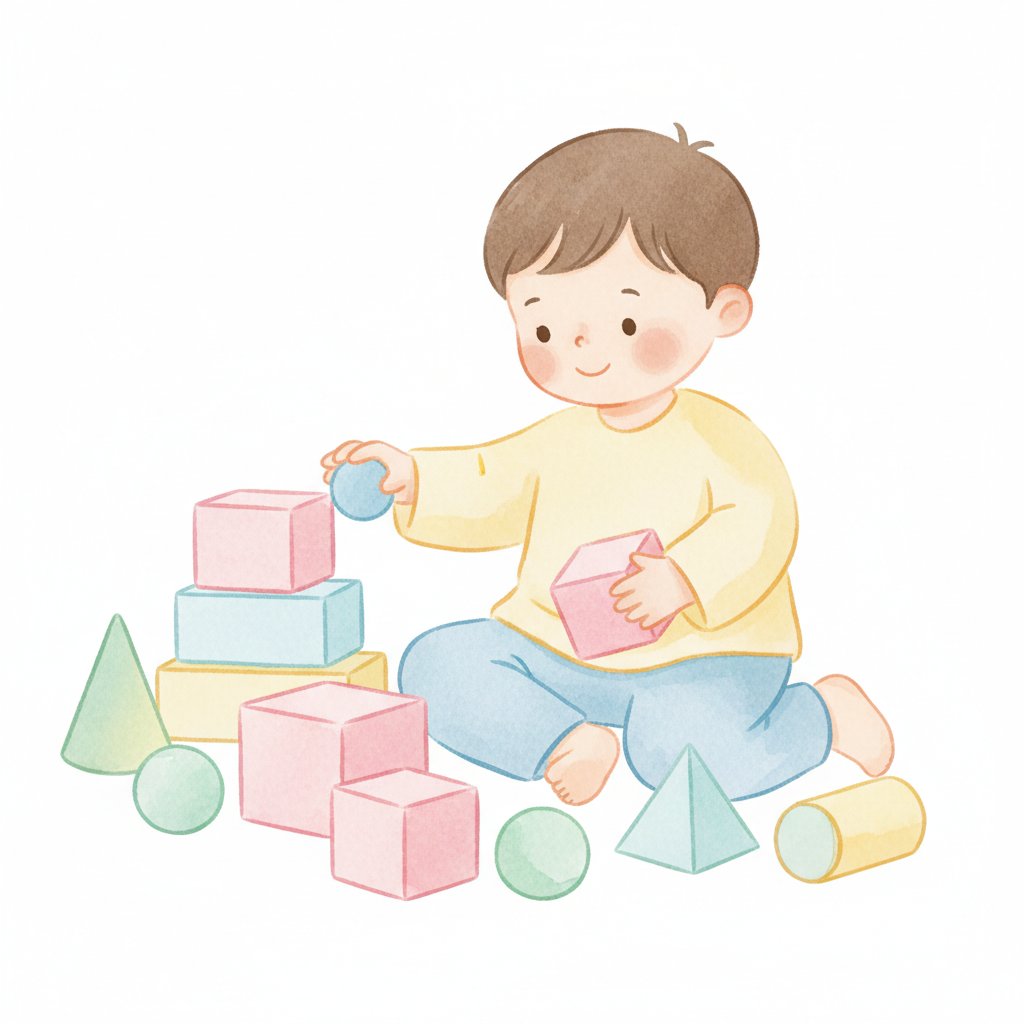
Children live in a 3D world. A "square" on paper is different from a "square" block. Always pair flat shape activities with 3D objects — blocks, balls, boxes, cones. This builds the bridge between 2D representation and 3D reality.

2. Using Only One Orientation

A triangle doesn't always point up. Show shapes in different orientations — rotated, flipped, different sizes. Children who only see equilateral triangles pointing up struggle to identify triangles in other positions.

3. Rushing to Complex Shapes

If a child can't reliably identify circles, squares, and triangles, don't rush to hexagons and rhombuses. Master the basics first. A strong foundation in 4-5 shapes is better than a shaky familiarity with 12.

4. Treating Shape Learning as Only a Math Activity

Shapes are everywhere — in art, literacy, science, and daily life. When you integrate shapes across activities, children internalize them faster. "The letter A is made of triangles! The letter O is a circle!"

5. Forgetting to Count Sides and Corners

Naming shapes is step one. Counting sides and corners is step two — and it's where real geometric understanding begins. Always ask: "How many sides does this shape have? How many corners?"

Frequently Asked Questions

At what age should children start learning shapes?

Most children begin recognizing circles and squares between 18-24 months. By age 3, most can name 2-3 shapes. By age 5, children should know circle, square, triangle, rectangle, oval, diamond, star, and heart — plus be able to count sides and corners.

What's the best order to teach shapes?

Start with circle and square (easiest to distinguish). Add triangle next (distinct from both). Then rectangle, oval, and diamond. Finally, introduce hexagon, pentagon, and other polygons. Always pair new shapes with known shapes for comparison.

Should I use the word "diamond" or "rhombus"?

For preschoolers (ages 2-4), "diamond" is fine — it's the common word they'll hear. Starting at age 4-5, introduce "rhombus" alongside "diamond." By kindergarten, "rhombus" should be the primary term. Both are correct; rhombus is the mathematical term.

How do I know if my child is on track with shapes?

By age 4, your child should name at least 4 shapes consistently and find shapes in the environment without prompting. By age 5, they should describe shapes by their attributes ("a triangle has three sides") and draw basic shapes. If concerned, talk to your pediatrician or child's teacher.

Can shape activities help with letter recognition?

Yes — this is one of the most overlooked connections. Letters are made of shapes. The letter A contains triangles. The letter O is a circle. The letter L is two rectangles. Shape recognition directly supports letter formation and visual discrimination skills needed for reading.

What materials do I need to teach shapes at home?

Bare minimum: paper, scissors, and a crayon. From there, playdough, blocks, and a set of shape flashcards give you everything you need for months of activities. No expensive materials required.

For more preschool learning activities, explore our art activities for preschoolers and STEM activities for preschoolers guides.