Articles8 min read

The Word My Daughter Read First (And Why It Wasn't "Cat")

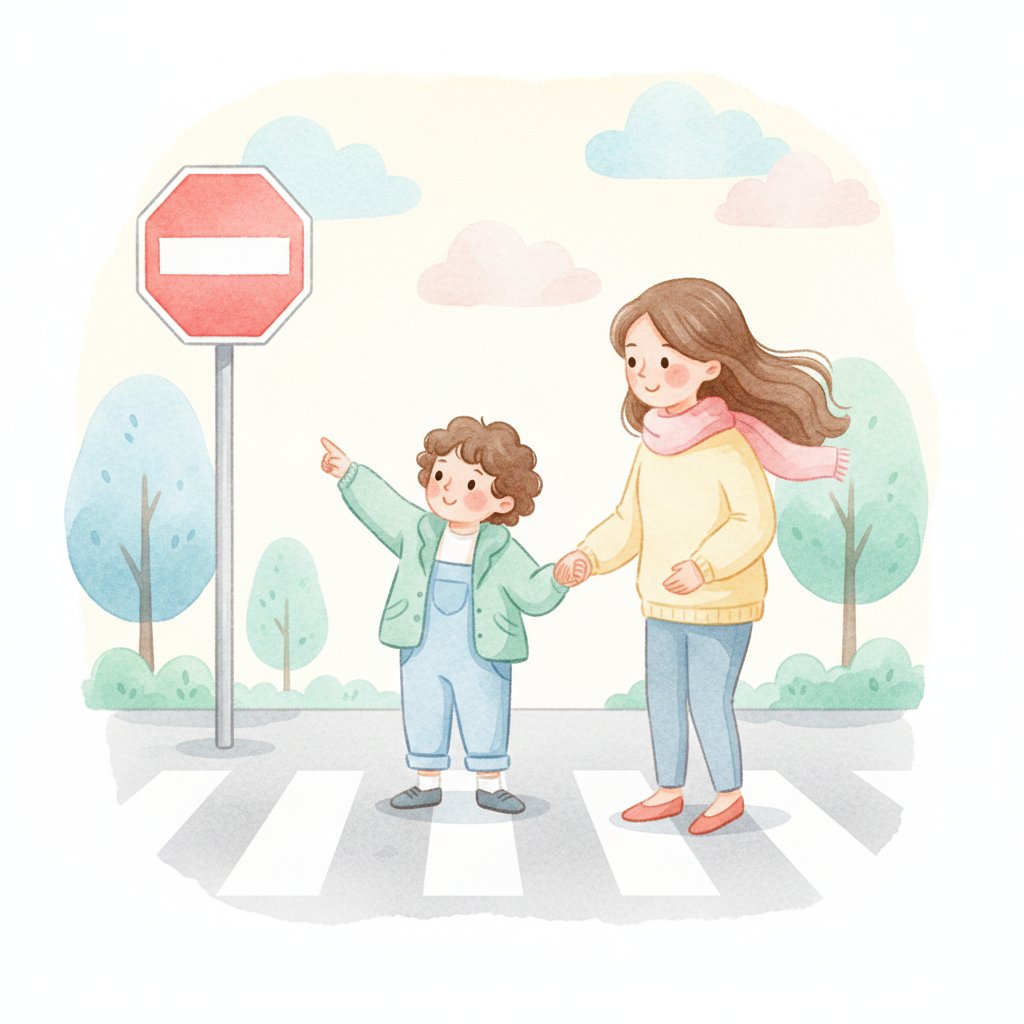
The first word my daughter read independently wasn't in any reading curriculum. It was "STOP" — on a stop sign. She recognized it because she'd seen it hundreds of times at the crosswalk near our house. That's the essence of sight words: words children learn to recognize instantly by sight, without sounding them out, because they see them everywhere.

Sight words (also called high-frequency words) are the most commonly used words in English text. The top 100 sight words make up about 50% of all written English. Words like "the," "and," "is," "it," "to," and "said" appear on virtually every page of every book. When children can read these words automatically, their cognitive energy is freed up for decoding less familiar words and understanding meaning.
According to Dolch's foundational research, children who know the 220 Dolch sight words by sight recognize approximately 70% of the words in children's books. This guide covers 20+ activities to teach these words through play, not drill. Pair it with our phonics activities for decoding skills and our alphabet flashcards for letter recognition.
What Are Sight Words and Why Do They Matter?

Sight words are words that can't be easily sounded out. Many common English words don't follow phonics rules: "said" doesn't rhyme with "paid," "was" doesn't sound like it's spelled, and "the" has a silent vowel. Children must learn these words by visual memory — recognizing the whole word at a glance.

The first 25 sight words to teach:
the, and, a, I, to, is, it, in, was, he, she, you, we, they, my, me, go, no, said, have, are, for, on, at, can

When to start: Most children begin sight word instruction around age 4-4.5. Before starting sight words, children should be able to:

  • Recognize most uppercase and lowercase letters
  • Understand that print carries meaning
  • Recognize their own name in print

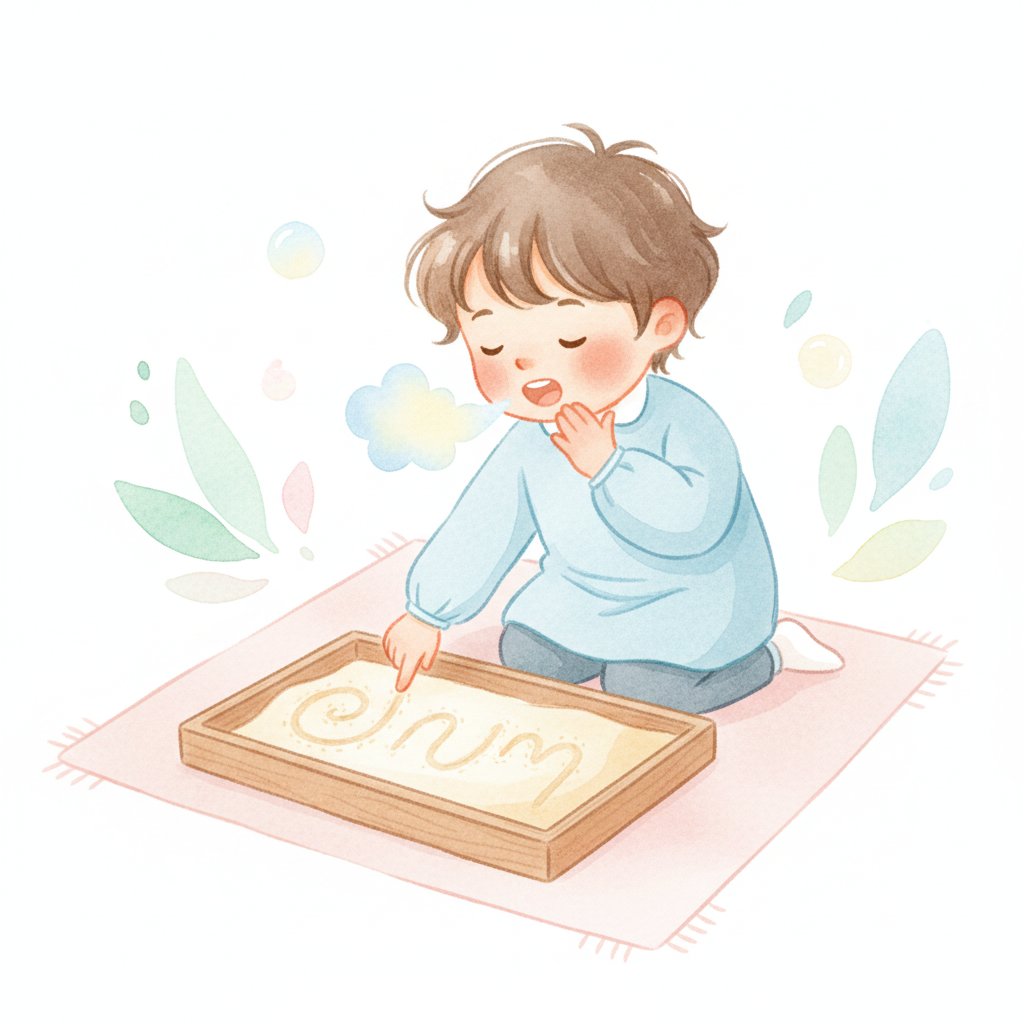
The multisensory principle: Sight words are learned best when children see, say, hear, and physically interact with the word simultaneously. Flashing a card for 2 seconds and moving on does not create lasting memory. Tracing the word in sand while saying it aloud does.

MethodRetention RateWhy
Visual only (flashcards)~20%One sensory channel
Visual + auditory (see and say)~40%Two channels
Visual + auditory + kinesthetic~70%Three channels — brain encodes in multiple locations
All above + emotional engagement~90%Memory attaches to feeling
Build sight words letter by letter
Our Alphabet Monster Flashcards are the building blocks for sight word construction. Spread out the cards: 'Can you find the letters to spell THE?' Children find T, H, E and line them up. Letter-by-letter building teaches that words are made of letters — and that sight words are just letters they already know, combined. 26 monster friends, hundreds of words to build.

Multisensory Sight Word Activities (Ages 4-6)

1. Salt tray writing
Materials: Shallow tray, thin layer of salt, sight word card for reference.

What to do: Show the word card. Child says the word. Child writes the word in salt with their finger while saying each letter. Shake to erase. Repeat 3 times.

Why it works: The tactile feedback of writing in salt creates a stronger motor memory than pencil on paper. Children can practice a word dozens of times without wasting paper or feeling pressure.

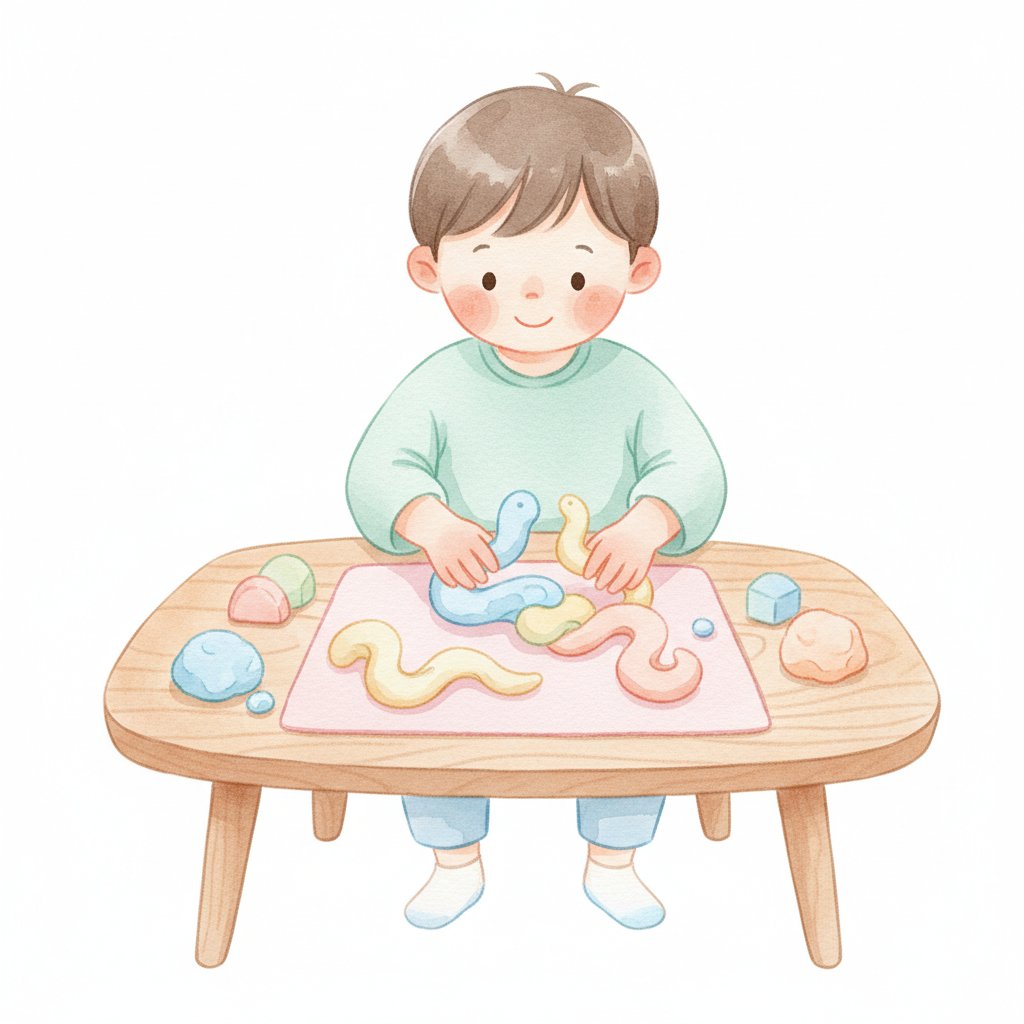
2. Play dough words
Materials: Play dough, sight word cards.

What to do: Children roll play dough into "snakes" and form the letters of each sight word. Build the word on the table next to the card.

Why it works: The large motor movements of forming letters in dough create muscle memory. When the child later writes the word small-scale with a pencil, the hand "remembers" the movement from play dough.

3. Sky writing
What to do: Children extend one arm straight and "write" the sight word in the air with their index finger, saying each letter as they write it. Make it BIG — use the whole arm.

Why it works: Large motor movements encode the word's shape in the body's motor memory. The arm learns the word before the hand tries to reproduce it small. For more movement-based learning, see our gross motor activities.

4. Rainbow writing
Materials: Paper, sight word written in pencil, multiple colored crayons.

What to do: Child traces over the word with one color, then traces again with another color, then another — creating a rainbow. Each trace reinforces the word's shape while saying the letters aloud.

5. Wikki Stix words
Materials: Wikki Stix (bendable wax-coated yarn strips), sight word cards.

What to do: Children bend and shape Wikki Stix into letter forms on top of the sight word card. The wax coating makes them stick to the card.

Why it works: Wikki Stix provide strong tactile feedback — the child feels every curve and line of each letter. The resistance of bending the stiff material engages the proprioceptive sense.

Movement-Based Sight Word Games (Ages 4-6)

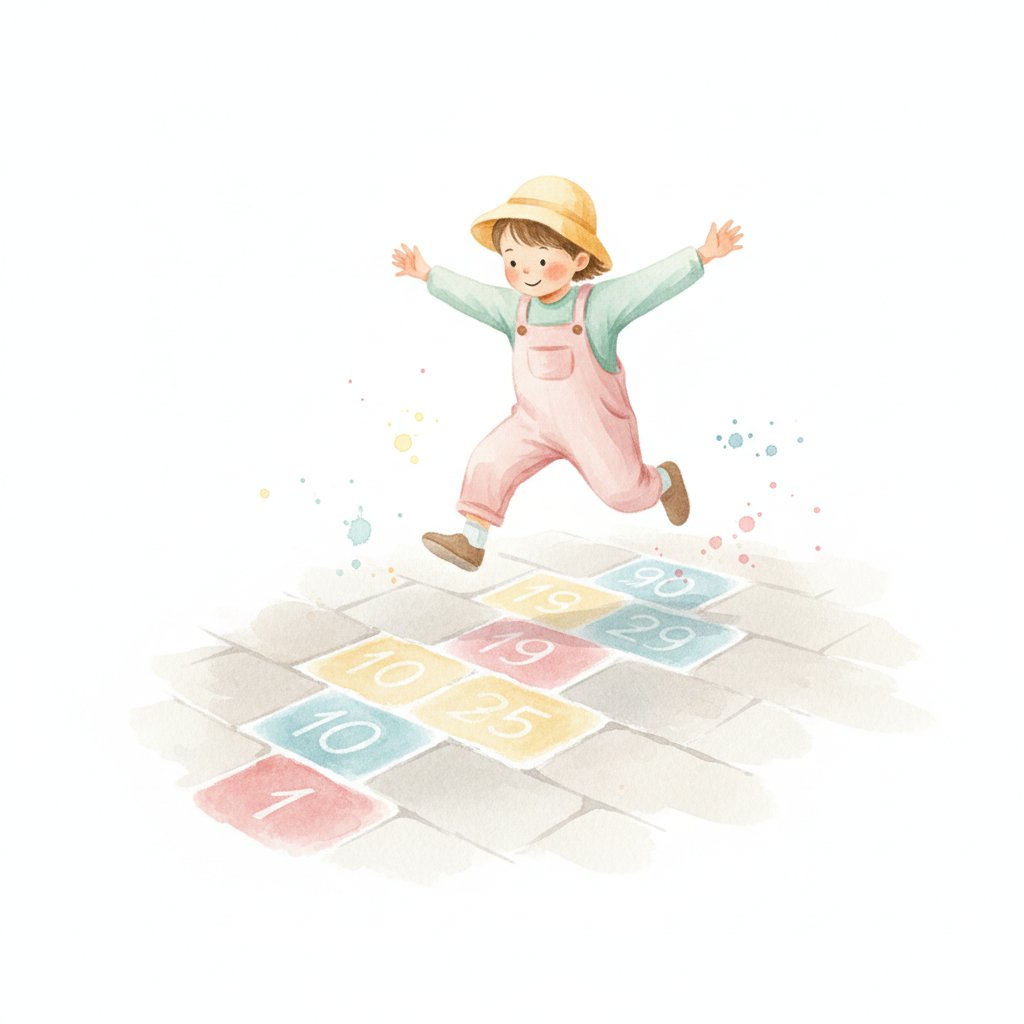
6. Sight word hopscotch
Materials: Sidewalk chalk, outdoor space.

What to do: Write sight words in hopscotch squares instead of numbers. Child hops from square to square, reading each word they land on. "THE — AND — IS — IT!"

Why it works: Movement + reading=dual encoding. The brain remembers the word better when it's associated with a physical action.

7. Word hunt around the room
Materials: Sight word cards taped to walls around the room, clipboard, paper.

What to do: Children search for sight word cards hidden around the room. When they find one, they say it and write it on their clipboard. "I found 'THE' behind the bookshelf!"

Why it works: Active searching creates engagement that passive flashcard drills can't match. Children remember where they found each word — spatial memory supports word memory.

8. Sight word basketball
Materials: Sight word cards, soft ball, basket.

What to do: Show a sight word. Child reads it correctly → gets to shoot the ball into the basket. Read incorrectly → try again. The ball-throwing is a brain break between word attempts.

9. Musical sight words
Materials: Sight word cards in a circle on the floor, music.

What to do: Children walk around the circle while music plays. Music stops → child reads the word they're standing next to. Works like musical chairs but everyone gets to play.

10. Sight word relay race
Materials: Two sets of sight word cards, two baskets at the far end of the room.

What to do: Children line up in two teams. First child draws a card, reads it, runs to the basket, drops it in, runs back. Next child goes. Team with all cards in the basket first wins.

Why it works: Competition + movement + reading=high engagement. Children who resist reading activities will participate enthusiastically in a relay. For more active learning ideas, see our counting activities for movement-based math.

Phonics flashcards: the bridge between letters and sight words
Our Phonics Flashcards show each letter with its sound-spelling patterns. When children know that 'T-H-E' maps to specific sounds, the sight word 'THE' has logic behind it — not just rote memory. Phonics understanding makes sight words stick because the word has meaning, not just shape. Each card is a stepping stone from letters to reading.

Reading and Writing Sight Word Activities (Ages 4-6)

11. Personal word wall
Materials: Poster board, markers, stickers.

What to do: Each child has a personal word wall. When they learn a new sight word, they write it on their wall. The wall becomes a reference they use during writing time: "How do you spell 'the'? Check your word wall."

Why it works: Personal ownership of the word wall increases motivation. Children are proud of their growing collection and reference it independently — building self-directed learning habits.

12. Sight word books
Materials: Paper, markers, stapler.

What to do: Create simple pattern books using sight words: "I see a _. I see a _. I see a ___." Children fill in the blank with drawings and words. The repeated pattern provides practice reading the same sight words multiple times in context.

13. Sight word stamping
Materials: Letter stamps, ink pad, paper.

What to do: Children stamp each letter to spell the sight word. The stamping is slower and more deliberate than writing — children focus on each letter individually.

Why it works: The physical act of selecting and pressing each letter stamp creates a deliberate, focused interaction with each letter in the word. This isn't rapid-fire practice — it's deep processing. For more letter activities, see our letter of the week guide.

14. Whiteboard writing
Materials: Individual whiteboards, dry erase markers.

What to do: Adult says a sight word. Children write it on their whiteboard. Hold up for check. Erase. Next word. The quick cycle of write-check-erase keeps pace fast and engagement high.

15. Sight word sentence building
Materials: Word cards (sight words + picture words), sentence strip.

What to do: Children arrange word cards to build sentences: "I | see | a | [cat picture]." The sight words stay the same; the picture words change. Multiple sentences with the same structure reinforce the sight words through repetition in context.

Art and Game Activities (Ages 3-6)

16. Sight word memory game
Materials: Two copies of each sight word card (start with 6-8 words).

What to do: Cards face down. Children flip two cards. If they match AND the child can read the word, they keep the pair. If not, flip them back.

Why it works: Memory games require children to look at each word multiple times while searching for matches. The game structure provides natural repetition without feeling like drill.

17. Watercolor resist words
Materials: White paper, white crayon, watercolor paints, sight word list.

What to do: Adult writes sight words on paper with white crayon (invisible on white paper). Children paint over the paper with watercolors. The wax resists the paint, and the words "magically" appear. Children read each word as it appears.

Why it works: The magic-reveal element creates excitement and surprise. Children are motivated to read the words because they "discovered" them. See our art activities for more art-literacy connections.

18. Sight word bingo
Materials: Bingo cards with sight words, word caller cards.

What to do: Caller reads a word. Children find and mark it on their card. First to complete a row shouts "BINGO!"

Why it works: Bingo requires children to scan all words on their card for each word called — multiple exposures per round.

19. Magnetic letter building
Materials: Magnetic letters, cookie sheet or magnet board, sight word cards.

What to do: Children build sight words with magnetic letters on the board, using the card as reference. They can leave their words displayed and read them throughout the day.

20. Sight word path
Materials: Sight word cards on the floor in a path.

What to do: Cards form a path across the room. Children walk the path, reading each word they step on. "Walk the word path to get to the rug!" It's functional — the words are the floor tiles.

Why it works: Embedding reading into daily movement (getting from one place to another) provides frequent, brief exposure without dedicated "lesson time." For more embedded learning, see our daily routine activities.

Word of the day: sight word routines that work
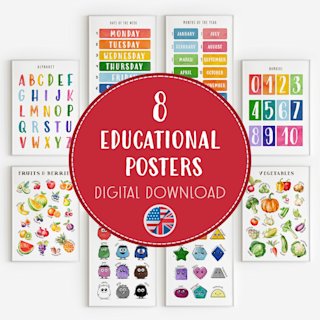
Our Days of the Week Poster creates the structure for a daily sight word routine: 'Monday's word is THE. Tuesday's word is AND.' Post the day's sight word next to the day card. Children see it, say it, write it, and find it in books all day. Routine makes the learning invisible — and invisible learning is the most durable.
1.How many sight words should a preschooler know?
There's no universal requirement, but most pre-K programs introduce 20-40 sight words during the year. By kindergarten entry, children who know 25-50 sight words have a strong foundation. Quality matters more than quantity — it's better for a child to deeply know 20 words than to shallowly recognize 50. Focus on the most common words first: the, and, a, is, it, to, in, he, she, was.
2.Should I teach sight words before phonics?
Sight words and phonics should be taught simultaneously, not sequentially. Phonics teaches children to decode new words; sight words teach them to recognize common words instantly. Children need both skills to become fluent readers. Don't delay sight words "until phonics is done" — they're complementary, not competing.
3.My child can memorize flashcards but can't read the words in books. Why?
This is the "flashcard trap" — children memorize the card (including its position, font, and color) rather than the word itself. Solution: present the same word in multiple contexts (different fonts, different backgrounds, handwritten, typed, in books, on signs). True sight word knowledge means recognizing the word everywhere, not just on a specific flashcard.
4.How long does it take for a preschooler to learn a sight word?
Research suggests most children need 10-20 meaningful exposures to a sight word before it's firmly in memory. "Meaningful" means the child attends to the word, says it, writes it, or uses it — not just sees it flash by on a card. One quality exposure per day for 2-3 weeks typically secures a sight word. Some words click faster; irregular words like "said" and "was" take longer.