Articles8 min read

The Day My Three-Year-Old Said "Absolutely"

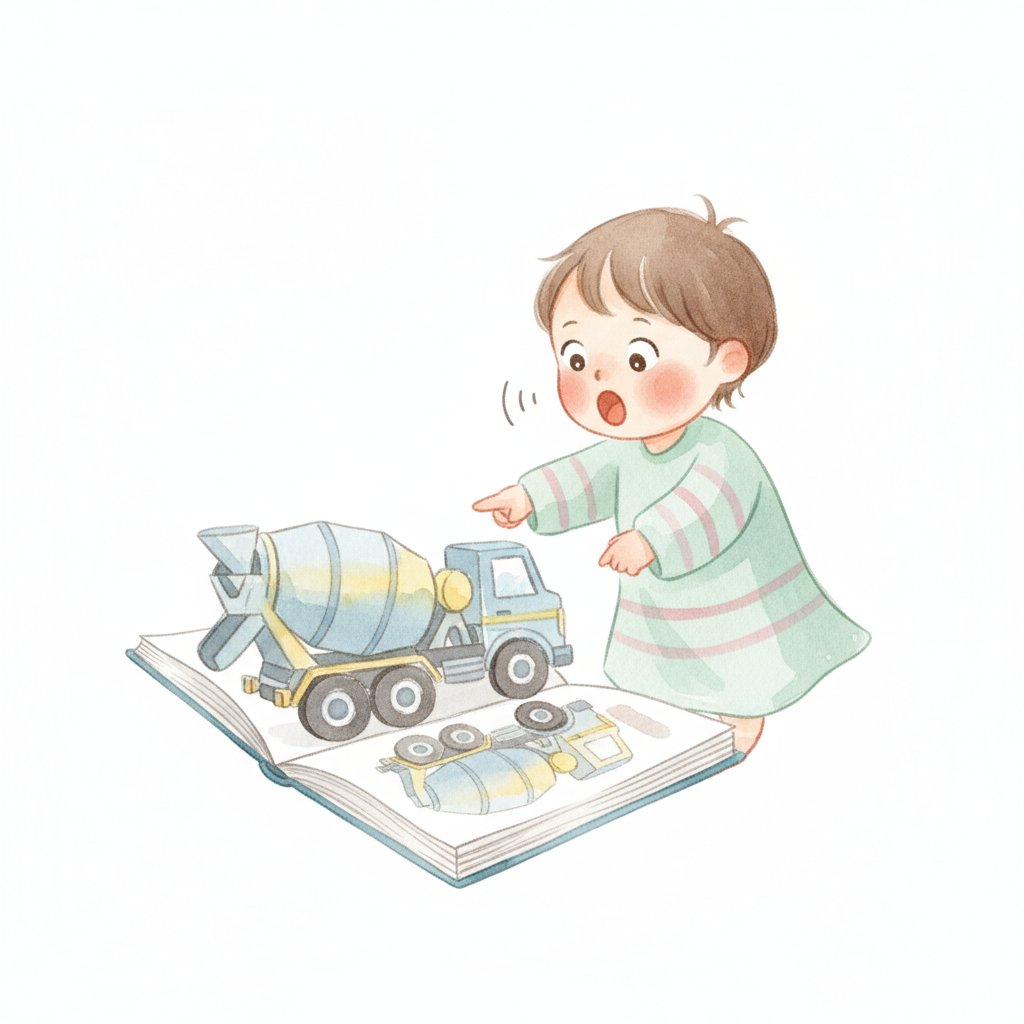
We were reading a book about construction trucks, and I asked if she liked the cement mixer. She paused, tilted her head, and said: "Absolutely. It's enormous." I had used the word "absolutely" twice that week — once at breakfast, once in the car. She had filed it away, understood the context, and deployed it perfectly. Children are vocabulary sponges, but only when the conditions are right.

Research from Hart and Risley's landmark study showed that children who hear more words in daily conversation develop larger vocabularies and stronger reading skills. But it's not just about volume — it's about variety, repetition, and meaningful context. A child who hears the word "enormous" while looking at a construction truck is more likely to remember it than a child who hears it in an abstract list.

By age 3, most children know 300-500 words. By age 5, that jumps to 2,000+. The gap between children with rich vocabulary exposure and those without widens every year — and it starts long before kindergarten.

This guide covers 20+ vocabulary activities for ages 2-6 that build word knowledge through play, conversation, and direct teaching. Pair it with our phonics activities for the sound-side of language, and our alphabet flashcards guide for letter recognition that supports reading vocabulary.

Vocabulary Development Milestones

AgeTypical VocabularyWhat Helps Most
1-250-200 wordsNaming objects, reading aloud, narrating daily activities
2-3200-500 wordsDescriptive language, questions, simple games
3-4500-1,000 wordsCategory sorting, storytelling, "what if" questions
4-51,000-2,000 wordsDefinition games, reading variety, word play
5-62,000-2,500+ wordsContext clues, multiple meanings, word relationships

The 2,000-word gap: Research shows children from word-rich environments hear 30+ million more words by age 3 than children from word-poor environments. The activities in this guide are designed to close that gap by making rich vocabulary part of everyday play.

Everyday Vocabulary Strategies (All Ages)

These aren't formal activities — they're conversation habits that build vocabulary continuously.

1. Narrate Everything

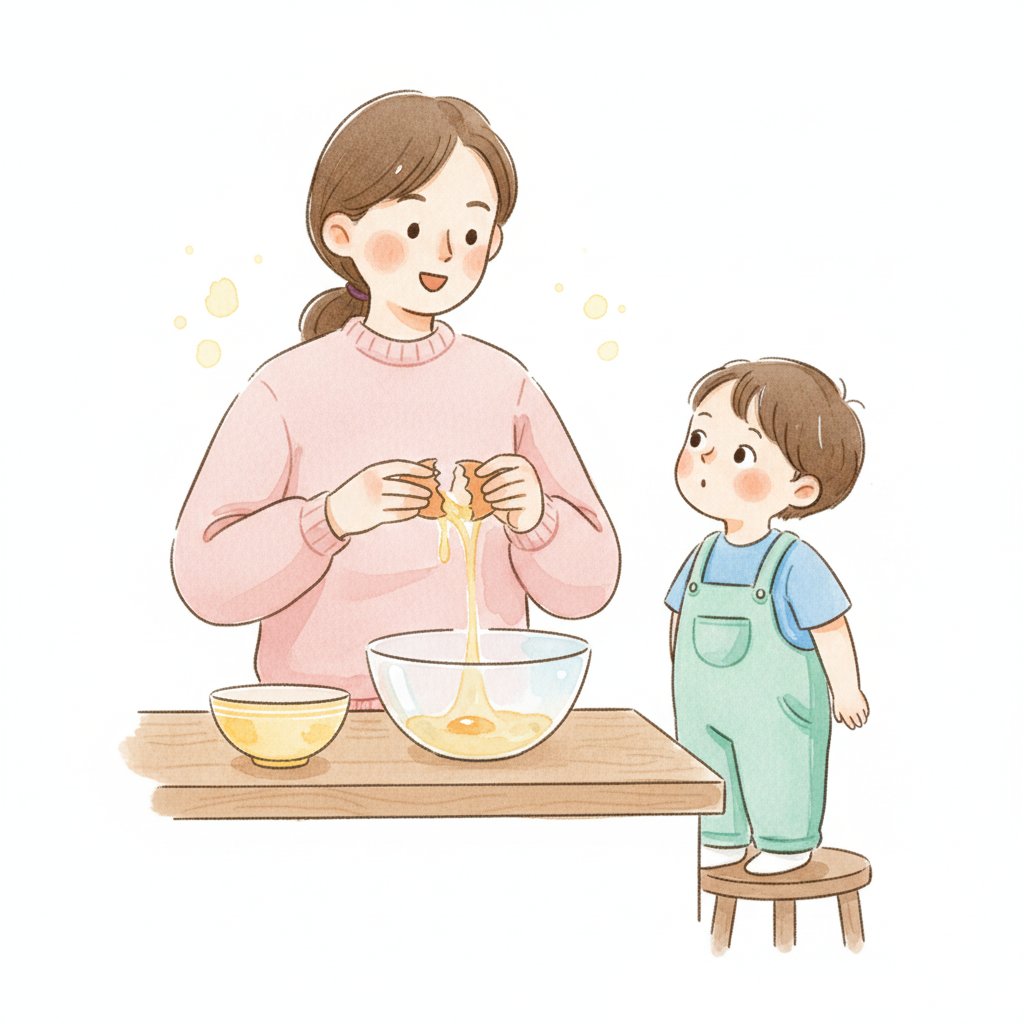
"I'm cracking the egg. The yolk is yellow and round. The shell is brittle — it broke easily." Narrate your actions with rich vocabulary. Children absorb words they hear in meaningful context. You don't need to define every word — the context does the teaching.

2. Replace Simple Words with Rich Alternatives

Instead of "big," try: enormous, huge, giant, massive, colossal. Instead of "good": excellent, wonderful, fantastic, marvelous. Instead of "happy": delighted, thrilled, joyful, excited. Children learn synonyms naturally when they hear variety.

3. Ask "What Do You Think That Means?"

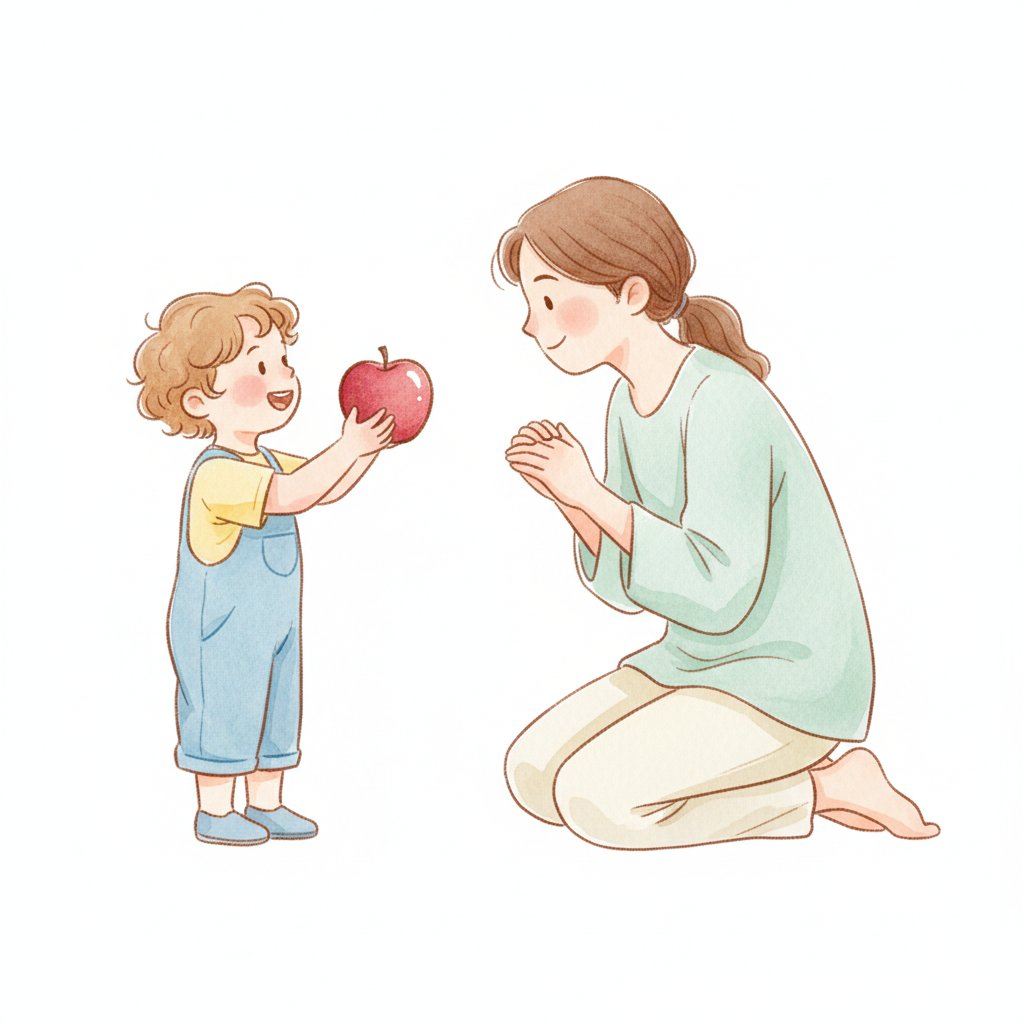
When you use an unfamiliar word, pause and ask. "The dinosaur was enormous. What do you think enormous means?" If they guess wrong, gently correct: "Close! Enormous means really, really big." This builds the habit of active word learning — children start asking about new words on their own.

4. Read Above Their Level

Read books that contain words they don't know yet. Picture books with rich vocabulary (anything by Mozelle or the "Fancy Nancy" series) introduce 10-20 new words per reading. Stop and discuss unfamiliar words as they come up.

Flashcard Vocabulary Games (Ages 3+)

Flashcards get a bad reputation for "drill and kill," but used as game pieces rather than testing tools, they're one of the most effective vocabulary-building tools available.

5. Flashcard Story Building

Draw 3-5 flashcards at random. Create a story together using all the words. "The elephant went to the farm and met a cow who was wearing a hat..." Children learn vocabulary through narrative context — the sillier the story, the more memorable the words.

Materials: Any flashcard set (animals, food, clothing, etc.)
Time: 5-10 minutes

6. Flashcard Categories

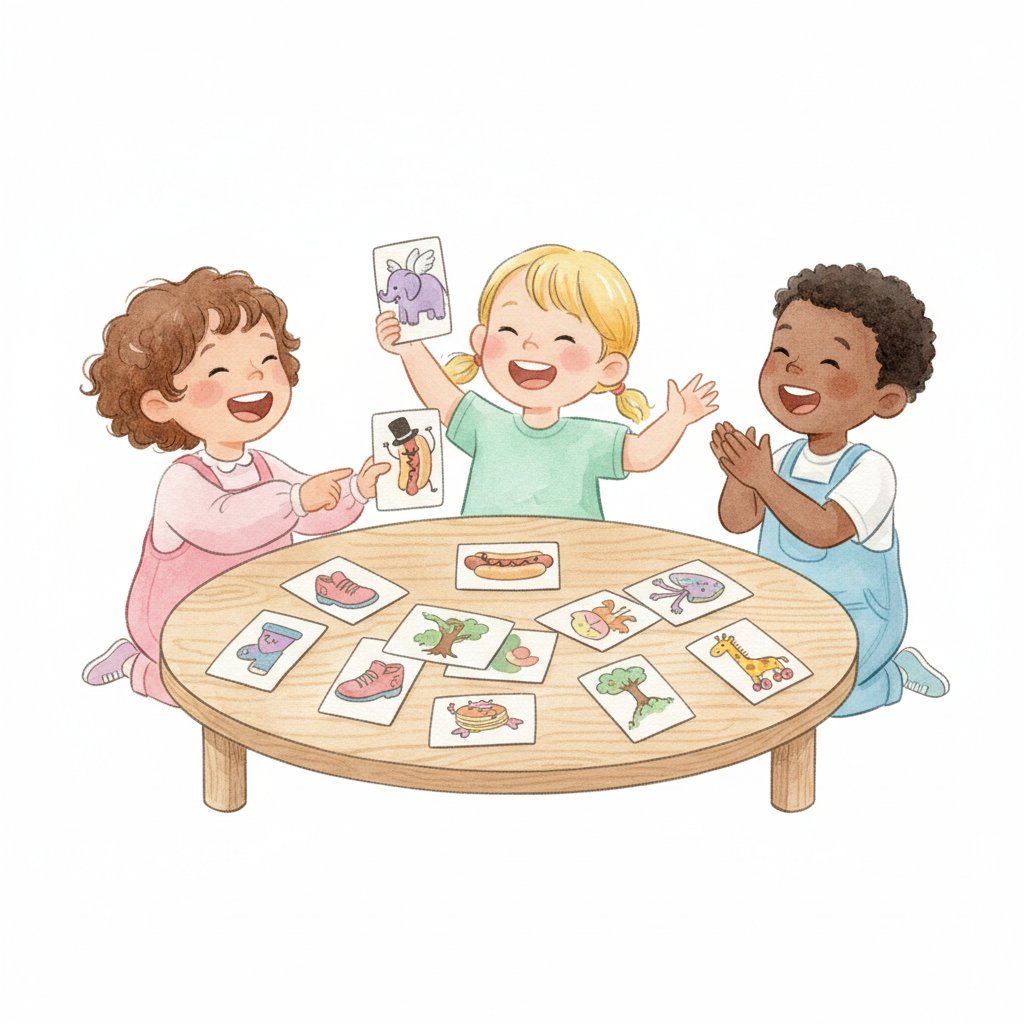
Spread 15-20 flashcards on the table. Children sort them into categories: animals, food, clothing, body parts, things that go. Then name each category and count items. "We have 6 animals and 4 foods." Builds categorization and counting alongside vocabulary.

Materials: Mixed flashcard sets
Time: 10 minutes

For more flashcard game ideas, see our flashcard games for preschoolers.

7. Flashcard "I Spy"

"I'm thinking of a flashcard. It's an animal. It has four legs. It lives on a farm." Children use descriptive language to narrow down which card you're thinking of. The "guesser" practices listening vocabulary; the "clue-giver" practices expressive vocabulary.

Materials: Any flashcard set
Time: 5 minutes

8. Flashcard Memory Match with Words

Play classic memory match, but when a child flips a card, they must use the word in a sentence. "I found the elephant. The elephant is at the zoo." One game=20+ sentence-building opportunities.

Materials: Paired flashcard set
Time: 10 minutes

{% product-block %}
A single flashcard deck is a vocabulary-building toolkit. Our Alphabet Monster Flashcards pair letter recognition with monster vocabulary — every card introduces a character children can describe, name, and talk about. "This monster has three eyes and purple arms." That's 26 vocabulary-building moments in one deck.
{% end-product-block %}

Word Games and Activities (Ages 3+)

9. "What Doesn't Belong?"

Name three items: "Apple, banana, shoe. Which doesn't belong?" Children identify the outlier and explain why. Builds categorization vocabulary and reasoning: "Shoe doesn't belong because it's not a fruit."

Time: 3-5 minutes

10. Word of the Day

Choose one new word each day. Write it on a card, define it simply, use it in sentences throughout the day, and encourage your child to use it. By the end of the day, they own it. Keep a "word wall" of all the words learned.

Example words by age:

  • Age 3: gigantic, brave, slippery, cozy, fierce
  • Age 4: ancient, delicate, cautious, enormous, shimmering
  • Age 5: magnificent, peculiar, extraordinary, miniature, inevitable

Time: 1 minute setup, ongoing use throughout the day

11. Rhyming Word Pairs

Say a word and ask for a rhyme: "Cat... hat! Dog... log! Tree...?" Rhyming builds phonological awareness (a reading predictor) while expanding vocabulary. When children can't find a real rhyme, let them invent one — nonsense words are still vocabulary practice.

Time: 3-5 minutes

12. Opposite Game

"What's the opposite of big? Small! What's the opposite of hot? Cold!" Teaching word pairs doubles vocabulary: for every word learned, children get a second one free. Move beyond simple pairs as children advance: quiet/loud, empty/full, rough/smooth, brave/scared.

Time: 3-5 minutes

13. "Tell Me About..." Game

Point to any object: "Tell me about this apple." Children describe it using as many words as they can: red, round, shiny, smooth, sweet, crunchy, delicious, small. The more words they produce, the stronger their descriptive vocabulary. Count the words together: "You used 8 words to describe an apple!"

Time: 5 minutes

Animal vocabulary starts with seeing and naming
Our Farm Animals Flashcards introduce children to 20+ animal names — from the familiar cow and pig to the less common rooster and donkey. Each card becomes a vocabulary lesson: 'What sound does the rooster make? What color is the donkey? Where does the pig live?'
Body parts vocabulary builds self-awareness and safety
Our Body Parts Flashcards cover 20+ body parts from head to ankles — each card clearly labeled with a friendly illustration. Use them for the Flashcard Categories game: sort into face parts, arm parts, leg parts. Or play I Spy: 'I'm thinking of a body part that helps you see.'
Emotion vocabulary is the most important vocabulary
Our Feelings Poster Set gives children the words for 10+ emotions — from happy and sad to frustrated, surprised, and proud. Children who can name their feelings have fewer behavioral challenges and stronger social skills. Hang it in your calm-down corner and watch vocabulary meet self-regulation.

Tips for Building Vocabulary at Every Age

For Parents

The dinner table is a vocabulary classroom. Research shows family meals are one of the strongest predictors of vocabulary development. Why? Because dinner conversation introduces words that don't come up in any other context: "delicious," "portion," "recipe," "ingredient," "nutritious." Talk about the food, the day, and anything interesting.
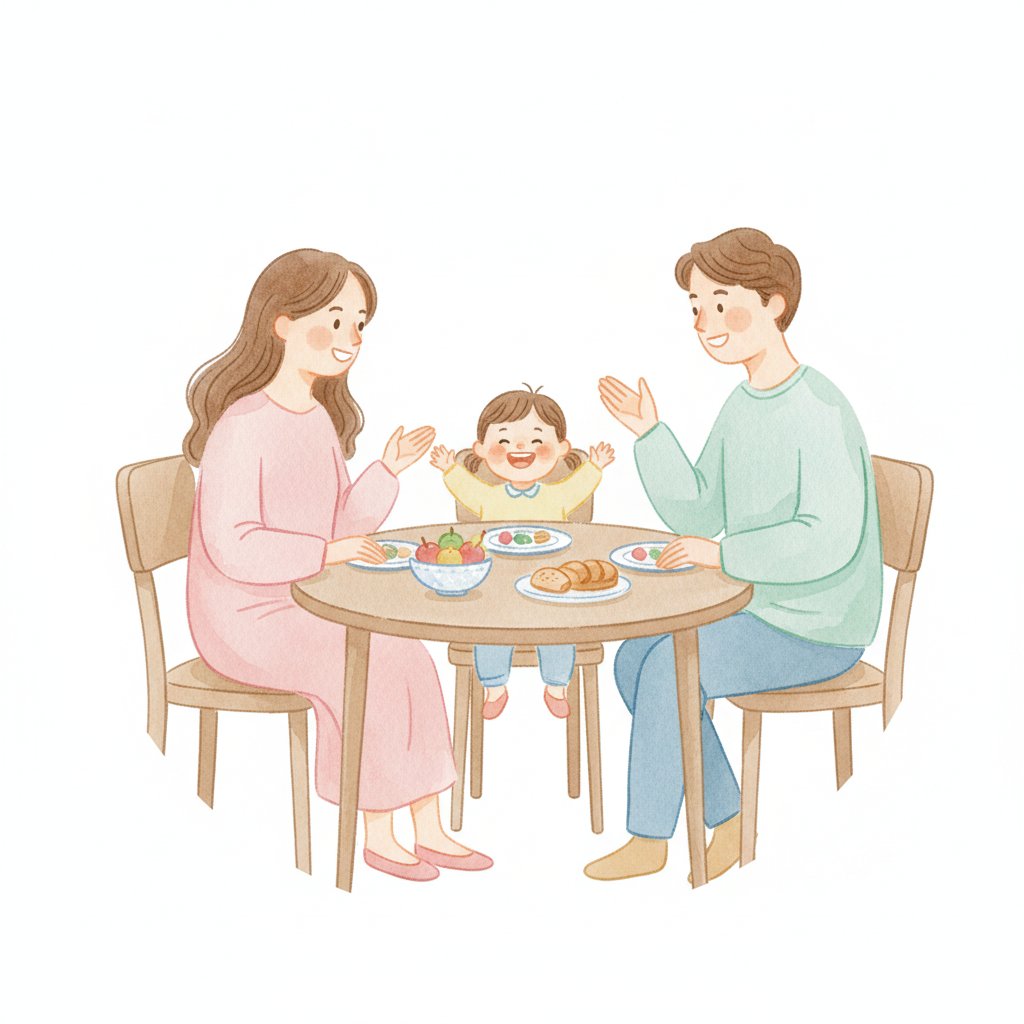
Don't "dumb down" your language. Use your normal vocabulary with children. If they don't understand, they'll ask — and that's the learning moment. Children who hear sophisticated language learn sophisticated language.

Read, read, read. Books contain 50% more rare words than adult conversation or even television. A child who is read to for 20 minutes a day hears 1.8 million words per year. There is no substitute.

For Classroom Teachers

Vocabulary across the day:

  • Morning meeting: weather words, calendar words, greeting words
  • Center time: thematic vocabulary (block area=structure, balance, tall, wide; art area=texture, blend, stroke, shade)
  • Read-aloud: pre-teach 3-5 key words before reading, use them during, revisit after
  • Transitions: "Let's walk calmly" instead of "let's walk quietly" — synonyms build depth

Word walls that work: Don't just put words on a wall — interact with them daily. Add a word, define it, use it in a sentence, encourage children to find it in books. A word wall that's just decoration teaches nothing.

For more language-building activities, see our beginning reading activities for kids and phonics worksheets for kindergarten.

Frequently Asked Questions

How many new words should a preschooler learn per week?

Typically developing children naturally acquire 5-10 new words per week through exposure. Explicit teaching can add 2-3 more. Don't overdo it — a word-a-day approach (with review) is more effective than trying to teach 20 words in one session.

What if my child mixes up words?

Completely normal. Children often overgeneralize: calling all four-legged animals "dog" or all round objects "ball." Gently correct by modeling: "Yes, that looks like a dog! It's actually a sheep. Sheep say baa." Don't make a big deal of the mistake.

Should I teach vocabulary in the child's home language or English?

Both. Bilingual children benefit from vocabulary development in both languages. Teach the same concept in both languages and help children see the connection: "This is a dog in English. In Spanish, it's un perro. Same animal, two names!"

How do I know if my child's vocabulary is on track?

Talk to your pediatrician if your child:

  • Uses fewer than 50 words by age 2
  • Doesn't combine two words by age 2.5
  • Struggles to find common words by age 3
  • Has difficulty being understood by unfamiliar listeners by age 4

Early intervention for language delays is highly effective.

For more developmental guidance, see our kindergarten readiness checklist and toddler activities guide.