Feelings Chart for Kids: Free Printable Guide (Ages 3–10)
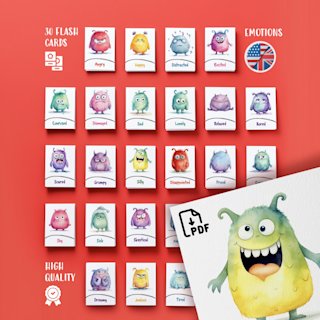
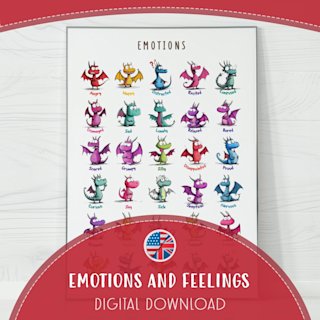
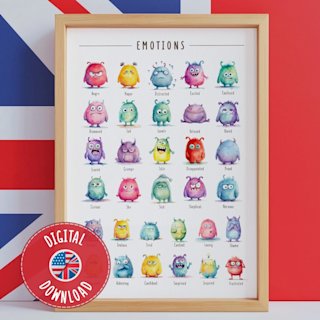
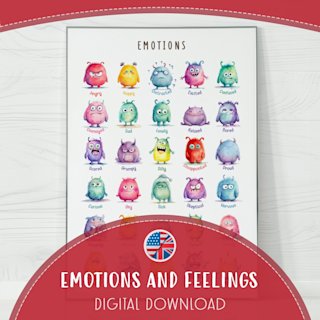
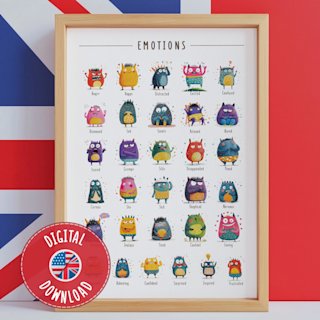
Last Tuesday, my four-year-old sat on the kitchen floor, red-faced and silent, unable to tell me what was wrong. She pointed at her tummy, then at the window, then burst into tears. It took ten minutes of gentle guessing before I worked out she was disappointed — the rain had cancelled our park trip, and she didn't have the word for that feeling. That moment pushed me to create a feelings chart for kids that sat on our fridge from that day forward. Within a week, she was walking up to the chart, pointing at the "disappointed" monster, and saying, "I feel like this one."
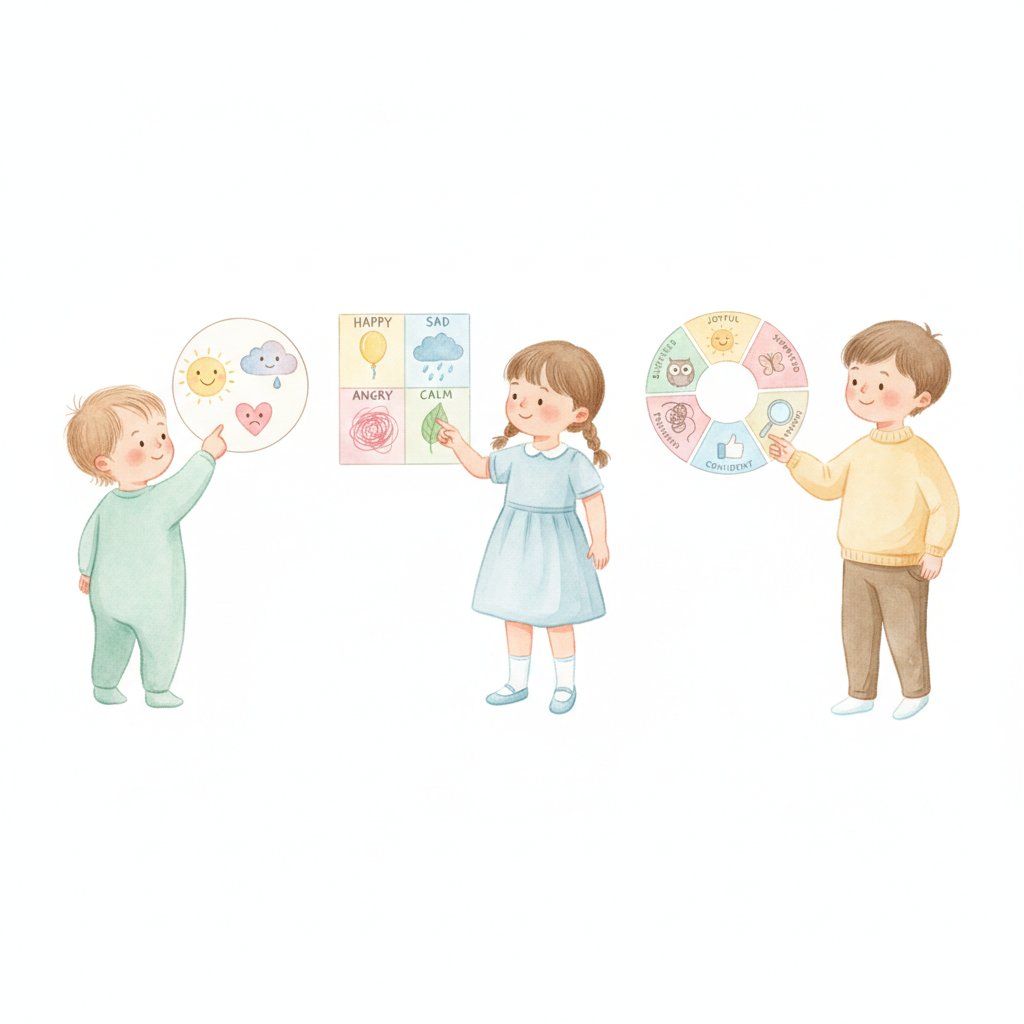
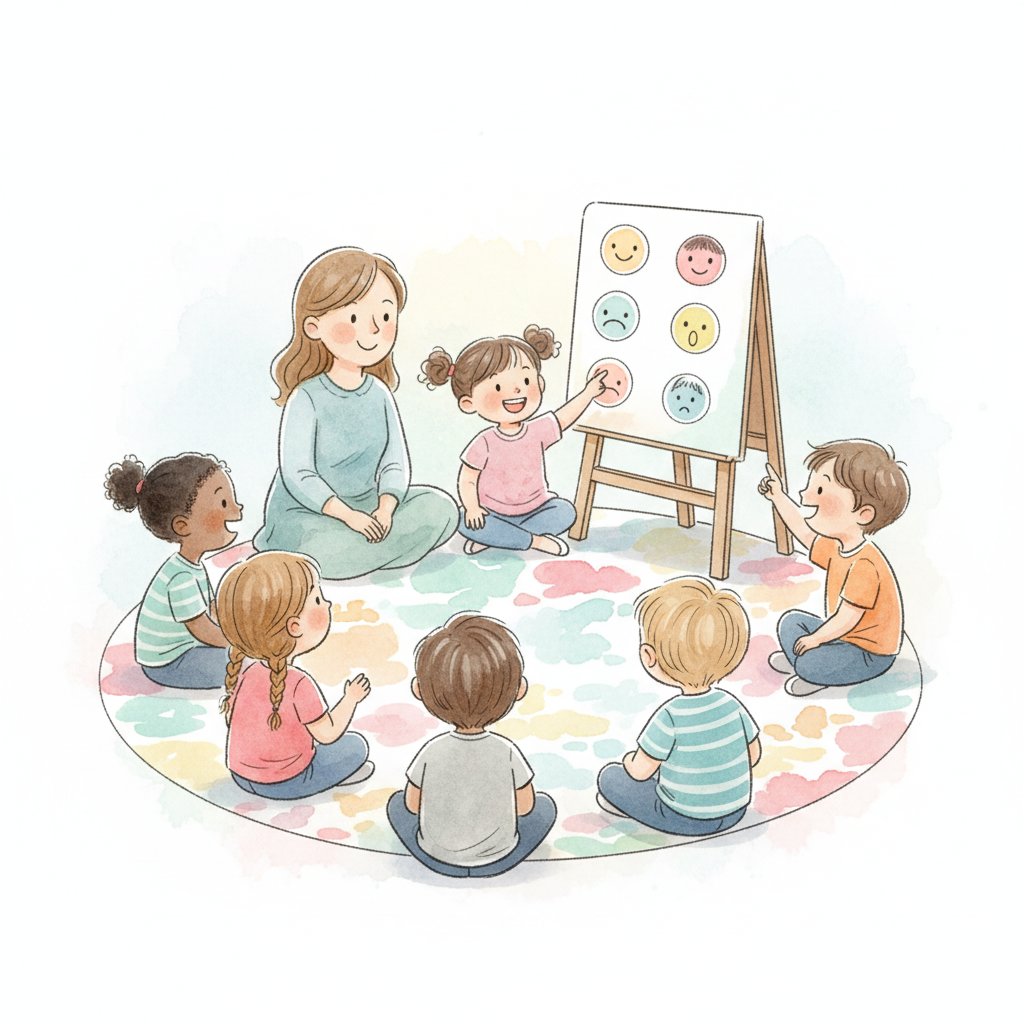
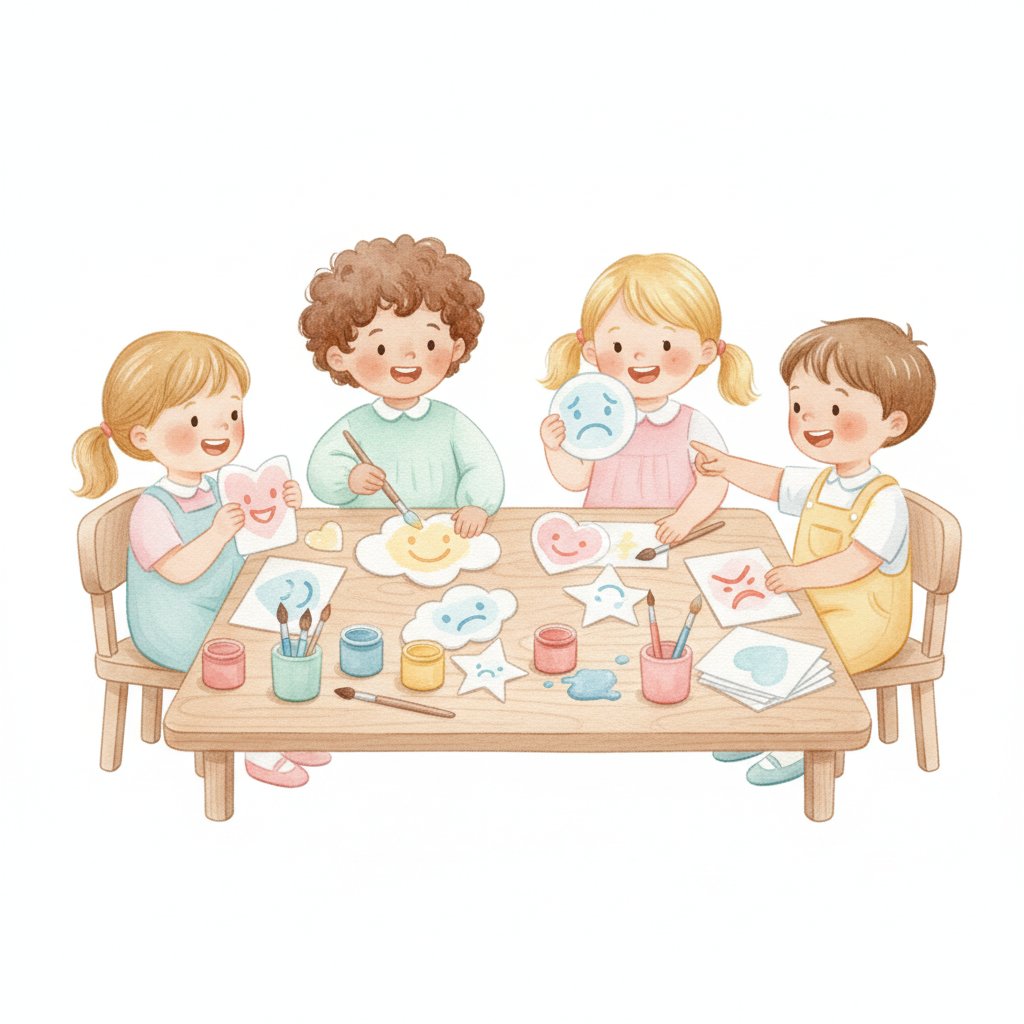
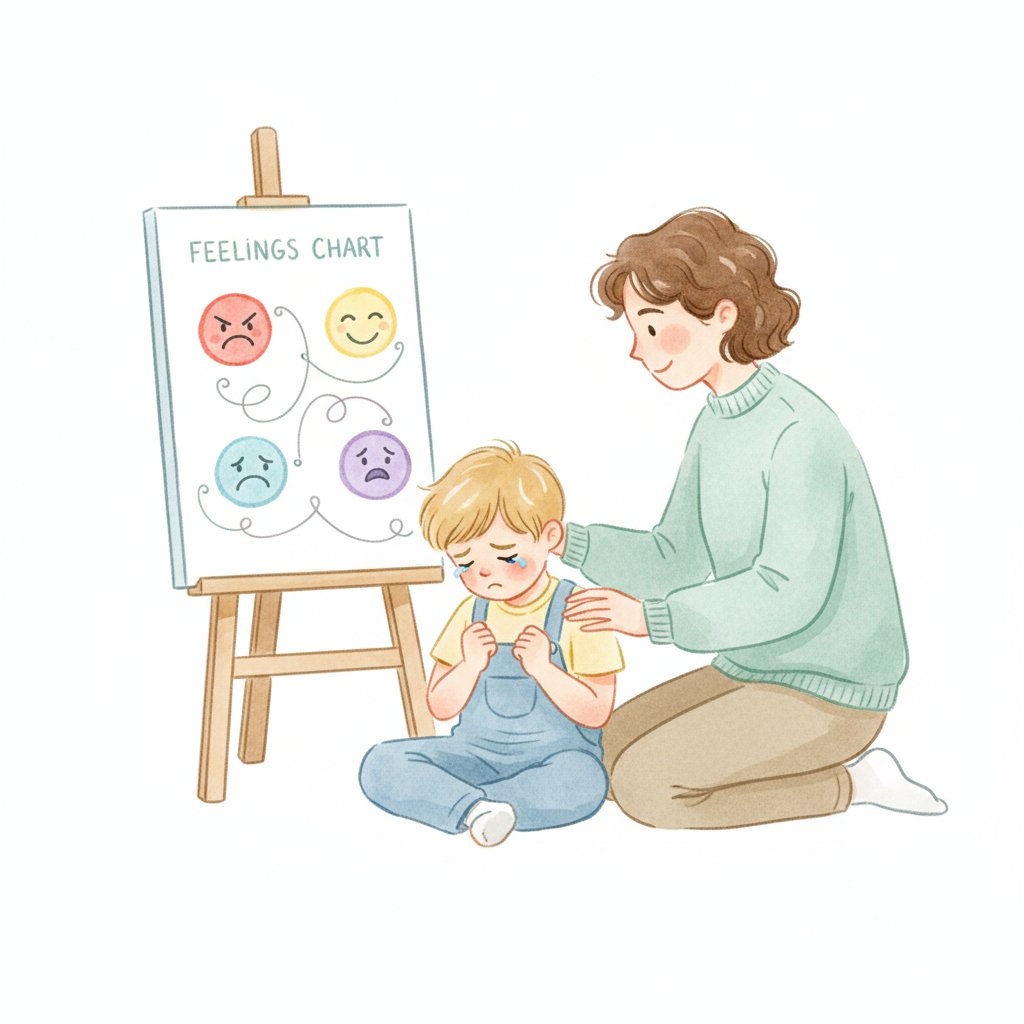
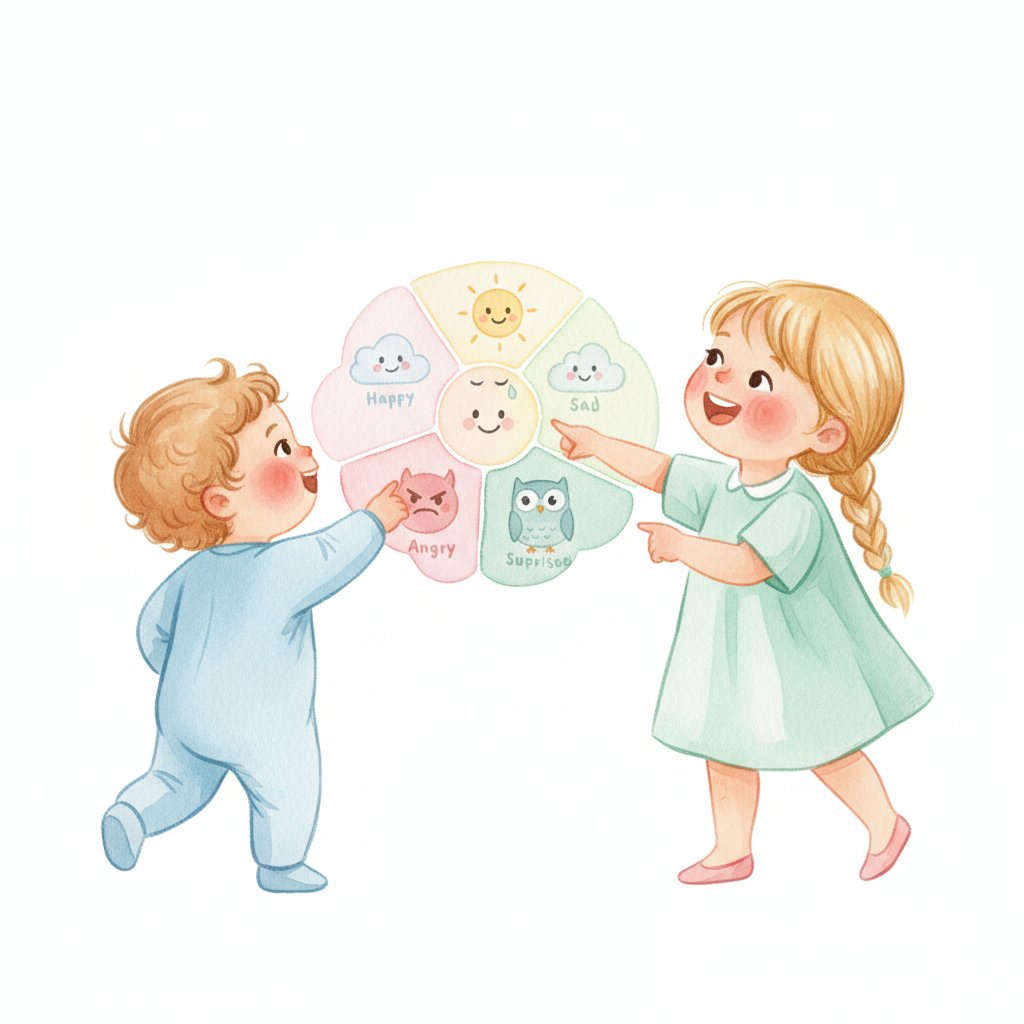
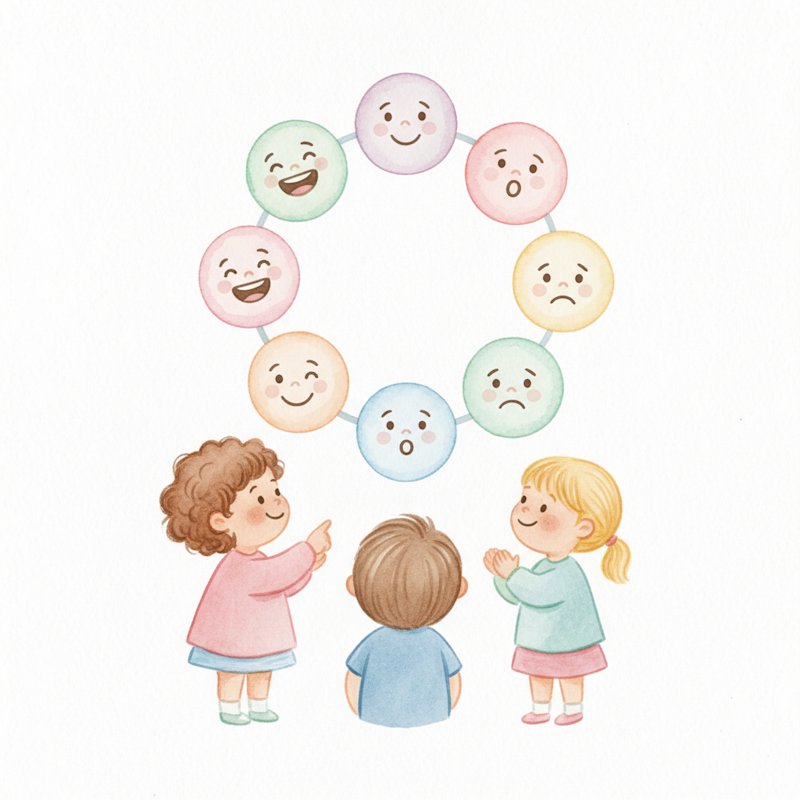
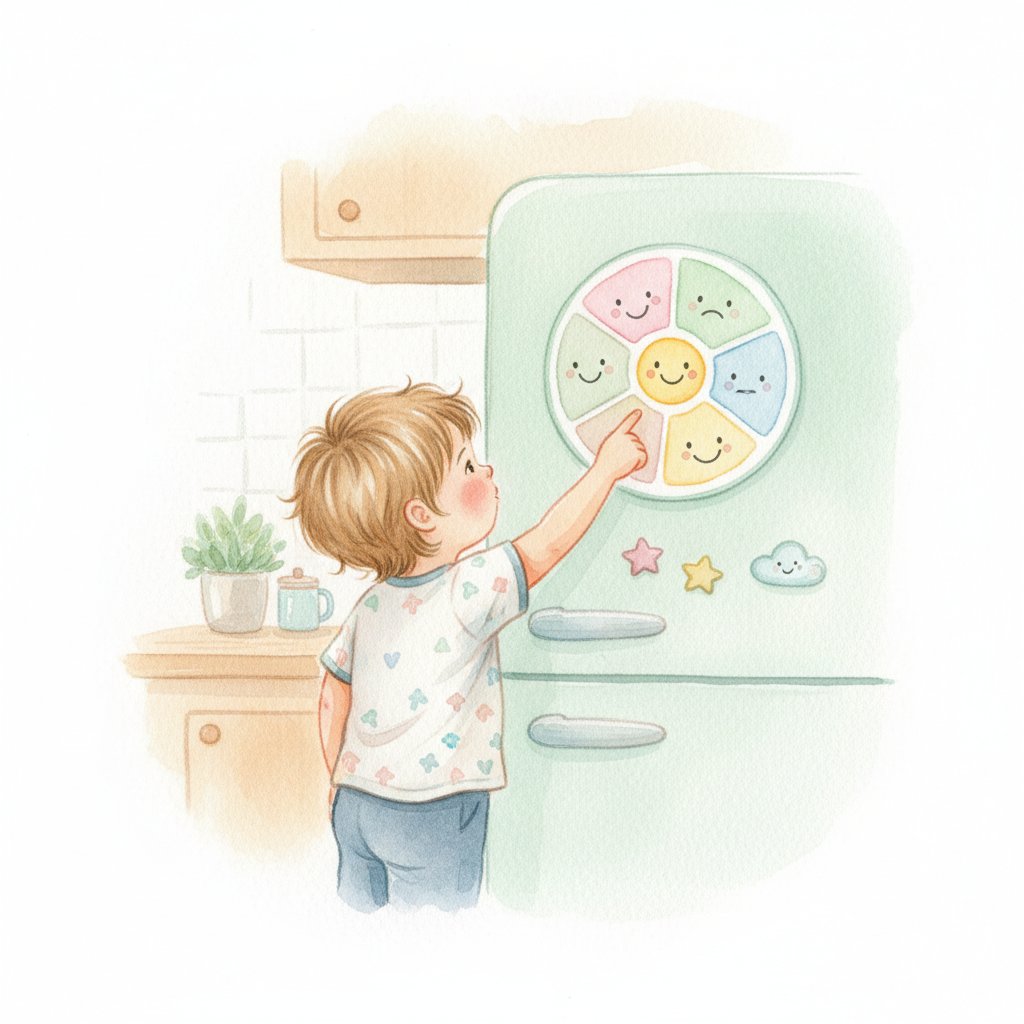 A feelings chart is a visual tool that helps children identify, name, and communicate their emotions. Instead of meltdowns and guesswork, you get a shared language — one that a three-year-old can point to and a ten-year-old can self-refer to. This guide explains how feelings charts work, which type suits each age group, and how to use one effectively at home or in the classroom.
 We've organised everything by age band so you can jump straight to what you need. For related SEL tools, browse our Flashcards and Learning Cards collection or check out our scissor skills guide for fine-motor activities that pair well with emotional learning.
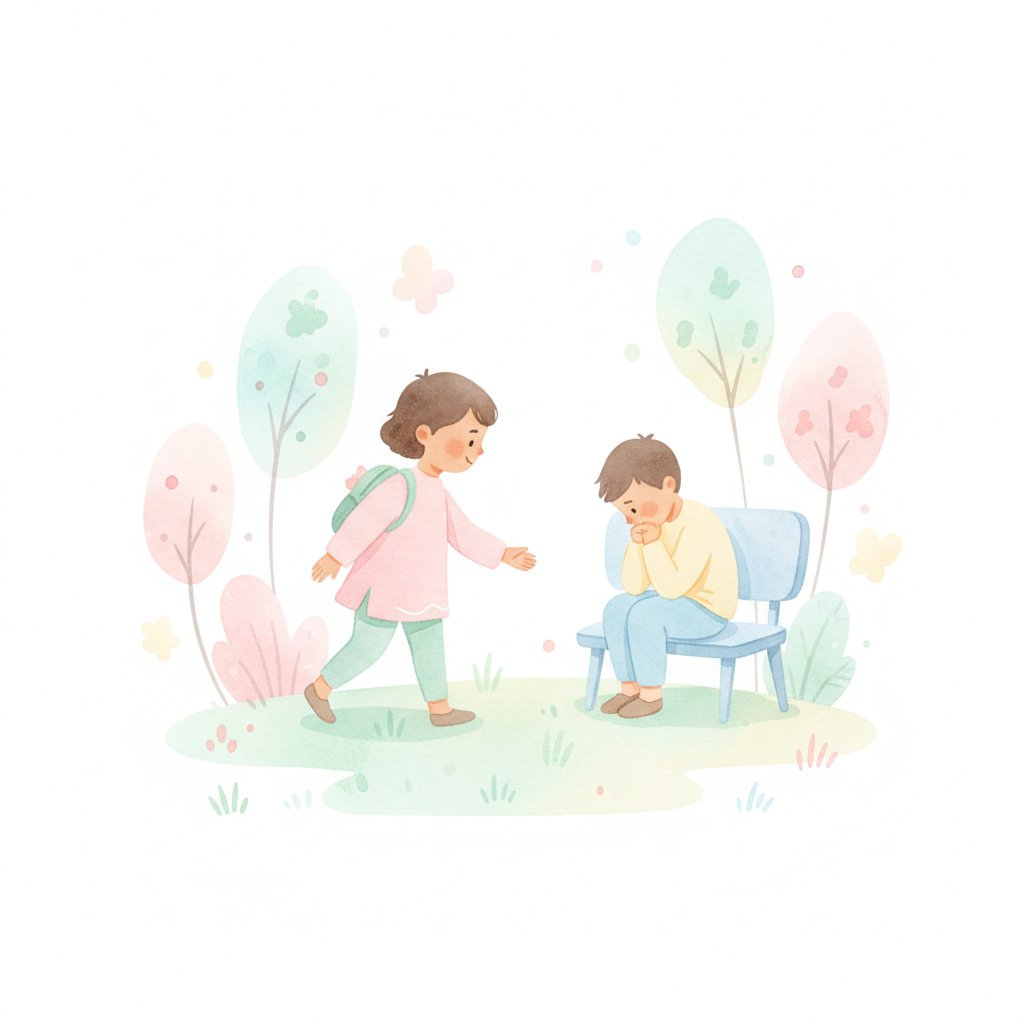
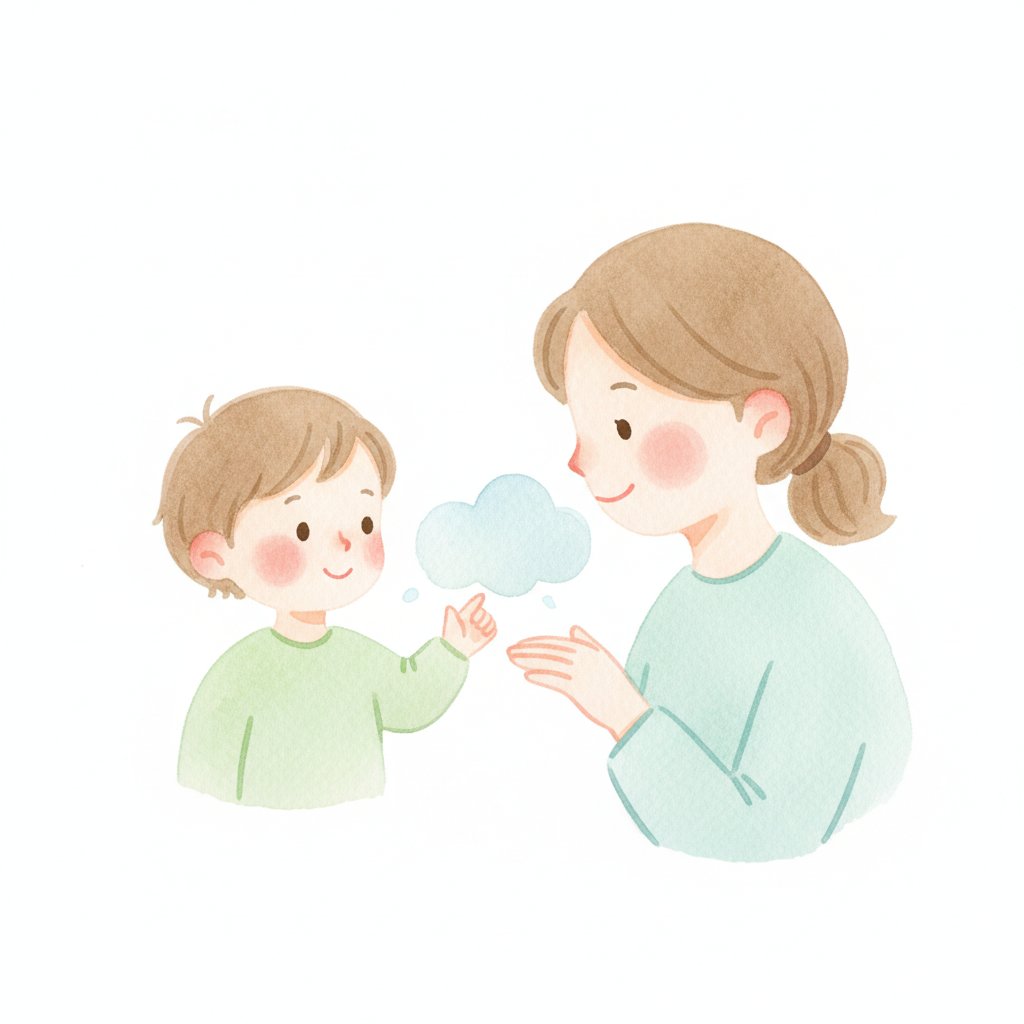 When a child puts a word to a feeling, their amygdala — the brain's alarm system — quiets down. Neuroscientist Dr Matthew Lieberman's fMRI studies at UCLA demonstrated that affective labelling reduces amygdala activation by up to 30%. In plain terms: naming a feeling literally calms the brain. A feelings chart makes that labelling process visual and repeatable.