Articles13 min read

Free Printable Alphabet Flashcards for Preschool

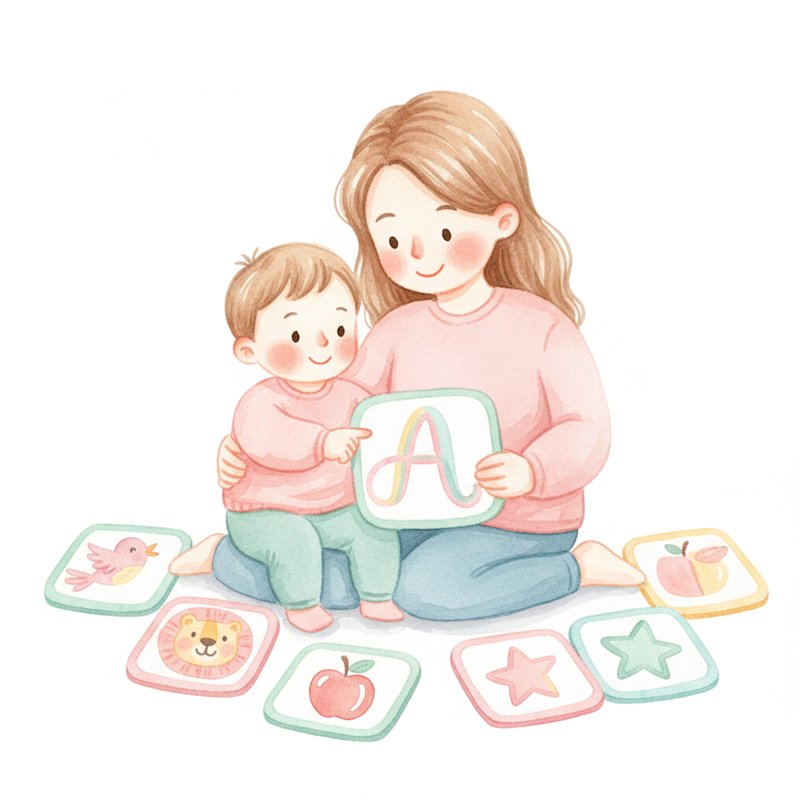
Learning the alphabet is the very first step on the reading journey, and flashcards are one of the simplest, most effective tools for teaching letter recognition to young children. A set of well-designed alphabet flashcards gives preschoolers and kindergarteners a clear, consistent way to see each letter, hear its sound, and connect it to a familiar picture.
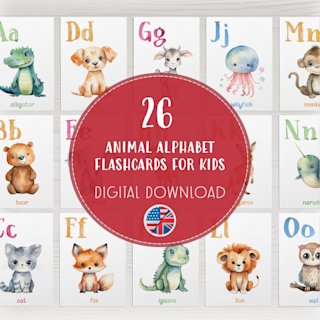
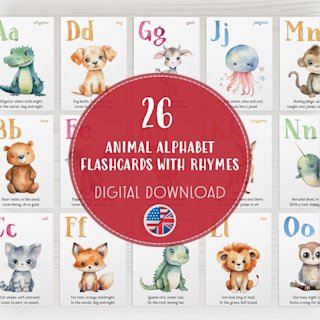
This guide provides everything you need to use free printable alphabet flashcards effectively with children ages 2–6. You will find three types of cards to print: uppercase letters, lowercase letters, and picture cards with phonics-aligned images. Every card is designed for small hands, clear letter formation, and correct letter-sound associations.

Teachers can use these flashcards for whole-group instruction, small-group games, and literacy centres. Parents can use them for quick daily practice at home, in the car, or at the dinner table. The key is consistency — just 5 minutes of flashcard play each day builds strong letter recognition over time.

Need more literacy resources? Pair these flashcards with our free phonics worksheets for kindergarten for a complete letter-learning system.
Why Flashcards Work for Alphabet Learning

Flashcards have been used in education for over a century because they leverage three well-established learning principles: repetition, active recall, and visual association.

Repetition Builds Automaticity

When a child sees the letter M next to a picture of a monkey dozens of times, the connection between the symbol and the sound becomes automatic. This is called "automatic letter recognition," and it is the foundation of fluent reading. Children who can recognize all 26 letters instantly have a significant head start in decoding words.

Active Recall Strengthens Memory

Unlike passive learning (watching a video, listening to a song), flashcards require the child to actively produce an answer. When you hold up a card and the child says the letter name or sound, they are retrieving that information from memory. Every retrieval strengthens the neural pathway, making the information easier to access next time.

Visual Association Connects Letters to Meaning

Each flashcard pairs a letter with a picture of an object that starts with that letter. This is not random decoration — it is a deliberate phonics strategy. The picture gives the child a concrete, meaningful anchor for the abstract letter symbol. "A is for apple" is easier to remember than "A" alone because the brain stores both the visual image and the letter-sound connection together.

Research Support

The National Early Literacy Panel (NELP) analyzed over 500 studies and found that alphabet knowledge — the ability to name, recognize, and write letters — is one of the strongest predictors of later reading success. Children who enter kindergarten knowing most letter names and sounds consistently outperform peers who do not.

How to Print and Prepare Your Flashcards

Getting your flashcards ready takes about 10 minutes. Here is the best way to print and prepare them for classroom or home use.

Printing Tips

  • Paper: Use white cardstock (65 lb or heavier) instead of regular printer paper. Cardstock is thicker, more durable, and easier for small hands to hold.
  • Settings: Print at "Actual Size" or 100% — do not use "Fit to Page" as this can distort the letters.
  • Color: Full color printing gives the best visual impact. If you only have a black-and-white printer, the letters and outlines still work well; children can color the pictures themselves for extra engagement.
  • Lamination: For classroom use, laminate the cards after cutting. A set of laminated flashcards lasts an entire school year. For home use, laminating is optional but recommended if you have multiple children.

Cutting and Organizing

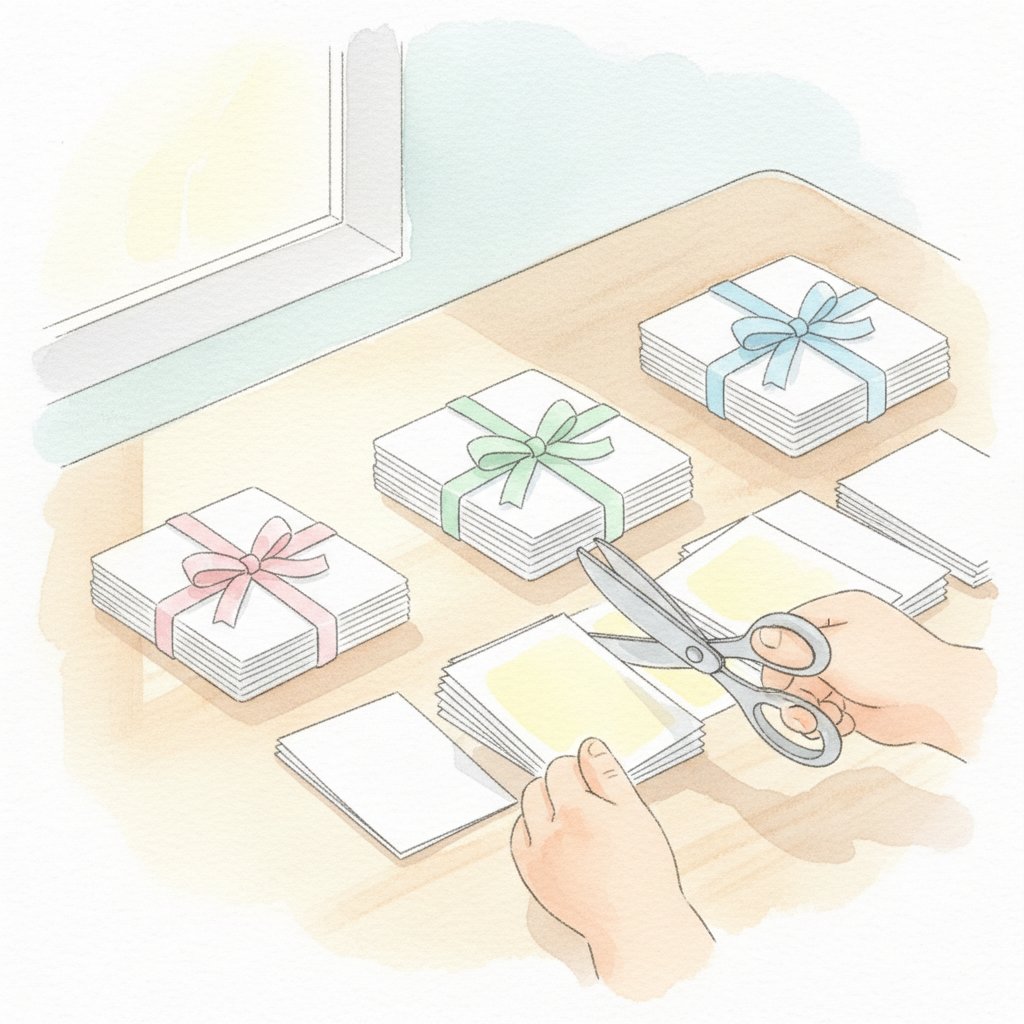
  • Cut along the dashed lines using scissors or a paper trimmer
  • Sort cards into three sets: uppercase, lowercase, and picture
  • Store each set in a small zip bag, envelope, or index card box
  • Label each storage container so children can find and return cards independently

Start with just the first set (uppercase letters A–M) rather than printing all 78 cards at once. Introduce 3–4 new letters per week, adding new cards only when previous letters are mastered. This prevents overwhelm and builds confidence.

What Is Included: Three Complete Flashcard Sets

Each set serves a different teaching purpose. Use them together for the strongest learning effect.

Set 1: Uppercase Letter Cards (A–Z)

26 cards, each showing one capital letter in a clear, primary font. These cards teach children to recognize and name uppercase letters — the forms they will see at the beginning of sentences, in their names, and on signs.

Teaching focus: Letter naming ("What is this letter?" → "A!")

Set 2: Lowercase Letter Cards (a–z)

26 cards, each showing one lowercase letter. Lowercase letters are actually more important for reading because they appear far more frequently in text (approximately 95% of written English is lowercase). Introduce these after uppercase letters are mostly mastered.

Teaching focus: Letter naming and matching ("Find the lowercase a that matches this uppercase A")

Set 3: Picture Cards with Phonics Sounds (A–Z)

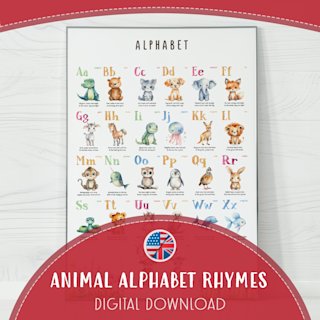
26 cards, each showing a letter paired with a picture of an object that starts with that letter's most common sound. The images are chosen specifically for clear, unambiguous phonics associations.

Teaching focus: Letter-sound correspondence ("What sound does this letter make?" → "/a/ like apple")

The A–Z Picture Words

Each picture card uses a word that clearly demonstrates the letter's primary sound:

LetterPictureSound
AaApple/a/
BbBall/b/
CcCat/k/
DdDog/d/
EeEgg/e/
FfFish/f/
GgGoat/g/
HhHat/h/
IiIgloo/i/
JjJam/j/
KkKite/k/
LlLamp/l/
MmMoon/m/
NnNet/n/
OoOctopus/o/
PpPenguin/p/
QqQueen/kw/
RrRainbow/r/
SsSun/s/
TtTree/t/
UuUmbrella/u/
VvVolcano/v/
WwWatermelon/w/
XxFox (ends with /ks/)/ks/
YyYarn/y/
ZzZebra/z/

Activities for Ages 2–3: Letter Discovery

At this age, the goal is exposure, not mastery. Children are learning that letters exist, that they have names, and that print carries meaning.

"What Is This?" Game

Hold up one card at a time. Say the letter name clearly. "This is B!" Let the child repeat it. Do 3–5 cards per session. No testing, no pressure — just joyful introduction.

Picture Walk

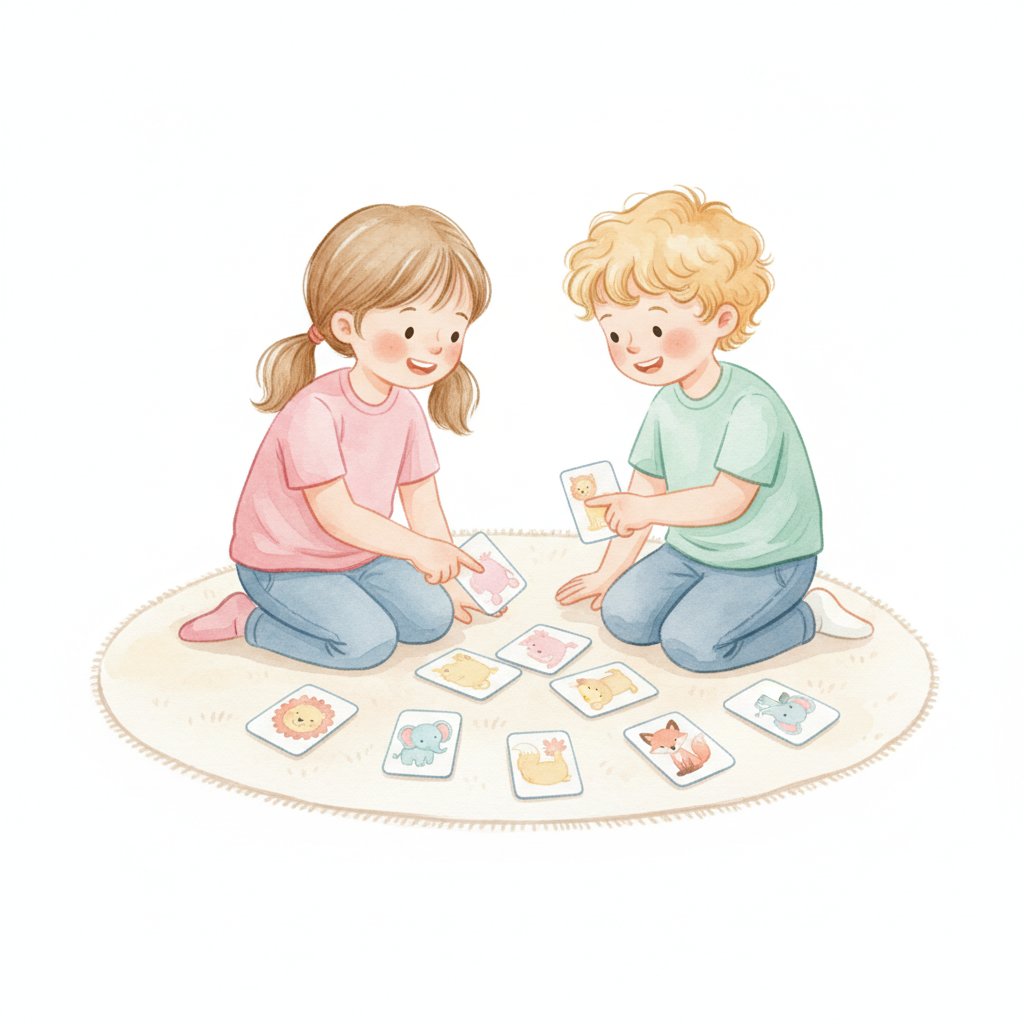
Spread the picture cards face-up on the floor. Pick up one card and name the picture: "Look, an apple! A is for apple." Let the child choose a card and you name it together.

Sensory Letter Hunt

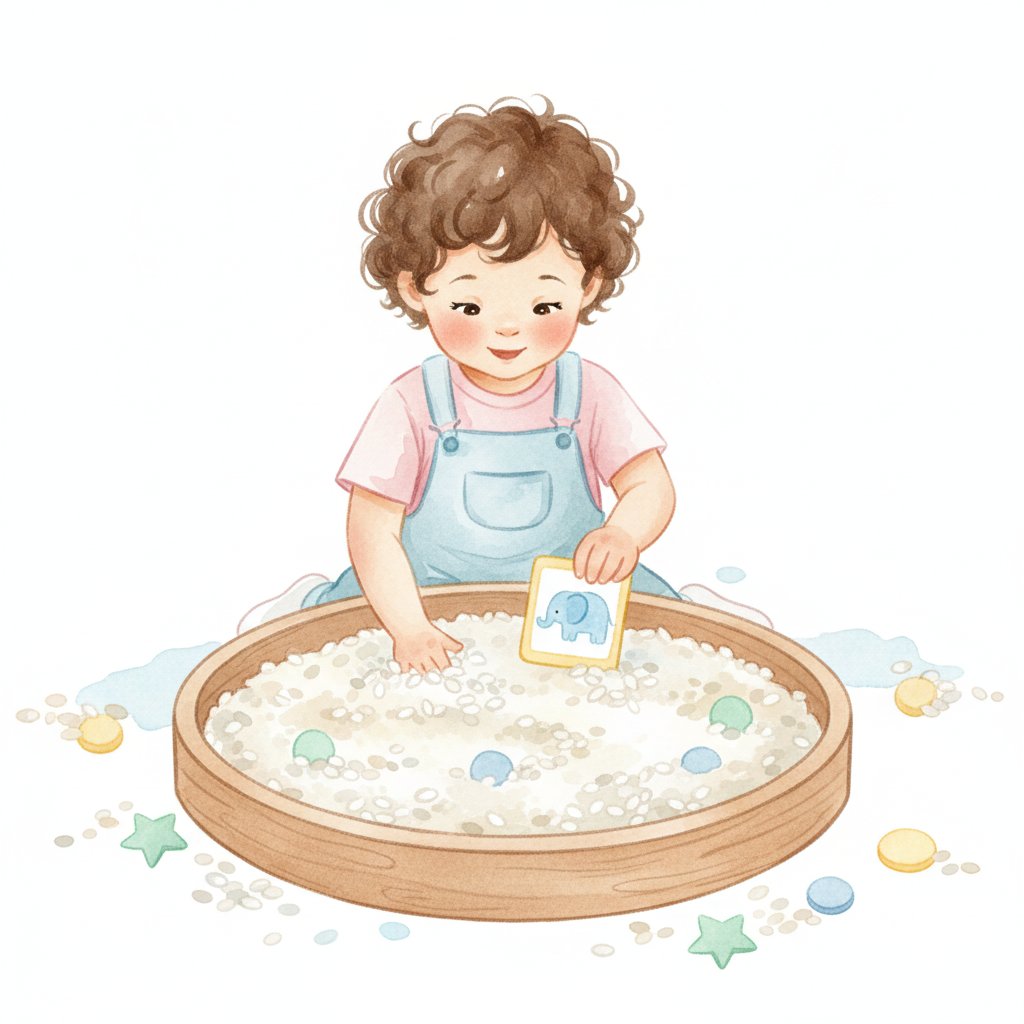
Hide 5–8 flashcards in a sensory bin (rice, dried beans, or shredded paper). The child digs through the bin, finds a card, and you name the letter together. This adds a tactile element that keeps toddlers engaged.

Letter of the Day

Choose one letter each day. Tape the uppercase, lowercase, and picture card to the refrigerator at the child's eye level. Say the letter name and sound whenever you pass it. "Good morning, M! M says /m/ for moon!"

Matching Pairs

Use two identical sets of uppercase cards (print two copies). Place 4–6 pairs face-up and help the child find matching letters. Start with just 3 pairs and add more as confidence grows.

Song Connection

Sing the ABC song while pointing to each card in order. This connects the auditory (the song) with the visual (the letters). Many 2-year-olds can sing the ABC song before they can identify individual letters — this activity bridges that gap.

Activities for Ages 4–5: Letter Mastery

Preschoolers and pre-kindergarteners are ready for more structured practice. The goal shifts from exposure to mastery — recognizing all 26 letters by name and knowing at least some letter sounds.

Flash and Name (Speed Drill)

Hold up cards one at a time at increasing speed. The child names each letter as fast as possible. Start with known letters (5–8) and gradually add new ones. Track how many the child can name in 60 seconds — watching the number grow is motivating.

Upper-Lowercase Matching

Mix the uppercase and lowercase sets. The child matches each uppercase letter to its lowercase partner. Start with just the letters in the child's name, then expand. Some lowercase letters look very different from their uppercase partners (a/A, g/G, d/D, q/Q) — give extra practice with these tricky pairs.

Sound It Out

Show a picture card. "What letter is this?" → "S!" "What sound does S make?" → "/s/!" "Can you think of another word that starts with /s/?" → "Snake!" This three-step routine (letter name → letter sound → word generation) is the core phonics skill.

Alphabet Line-Up

Scatter all 26 uppercase cards on the floor. Challenge the child to put them in ABC order. Start with just A–J if the full alphabet is overwhelming. Sing the ABC song to help remember what comes next.

Go Fish (Alphabet Edition)

Use two sets of uppercase or lowercase cards. Deal 5 cards to each player. Players take turns asking, "Do you have the letter M?" If yes, hand it over. If no, "Go fish!" (draw from the pile). The player with the most pairs wins. This game practices letter naming in a fun, social context.

Letter Sorting

Spread 10–15 cards on a table. Ask the child to sort them into categories: letters with curves (C, O, S) vs. letters with only straight lines (A, E, F, T) vs. letters with both (B, D, P, R). This builds visual discrimination skills that support reading.

Letter Hunt in Books

Give the child a flashcard (e.g., M). Open a picture book and hunt for the letter M on the page. Every time the child finds one, they place a token (button, pom-pom) on the flashcard. This connects flashcard learning to real reading.

Activities for Ages 5–6: Reading Readiness

Kindergarteners who know most letter names and sounds are ready to use flashcards for decoding, the critical skill that unlocks reading.

Sound Sorting

Spread the picture cards face-up. Say a sound (e.g., /b/). The child finds all cards whose words start with that sound. Then switch: you show the picture and the child says the first sound. For more advanced children, try ending sounds: "Which word ends with /t/?" → (cat, net).

Build-a-Word

Use lowercase letter cards to build simple CVC (consonant-vowel-consonant) words. Place three cards in a row: C - A - T. Point to each card and say the sound. Then blend them together: "/c/.../a/.../t/... cat!" Start with short-a words (cat, bat, mat, sat, rat) and progress to other vowels.

This activity directly connects to our free phonics worksheets for kindergarten, which provide written practice for the same CVC word-building skill.

Missing Letter

Set out three cards to spell a word (C - A - T). Remove the middle card. "What letter is missing?" This teaches children to think about all positions in a word, not just the beginning sound.

Alphabet Memory

Use uppercase and lowercase sets as a memory matching game. Place all 52 cards face-down in a grid. The child flips two cards — if they show the same letter (uppercase A and lowercase a), they keep the pair. If not, they flip them back. This is excellent for visual memory, letter recognition, and upper-lowercase matching all at once.

Letter Sound Tic-Tac-Toe

Draw a tic-tac-toe grid. Instead of X and O, each player uses a letter (e.g., Player 1 uses S, Player 2 uses M). Before placing a letter, the player must say its sound. "/s/!" → place the S card. This combines phonics practice with a game kindergarteners already know and love.

Flashcard Story Starters

Pick 3 random picture cards (e.g., fish, moon, tree). Ask the child to tell a short story that includes all three. "Once there was a fish who swam to the moon and found a magic tree..." This builds oral language, vocabulary, and creative thinking — all critical for reading comprehension later.

Montessori and Special Education Applications

Alphabet flashcards align naturally with several established educational approaches.

Montessori-Inspired Three-Period Lesson

The Montessori three-period lesson is a structured way to introduce new concepts:

  1. "This is..." (Introduction): Show the card. "This is M. M says /m/."
  2. "Show me..." (Recognition): "Show me the M." The child points to or picks up the correct card.
  3. "What is this?" (Recall): Show the card. "What letter is this?" The child names it.

This progression works because it moves from supported learning (period 1) to guided practice (period 2) to independent recall (period 3). Never rush to period 3 — the child must succeed at period 2 consistently before you ask them to produce the answer independently.

Sandpaper Letter Alternative

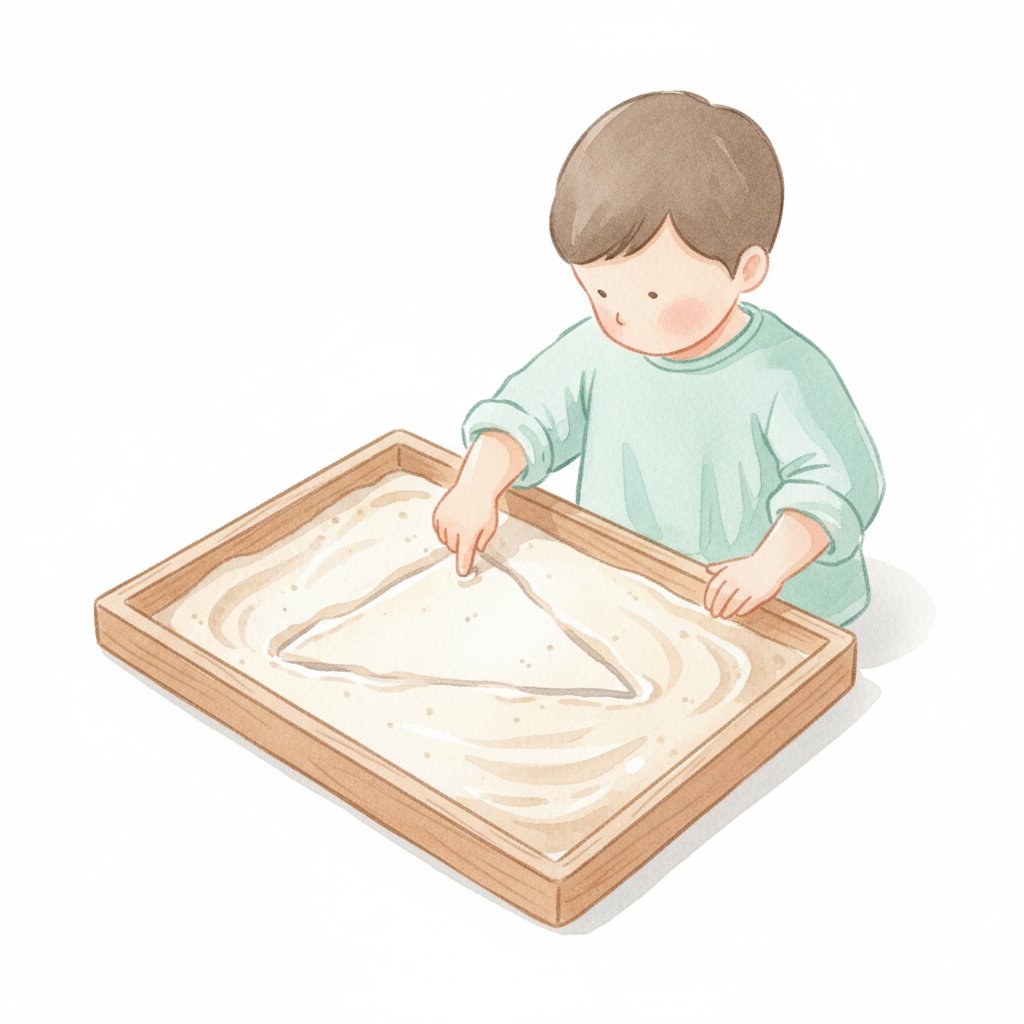
If you want a tactile element (like Montessori sandpaper letters), try this: after introducing a flashcard, have the child trace the letter shape in a tray of salt, sand, or shaving cream. The multi-sensory experience (seeing the letter, hearing the sound, feeling the shape) creates stronger memory pathways than any single sense alone.

Supporting Children with Learning Differences

  • Dyslexia: Use a clear, sans-serif font with no decorative elements. Our flashcards use a primary font designed for maximum legibility. Teach letter-sound correspondence explicitly and systematically.
  • Visual processing: Enlarge cards to full-page size. Use high-contrast colors (black letter on white background). Reduce visual clutter — one letter per card with no borders or patterns.
  • Fine motor delays: Laminate cards and add a Velcro dot to the back. Attach cards to a felt board at eye level so the child can participate without needing to hold small cards.
  • Autism spectrum: Some children prefer letters without pictures (the picture can be distracting). Start with the plain uppercase set and add picture cards only when letter recognition is solid.

Tips for Success

Whether you are a teacher with a classroom of 20 or a parent working with one child at the kitchen table, these principles make flashcard practice effective and enjoyable.

Keep Sessions Short

5 minutes is ideal for ages 2–3. 10 minutes maximum for ages 4–6. Short, frequent sessions beat long, rare ones. A child who practices 5 minutes daily learns far more than one who practices 30 minutes once a week.

Follow the Child's Lead

If a child is frustrated, stop. If they are excited and asking for more cards, add a few more. The goal is positive associations with letters, not tears. A child who enjoys flashcard time will choose to practice on their own — and that self-directed practice is worth more than any forced session.

Celebrate Effort, Not Just Correctness

"You tried really hard on that one!" is more motivating than "That is wrong, try again." When a child makes a mistake, simply say the correct answer cheerfully and move on. "That is actually N — they look a lot like M, do not they?" Errorless learning (preventing frustration) builds confidence faster than correction.

Use Movement

Tape cards to the wall and have children jump to touch the letter you call out. Scatter cards on the floor and have children hop from letter to letter spelling their name. Movement-based learning is especially effective for young children who are not developmentally ready to sit still for extended periods.

Connect to Real Life

Point out letters everywhere — on cereal boxes, street signs, store names, book covers. "Look, that sign says STOP. S-T-O-P. Can you find the S on your flashcard?" This shows children that letters are not just abstract symbols on cards — they are everywhere in the world, and knowing them is useful and powerful.

For a structured daily routine that includes flashcard time, download our free kindergarten daily schedule printable. It includes a dedicated literacy block with flashcard activities built in.