The Three-Year-Old Who "Couldn't Count" — But Set the Table Perfectly
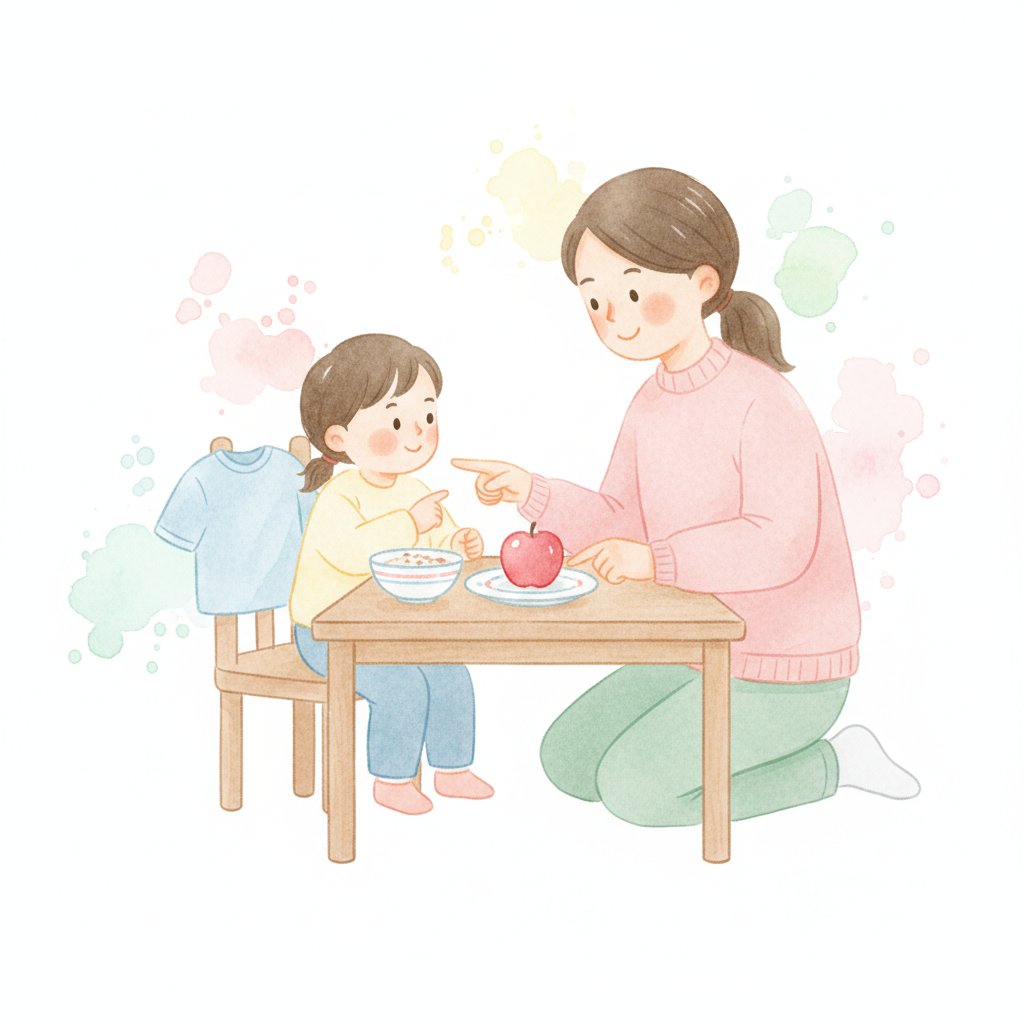
Last spring I was watching my friend's daughter Mira, age three and a half, while we made lunch. "Can you count to five?" I asked. She got as far as "one, two… three… seven!" and giggled. By the yardstick most parents panic over, she "couldn't count." Then I handed her a stack of cups for our tea party with the stuffed animals. Without hesitation she walked the circle — one cup for Bear, one for Bunny, one for Duck, one for Fox, one for herself — and sat down. Five animals. Five cups. Zero leftover, zero doubled up.
Mira was doing real, correct math. She just couldn't recite it yet. That gap — between what a preschooler understands and what they can say out loud — is the single most misunderstood thing about early math, and it is exactly why a math activity that is perfect for a young three-year-old is the wrong activity for a five-year-old (and vice versa).
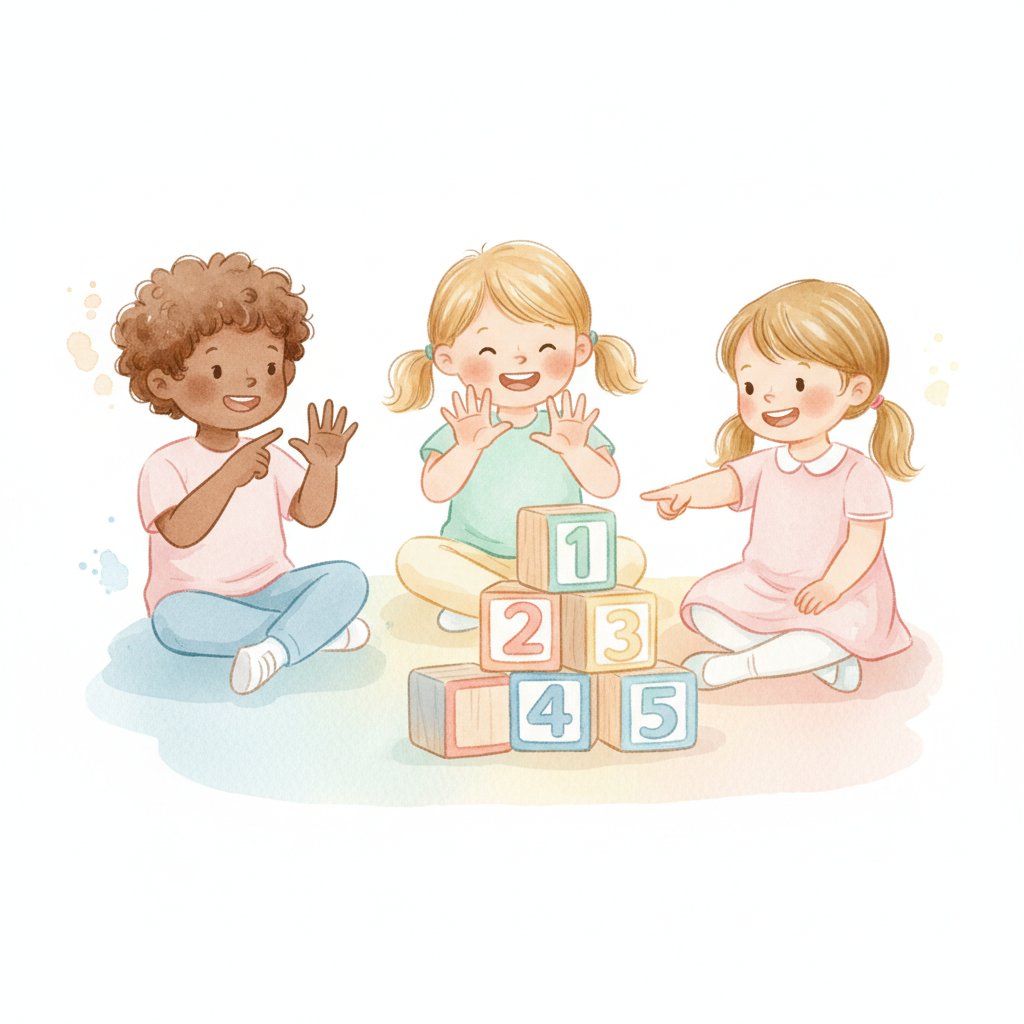
This is an age-by-age guide to math activities for preschoolers. Instead of grouping ages three to five into one bucket, it meets your child at their exact stage:
- Milestone-anchored: every activity names the age and the skill it builds, so you know why it fits your child right now.
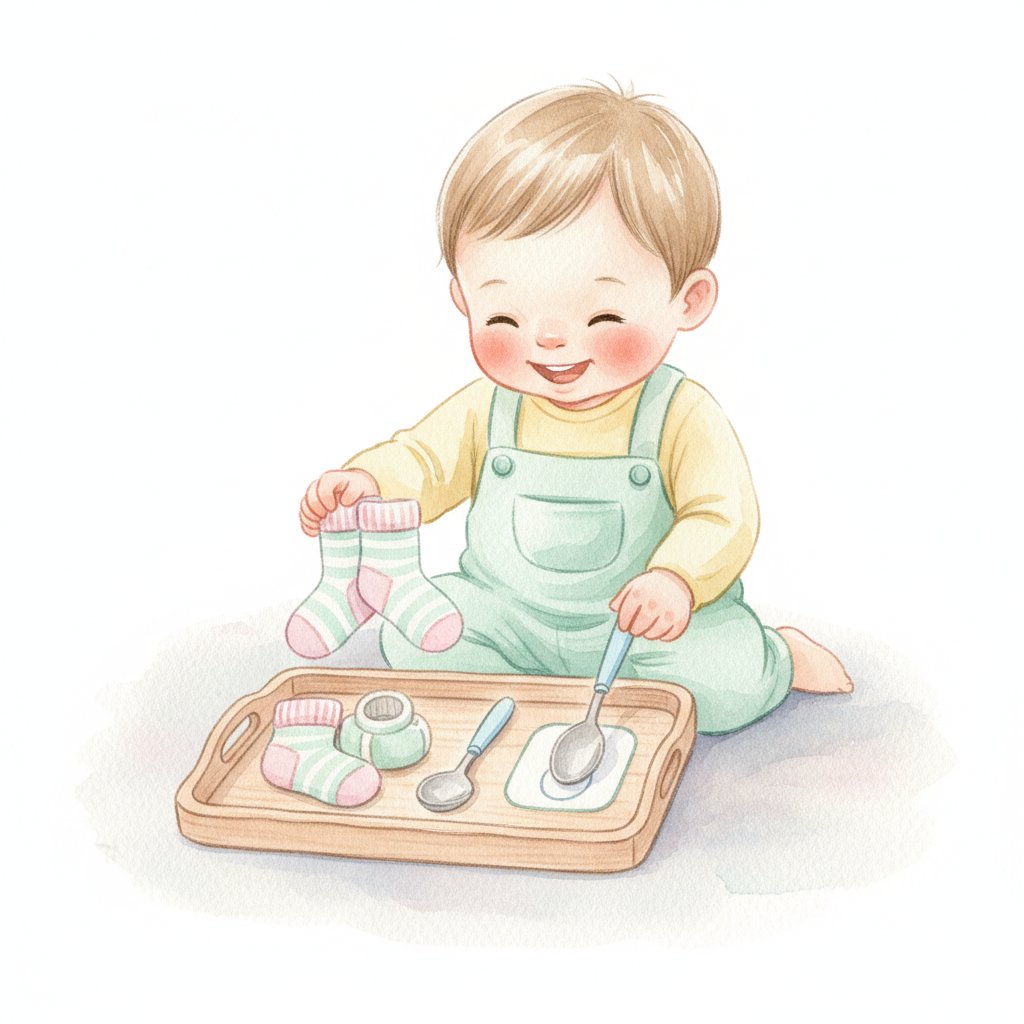
- Household-materials-first: buttons, socks, snacks, cups and toys you already own — no kit required to start today.
- No worksheets, no apps: play-and-talk math, which is what the research actually supports for this age.
- "On track," not "pushed": reassuring, what-to-expect-by-age framing that lowers anxiety instead of accelerating it.
If you want the big picture of what preschool math covers — the four learning domains, the 12-month plan — that lives in our math activities for preschoolers guide. This article is its companion: same destination, organized by who is learning (3-, 4-, and 5-year-olds) instead of by what they learn. Jump straight to your child's age: 3 year olds, 4 year olds, or 5 year olds.