When "One, Two, Many" Becomes "One, Two, THREE"
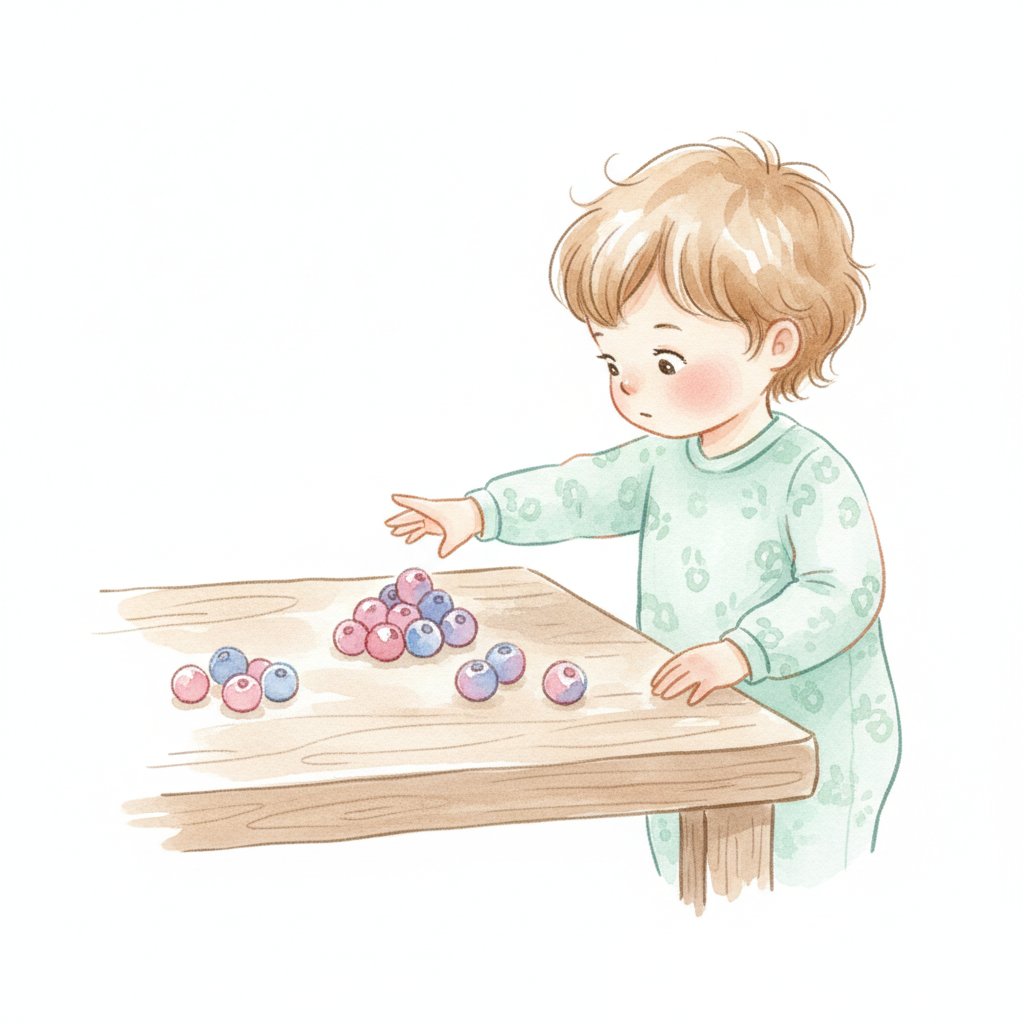
My three-year-old could recite "one, two, three, four, five" perfectly — but when I asked her to give me three crackers, she grabbed a handful. She knew the counting sequence (the song), but she didn't understand that "three" means exactly three objects. This gap between reciting numbers and understanding quantity is the central challenge of early math.
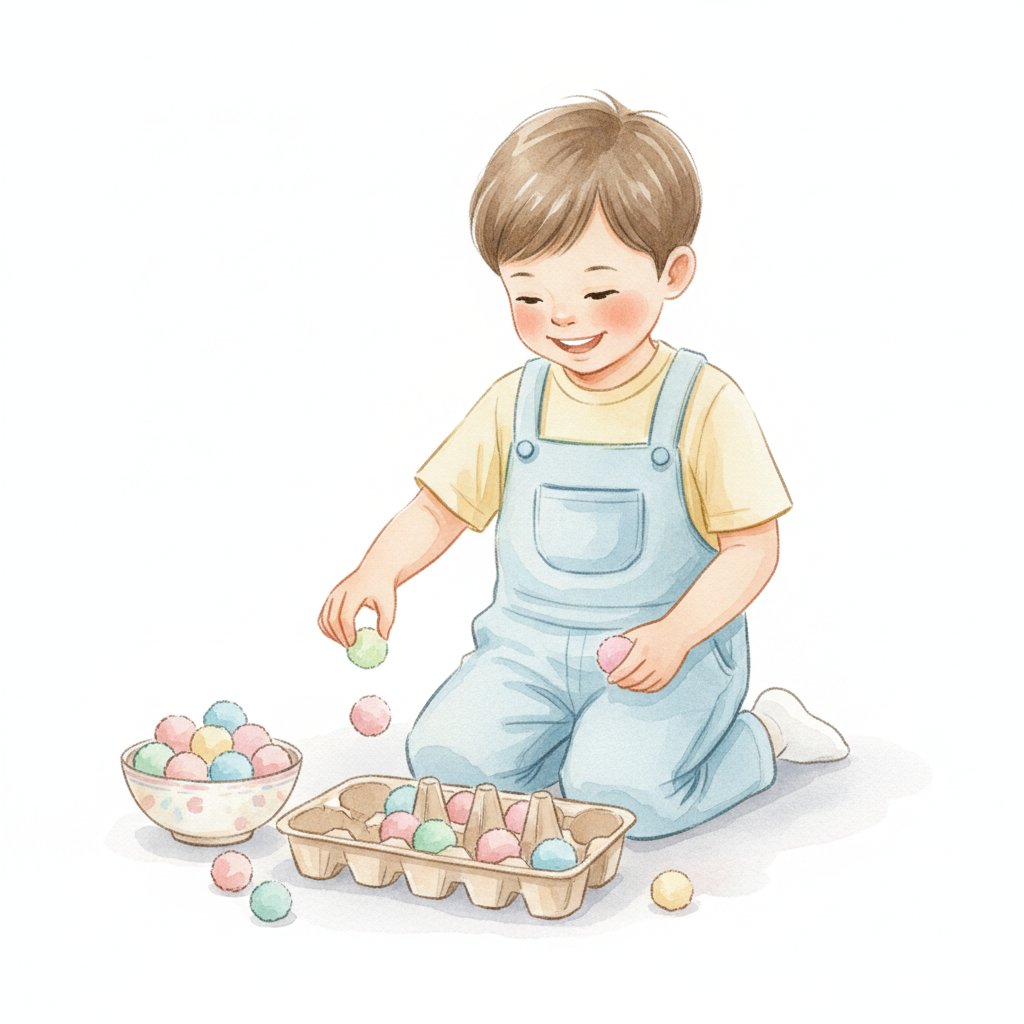
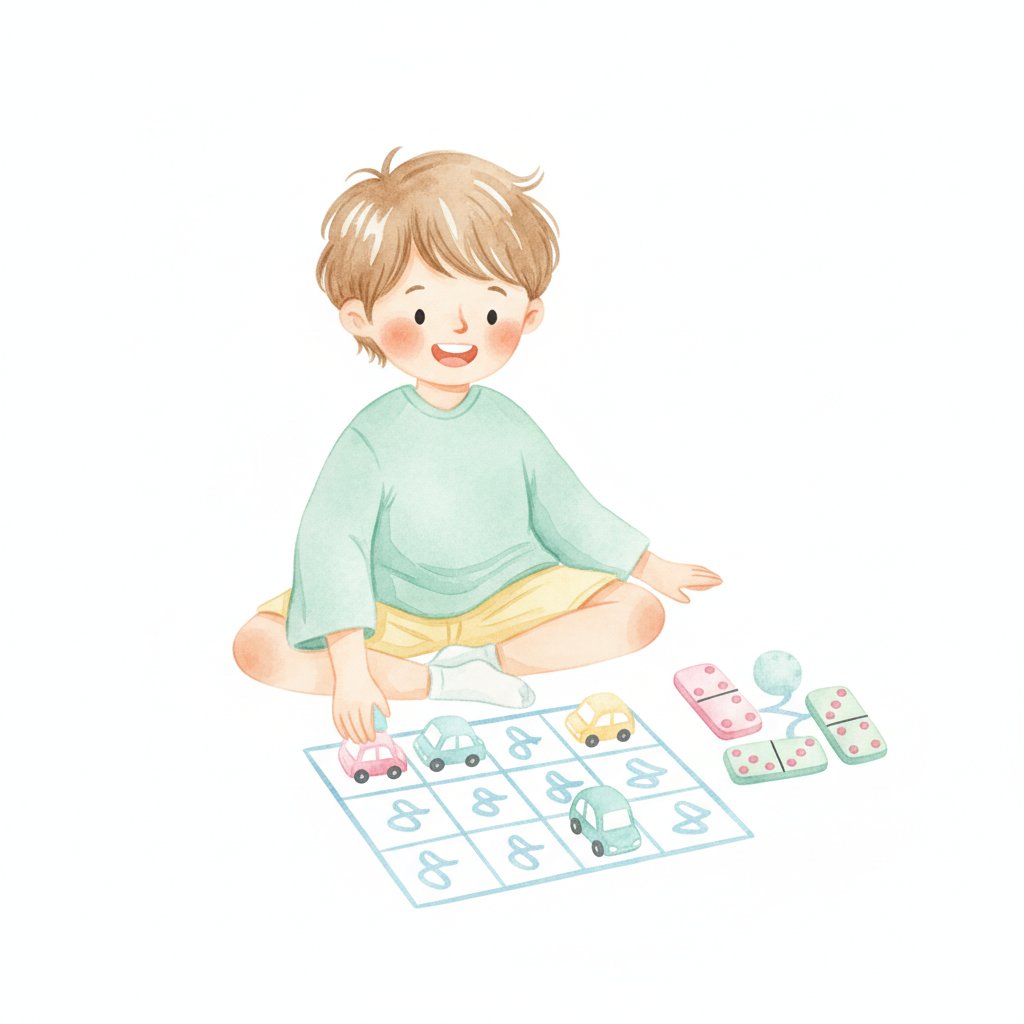
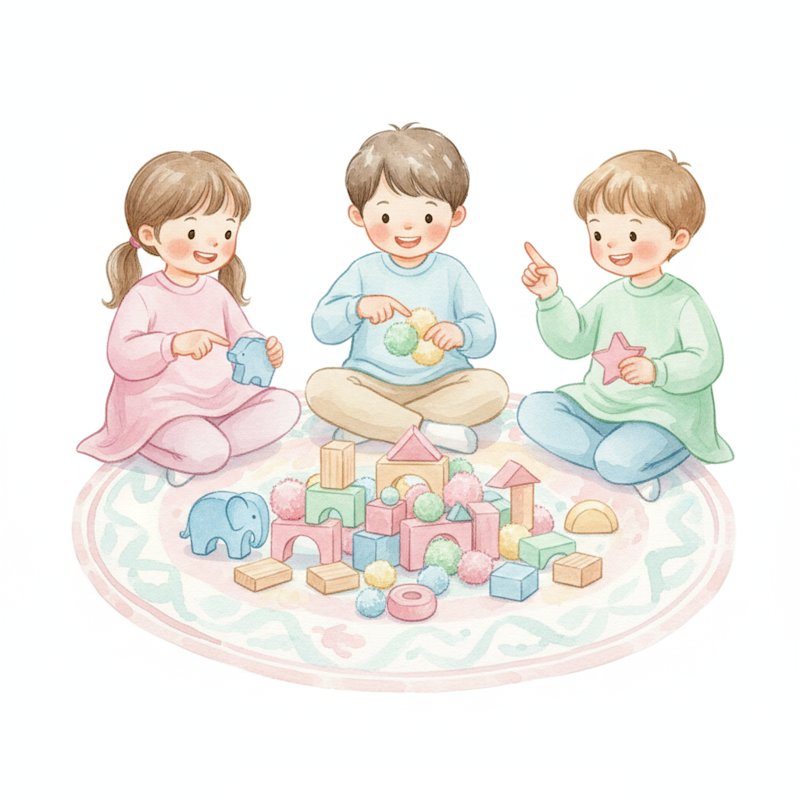
The bridge between "saying numbers" and "understanding numbers" is one-to-one correspondence — pointing at one object and saying one number word for each. It sounds simple, but it's a sophisticated cognitive skill that most children develop between ages 3 and 5. Once a child has one-to-one correspondence, counting becomes meaningful.
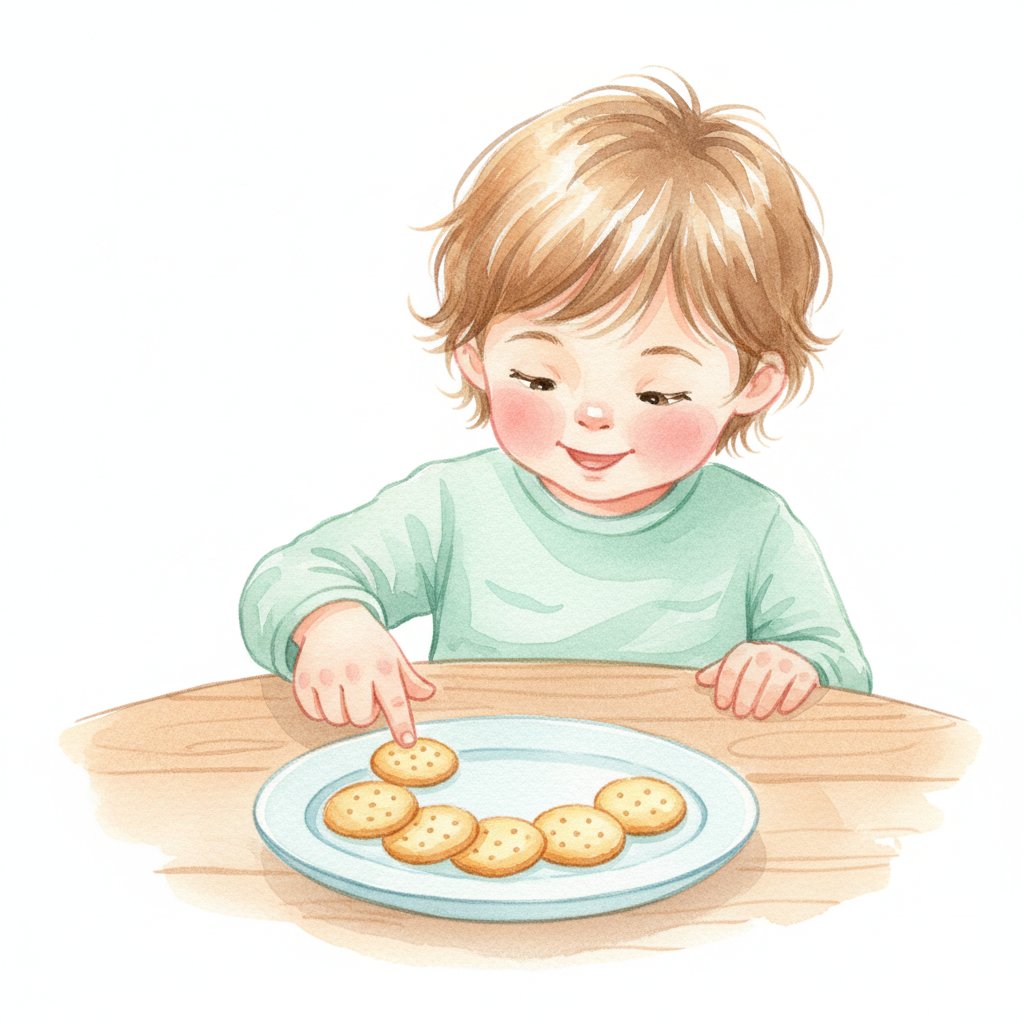
According to the National Council of Teachers of Mathematics, children who enter kindergarten with strong counting skills (not just reciting, but actually counting objects accurately) are significantly more successful in elementary math. This guide covers 20+ number activities that build real counting understanding, not just number songs.
Pair it with our counting activities for more number practice, our math readiness guide for kindergarten prep, and our sorting activities for classification skills.