Articles9 min read

My Daughter Predicted Rain by Looking at the Clouds

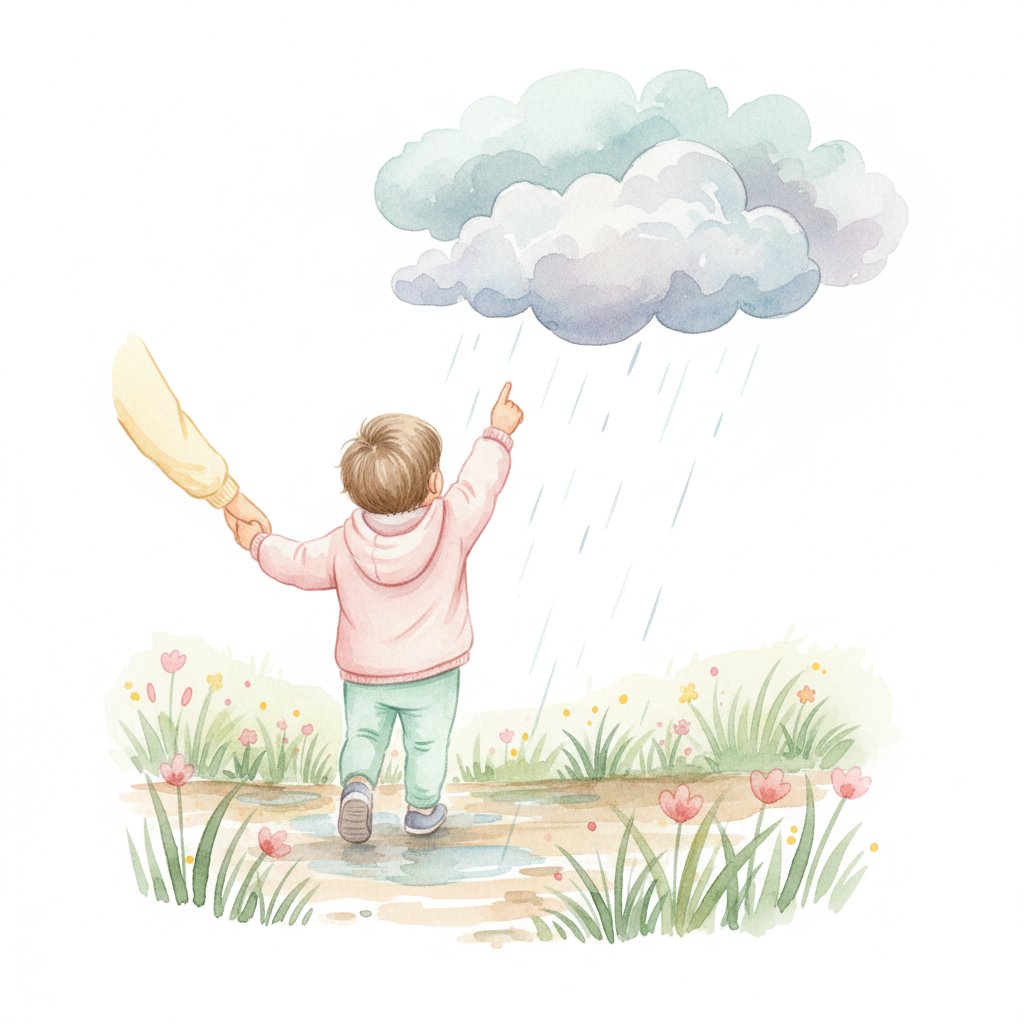
We were walking home from the park on what looked like a sunny afternoon when my four-year-old tugged my hand and said, "Mama, those clouds look like the rain clouds on our chart. We should hurry." I glanced up — dark, flat-bottomed cumulonimbus clouds were indeed rolling in. We made it inside just before the downpour.

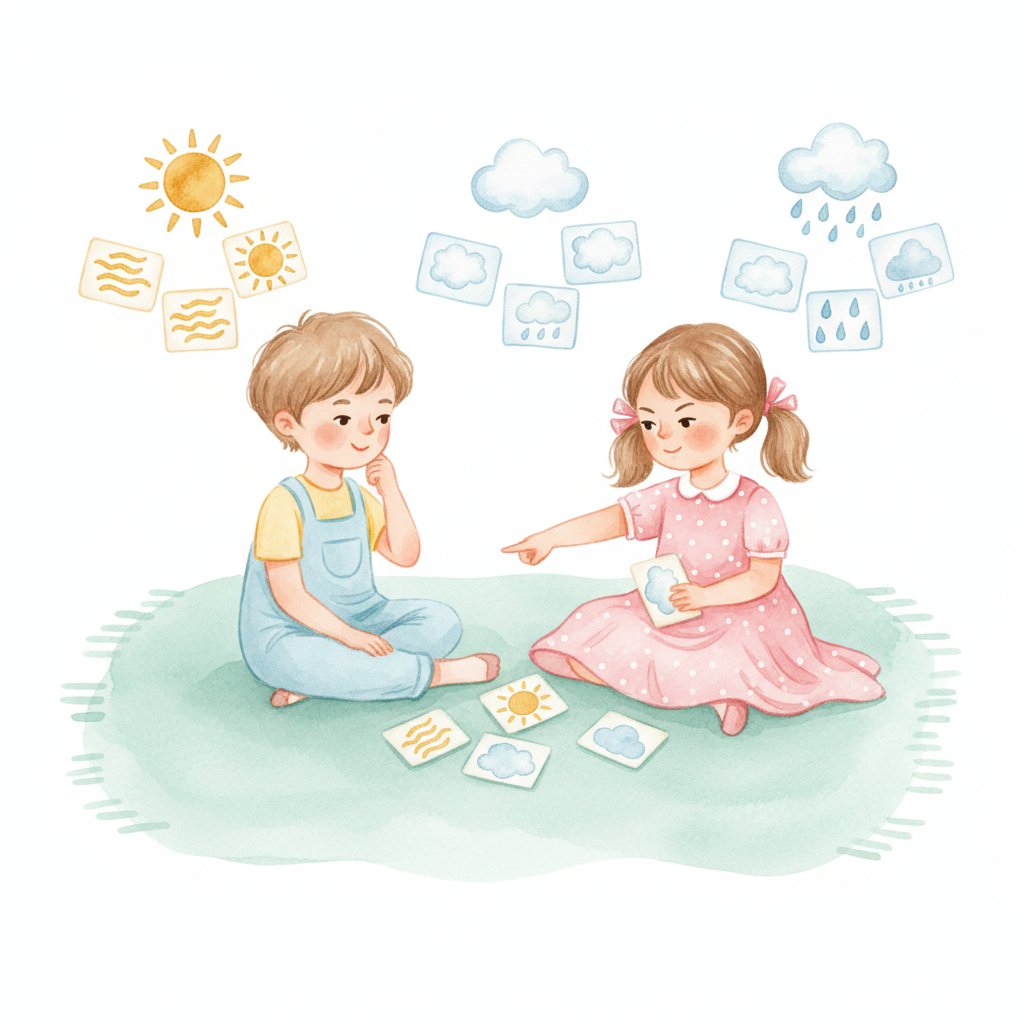
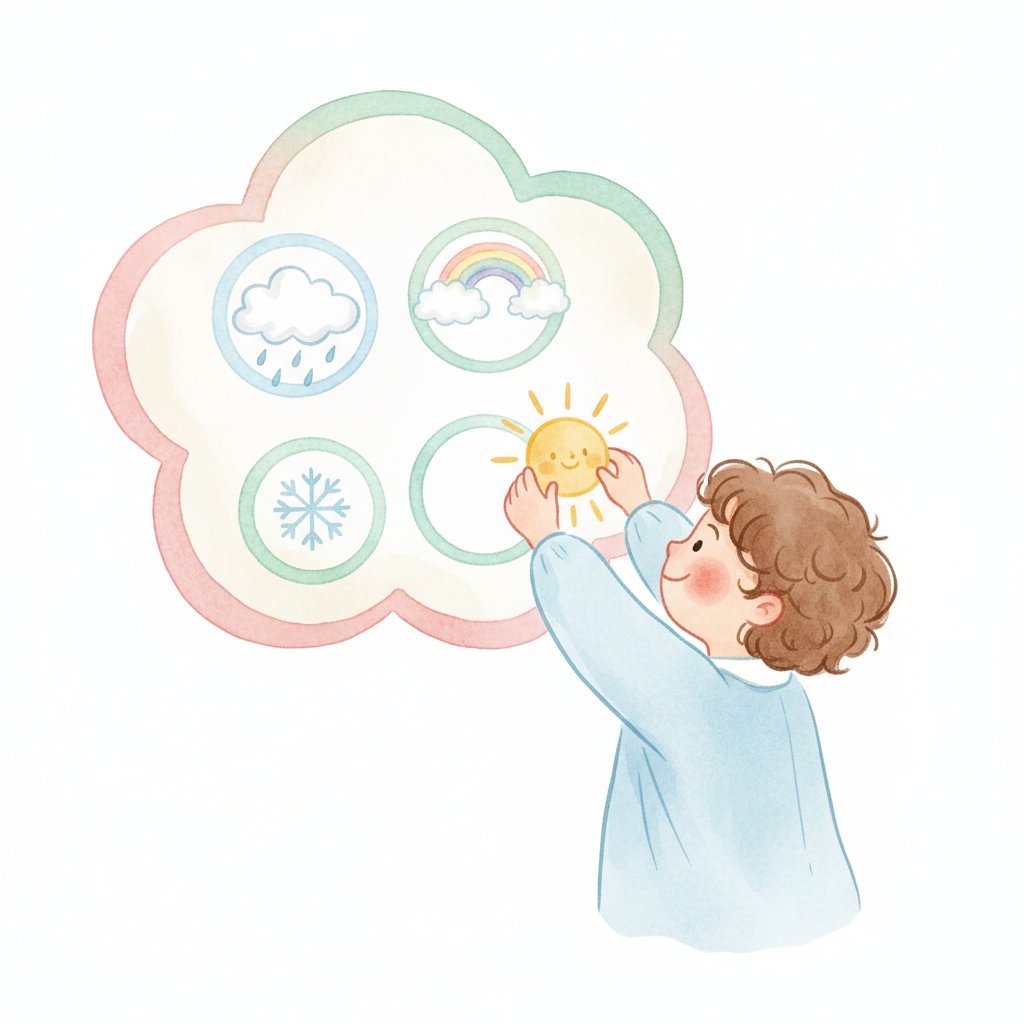
She had learned to read the sky from our daily weather check-in routine. Every morning for three months, she had looked out the window, compared what she saw to the weather cards on our wall, and placed a marker on "today's weather." The routine had taught her to observe, categorize, and predict — the three foundations of scientific thinking.

Weather is one of the most accessible science topics for young children because it's always happening, always changing, and always relevant to their daily lives. "Do I need a jacket?" is a real-world science question that a three-year-old actually cares about. The National Science Teaching Association recommends weather observation as a core early science activity because it builds pattern recognition, data collection skills, and scientific vocabulary.

This guide covers 20+ weather activities for ages 2-6, organized by type. Pair it with our days of the week activities — because weather and calendar naturally go together in morning circle time — and our outdoor learning activities for more nature-based exploration.

Weather Learning Milestones

AgeWhat Most Children Can DoActivities to Try
2-3Notice weather changes ("It's raining!"), match basic conditions (sun, rain, snow)Weather songs, simple observation, weather cards
3-4Name 4-5 weather types, dress a figure for the weather, understand basic seasonsWeather chart, dress-up activity, seasonal sorting
4-5Track weather over time, compare conditions, predict based on observationWeather journal, cloud observation, temperature tracking
5-6Understand weather vs. climate basics, conduct simple experiments, read a thermometerRain gauge, wind experiments, evaporation observation

Why weather matters for preschoolers:

Weather observation teaches scientific thinking skills that transfer to every domain:

  • Observation: Looking carefully at the sky, feeling temperature, noticing wind
  • Categorization: Sorting conditions into types (sunny, cloudy, rainy, snowy)
  • Data collection: Tracking daily weather on a chart
  • Pattern recognition: "It's usually sunny in summer" or "It rains more in spring"
  • Prediction: "Those dark clouds mean rain is coming"

Songs and Circle Time Activities (Ages 2+)

1. What's the Weather? (Song)

Sing to the tune of "Oh My Darling Clementine":

What's the weather? What's the weather? What's the weather like today? Is it sunny? Is it cloudy? Is it rainy out today?

Children look out the window and shout the answer. Simple, fast, and it builds the habit of observing the sky every morning.

Time: 2 minutes

2. Weather Report of the Day

Assign a "weather reporter" each morning. They look outside, come back, and give a full report: "Today it is [condition]. It feels [temperature]. I think we should wear [clothing]." The class agrees or disagrees. Builds public speaking and observation skills simultaneously.

Time: 3-4 minutes

3. Dress the Weather Bear (Ages 3+)

Keep a laminated paper figure on the wall with a wardrobe of paper clothes: T-shirt, shorts, raincoat, boots, sweater, mittens, swimsuit. Each morning, the weather helper dresses the bear for today's conditions. The class discusses: "Why is the bear wearing boots? Because it's raining!"

Materials: Laminated figure, paper clothing pieces, velcro dots
Time: 2-3 minutes daily

For more circle time ideas, see our circle time activities guide.

Observation and Charting Activities (Ages 3+)

4. Daily Weather Chart

The classic for a reason. Create a chart with weather symbols: sun, cloud, rain cloud, snowflake, wind, fog, rainbow. Each day, a child places a marker on today's condition. At the end of the week, count: "How many sunny days? How many rainy days?" Introduces data collection and graphing.

Materials: Weather chart, daily markers
Time: 2 minutes daily, 5 minutes Friday review

{% product-block %}
Our Weather Flashcards for Kids turn daily weather observation into a matching game. Each card shows a weather condition with a clear illustration — the weather helper picks the card that matches what they see outside and places it on the morning chart. Twelve conditions from sunny to snowy, covering everything your preschooler will encounter this year.
{% end-product-block %}

5. Monthly Weather Graph (Ages 4+)

Extend the daily chart into a monthly bar graph. Each day, add a colored square to the correct column. By the end of the month, children can see patterns: "October had more rainy days than September." Real data, real math, real science.

Materials: Monthly graph template, colored squares
Time: 2 minutes daily, 10 minutes monthly review

6. Weather Journal (Ages 4+)

Each child keeps a simple weather journal. Daily entry: draw today's weather, circle the temperature range (cold/cool/warm/hot), and write one sentence: "Today it is cloudy and cool." At the end of each month, children look back and notice patterns.

Materials: Blank journal or printed pages, crayons
Time: 5 minutes daily

7. "Same or Different?" Weekly Comparison (Ages 4+)

On Monday, photograph the sky (or draw it). On Friday, do it again. Compare: "Is the sky the same? What changed? Why do you think it changed?" Builds comparative thinking and introduces the idea that conditions change over time.

Materials: Camera or drawing supplies
Time: 5 minutes Monday and Friday

Science Experiments (Ages 4+)

8. Rain in a Jar

Pour hot water into a glass jar until it's one-third full. Place a plate on top of the jar. Put ice cubes on the plate. Watch as condensation forms on the inside of the jar and "rain" drops fall. This demonstrates the water cycle: evaporation, condensation, precipitation.

Materials: Glass jar, hot water, plate, ice cubes
Time: 10 minutes (mostly waiting)
Safety note: Adult handles hot water.

9. Cloud in a Jar

Fill a clear jar with water. Spray shaving cream on top (this is the "cloud"). Drop food coloring onto the shaving cream. When the "cloud" gets heavy enough, the color "rains" down through the water. Visually demonstrates how clouds hold water until they get too heavy.

Materials: Clear jar, water, shaving cream, food coloring
Time: 10 minutes

10. Wind Streamers

Tie ribbons or crepe paper streamers to a stick or ruler. Take it outside on a windy day and a calm day. Children observe: "The streamers are moving a lot! That means it's windy." Compare wind strength across different days.

Materials: Stick, ribbons or crepe paper
Time: 5-10 minutes

11. Homemade Rain Gauge

Cut the top off a plastic bottle. Invert the top into the bottom (like a funnel). Mark centimeter or inch lines on the side with a permanent marker. Place it outside away from trees and buildings. Check daily: "How much rain did we get last night?" Record on the weather chart.

Materials: Plastic bottle, permanent marker, ruler
Time: 15 minutes to build, 1 minute daily check

For more science activities, see our STEM activities for preschoolers.

Crafts and Art Activities (Ages 3+)

12. Cotton Ball Clouds

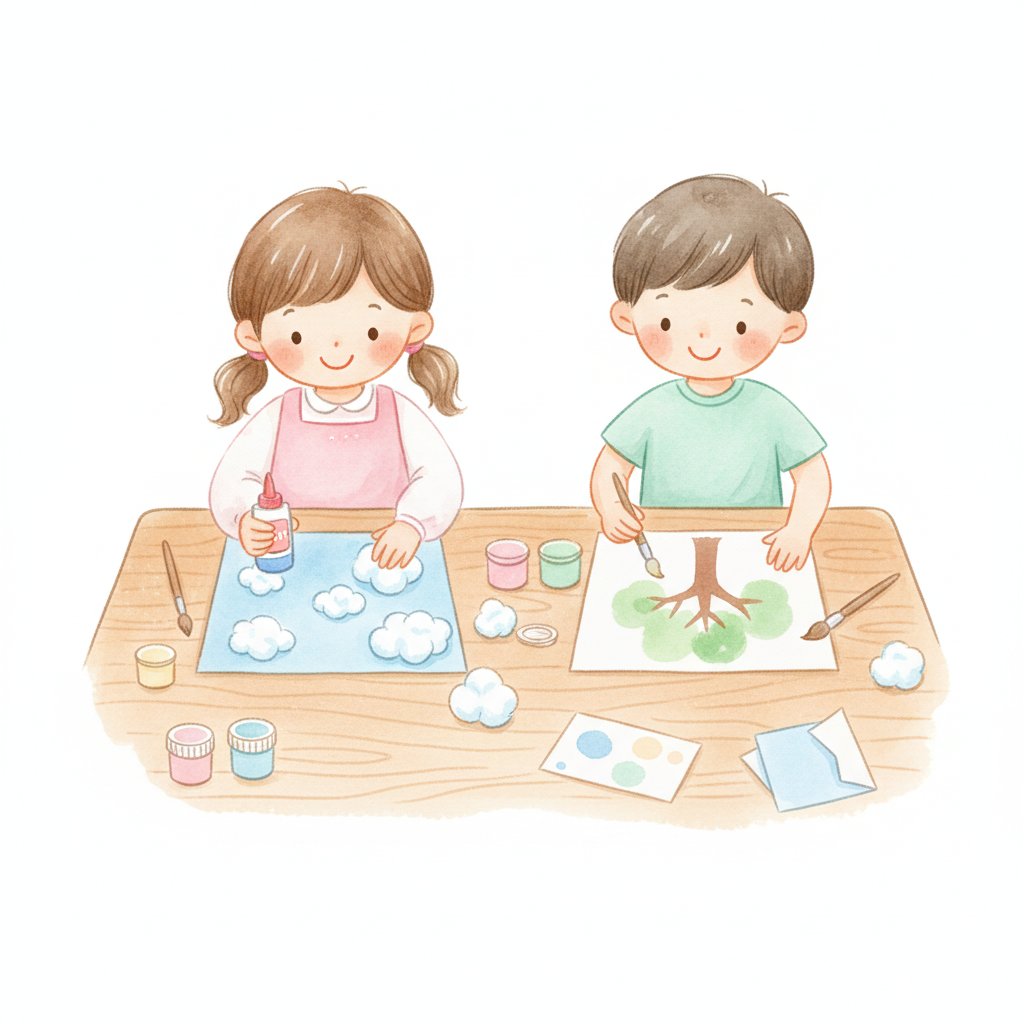
Give children blue construction paper and cotton balls. Show them pictures of different cloud types (cumulus, stratus, cirrus). Children stretch and glue cotton balls to recreate each type. Label each cloud. The tactile activity makes cloud shapes memorable.

Materials: Blue paper, cotton balls, glue, cloud reference images
Time: 15-20 minutes

13. Weather Wheel

Divide a paper plate into sections. Children draw or paste a weather symbol in each section: sun, cloud, rain, snow, wind, rainbow. Attach a spinner arrow. Each morning, spin to today's weather. The wheel format reinforces that weather changes cyclically.

Materials: Paper plate, markers or printed symbols, brad fastener
Time: 20 minutes to make, 1 minute daily

14. Raindrop Painting

Cut raindrop shapes from blue paper. Children paint with watercolors, letting colors blend and drip — mimicking rain. Display the raindrops hanging from a "cloud" made of batting or cotton balls on the classroom ceiling.

Materials: Blue paper raindrops, watercolors, cotton balls or batting
Time: 15-20 minutes

15. Four Seasons Tree

Draw or print a bare tree template four times. Children decorate each tree for a different season:

  • Spring: Pink blossoms (tissue paper), green buds
  • Summer: Full green leaves (finger painting)
  • Fall: Red, orange, yellow leaves (sponge painting)
  • Winter: Bare branches, white snow (cotton balls)

Mount all four on poster board for a seasons display.

Materials: Tree template, tissue paper, paint, cotton balls, sponge
Time: 20-30 minutes

For more art ideas, see our art activities for preschoolers.

The weather flashcard set that makes morning observation a game
Our Weather Flashcards for Kids include 12 beautifully illustrated conditions — from sunny and cloudy to snowy and foggy. The morning weather helper picks the card that matches the sky, places it on the chart, and the whole class learns the vocabulary. One deck turns daily routine into daily learning.
Weather + feelings=morning check-in toolkit
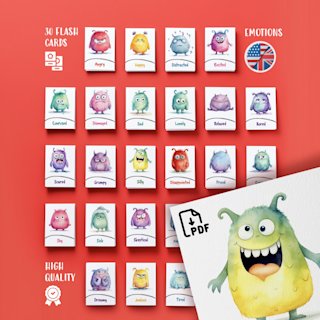
Pair weather observation with emotional check-in using our Feelings Poster Set. Two questions every morning: 'What's the weather outside?' and 'What's the weather inside?' — children learn to name both sky conditions and emotions in the same 3-minute routine.
Farm animals + weather=storytelling activity
Our Farm Animals Flashcards pair perfectly with weather learning: 'It's raining on the farm! Which animals are hiding in the barn? Which animals like the rain?' Children create weather stories using animal characters — building vocabulary in two domains at once.

Tips for Teaching Weather to Preschoolers

For Parents

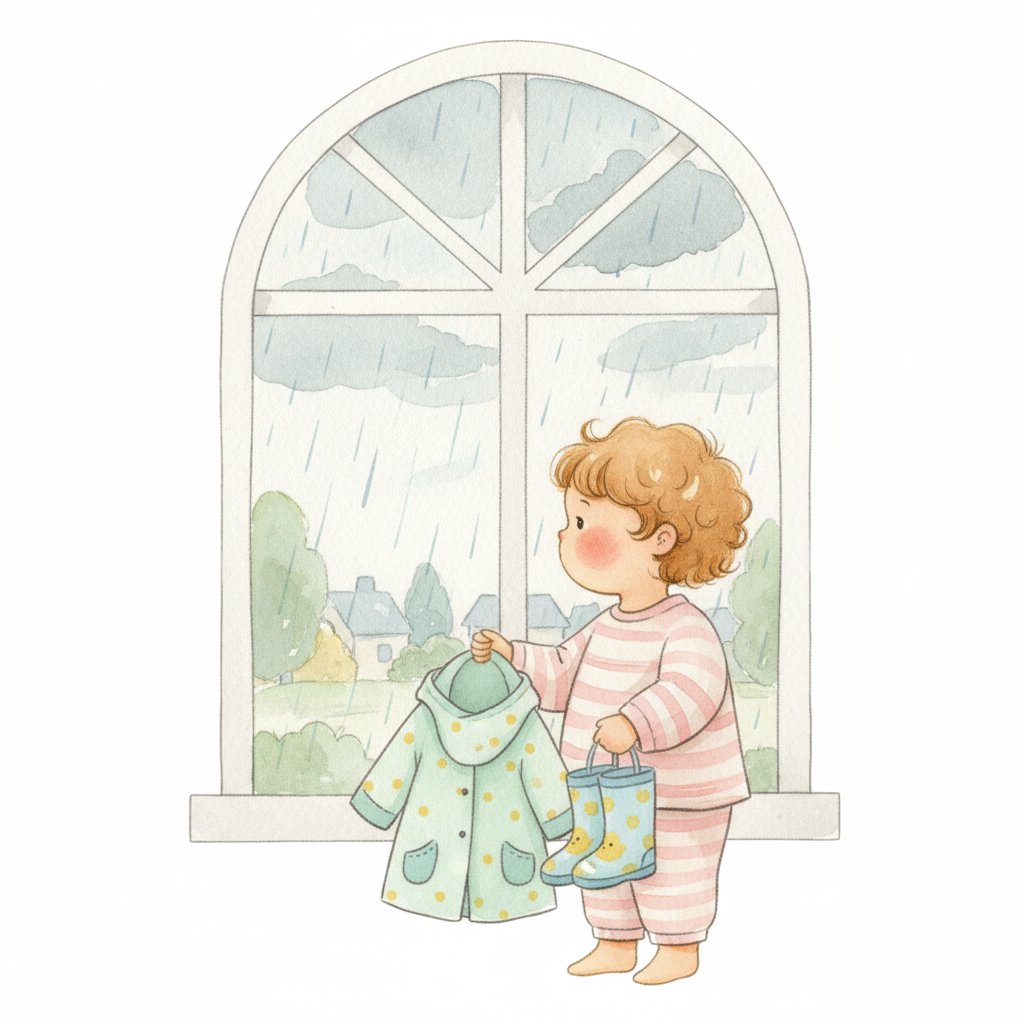
Make weather part of the getting-dressed routine. Every morning, look out the window together before choosing clothes. "Is it sunny or cloudy? Warm or cold? Do we need a jacket?" This one habit teaches weather awareness, independence in dressing, and cause-and-effect thinking.
Talk about weather during everyday activities:

  • Walking to the car: "Feel the wind! Is it a gentle breeze or a strong wind?"
  • Looking out the window at dinner: "The sky is getting dark. What does that mean?"
  • Reading a book: "Look, it's snowing in the story. What do we wear when it snows?"

Keep a family weather chart on the fridge. It doesn't need to be fancy — a simple chart with smiley sun, clouds, raindrops, and snowflakes. Your child places a magnet on today's weather each morning. The consistency is what matters, not the design.

For Classroom Teachers

Weather learning across the curriculum:

  • Science: Daily observation, experiments, temperature tracking
  • Math: Counting sunny vs. rainy days, graphing weekly weather, measuring rainfall
  • Literacy: Weather vocabulary cards, weather journal writing, weather-related read-alouds
  • Art: Cloud crafts, season paintings, weather wheel creation
  • Physical: Movement activities mimicking weather (twirl like a tornado, drift like a snowflake)

Weather-themed weeks:

  • Week 1: Sun and clouds — observation, cloud crafts, sunny day walk
  • Week 2: Rain and water — rain in a jar, raindrop painting, puddle jumping
  • Week 3: Wind and storms — wind streamers, kite day, storm safety discussion
  • Week 4: Seasons — four seasons tree, seasonal sorting, weather around the world

For more themed teaching, see our classroom decor ideas and classroom poster guide.

Frequently Asked Questions

At what age do children understand weather?

By age 2-3, most children can identify basic conditions: sunny, rainy, snowy. By age 4-5, they can track weather over time, understand seasonal patterns, and make simple predictions. Full understanding of climate vs. weather is a much later concept (age 8+), but the foundation starts with daily observation in preschool.

How do I explain weather to a 3-year-old?

Keep it concrete and sensory: "Feel the sun on your skin — that's what sunny feels like." "Listen to the rain on the roof — that's what rainy sounds like." Connect weather to what they can see, hear, feel, and wear. Avoid abstract explanations ("low pressure systems") in favor of direct experience.

What's the best way to track weather in a preschool classroom?

A daily weather chart is the gold standard. Keep it simple: 5-6 conditions (sunny, cloudy, rainy, snowy, windy, foggy). Let a different child be the weather helper each day. At the end of the week, count and compare. The daily routine teaches more than any single lesson.

Can I do weather activities indoors?

Absolutely. Cloud in a jar, rain in a jar, weather sorting cards, weather journaling, and weather crafts are all indoor activities. For observation, a window is all you need — children can see cloud cover, rain, snow, and sun from inside.

How do weather activities connect to other learning?

Weather connects to nearly every domain:

  • Math: Counting weather days, graphing data, measuring rainfall
  • Science: Observation, prediction, experimentation, data collection
  • Language: Weather vocabulary, descriptive language, journal writing
  • Social studies: How weather affects what people wear, eat, and do
  • Art: Weather-inspired crafts, seasonal art projects
  • Physical: Outdoor play adapted to weather conditions

For more interdisciplinary learning, explore our counting activities for preschoolers and fine motor skills activities.