Articles12 min read

My Daughter Learned "Purple" From a Grape Popsicle

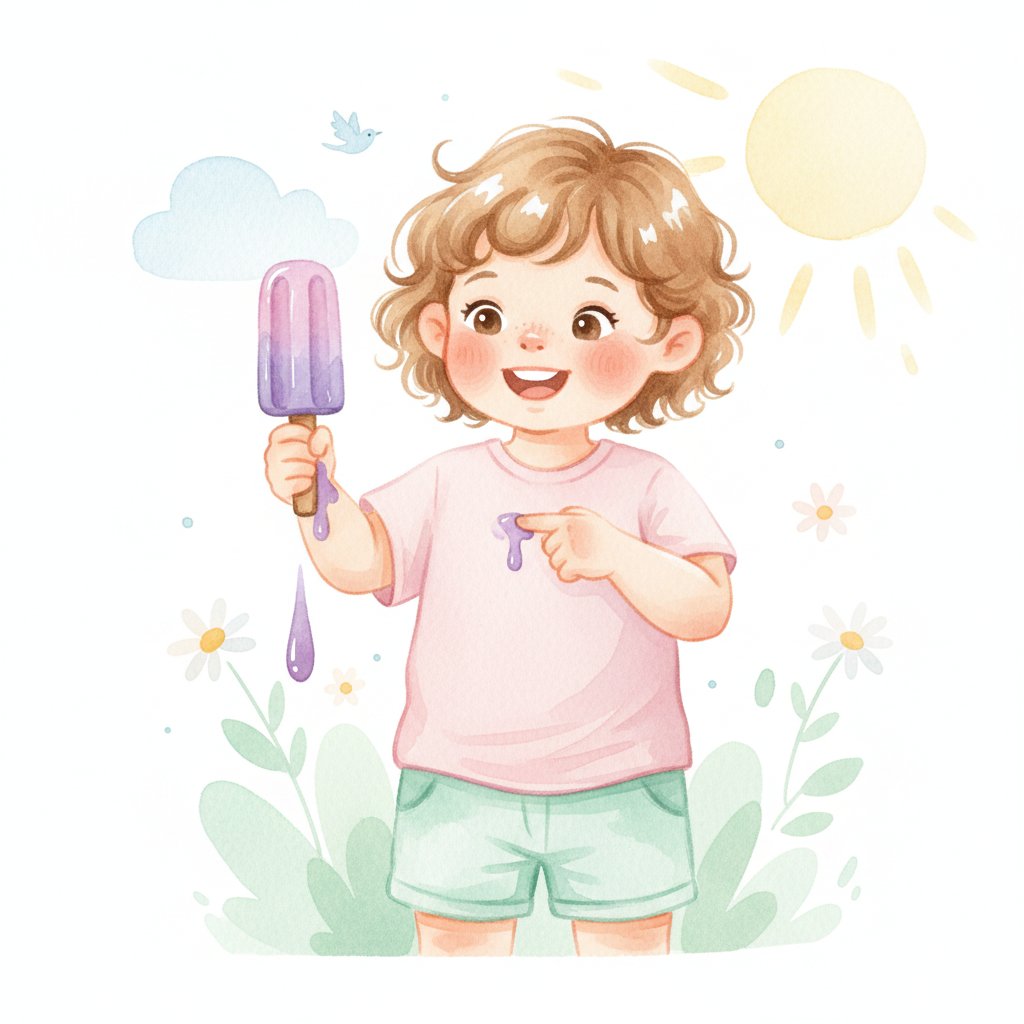
We were halfway through a summer afternoon when my two-year-old held up her popsicle, pointed at the drip trail on her hand, and announced: "Purple!" She had been working with color flashcards for weeks, but it took a grape popsicle on a hot day for the concept to click — the real-world connection that turned abstract into concrete.

That's how color learning works for most children. Flashcards and posters build the vocabulary, but children truly own color words when they connect them to things they can touch, taste, and experience. The American Academy of Pediatrics notes that color recognition is one of the earliest cognitive sorting skills children develop — and it's a gateway to pattern recognition, categorization, and early math thinking.

This guide covers 25+ color activities organized by age and difficulty, from simple color hunts for toddlers to color-mixing experiments for pre-K. Pair it with our free printable coloring pages for kids for independent practice, our shape activities for preschoolers for another foundational math skill, and our fine motor skills activities — because most color activities double as fine motor practice.

Color Learning Milestones by Age

Color recognition follows a predictable developmental path, but every child moves at their own pace. Here's what the research and pediatric guidelines suggest:

AgeWhat Most Children Can DoRed Flags
1-2Matches identical colors, points to named colors (1-2), sorts objects by color with helpNo interest in bright colors or doesn't notice color differences
2-3Names 2-3 colors reliably, sorts by color independently, begins color matching gamesCannot match two identical colors after repeated practice
3-4Names 4-6 colors, identifies colors in books and environment, uses color words in sentencesConsistently confuses colors after months of exposure
4-5Names 8-10 colors, sorts by multiple attributes (color + size), understands light/dark shadesCannot name basic colors (red, blue, yellow, green)
5-6Names 10+ colors including shades (light blue, dark green), mixes and describes colors, uses color in art intentionallyStill confusing basic primary colors

Note on color vision: If your child consistently confuses red and green (or other specific pairs) after age 4, ask your pediatrician about a color vision screening. About 8% of boys and 0.5% of girls have some form of color vision deficiency — it's not a learning problem, just a different way of seeing.

For related developmental tracking, see our kindergarten readiness checklist for parents.

Color Activities for Toddlers (Ages 2-3)

At this age, the goal is exposure, not mastery. Focus on 3-4 colors at a time (red, blue, yellow, green) before adding more.

1. Color Hunt Around the House

Pick one color. Walk through your home together finding everything that matches. "Let's find everything RED!" Collect items in a basket or just point and name. This builds vocabulary through movement and discovery.

Materials: None
Time: 5-10 minutes

2. Color Sorting with Toys

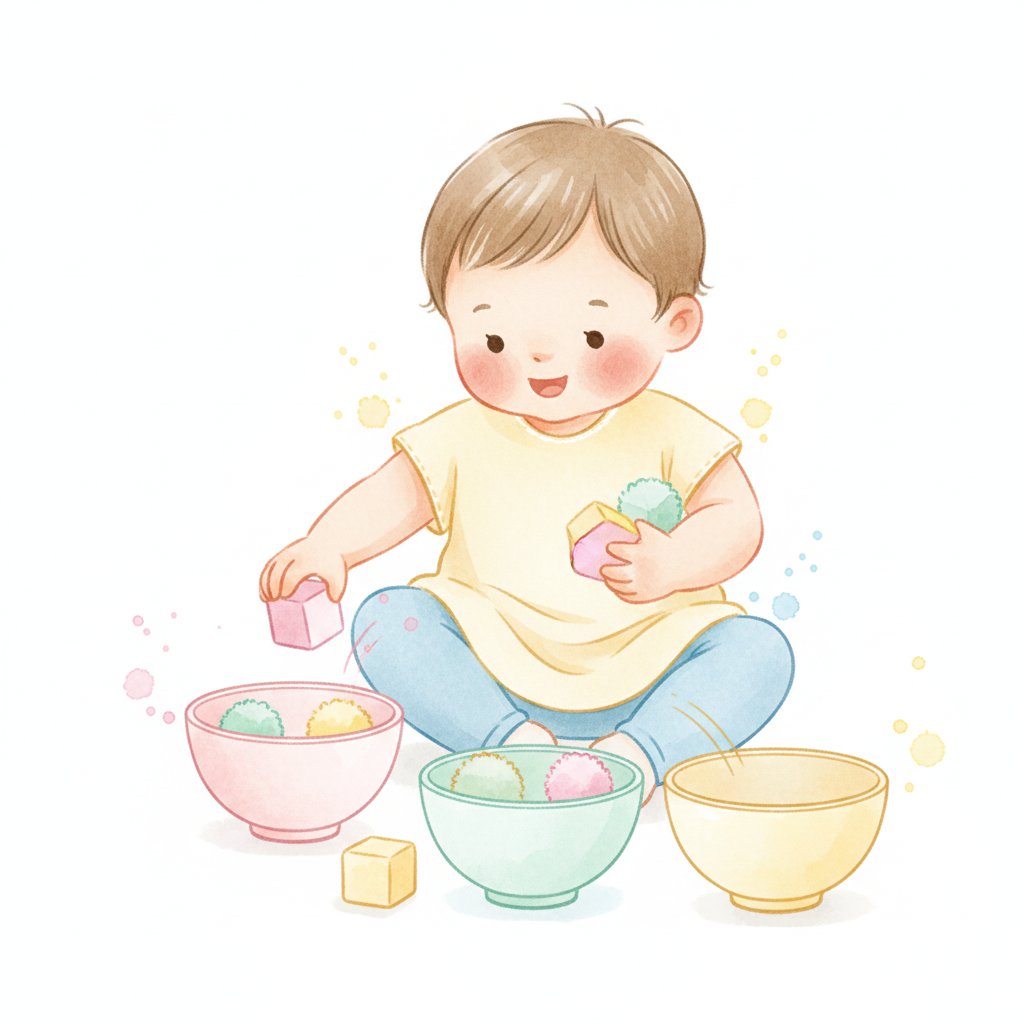
Gather colored blocks, cars, or balls. Place colored paper or bowls on the floor as targets. Children sort each toy onto its matching color. Start with 2 colors, then add more as they succeed.

Materials: Colored toys, colored paper or bowls
Time: 10 minutes

3. Color Bath Time

Add a few drops of food coloring to bathwater. Name the color as it swirls. Use different colors on different nights. "Tonight is a BLUE bath!" The sensory experience makes the color word stick.

Materials: Food coloring
Time: Regular bath routine

4. Color Snack Sort

Serve a colorful snack plate — red strawberries, orange carrots, green grapes, yellow cheese. Name each color as your child eats. "You ate the green one! Now what color is next?"

Materials: Colorful snacks
Time: Regular snack time

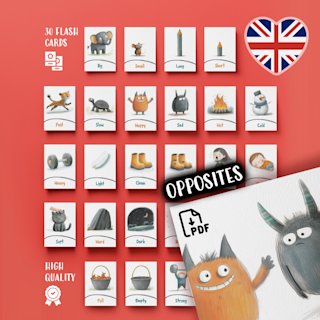
Visual anchors make color learning stick. Pair these activities with color flashcards that feature friendly monster characters — each card shows the color word in bold print alongside a memorable illustration, perfect for color hunts and matching games.

5. Sticky Color Wall

Tape contact paper (sticky side out) to a wall at your child's height. Cut squares from colored paper. Children stick each square to the wall, naming the color as they go. The vertical surface also builds shoulder and core strength.

Materials: Contact paper, colored construction paper, tape
Time: 10-15 minutes

6. Color Collage

Give your child a piece of paper with one color written on it (or just use a colored paper). Provide magazines, tissue paper, fabric scraps, and feathers in that color. Children glue items to create a monochromatic collage.

Materials: Colored paper, magazines or scrap materials, glue
Time: 15-20 minutes

Color Activities for Preschool (Ages 3-4)

Now children are ready to name colors independently, match shades, and start understanding color mixing.

7. Color Bingo

Create bingo cards with 6-9 colored squares. Call out color names (or hold up a colored object). First to cover their board wins. Play with 2-4 children for social learning. For younger players, use fewer squares.

Materials: Bingo cards, colored counters or buttons
Time: 10-15 minutes

8. Color Scavenger Hunt

Make a simple checklist with 6-8 colors. Children race around the house or classroom finding one item for each color. Take photos of each find for a color book. "Find something red — GO!"

Materials: Color checklist (drawn or printed), camera (optional)
Time: 15-20 minutes

9. Color Mixing with Water

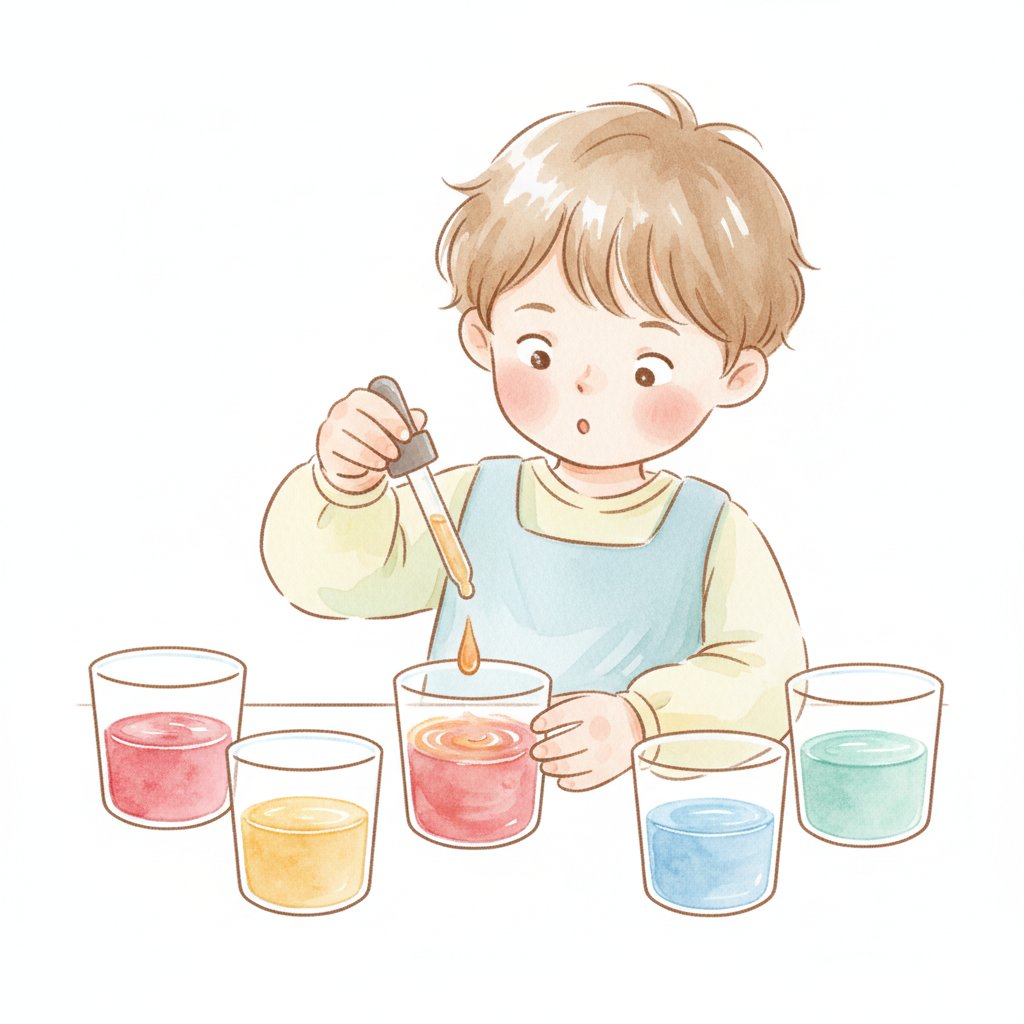
Fill three clear cups with water. Add red food coloring to one, blue to another, and yellow to the third. Give your child an empty cup and a dropper. Let them mix two primary colors and discover what happens. "What happens when we mix red and yellow?"

Materials: Clear cups, water, food coloring, droppers
Time: 15-20 minutes

What they learn: Red + yellow=orange. Blue + yellow=green. Red + blue=purple. This is the foundation for understanding color theory — and it feels like magic to a three-year-old.

10. Color Pattern Blocks

Create simple color patterns with blocks: red-blue-red-blue. Ask "What comes next?" Start with AB patterns, then try ABC (red-blue-yellow-red-blue-yellow). For more pattern activities, see our pattern blocks activities guide.

Materials: Colored blocks or buttons
Time: 10 minutes

11. Color I-Spy

Play the classic game with a color twist. "I spy something green!" Children search the room, naming the color of each object they guess. Builds both color vocabulary and descriptive language.

Materials: None
Time: 5-10 minutes

12. Colored Rice Sensory Bin

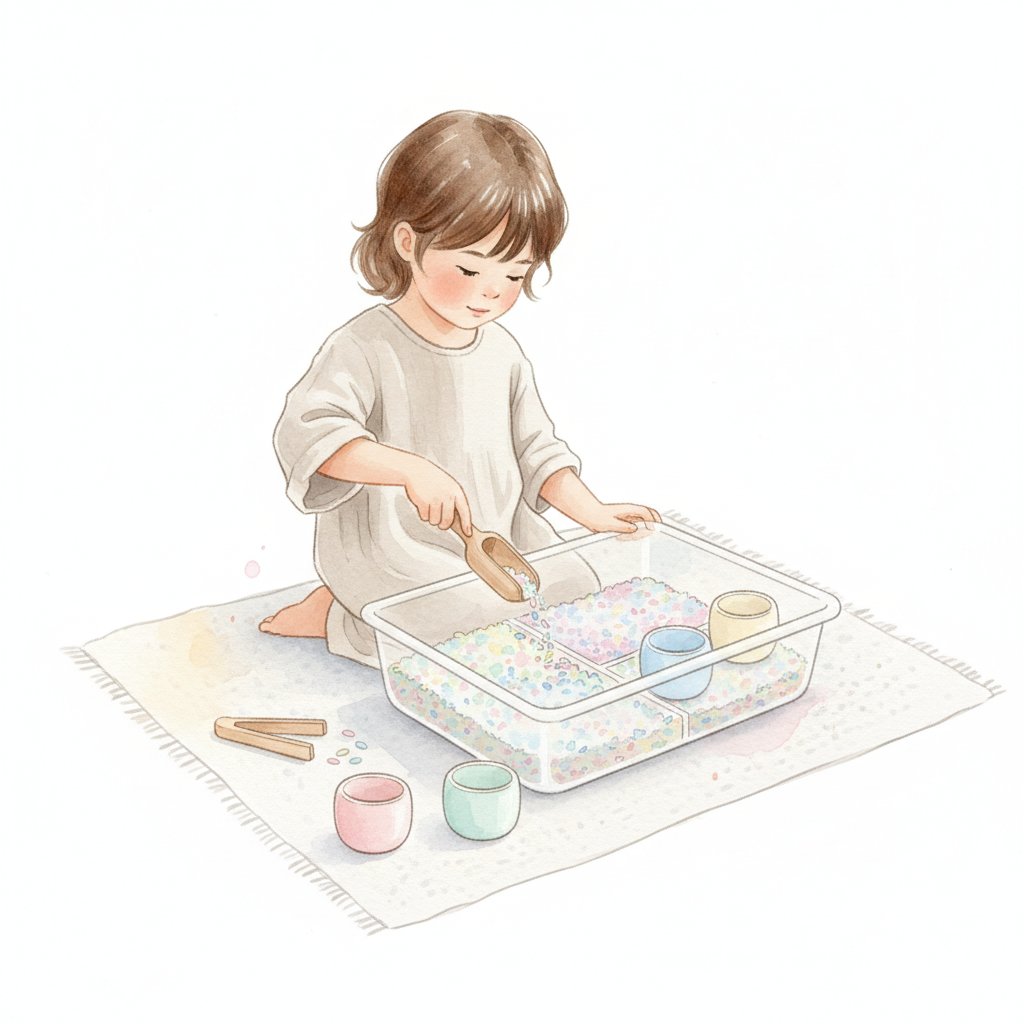
Dye rice with food coloring and vinegar (bake to set). Fill a bin with multiple colors. Add scoops, cups, and tongs. Children sort the rice by color — a calming sensory activity that builds fine motor control and color discrimination simultaneously. For more sensory ideas, see our sensory play ideas for toddlers.

Materials: Rice, food coloring, vinegar, bin, scoops
Time: 20-30 minutes (bin lasts for weeks)

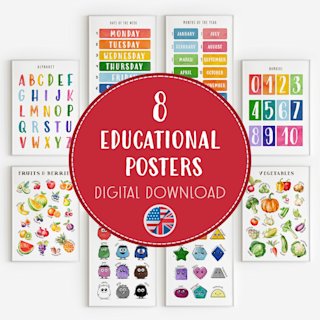
A color reference poster keeps learning visible all day. Print a colors poster with playful monster illustrations and hang it where children see it during meals, play, and art time — it turns wall space into a passive learning tool that reinforces color vocabulary all day.

13. Color Rescue

Freeze small colored toys (Lego blocks, plastic animals, pom-poms) in ice cubes. Give children warm water, droppers, and tweezers. They "rescue" each item and sort by color as it melts. Science + color practice + fine motor all in one.

Materials: Colored small toys, ice cube tray, warm water, droppers, tweezers
Time: 20-30 minutes

Color Activities for Pre-K (Ages 4-5)

Older preschoolers are ready for shades, tints, color words in print, and more complex color challenges.
14. Color Word Matching

Write color words on index cards (RED, BLUE, GREEN, etc.) in black marker. Children match each word to the correct colored object or swatch. This builds sight word recognition alongside color knowledge.

Materials: Index cards, marker, colored objects
Time: 10 minutes

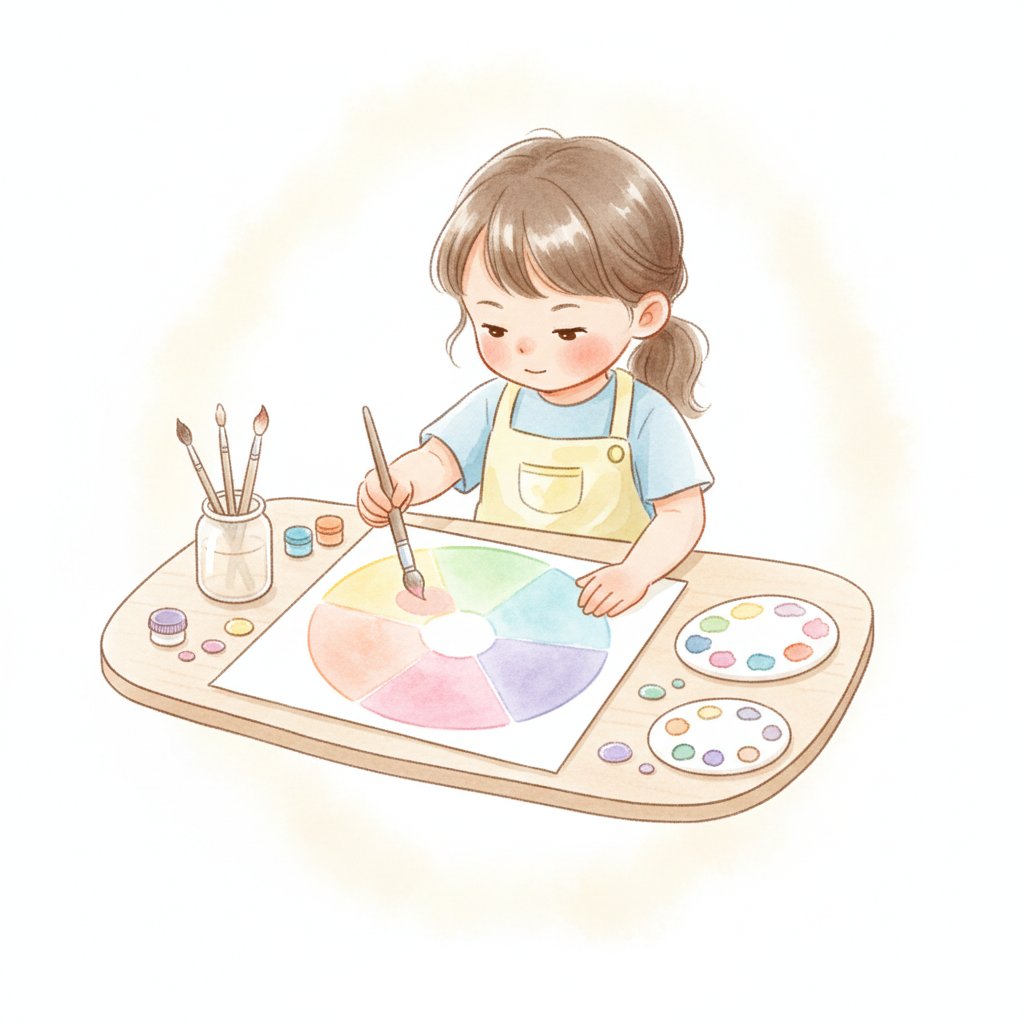
15. Color Wheel Creation

Cut a circle from white paper. Children paint or color sections in the correct order: red, orange, yellow, green, blue, purple. Then they place the primary colors and discover where secondary colors go between them.

Materials: Paper circle, paints or markers in primary colors
Time: 20-30 minutes

16. Shade Sorting

Collect paint swatches from a hardware store (free!). Cut them into individual squares. Children sort from lightest to darkest within one color family — an introduction to gradients and visual discrimination.

Materials: Paint swatches (2-3 per color family), scissors
Time: 15 minutes

17. Color-by-Number

Create or print simple pictures divided into sections labeled with numbers. Each number corresponds to a color. Children fill in each section with the right color. Great for following directions and number-color association.

Materials: Color-by-number printout, crayons or markers
Time: 15-20 minutes

18. Nature Color Walk

Head outside with a color checklist. Children find natural items matching each color — green leaves, brown bark, yellow flowers, red berries, blue sky, orange butterfly. Photograph the finds and create a nature color book.

Materials: Color checklist, camera, bag for collecting (where permitted)
Time: 20-30 minutes

For more outdoor learning, see our outdoor learning activities for kids.

19. Transparent Color Overlays

Cut colored cellophane into squares. Children hold two colors up to the light and see what happens. Red over yellow=orange. Blue over red=purple. A hands-on way to understand how light and color interact.

Materials: Colored cellophane, scissors
Time: 10-15 minutes

20. Color Memory Game

Create pairs of colored cards (two red, two blue, two green, etc.). Place them face down. Children flip two cards — if they match, they keep the pair. Builds visual memory and color discrimination.

Materials: Colored card pairs (12-16 cards total)
Time: 10-15 minutes

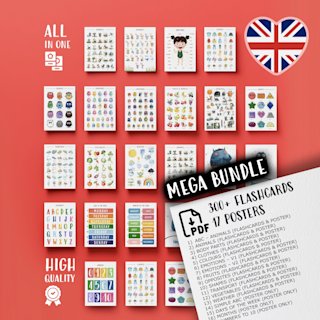
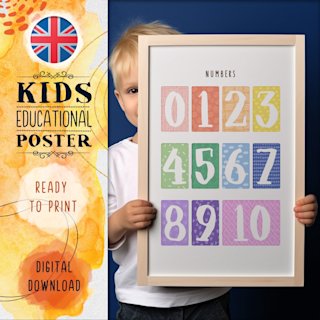
When your child knows 11 colors, introduce the full spectrum. A complete educational poster set — colors, shapes, numbers, alphabet, days of the week, emotions, and more — gives you a full visual learning wall for ages 2-6 in one printable bundle.

Seasonal Color Activities

21. Fall Color Leaf Sort (Autumn)

Collect fallen leaves in red, orange, yellow, brown, and green. Sort by color, then arrange from lightest to darkest. Press favorites in a book for a color collection.

22. Snow Painting (Winter)

Fill spray bottles with water and food coloring. Take them outside after a snowfall. Children spray colors onto the snow, mixing and naming as they go. The white snow is the perfect canvas.

Materials: Spray bottles, water, food coloring, snow
Time: 20-30 minutes

23. Flower Petal Color Match (Spring)

Collect fallen flower petals during a walk. Sort by color at home. Glue matching petals onto a color chart. Discuss shades — "This pink is lighter than this pink."

Materials: Flower petals, paper, glue
Time: 15-20 minutes

24. Fruit and Vegetable Rainbow (Summer)

Arrange colorful produce in rainbow order: red strawberries, orange carrots, yellow corn, green grapes, blue blueberries, purple plums. Eat your rainbow after naming every color.

Materials: Colorful fruits and vegetables
Time: Regular meal prep

25. Holiday Color Themes

Use holidays as color anchors:

  • Valentine's Day — red and pink sorting, heart color patterns
  • St. Patrick's Day — green scavenger hunt, rainbow crafts
  • Fourth of July — red, white, and blue flag crafts
  • Halloween — orange and black collage, pumpkin painting
  • Christmas — color-by-number ornaments, green/red/gold sorting

For more themed activities, see our art activities for preschoolers.

Turn color practice into a game kids ask to play
Our Color Monster Matching Game pairs each color with a friendly monster face — children match colors to monsters, building recognition through play instead of drilling. Print once, laminate, and use for months.
Color + letter learning in one activity
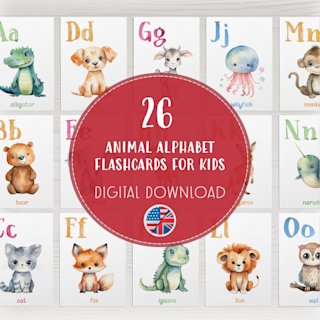
Alphabet Monster Flashcards combine letter recognition with colorful monster illustrations — each card is a mini color lesson. Print the set and use them for color sorting, letter hunts, and matching games that build two skills at once.
Colors and emotions go hand in hand
Our Feelings Poster Set uses color-coded monster faces to help children connect colors with emotions — red for angry, blue for sad, yellow for happy. It's a dual-purpose wall reference that teaches color vocabulary and emotional literacy simultaneously.

Teaching Colors: Tips for Parents and Teachers

For Parents at Home

The 5-Minute Rule:
You don't need a formal lesson to teach colors. Five minutes of intentional color talk during daily routines is more effective than a 30-minute sit-down session:

  • Getting dressed: "Let's wear the blue shirt today."
  • Mealtime: "What color is your banana? Your peas?"
  • Driving: "I see a red car! Can you find a red car?"
  • Bedtime: "What color is your blanket? Your toothbrush?"

Avoid These Common Mistakes:

  • Testing too much. "What color is this? What color is this?" gets old fast. Instead, model: "Wow, look at this beautiful RED apple!"
  • Teaching too many colors at once. Stick with red, blue, and yellow first. Add green and orange once those are solid.
  • Only using primary colors. Introduce shades and variations early — light blue, dark green, pink, brown, gray.
  • Forgetting black, white, and brown. These are colors too! Children need the full spectrum.

For Classroom Teachers

Color of the Week Structure:

  • Monday: Introduce at circle time — name, find in the room, show flashcard
  • Tuesday: Sensory bin activity with the target color
  • Wednesday: Color art project (painting, collage, or stamping)
  • Thursday: Color center activity (sorting, matching, or graphing)
  • Friday: Color show-and-tell — each child brings something in the target color

Cross-Curricular Connections:

  • Math: Color graphing (how many red blocks, blue blocks, green blocks?), color patterns
  • Literacy: Color-themed read-alouds (Brown Bear, Brown Bear, What Do You See? by Bill Martin Jr., Mouse Paint by Ellen Stoll Walsh)
  • Science: Color mixing experiments, prisms and rainbows, dyeing flowers with food coloring
  • Art: Color wheel painting, monochromatic collages, color resist with crayons and watercolor

For classroom setup ideas, see our classroom organization printables and classroom decor ideas for preschool.

Frequently Asked Questions

At what age should a child know their colors?

Most children can point to named colors by age 2 and name 2-3 colors reliably by age 3. By age 4, children typically name 4-6 colors. By kindergarten entry (age 5-6), most children recognize and name at least 8-10 colors including red, blue, yellow, green, orange, purple, pink, brown, black, and white.

What's the best order to teach colors?

Start with high-contrast primary colors: red, blue, and yellow. Add green next (it's everywhere in nature, making it easy to reinforce). Then orange and purple (children love saying "purple"). Finally, introduce pink, brown, black, white, and gray. Always teach in pairs that are easy to tell apart — red and blue, not red and orange.

Why does my child mix up colors?

Color confusion is normal before age 3. Between ages 3-4, consistent confusion after months of exposure may warrant a conversation with your pediatrician. It could be a color vision deficiency (especially if the child is a boy — roughly 8% have some form). It could also simply mean the child needs more hands-on color experiences, not more flashcard drilling.

Should I teach color words in other languages?

Yes! If your family speaks multiple languages, teach color words in all of them simultaneously. Young children's brains are primed for bilingual vocabulary. Even if you only speak English, adding Spanish color words (rojo, azul, verde, amarillo) is a fun enrichment activity that builds language awareness.

How do color activities connect to other learning?

Color knowledge is surprisingly foundational:

  • Math: Sorting, categorizing, graphing, and pattern recognition all start with color
  • Reading: Color words are among the first sight words children learn
  • Science: Color mixing introduces chemistry concepts; color in nature builds observation skills
  • Art: Color choice is the most basic element of artistic expression
  • Daily life: Following directions often depends on color ("bring me the red cup")

What if my child just isn't interested in colors?

Follow their lead. If flashcards don't engage them, try sensory activities (colored rice, color baths, snow painting). If sit-down activities fail, try active color hunts or color tag. Every child has a learning style that clicks — keep rotating approaches until you find it. For more ideas, see our toddler activities guide.

For more preschool learning activities, explore our counting activities for preschoolers and STEM activities for preschoolers.