Articles10 min read

How to Set Up a Writing Center in Kindergarten

A complete guide to creating a kindergarten writing center — from choosing the right location and gathering materials to leveled activities and organization systems that keep children writing independently.

How to Set Up a Writing Center in Kindergarten: Complete Setup Guide

A well-designed writing center gives kindergarten children something powerful: the chance to see themselves as writers. When you set up a dedicated space for writing — stocked with inviting materials, supported by visual aids, and structured for independence — children write more often, write with more confidence, and develop the fine motor and literacy skills that carry them through school.
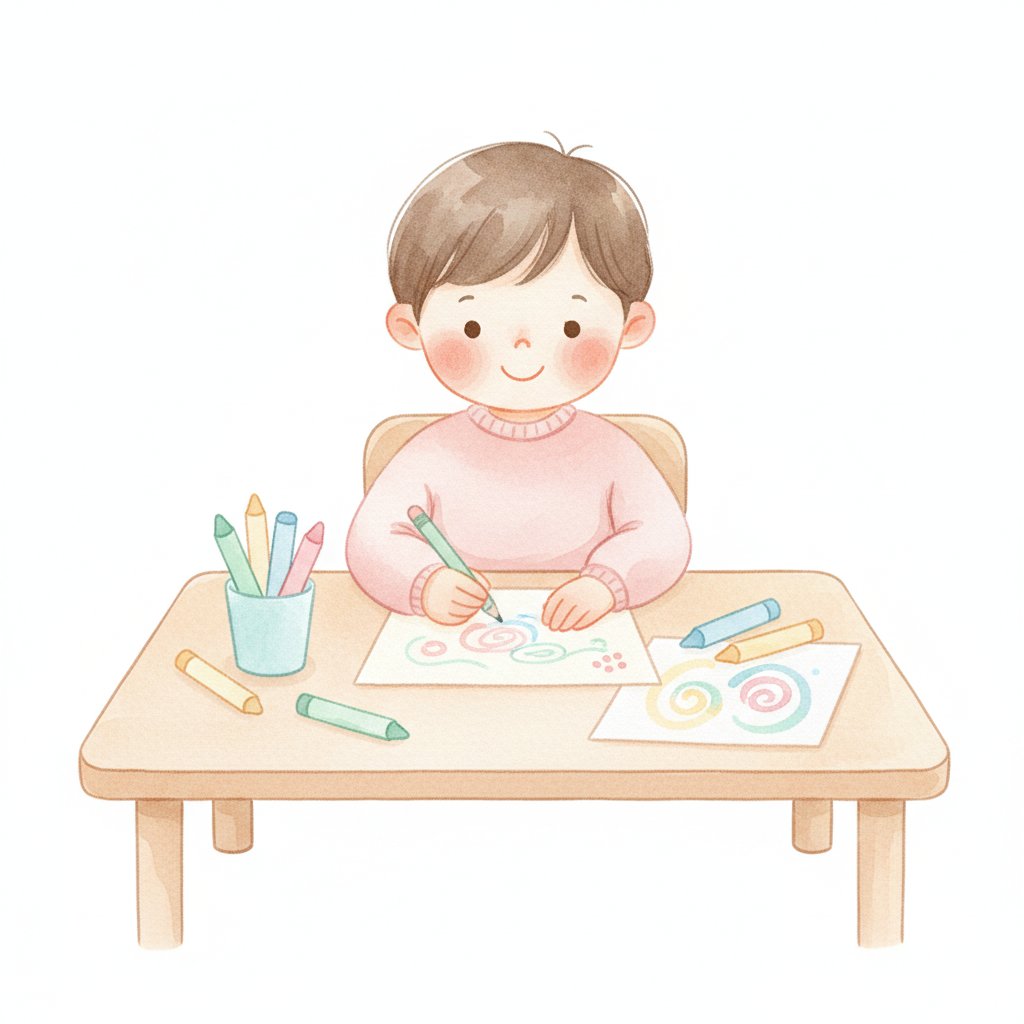
But figuring out how to set up a writing center in kindergarten that actually works isn't always straightforward. What materials do you need? Where should it go? How do you keep it organised? And how do you make sure every child can access meaningful writing activities?

This guide walks you through every step: the research behind why writing centers matter, how to choose the best location, a materials checklist, step-by-step setup instructions, leveled activities, organisation systems, and free printable resources to get your center running from day one.
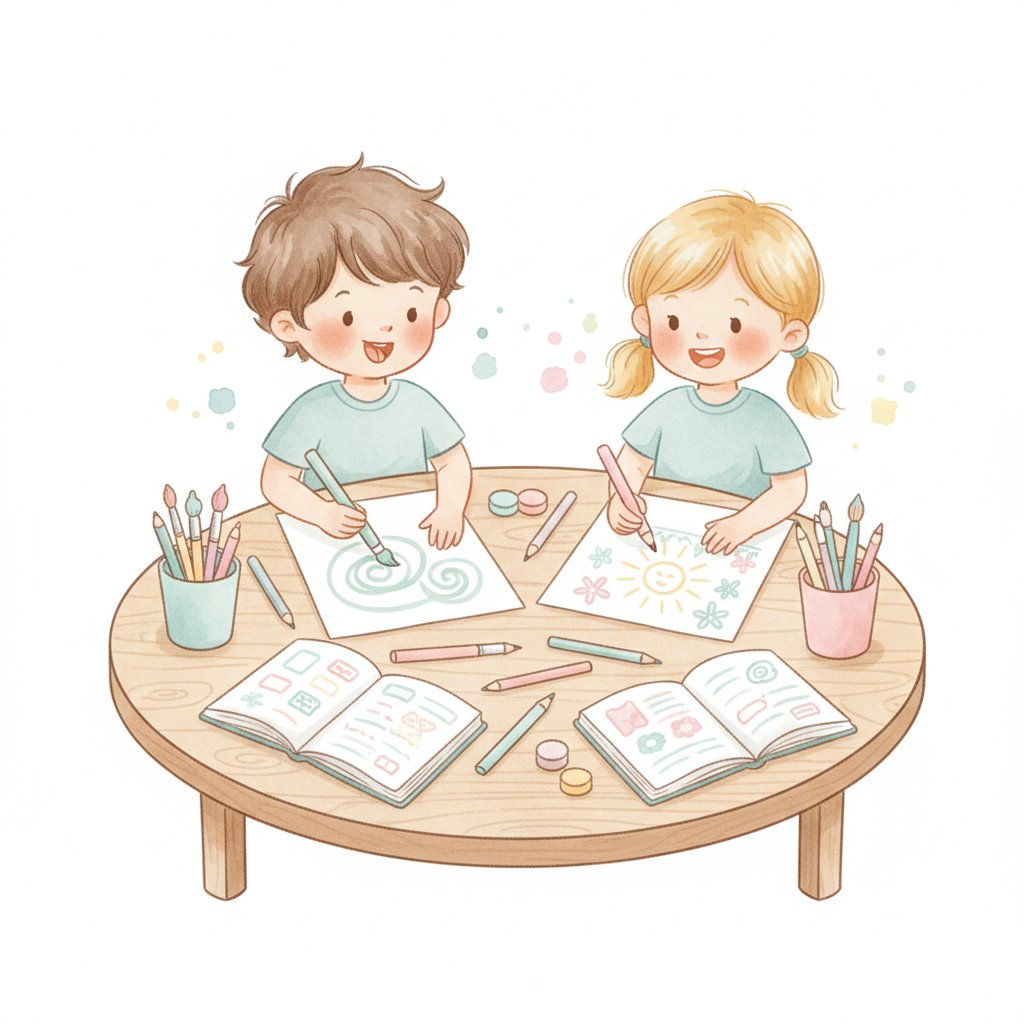
Why Writing Centers Matter

Writing centers work because they give children autonomy within a structured environment. Instead of writing only when the teacher says so, children choose to write — a small shift that transforms motivation.

Research shows that children who write daily make faster progress in both reading and writing. A 2019 study in the Journal of Educational Psychology found that kindergarten children who engaged in voluntary writing developed stronger letter-sound correspondence and invented spelling skills, both of which predict later reading success.
Developmental Benefits

Fine motor development. Every time a child grips a pencil or marker, they strengthen the small hand muscles needed for handwriting. Our scissor skills cutting guide pairs well with writing center activities — both build the same fine motor foundations through different types of practice.

Letter and sound recognition. When children write, they constantly reference letters and sounds. Even a child scribbling with pretend letters is engaging with the idea that marks on paper carry meaning.

Voice and confidence. Writing centers give children a space to express ideas without judgement. A child who writes "I LV MY DG" is demonstrating sophisticated phonemic awareness — and celebrating these early attempts builds the confidence that keeps children writing.

Independence. A well-stocked center lets children get materials, start an activity, and clean up without adult help.

Location Planning

Location can make or break a writing center. Put it in the wrong spot and it becomes a collision zone or a neglected corner.

Choosing the Right Spot

Near the classroom library. This creates a literacy hub where children move fluidly between reading for inspiration and writing to create.

Away from noisy areas. The block corner and water table generate noise that makes focused writing difficult. Position the writing center away from high-energy zones, with a bookshelf or low divider as a buffer.

With wall access. You'll need wall space for an alphabet chart, word wall, and a display area for children's writing.

Natural light if possible. Children write longer and with less eye strain in well-lit spaces.

Furniture and Layout

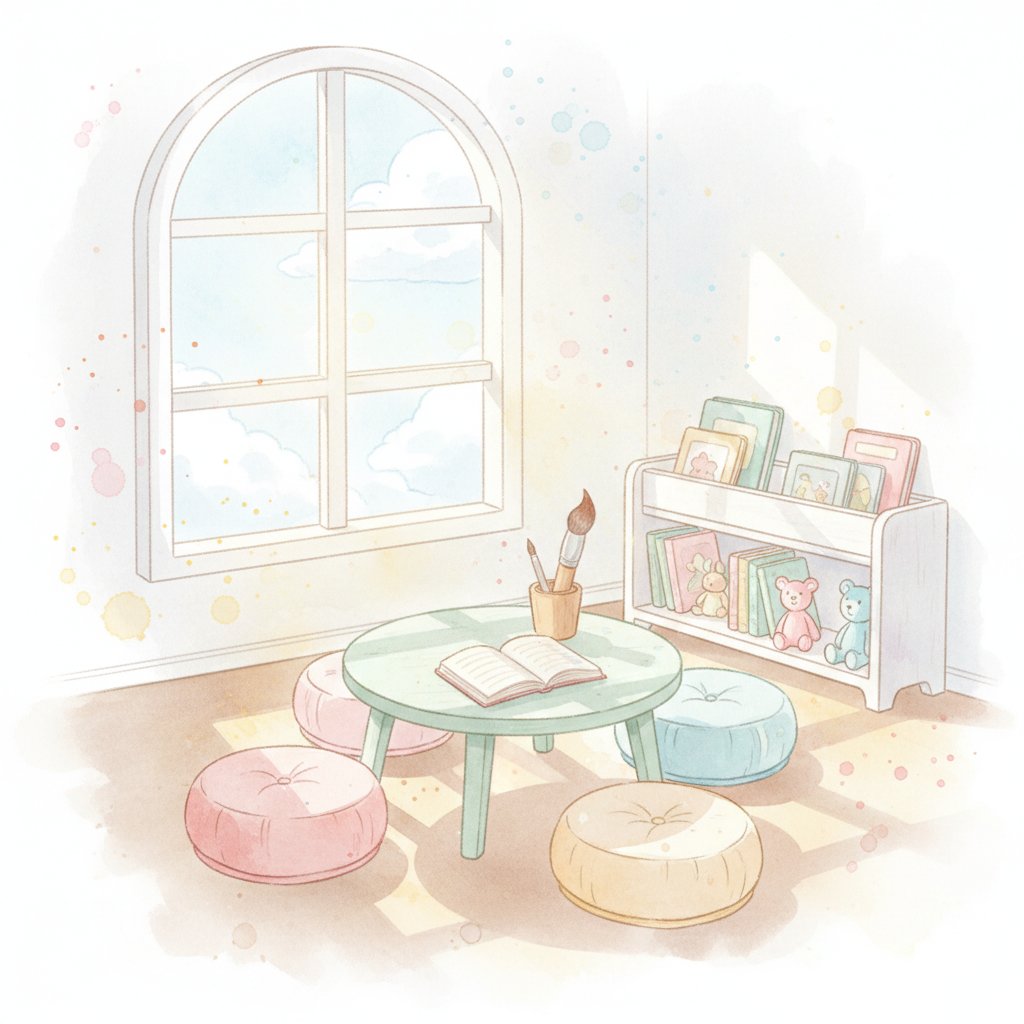
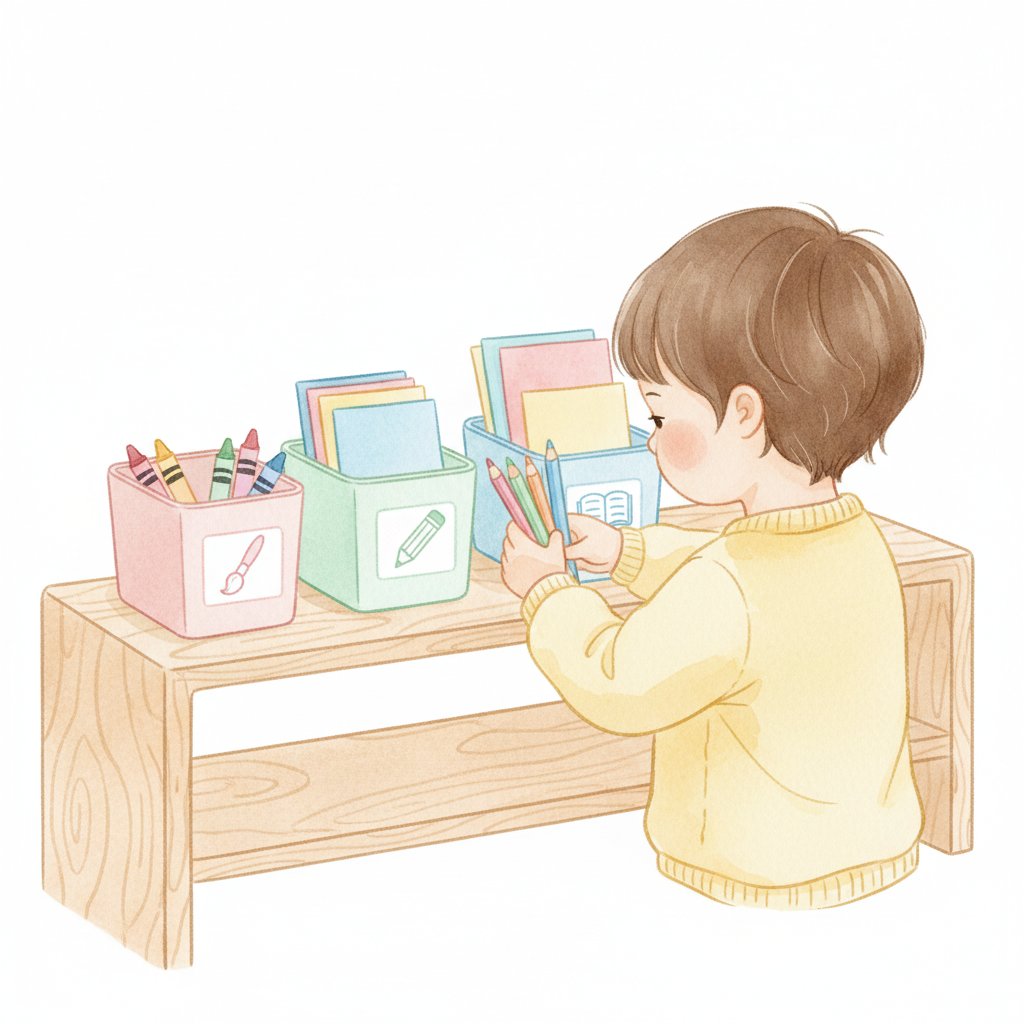
A small table seating 3 to 4 children works well, or a low shelf with cushions for floor writing. Table height should let children sit with feet flat and elbows at table level — roughly 18 to 22 inches for kindergarten. Use open bins labelled with pictures rather than closed cabinets so children can see and choose materials independently.

For small classrooms, a portable writing caddy that children carry to any table works almost as well. A tri-fold display board serves as a portable word wall that folds flat for storage.

Materials Checklist

The Basics

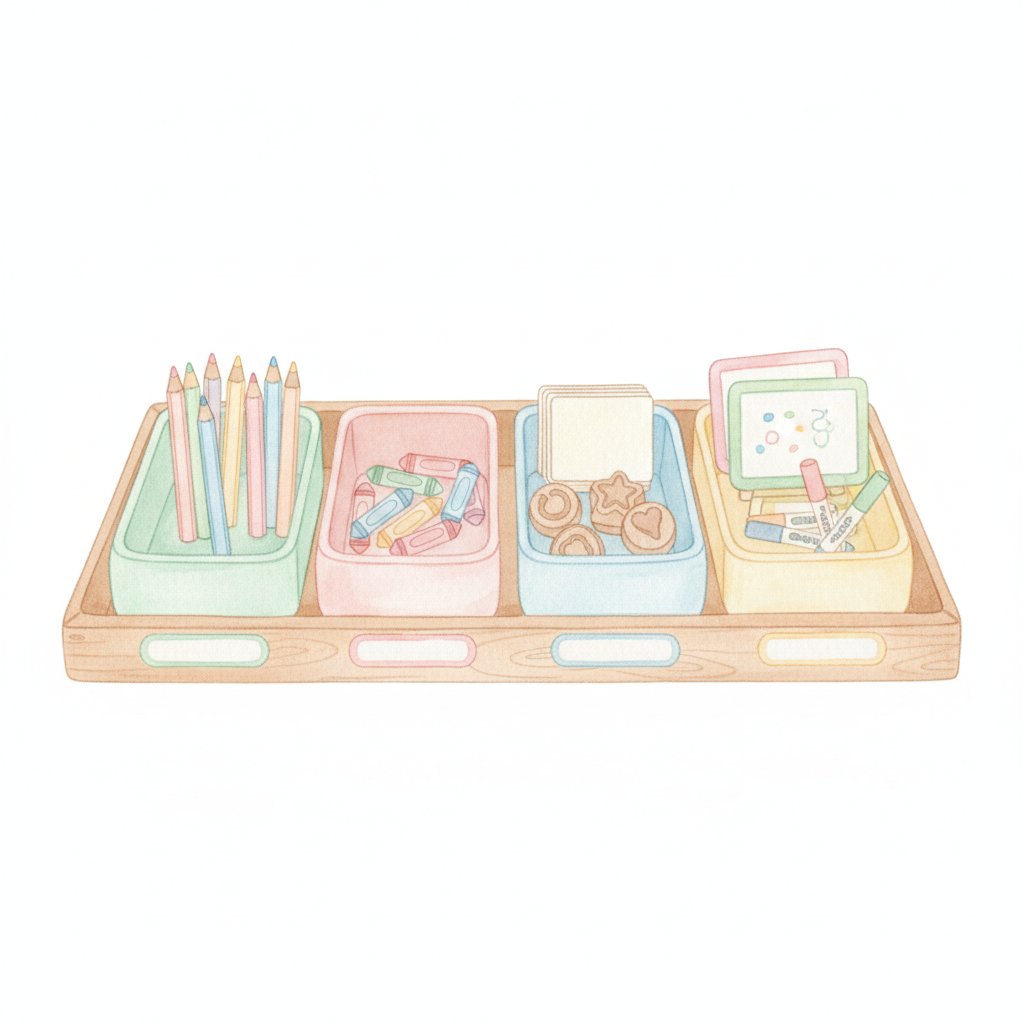
  • Pencils — standard and golf pencils (shorter pencils encourage proper grip)
  • Crayons and washable markers — thin and thick tips
  • Paper — plain white (full, half, and quarter sheets), lined with wide spacing, and construction paper
  • Mini whiteboards and dry-erase markers — for practice writing without permanence
  • Erasers — small, child-sized

Enrichment Materials

  • Blank books — stapled pages for making books
  • Envelopes — for letter-writing activities
  • Stickers, stamps, and letter stamps — for adding detail and motivation
  • Post-it notes — children love the small size and peel-and-stick quality
  • Clipboards — for writing outside the center
  • Scissors and glue sticks — for cut-and-paste activities

Visual Supports

  • Alphabet chart — with pictures for each letter sound, at eye level
  • Name cards — each child's name written clearly
  • Word wall — high-frequency words and themed vocabulary
  • "I can write a..." prompt cards — picture cards showing options: list, letter, card, story, label

Our alphabet monster flashcards work beautifully as both a wall reference and a hands-on material — children pick up a card, find the letter they need, and copy it onto their writing.

Step-by-Step Setup

You can build your writing center in an afternoon.

Step 1: Define the space. Choose your location and clear it completely. Position your table or shelf so one side has wall access for displays.

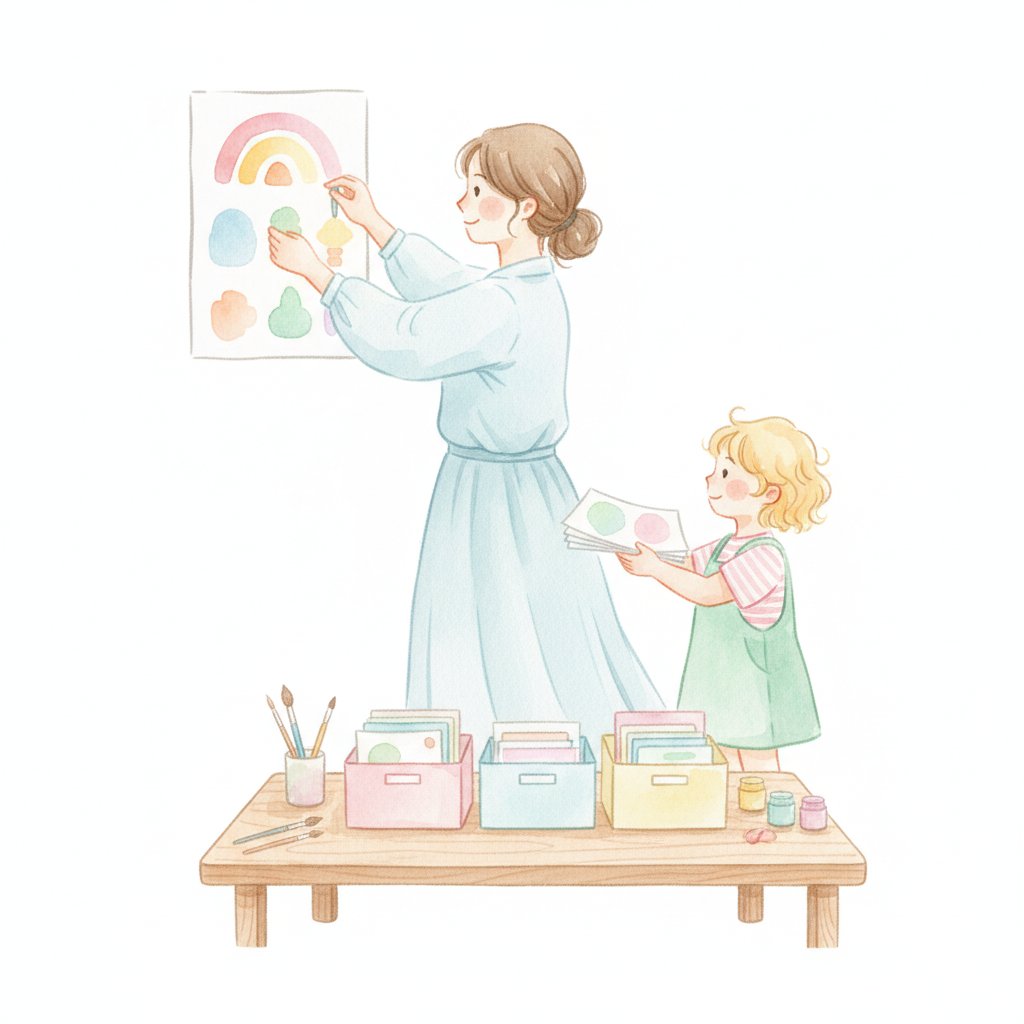
Step 2: Set up wall references. Put up your alphabet chart at children's eye level, a word wall with children's names and 5 to 10 high-frequency words, and "I can write a..." prompt cards with picture icons. Laminate everything — kindergarten environments are tough on paper displays.

Step 3: Organise writing tools. Set up materials in clearly labelled containers. Use picture labels rather than word-only labels since kindergarten children are pre-readers. Arrange paper in a vertical organiser with a picture on each slot (plain, lined, construction).

Step 4: Create a blank book station. Pre-make simple books by folding and stapling 3 to 5 sheets of paper. Store in a basket labelled with a book icon. Children love making books — it feels more substantial than a single sheet.

Step 5: Add a mailbox. A decorated shoebox or mail organizer gives writing an authentic audience. Children write letters to classmates and teachers. Designate a weekly "mail carrier" classroom job.

Step 6: Introduce the center. Tour the materials, model getting and returning them, demonstrate one writing activity, and explain clean-up expectations. Start with small groups before opening to the whole class.

Activities by Level

The most effective writing centers offer activities at multiple levels so every child finds something accessible.

Beginning Writers (Emergent)

Label the Picture. Provide picture cards and encourage children to write the first letter or any letters they hear. "C," "K," or "CT" for cat — all are celebrated.

Name Writing Practice. Name cards let children trace and copy their own names and friends' names — high-interest, personally meaningful writing.

Stamp and Write. Children use letter stamps to stamp a word, then copy it below. This bridges the gap between recognizing and forming letters.

Shopping Lists. Picture-word cards of common items let children "write" shopping lists. Even copying words from cards is valuable practice.

Developing Writers (Letter-Sound)

Sentence Starters. Cards with "I like...", "I can...", "My favourite..." Children complete the sentence using the word wall or inventive spelling.

Card Writing. Birthday, thank-you, and get-well cards give children real purposes for writing. Provide sample cards with simple messages they can adapt.

List Making. Favourite foods, animals at the zoo, playground rules — lists are low-pressure because they don't require complete sentences.

Label the Classroom. Children create labels for objects around the room. Authentic writing with real purpose.

Confident Writers (Early Fluency)

Book Making. Children plan, write, and illustrate simple books on topics they choose. Provide a planning page with spaces for title, characters, and plot.

How-To Writing. "How to Make a Sandwich," "How to Plant a Seed" — procedural texts that teach sequence words (first, next, then, last).

All About Books. Children choose a familiar topic and write informational pages. Combine these into a class encyclopedia.

Journal Writing. Personal journals give children a daily space to write about anything. Provide optional prompts but allow free writing too.

Organizing and Rotating Materials

A writing center that stays the same all year loses its appeal. A simple rotation system keeps things fresh.

Weekly Rotation

Monday: Refresh "I can write a..." prompt cards and add themed vocabulary to the word wall.

Wednesday: Swap one material. Replace stickers with stamps, or lined paper for postcards.

Friday: Add a topical writing challenge — "Write a card for someone who helped you this week" or "Write three things you learned about butterflies."

Keeping It Organized

Colour-coded bins. Red for pencils and crayons, blue for paper, green for special tools. Children sort by colour before they can read labels.

One-in, one-out rule. Materials go back in the same bin they came from. This single rule prevents the cascade of mixed-up materials.

Writing Center Manager job. One child per week checks that pencils are sharpened, paper is stocked, and materials are in the right bins.

Seasonal Refreshes

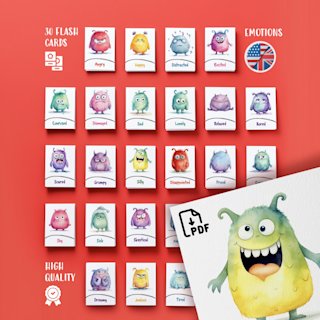
Four times a year, do a deeper refresh: autumn (fall vocabulary, emotion cards for new starters), winter (card-making supplies, review prompts), spring (garden vocabulary, observation journals), summer (memory book templates, letter-writing for friends). Our emotions and feelings flashcards are especially useful during transitions back after breaks when children need support naming big feelings.

Assessment Tips

What to Look For

Frequency. Track how often each child visits on a class checklist for one week each month.

Writing development. Collect date-stamped writing samples monthly. Over time, you'll see progression from scribbles to inventive spelling to conventional writing.

Independence. If most children need adult help getting materials or starting activities, your organisation system may need adjusting.

Simple Documentation

Writing folder. Each child has a folder for unfinished work — giving you an instant window into their current projects.

Observation notes. Keep a small notebook near the center. Quick notes like "Liam wrote his full name independently" or "Priya used inventive spelling for flower — FLR" inform your teaching and parent conferences.

Child self-reflection. Periodically ask "What did you write today that you're proud of?" Their answers reveal how they feel about themselves as writers.

When Children Avoid the Writing Center

Common reasons and quick fixes: fine motor frustration (try thicker tools or letter stamps), not knowing what to write (add more prompt cards), preferring social writing (allow clipboards for shared spaces), or overwhelming choices (reduce the number of options).

Free Printable Resources

These free printables give you ready-to-use materials for your kindergarten writing center.

Alphabet Reference Chart — A clear chart with a picture for each letter sound. Display at the writing table and keep a smaller version in each child's writing folder.

"I Can Write a..." Choice Cards — Picture cards showing writing options (list, letter, card, story, label, poem, sign, book). Display on a ring or in a pocket chart. When children say "I don't know what to write," point them here.

Writing Paper Templates — Three templates: paper with a picture box and widely-spaced lines, full-page lined paper, and a numbered list template with space for drawings.

Word Wall Starter Kit — The 25 most common kindergarten sight words on colour-coded cards. Start with 10 and add more as children learn them.

Name Card Templates — Write each child's name clearly on a card. Store alphabetically in a pocket chart or on a binder ring.

For additional materials that complement your writing center, browse our flashcards and learning cards collection. Vocabulary flashcards displayed nearby give children topic-specific words for their writing — animals, emotions, weather, and more.

Frequently Asked Questions

How much space do I need?

A small table seating 3 to 4 children with nearby wall space is sufficient. A portable writing caddy works for very tight classrooms. Materials matter more than square footage.

Should I correct spelling in the writing center?

Generally, no. The writing center builds confidence and fluency, not perfect spelling. Celebrate inventive spelling as evidence of phonemic awareness. Address specific patterns during explicit phonics instruction. Our free phonics worksheets for kindergarten provide structured practice that complements writing center freedom.

What if children only draw and never write?

Drawing is a legitimate pre-writing activity. Children who draw detailed pictures develop storytelling and sequencing skills that lead to writing. Encourage the transition by asking them to add "just one word" or "the first letter" as a label.

How do I manage supplies on a budget?

Ask families to donate basics, repurpose junk mail for cutting practice and greeting cards for inspiration, and use free printable resources. Our phonics games and flashcards replace expensive commercial materials.

Start Your Kindergarten Writing Center Today

A kindergarten writing center doesn't require expensive furniture or hours of preparation. It needs a small table, basic writing tools, visual references children can use independently, and activities that match the range of writing abilities in your class.

Start simple — paper, pencils, crayons, an alphabet chart, and a few prompt cards. Open the center with a clear introduction and see what happens. Add enrichment materials over the following weeks and rotate seasonally. Collect writing samples monthly. These small, consistent actions build a center that grows with your children.

Every day without a writing center is a day children miss the chance to see themselves as writers. Give them the space and they'll fill it with lists, letters, stories, and signs that show exactly what they're capable of.

Looking for more resources? Explore our emotions and feelings collection for SEL-focused writing prompts, try our free printable phonics games for letter-sound activities that feed into writing center work, and browse our printable flashcards to build vocabulary displays that inspire young writers.