Articles11 min read

Name Writing Practice for Kindergarten (Free Templates)

When my daughter started reception, her teacher told me the first writing milestone every child works toward is their own name. Not the alphabet. Not sight words. Their name. Why? Because a child's name is the most meaningful word they'll ever learn — it's their identity, their signature, their claim on the world. That conversation sent me down a rabbit hole of name writing practice strategies, and what I found changed how I support early writing at home.
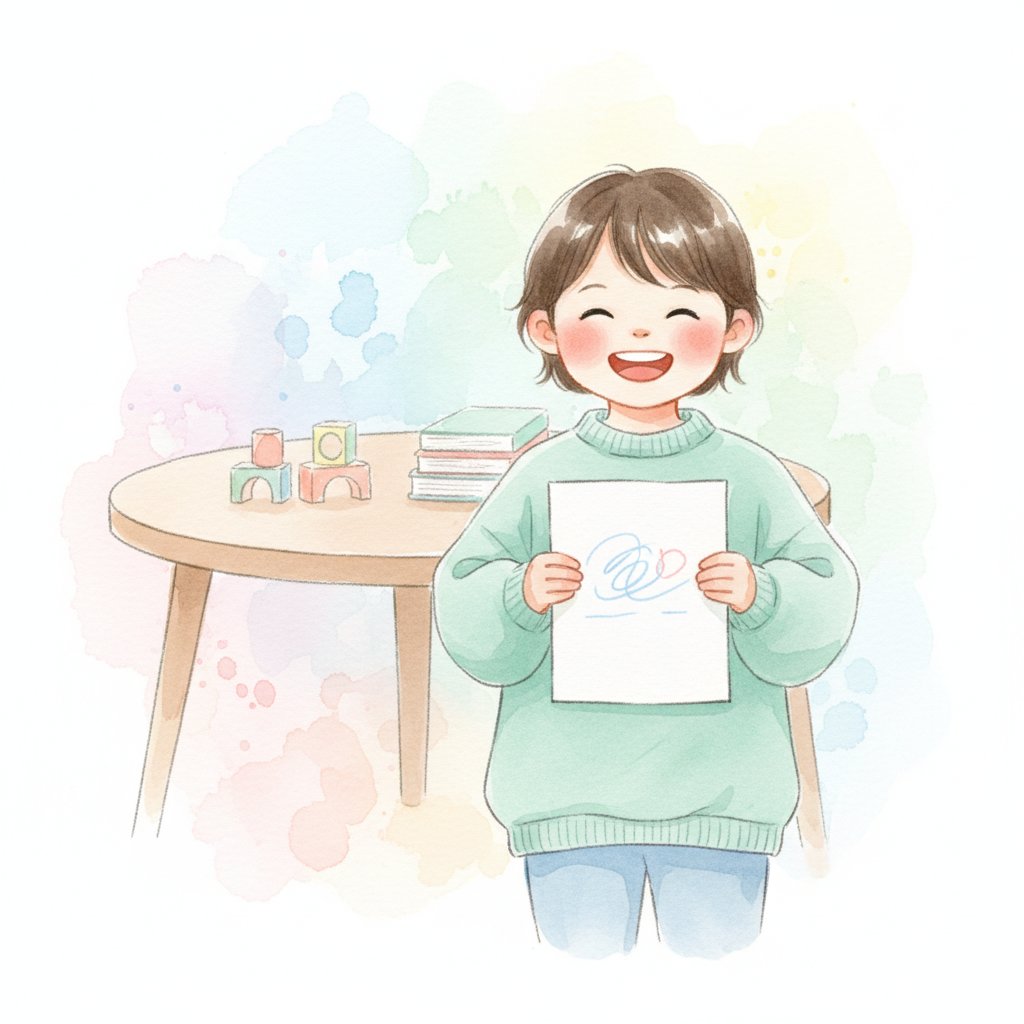
This guide shares everything I learned — and everything that actually worked. You'll find free printable templates for tracing, dotted-line practice, and blank independent writing, plus multisensory activities that make name writing feel like play rather than drill work. Whether you're a kindergarten teacher setting up writing centres or a parent supporting practice at home, these tools are designed for ages 4 to 6.

For more early learning printables, browse our Alphabet category or check out our guide to free phonics games for K-2.

Why Name Writing Is the First Writing Milestone

A child's name is deeply personal. Research by Dr Tessa McInnes at the University of Bristol found that children recognise their own name in print earlier than any other word — often before age three. That personal connection creates powerful motivation. A child who resists tracing random letters will often persist with their own name because the outcome matters to them.

What Name Writing Develops

Name writing practice isn't just about producing a legible name. It develops:

  • Letter formation: Correct stroke order for each letter in the child's name
  • Fine motor control: Pencil grip, hand stability, controlled pressure
  • Spatial awareness: Understanding letter size, spacing, and alignment
  • Left-to-right directionality: The foundational concept for all English writing
  • Confidence: The pride of writing something that is uniquely theirs

The National Association for the Education of Young Children (NAEYC) identifies name writing as a key indicator of emergent literacy development. Children who can write their name by the end of reception are statistically more likely to be reading on grade level by the end of Year 1.

Developmental Progression

Name writing follows a predictable sequence. Understanding this progression helps you match the activity to the child's stage:

StageWhat It Looks LikeTypical Age
Scribble writingRandom marks that the child labels as their name2–3
Letter-like formsWavy lines and shapes that resemble letters3–4
Random lettersActual letters, but not the ones in their name3.5–4.5
Partial nameSome correct letters, often first letter only4–5
Full name (with support)Can write name when tracing or copying4.5–5.5
Independent name writingWrites name from memory, legible5–6

Children move through these stages at different speeds. The key is providing the right level of support at each stage. For fine-motor foundations, see our scissor skills guide.

Free Printable Name Writing Templates

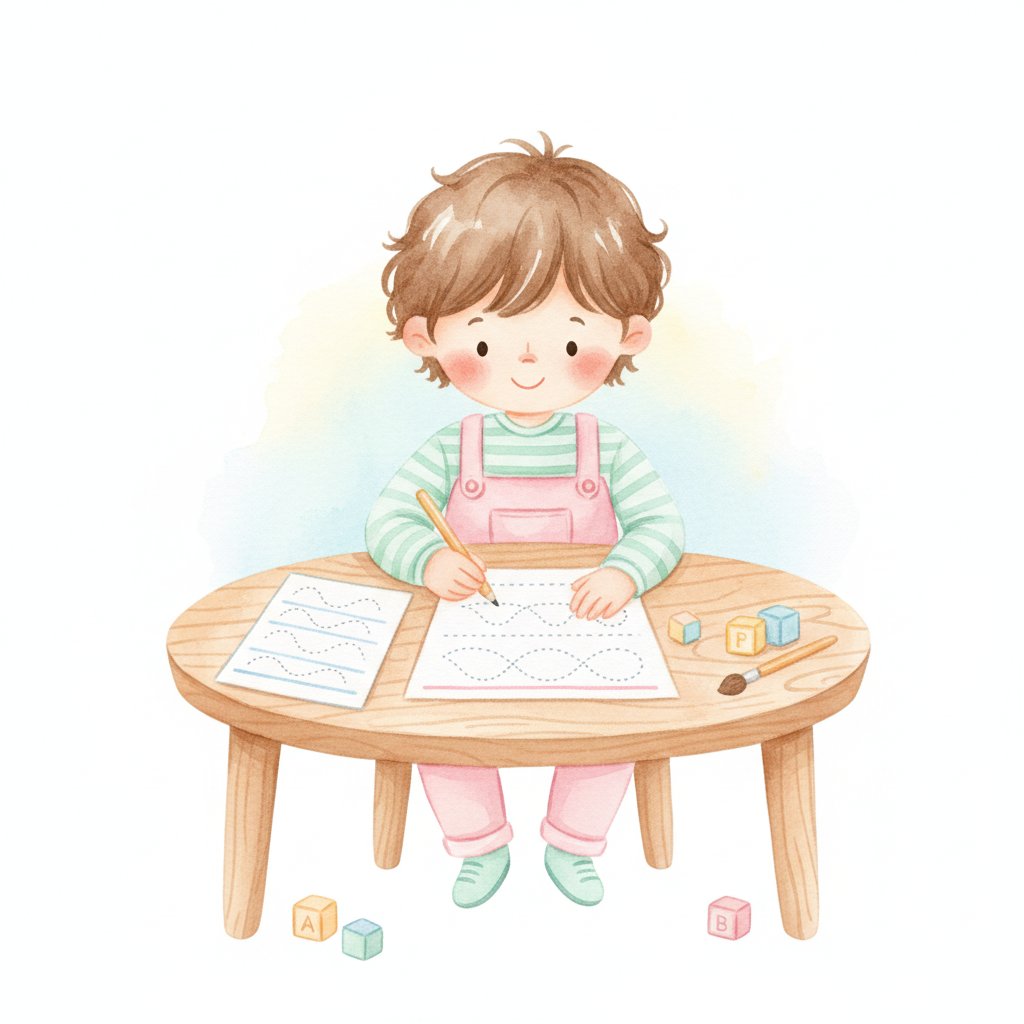
These templates follow a gradual-release model: full support → partial support → independent practice. Print on A4 paper and use with a standard pencil or dry-erase marker (if laminated).

Template 1: Tracing with Guided Arrows

Best for: Children at the "partial name" or "full name with support" stage.

Each letter in the child's name appears as a dotted outline with numbered stroke-order arrows. The child traces inside the dotted lines, following the numbered sequence. This teaches correct letter formation from the start — preventing the backward letters and bottom-up strokes that become hard to unlearn.

How to create it:

  1. Type the child's name in a dashed/tracing font (we recommend KG Primary Dots or ABC Print Arrow Dotted, both free for personal use)
  2. Add stroke-order numbers above each letter
  3. Repeat the name 4–6 times down the page
  4. Include one blank line at the bottom for a first attempt without tracing

Template 2: Dotted-Line Practice

Best for: Children who can trace but need support with size and spacing.

The child's name appears in dotted letters without arrows. This removes the visual scaffolding of stroke directions while maintaining the shape guide. Add a baseline, midline, and topline to help with letter sizing.

Layout tip: Include a "model" line (full name in solid print) at the top of each row, followed by 3–4 dotted-line repetitions, then a blank line for independent writing.

Template 3: Blank Lined Practice

Best for: Children at the "independent name writing" stage who need repetition.

Simple lined paper with a model name at the top and 6–8 blank lines below. The child writes their name from memory on each line. Include a midline for letter-height reference.

Template 4: Name Building Cards

Best for: Children at any stage, used as a supplementary activity.

Each letter of the child's name appears on a separate card. The child arranges the cards in the correct order, then traces or copies the result. This reinforces letter sequence — especially helpful for children with longer names.

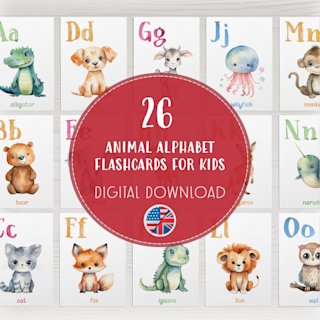
For alphabet reinforcement, our animal alphabet flashcards pair perfectly with name writing practice, giving children a fun way to practise letter recognition.

Multisensory Name Writing Activities

Worksheets are one tool. Multisensory activities engage the whole child — touch, movement, sight, sound — and create stronger neural pathways for letter memory. Try these alongside printable templates.

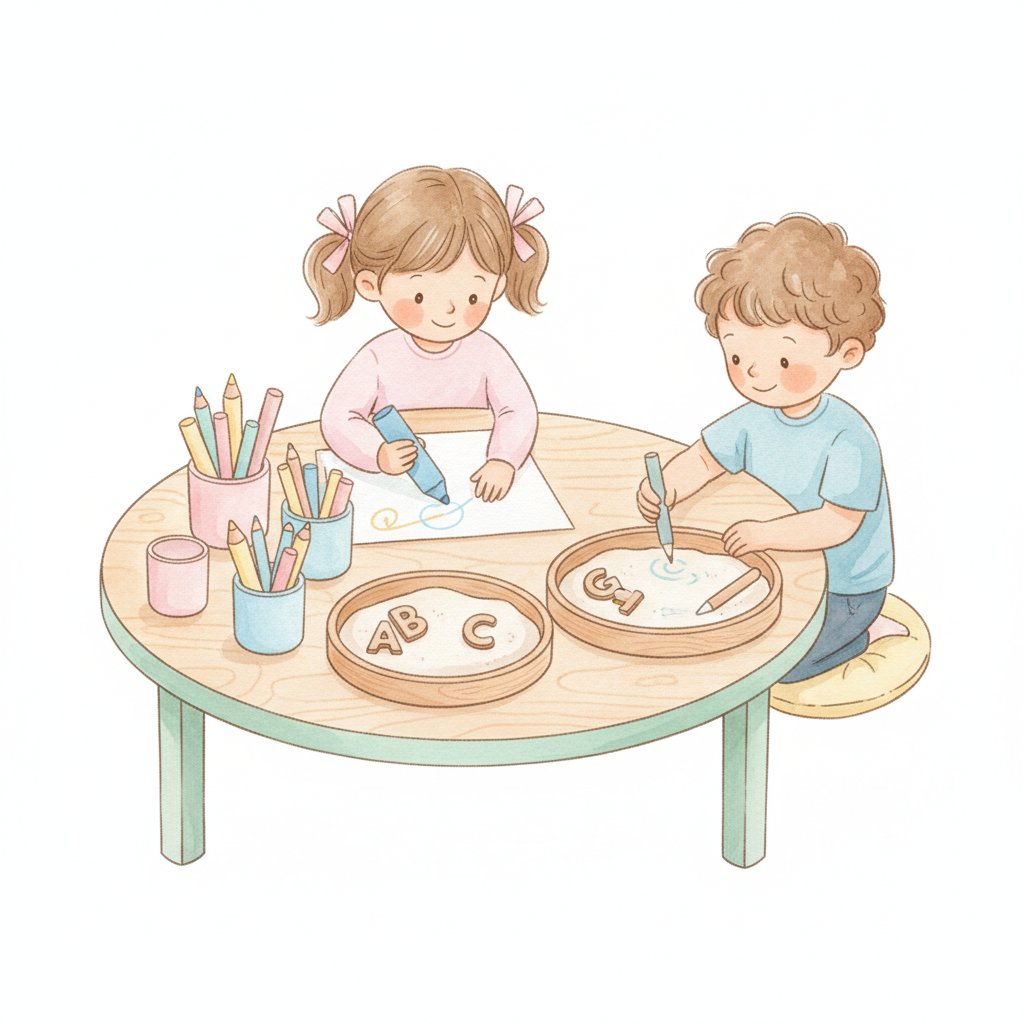
Sensory Tray Writing

Fill a shallow tray with salt, sand, or coloured rice. The child traces their name with their index finger. The tactile feedback reinforces letter shapes in a way pencil-on-paper cannot. Add a name card beside the tray for reference.

Variation: Fill the tray with shaving foam for an even more sensory experience. The smell, temperature, and texture create additional memory anchors.

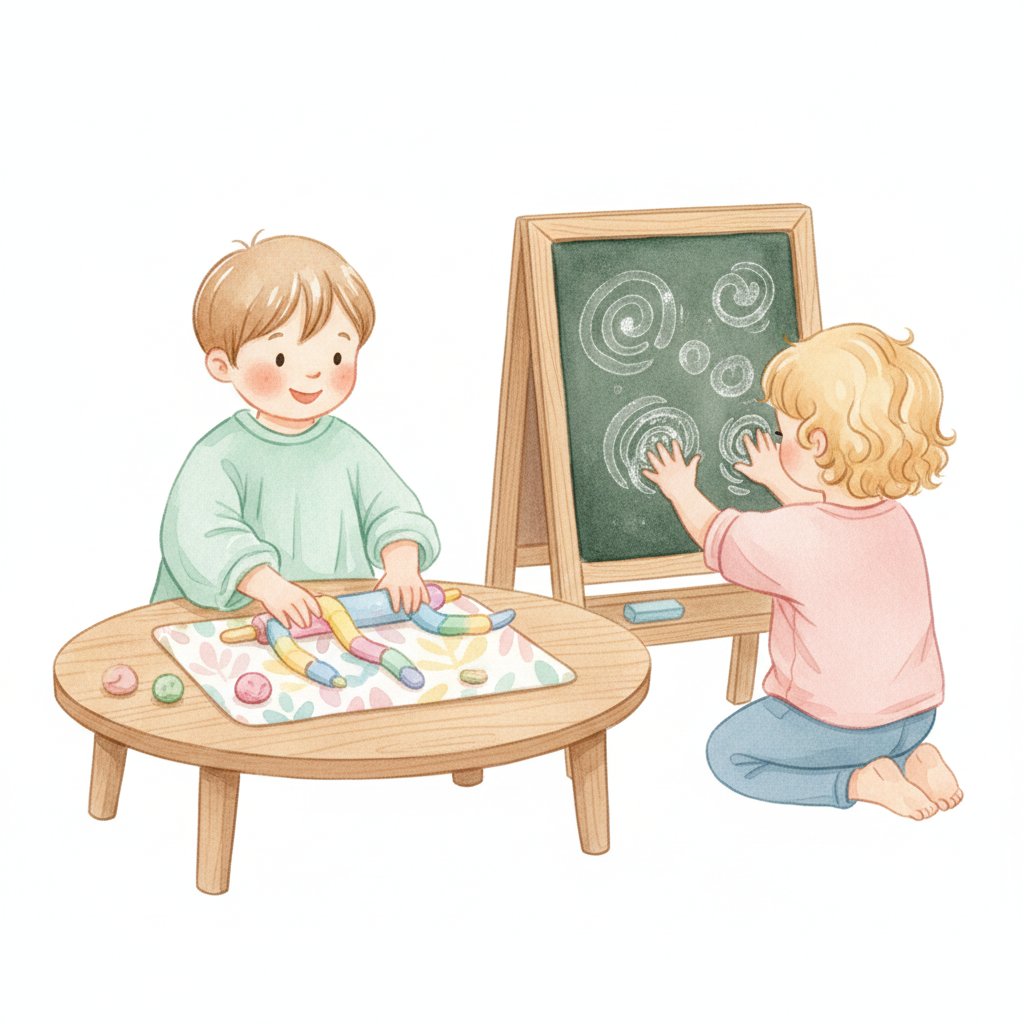
Play-Dough Name Building

Roll Play-Dough into "snakes" and form the letters of the child's name on a placemat. This builds hand strength (essential for pencil control) while reinforcing letter shapes. Older children can roll tiny balls of dough and press them into letter-shaped stamps.

Name Writing in the Air

Stand up and "write" each letter of the name in the air using the whole arm. Say the letter name aloud as you form it. This "skywriting" technique engages large-motor muscles and is particularly effective for children who struggle with fine-motor tasks.

Water Painting

Give the child a paintbrush and a cup of water. They "paint" their name on a concrete path, brick wall, or chalkboard. The letters appear, then slowly evaporate — creating a natural incentive to write the name again before it disappears. No mess, no paper, no pencils required.

Sticker Name

Write the child's name in large letters on paper. The child peels small stickers and places them along the letter outlines. This develops the pincer grasp (thumb-index finger coordination) that pencil grip requires, while the child traces the letter shapes with their eyes and hands simultaneously.

For more hands-on activity ideas, see our art activities for preschoolers guide.

Teaching Strategies That Work

Knowing what to practise is only half the battle. How you practise determines whether the child builds skill and confidence — or frustration and avoidance.

Start with the First Letter

Teach the first letter of the child's name first. This is the most powerful letter — it's the one that tells them "this is MY name." Master the first letter, then add subsequent letters one at a time. For a child named "Oliver," the sequence is: O → l → i → v → e → r.

Use the Child's Preferred Case

Teach name writing with a capital first letter followed by lowercase letters (e.g., "Emma," not "EMMA"). This is the format children will use throughout their lives. All-lowercase and all-uppercase are easier to produce but create a habit that must be broken later.

Short, Frequent Sessions

Five minutes of name writing practice, three times per week, is more effective than one 20-minute session. Fatigue sets in quickly with fine-motor tasks — you want to end each session while the child is still successful, not when they're frustrated.

Praise Effort, Not Perfection

"I can see you really tried to keep your letters on the line!" builds persistence. "That's not how you write an M" builds avoidance. Name writing is effortful for young children — the cognitive load of remembering letter shapes, motor planning, and spatial positioning is enormous. Celebrate every attempt.

Provide Visual References

Always display a correctly written model of the child's name at their eye level. This could be a name card on their desk, a label on their cubby, or a custom name strip on the wall. The visual reference supports independent practice and self-checking.

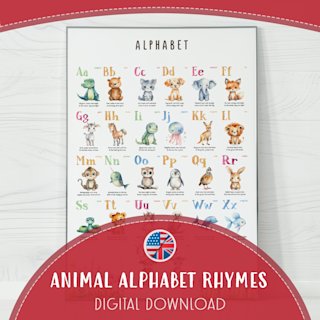
Our alphabet poster with animals and rhymes provides a permanent wall reference for letter formation that children can glance at while writing.

Setting Up a Name Writing Centre in Your Classroom

A dedicated name writing centre makes practice routine rather than occasional. Here's how to set one up in a kindergarten classroom.

Materials

  • Laminated name cards for each child (with tracing model and blank lines)
  • Dry-erase markers and erasers
  • Blank lined paper (midline and topline)
  • Sensory tray (rotating materials: salt, sand, rice, foam)
  • Name building cards (individual letters on cardstock)
  • Crayons, coloured pencils, and chunky pencils for variety

Organisation

Store each child's materials in a personal folder or zip bag labelled with their name (in the correct writing model). Children collect their folder, practise independently or with a partner, and return it when done.

Rotation Schedule

Include the name writing centre in your daily rotation for the first six weeks of school. After that, reduce to three times per week as children gain independence. By mid-year, most children will only need occasional practice.

Assessment

Collect a name writing sample every two weeks. Date-stamp and file. This creates a visible record of progress that's invaluable for parent conferences and SEN referrals. Look for improvements in: letter formation, size consistency, spacing, and independence (can they write without the model?).

For more classroom organisation tips, see our classroom art supply organisation guide and our kindergarten daily schedule template.

Supporting Children Who Struggle with Name Writing

Some children find name writing genuinely difficult — and it's rarely because they're "not trying." Fine-motor delays, visual processing differences, and working memory challenges can all make writing harder. Here's how to support them.

Adjust the Tool, Not the Expectation

If a child struggles with a standard pencil, try:

  • Chunky triangular pencils — easier to grip for small hands
  • Pencil grips — guide finger placement
  • Dry-erase markers — less friction than pencil, so less hand fatigue
  • Tracing with fingers first — remove the writing tool entirely and let the child trace with their finger on textured surfaces

Shorten the Task

If a child has a long name, practise one or two letters at a time. A child named "Alexandra" doesn't need to write the full name in every session. Practise "Al" on Monday, "ex" on Tuesday, and so on. Build toward the full name over several weeks.

Use the Child's Interests

If a child loves dinosaurs, write their name on dinosaur-shaped paper. If they love a specific colour, let them choose the pencil. Motivation is half the battle — use whatever sparks engagement.

Check for Underlying Difficulties

If a child has been practising regularly (three times per week for eight weeks) with appropriate support and shows no improvement, consider:

  • A fine-motor screening by an occupational therapist
  • A vision check (visual tracking affects writing)
  • An assessment for dyspraxia or working memory difficulties

Early identification leads to early intervention — and that makes a significant difference in outcomes.

Letter Recognition Meets Name Writing
Our animal alphabet flashcards with rhymes help children master letter shapes — the building blocks of name writing. Print, cut, and start matching letters to sounds.

Frequently Asked Questions

When should a child be able to write their name?

Most children can write their first name independently by age 5–5.5 (the end of reception). Some achieve this earlier, some later. The developmental range is wide and normal. If a child cannot write any letters of their name by age 5.5, consult their teacher about additional support.

Should I teach uppercase or lowercase letters?

Teach a capital first letter followed by lowercase (e.g., "Sophie"). This is the format used throughout life. Teaching all-uppercase creates a habit that must be retrained later, which is frustrating for the child.

How long should each practice session be?

Five minutes for ages 4–5, up to ten minutes for ages 5–6. End while the child is still successful. Fatigued handwriting practise teaches poor habits — the child resorts to inefficient grips and movements when tired.

My child can trace but can't write independently. Is that normal?

Yes, absolutely. The gap between tracing and independent writing can be several months. Continue with tracing while gradually increasing the "blank space" — reduce dotted lines to faded grey, then to a model name at the top of the page only. The transition happens naturally.

What if my child writes letters backwards?

Backward letters are developmentally normal through age 7. Don't correct every instance — it creates anxiety. Instead, provide a correctly written model and gently point out the difference: "Look, your 'S' goes this way. Let me show you." Consistent modelling is more effective than repeated correction.

Can I use these strategies for children learning to write in other languages?

Yes. The multisensory activities (sensory trays, air writing, Play-Dough) work for any alphabet. For non-Latin scripts (Arabic, Mandarin, etc.), adapt the templates to the correct stroke order and writing direction of the target script.

Start Writing Today

Name writing practice for kindergarten doesn't require expensive materials or special training. A printed template, a pencil, and five minutes of daily consistency are enough to build this foundational skill. The free templates in this guide cover every stage — from tracing with arrows to independent writing on blank lines.

Remember: the goal isn't perfect handwriting. The goal is a child who sees their own name on paper and thinks, "I made that." That moment of ownership is where writing begins.

For more early learning resources, explore our Alphabet flashcards with animal rhymes, browse our complete Alphabet category, or check out our free phonics worksheets for kindergarten.

Build Early Literacy with Every Letter
From alphabet posters to flashcard sets, our watercolor learning resources support every step from letter recognition to name writing. Instant download, print at home.