Number Recognition Activities for Ages 3–4
At this age, activities should be play-based, sensory-rich, and short (3–5 minutes per activity). Focus on numerals 1–5 only.
Activity 1: Number Hunt
Materials: Number cards 1–5, a basket or bag.
How to play: Hide number cards around the room. The child searches for them. When they find a card, they name the number (with help if needed) and collect it in their basket. Once all five are found, line them up in order.
Why it works: Movement-based learning engages the whole body. The search-and-find format is inherently motivating. The ordering step at the end introduces sequencing.
Extension: Add the corresponding quantity of objects next to each card — three buttons next to the "3" card, five leaves next to the "5" card.
Activity 2: Number Dab and Count
Materials: Printable number sheets (numerals 1–5 with corresponding dot circles), bingo daubers or dot stickers.
How to play: The child identifies the numeral, then presses the dauber or sticks a dot on each small circle next to it, counting aloud as they go.
Why it works: Combines visual recognition (seeing the numeral) with one-to-one correspondence (matching each dot to a count word). The dauber or sticker adds a satisfying physical action.
Activity 3: Play-Dough Number Moulding
Materials: Play-Dough, number flashcards or printed number outlines.
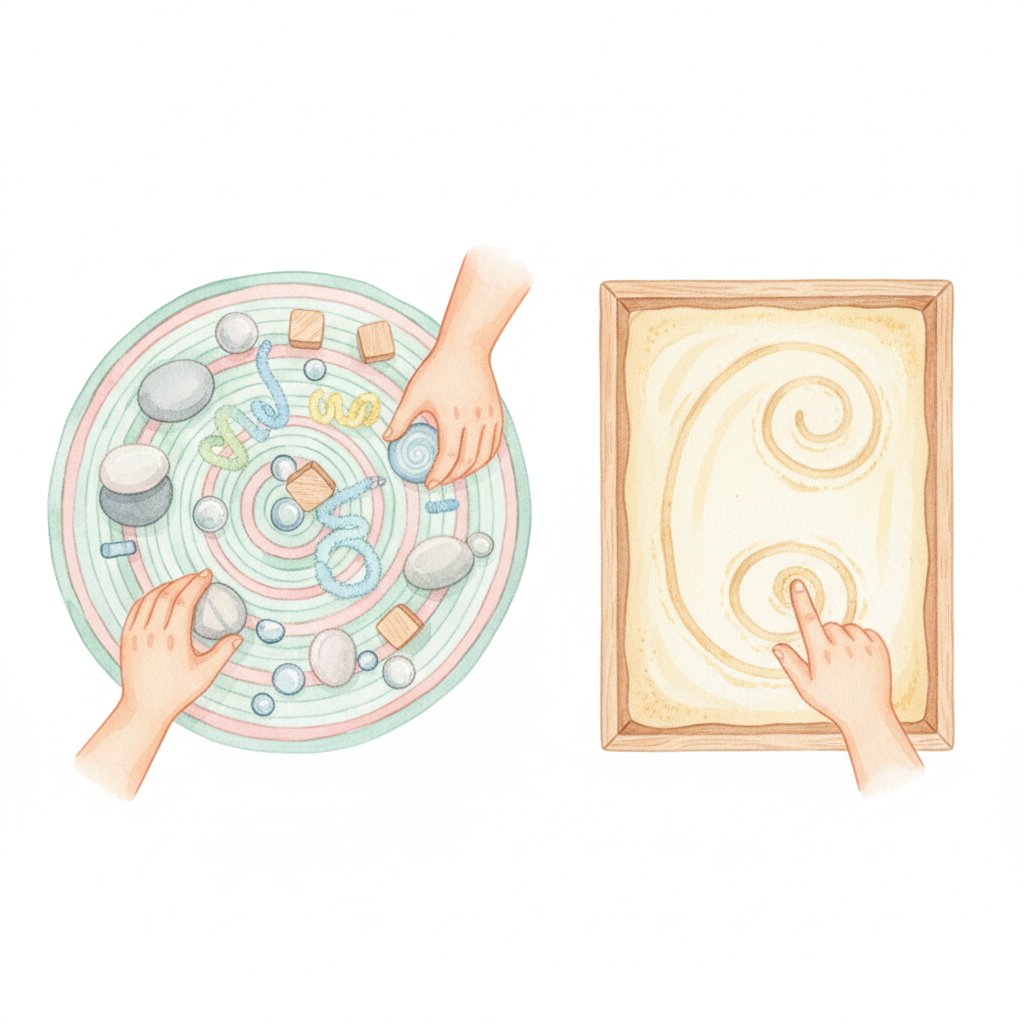
How to play: The child rolls Play-Dough into "snakes" and forms the numeral on top of a printed outline. Say the number name as they build it.
Why it works: Tactile learning reinforces symbol memory through muscle engagement. The child physically experiences the shape of each numeral — the straight line of "1," the curve and straight of "2," the two curves of "3."
Activity 4: Number Sorting
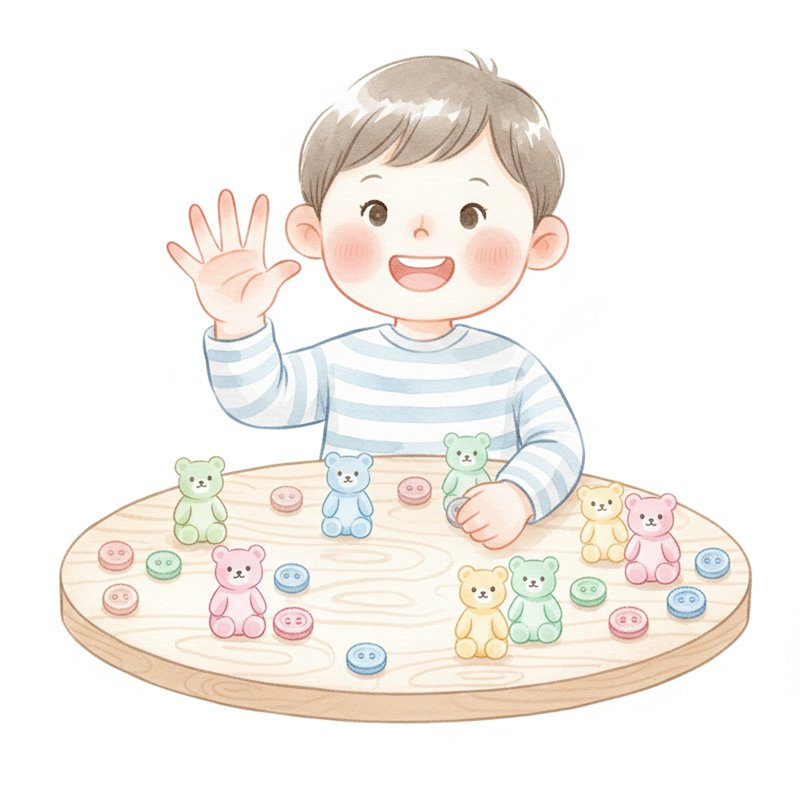
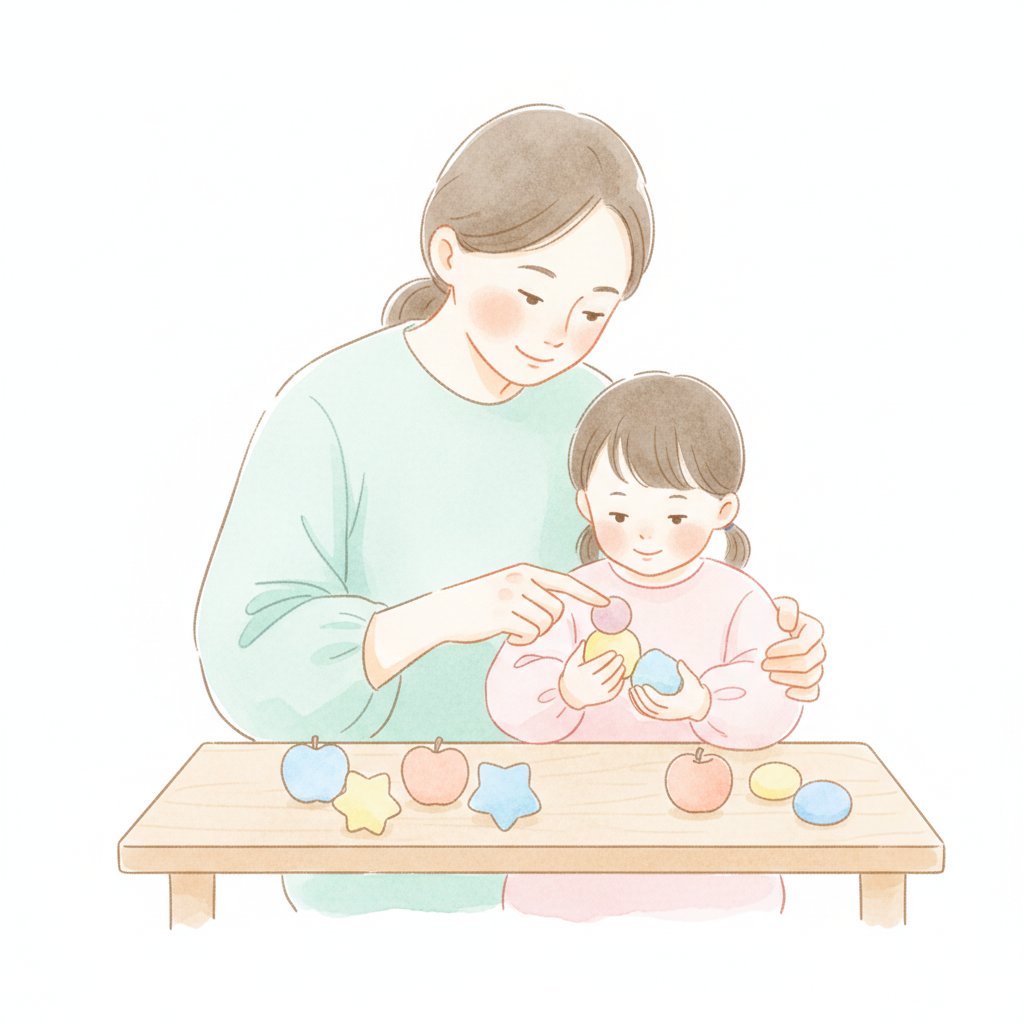
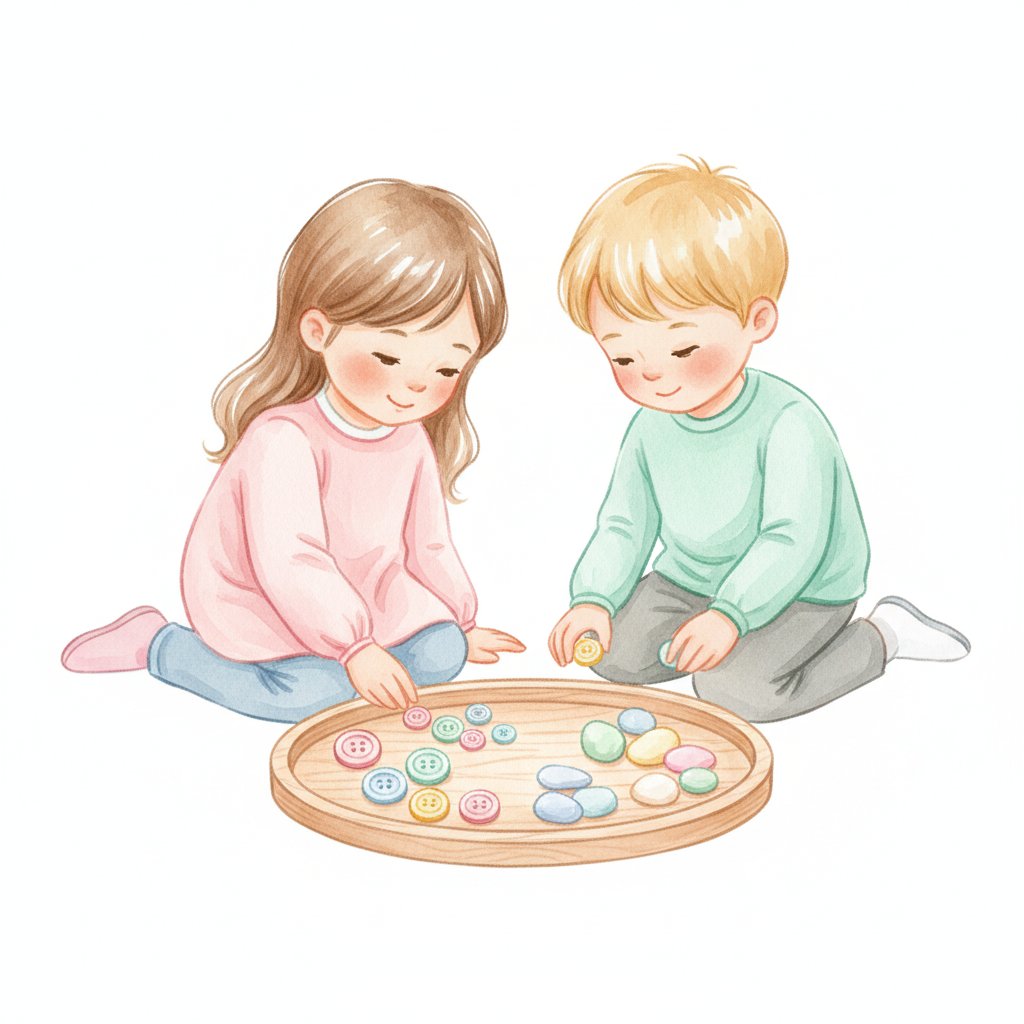
Materials: A collection of small objects (buttons, pebbles, dried pasta), number cards 1–5.
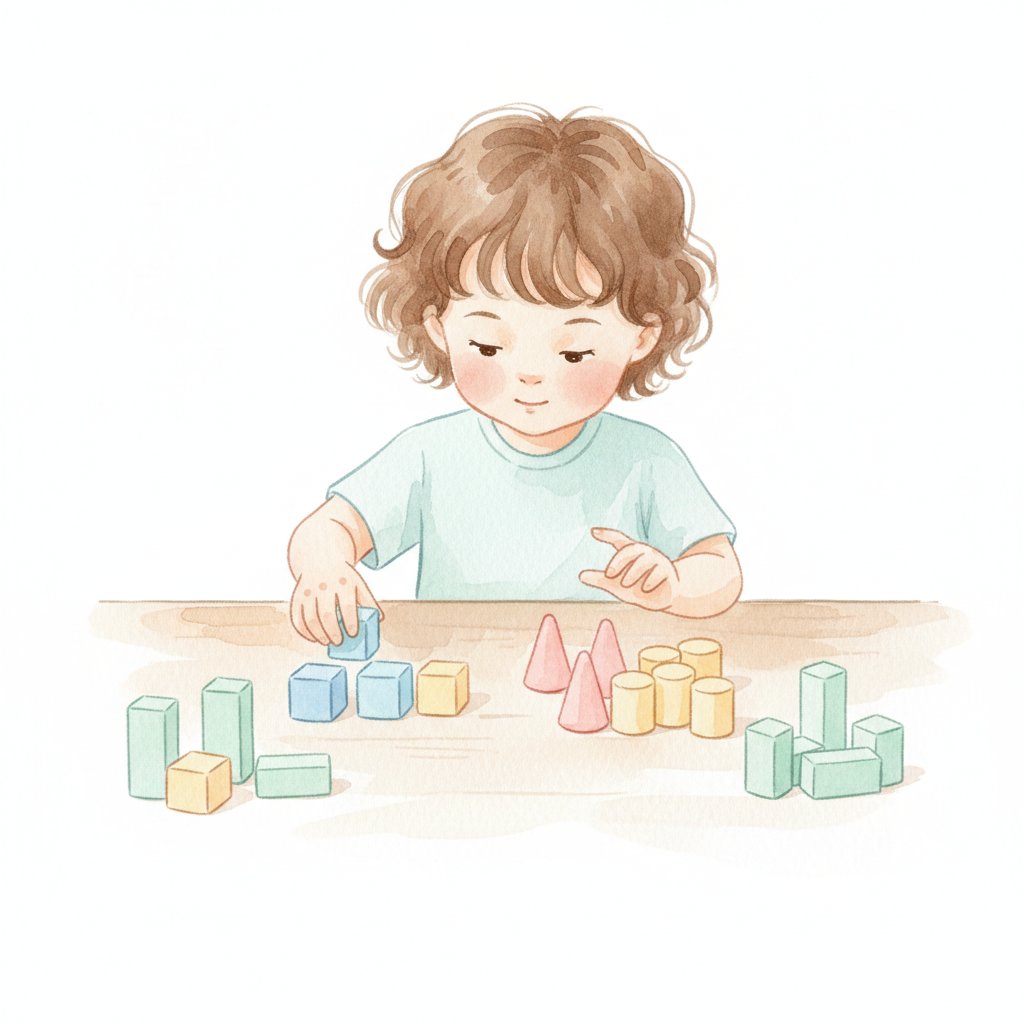
How to play: Place number cards in a row. The child sorts the objects into groups matching each number — one button on the "1" card, two on the "2" card, etc.
Why it works: This activity directly connects symbol to quantity — the core of number recognition. The physical sorting action makes the abstract concept concrete.
For more fine-motor activities that pair with number learning, see our scissor skills guide.