The Four-Week Rotation That Changed How I Teach Fine Motor
For two years I watched the same pattern every September: a handful of new preschoolers sailed through our kindergarten-readiness screening, and a handful struggled to hold a pencil, cut on a line, or button a smock. The difference was almost never intelligence. It was hand strength and coordination.
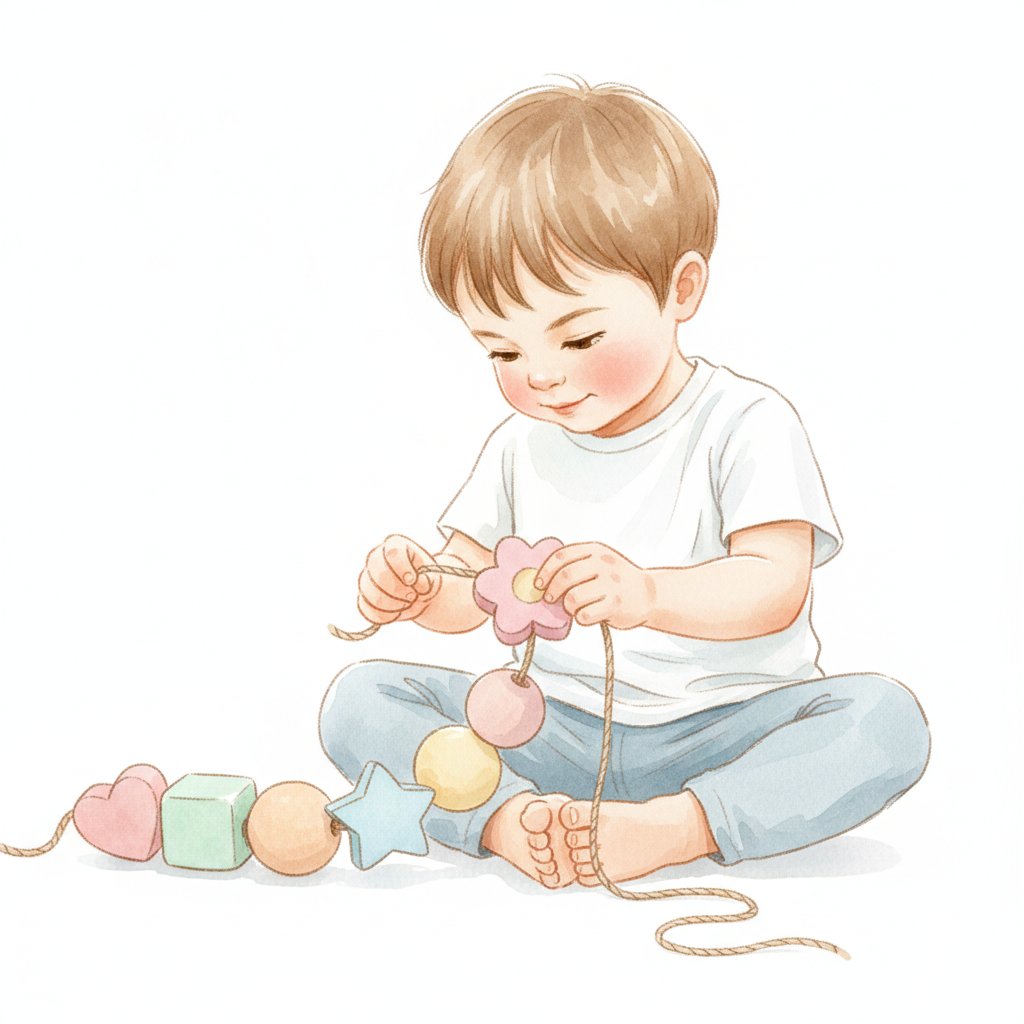
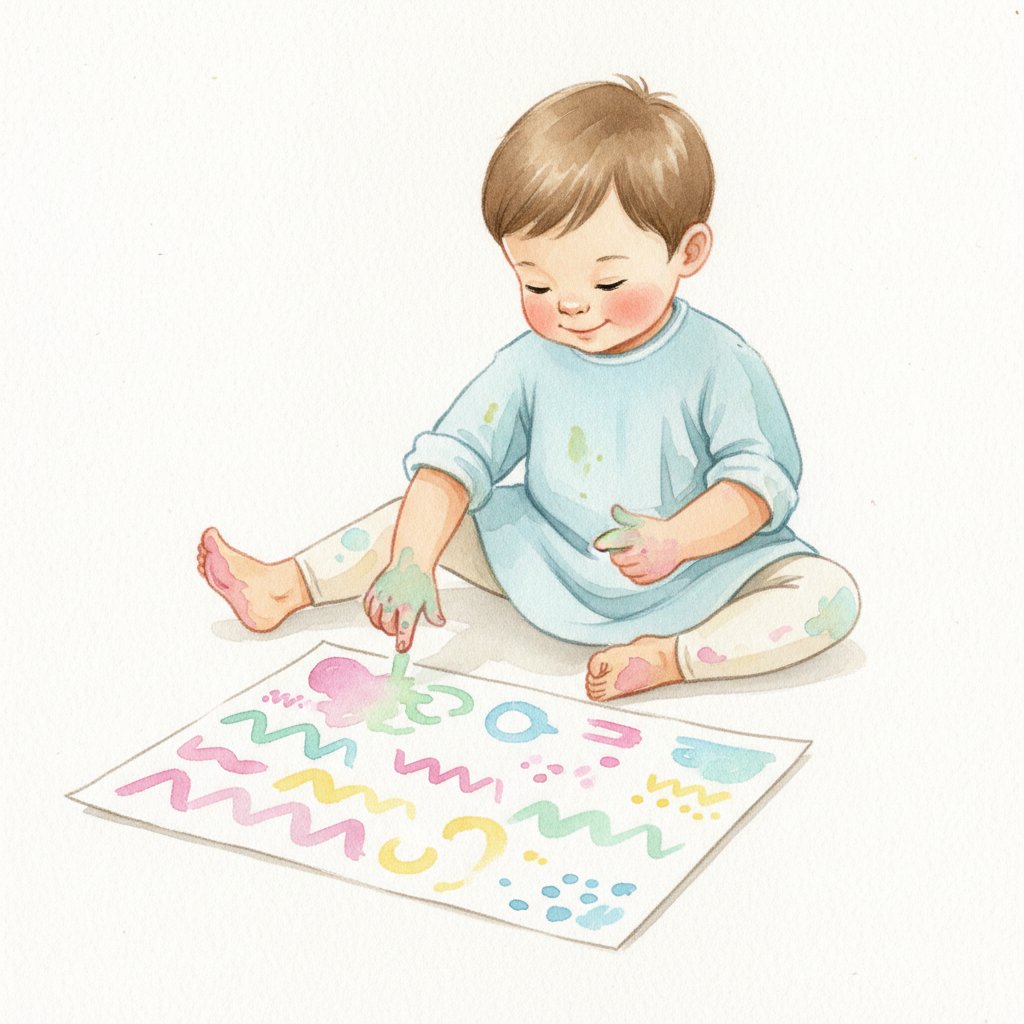
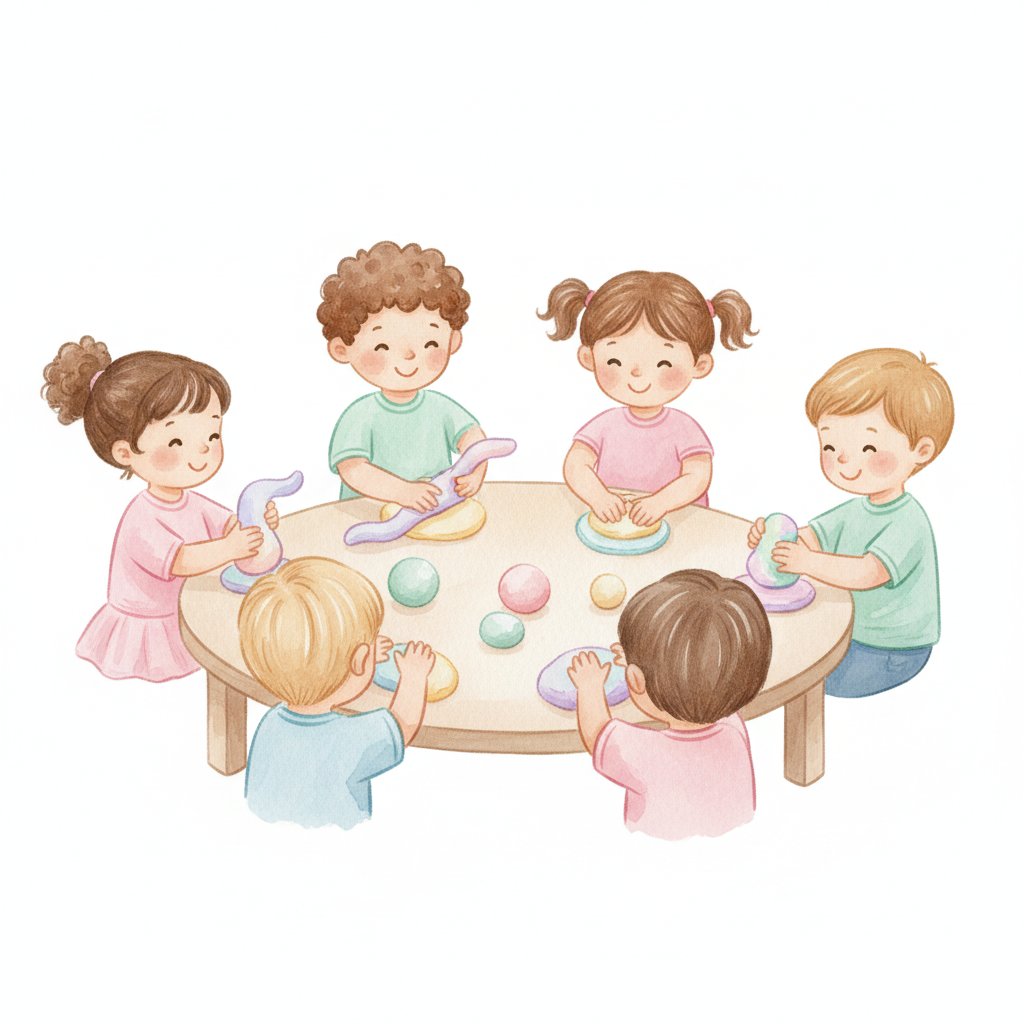
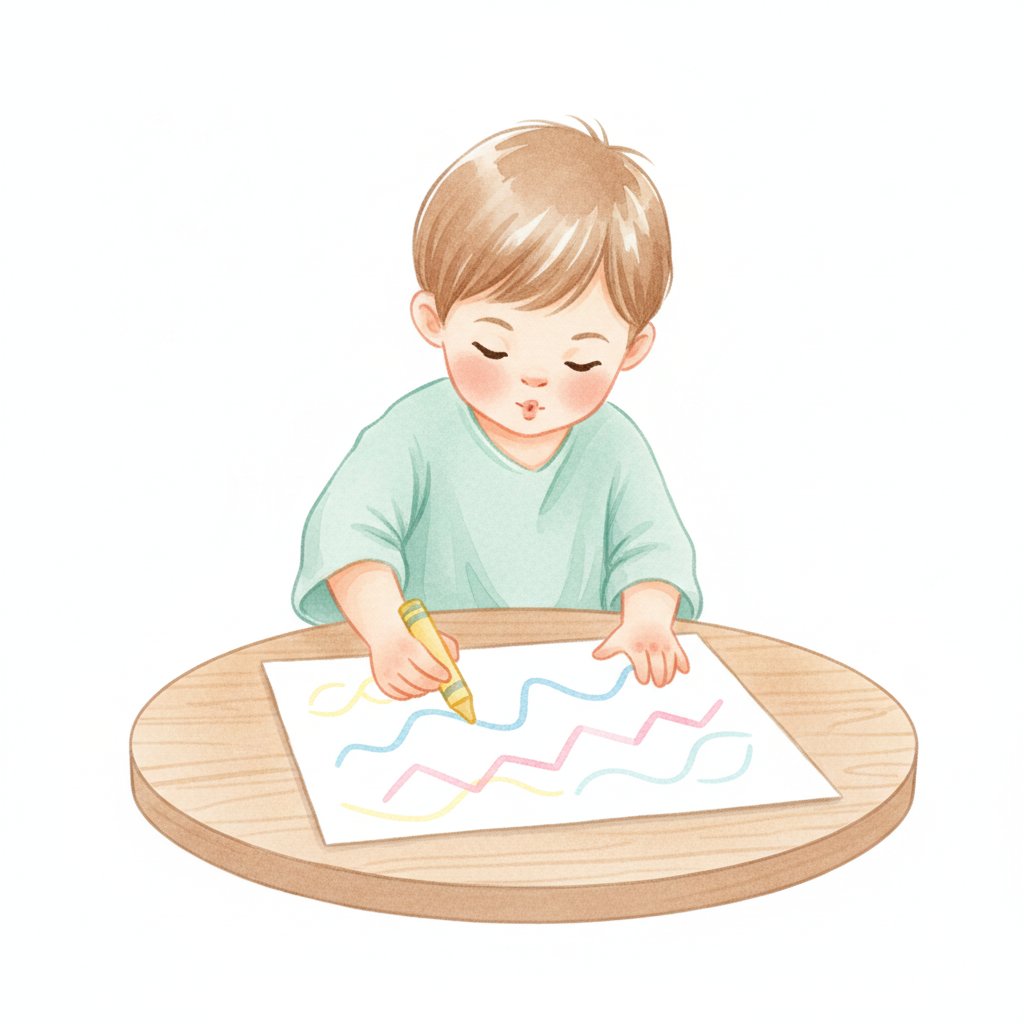
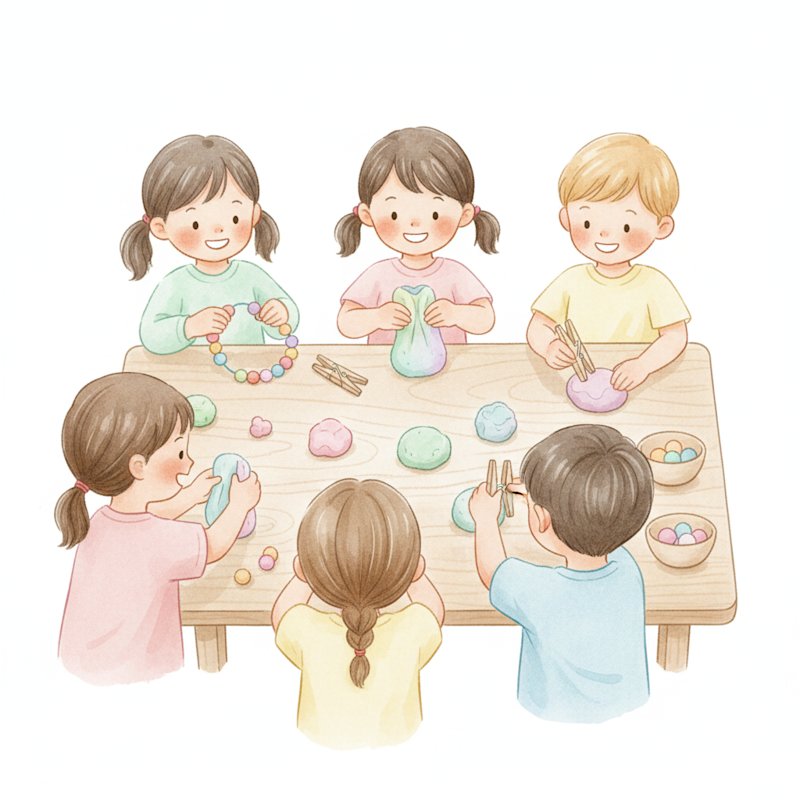
So I ran an experiment. For four weeks I rotated twelve children, ages 3 to 5, through six fine motor stations — one per skill category. Each child spent ten minutes a day at a station before rotating. I tracked two things: pencil grip (fist vs. tripod) and whether they could cut along a straight four-inch line. After four weeks, nine of the twelve had moved from a full-fist grip to a functional tripod grip, and eleven could cut the line cleanly. The two who didn't improve both turned out to need an occupational therapy referral — the stations had surfaced a real delay, not laziness.
That rotation taught me the framework I use in this guide. Fine motor skills are not one ability — they are six distinct categories, and a child who is strong in one can still be weak in another. The American Academy of Pediatrics is clear that fine motor development follows a predictable timeline but needs regular, varied practice to stay on track for school.
Fine motor skills are the physical foundation for everything a child is asked to do in school: holding a pencil, using scissors, opening a lunchbox, zipping a coat, and forming letters. This guide organizes fine motor activities for preschoolers around the six developmental categories, gives you age-banded milestones for ages 3-5, and shows you how to fold each category into ordinary play.
Pair it with our handwriting activities for pencil grip, our scissor skills cutting guide, and our kindergarten readiness checklist to see exactly where fine motor fits in the bigger school-readiness picture.