Articles14 min read

How to Prevent Summer Slide in Kindergarten: A Parent's Complete Guide

The research is clear — children who do zero academic activities over summer break lose 2-3 months of reading and math skills. Here is exactly what you can do about it, starting today, with free printables and a daily routine that takes 20 minutes.

How to Prevent Summer Slide in Kindergarten

Last June, my five-year-old finished kindergarten reading simple sentences and writing her name proudly in uppercase and lowercase letters. By mid-August, she was guessing at words she had read fluently in May and her letters looked wobbly. I am a teacher, and my own child slid backward over the summer. That experience sent me digging into the research, and what I found changed how our family approaches every school break.
The summer slide is the academic regression that happens when children stop practising reading, writing, and math skills during the long summer holiday. It is not a myth or an exaggeration — a meta-analysis of 39 studies published in the American Educational Research Journal found that children lose, on average, the equivalent of one month of school-year learning over summer. For children from lower-income families, the loss is even steeper: up to three months. The gap compounds year after year, and by fifth grade, summer learning loss accounts for roughly half of the achievement gap between socioeconomic groups.

But here is the good news: the slide is entirely preventable. You do not need a tutor, an expensive summer camp, or three hours of daily worksheets. A structured 15-20 minute daily routine — a mix of reading, a quick phonics or math activity, and something creative — is enough to hold ground and even build new skills before September.

This guide covers the research behind the summer slide, the specific skills your kindergartener needs to maintain, and a ready-to-use weekly routine with free activity suggestions. For a head start, grab our free 10-page summer learning sample — it includes alphabet tracing, number practice, and a colouring page you can print today.
What Is the Summer Slide?

The summer slide — also called summer learning loss or summer setback — refers to the decline in academic skills that occurs when children are out of school for an extended break without regular academic practice.

The Numbers That Matter

Researchers at the RAND Corporation and the National Summer Learning Association have tracked this phenomenon for decades. Here are the key findings that every parent should know:

  • Reading: Children who do not read during summer lose approximately 2 months of reading achievement. Children who read 4-6 books over summer maintain or gain ground.
  • Math: Math skills decline more steeply than reading — an average of 2.6 months of math learning is lost over a single summer break, because math is less likely to be practised informally than reading.
  • Compounding effect: By the end of primary school, children who experience summer learning loss every year can be 18 months behind their peers who maintained skills over breaks.
  • Recovery cost: Teachers spend an estimated 4-6 weeks each autumn re-teaching material students forgot over summer.

Why Kindergarten Is a Critical Window

Kindergarten is the year when most children learn to read, write, and do basic arithmetic. These are foundational skills — everything that follows (reading comprehension, multi-digit addition, writing paragraphs) depends on them. When a child loses ground in kindergarten, first grade becomes significantly harder.

The specific skills at risk for incoming first graders:

SkillWhat Was Learned in KWhat Happens Without Practice
Letter soundsAll 26 letters + common soundsConfusion between similar-looking letters (b/d, p/q)
CVC word readingBlending consonant-vowel-consonant words (cat, pin, mop)Reverts to guessing from pictures instead of decoding
Sight words20-50 high-frequency wordsForgets words that were previously automatic
Number senseCounting to 100, number recognition to 20, basic additionLoses counting fluency, reverses digits
HandwritingLetter formation, name writingGrip regresses, letter reversals increase
Fine motorCutting, colouring, tracingPencil grip weakens, stamina drops

The 20-Minute Summer Learning Routine

You do not need to recreate school at home. A short, consistent routine works better than long, sporadic study sessions. Here is the structure I use with my own children — and that I recommend to the parents in my class every May.

The Daily Three (15-20 minutes total)

1. Read together (5-10 minutes)
Read aloud to your child, have them read to you, or do a combination. The key is daily exposure to text. Visit the library weekly and let your child choose books — motivation matters more than level.

2. One skill activity (5-7 minutes)
Rotate through:

  • Monday: Phonics (letter sounds, CVC words, or a page from our free phonics worksheets for kindergarten)
  • Tuesday: Math (counting objects, simple addition with manipulatives, number tracing)
  • Wednesday: Writing (name writing, sentence copying, journal entry about the day)
  • Thursday: Fine motor (colouring, cutting practice, playdough, sticker activities)
  • Friday: Review game (flashcard speed round, scavenger hunt for things that start with specific letters)

3. Something creative or active (5 minutes)
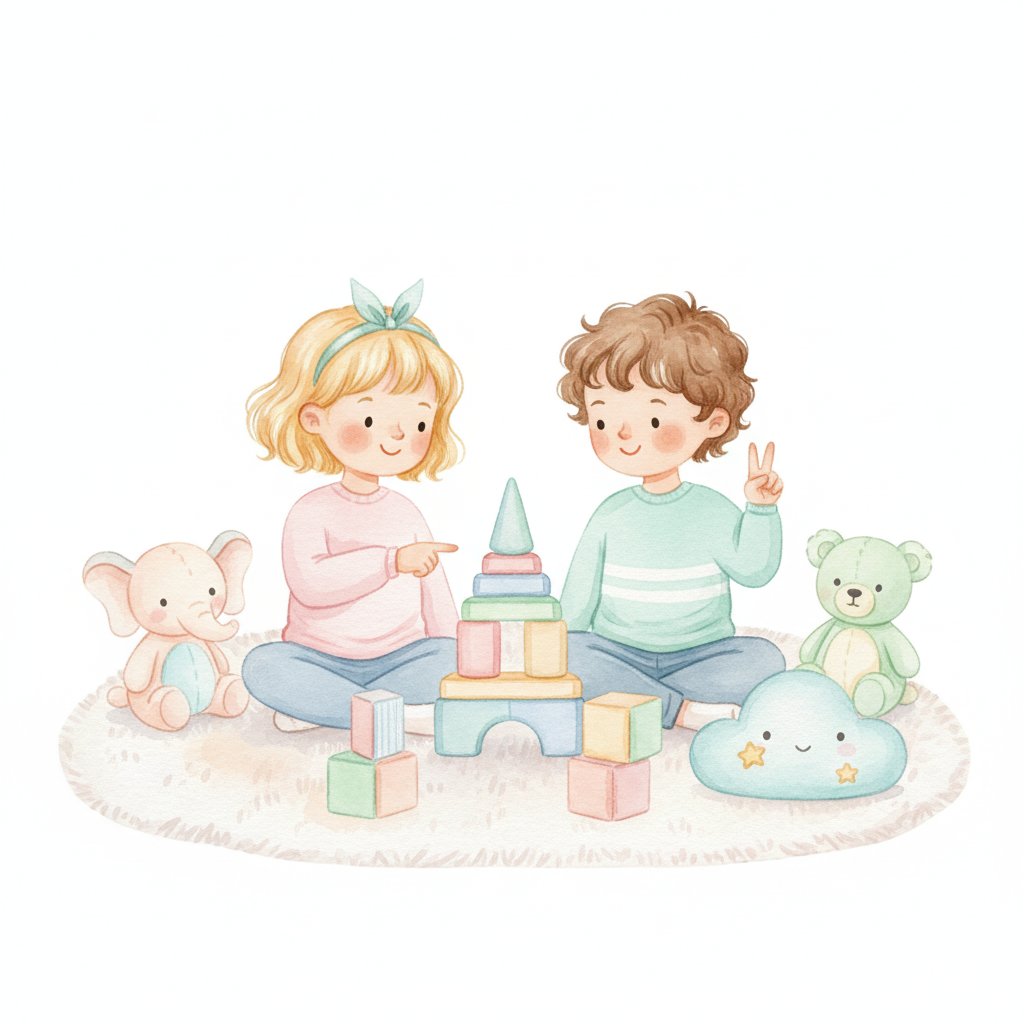
A quick art activity, building with blocks, dancing to a counting song, or playing "I Spy" with letter sounds. This is not filler — creative play reinforces learning through a different pathway.

A Realistic Weekly Schedule

DayReadingSkill ActivityCreative/Active
Monday10 minPhonics worksheetPlaydough letters
Tuesday10 minCounting game (count snacks, steps, toys)Colouring page
Wednesday10 minWrite name + one sentenceScissor skills activity
Thursday10 minNumber tracingNature walk (find shapes outside)
Friday10 minReview flashcardsFree art time
SaturdayLibrary visit + read-aloud
SundayRead-aloud

This schedule takes roughly 15-20 minutes per weekday and leaves weekends for family time. The library visit on Saturday is the most important non-negotiable — children who choose their own books read more voluntarily.

Reading Skills to Maintain Over Summer

Reading is the single most important skill to protect. Children who read (or are read to) daily over summer maintain their reading level or improve. Children who stop reading lose ground quickly.

Phonics Practice (Decoding)

Your kindergartener spent the year learning letter sounds and blending them into words. Without regular practice, these newly-formed neural pathways weaken. The fix is simple: have your child read aloud to you for 5 minutes daily.

Use decodable books (books where the text uses only the phonics patterns your child has learned) rather than leveled readers that encourage guessing from pictures. If your child learned CVC words in kindergarten, they should read books with CVC words — not books with long vowels and complex spelling patterns.

Our free phonics worksheets for kindergarten provide structured CVC and letter-sound practice you can print at home.

Sight Words

Most kindergarteners learn 20-50 sight words during the school year. These are high-frequency words that cannot be easily sounded out: the, was, are, said, of, to. Because they appear in virtually every sentence children read, forgetting them slows reading to a painful stop-and-start crawl.

Quick sight word practice: Write 5-10 sight words on index cards. Flash them once a day. If your child gets one wrong, tell them the word and move on. No pressure, no testing — just exposure. Swap in new words weekly.

Read-Aloud Time

Even after children learn to read independently, read-aloud time is essential. It builds vocabulary, models fluent reading, and keeps children engaged with stories. Aim for 15-20 minutes of read-aloud daily in addition to the 5 minutes your child reads to you.

Great read-aloud books for the summer before first grade:

  • Frog and Toad Are Friends by Arnold Lobel (classic, gentle humour)
  • Elephant & Piggie series by Mo Willems (dialogue-heavy, fun to read together)
  • The Magic Tree House series by Mary Pope Osborne (chapter books to stretch listening stamina)
  • National Geographic Little Kids First Big Book of Animals (non-fiction, high interest)

Math Skills to Maintain Over Summer

Math slides harder than reading because most parents naturally read with their children but rarely practise maths outside of homework. A few minutes of daily number work makes a measurable difference.

Counting and Number Recognition

By the end of kindergarten, most children can count to 100 and recognise numbers to 20. Over summer, practice:

  • Counting objects: "How many grapes are on your plate? Let's count." (one-to-one correspondence)
  • Number hunt: "Find the number 7 somewhere in this room." (number recognition in context)
  • Counting on: "We have 5 apples. If I buy 3 more, how many? Let's count on from 5: six, seven, eight." (addition concept)
  • Skip counting: Count by 10s to 100, then by 5s. Use a daily calendar printable to practise counting days.

Basic Addition and Subtraction

Use physical objects, not worksheets, for this age group:

  • Addition with snacks: "You have 4 crackers. I give you 2 more. How many?"
  • Subtraction with toys: "You have 6 cars. You drive 2 away. How many are left?"
  • Number line hopping: Draw a number line on the ground with chalk. Your child stands on a number and hops forward or backward.

These activities teach the concept of addition and subtraction without requiring formal notation (4 + 2=6). The understanding comes first; the symbols come later.

Shapes and Patterns

Kindergarteners learn to identify basic shapes (circle, square, triangle, rectangle) and create simple patterns (AB, AABB, ABC). Summer is perfect for informal practice:

  • Shape hunt: Find circles (clocks, plates), rectangles (doors, books), triangles (roof lines, sandwich halves cut diagonally).
  • Pattern building: Use coloured blocks or beads. "Red, blue, red, blue — what comes next?"

Fine Motor and Handwriting

Fine motor skills — the small hand movements needed for writing, cutting, and buttoning — decline noticeably over summer if children spend most of their time on screens. The good news: many fun activities double as fine motor practice.

Pencil Grip and Letter Formation

If your kindergartener learned correct pencil grip during the school year, summer is when it regresses. The easiest fix: 5 minutes of daily drawing, colouring, or writing with any writing tool.

Activities that maintain handwriting without feeling like school:

  • Write a summer journal: One sentence a day about something you did. "We went to the park." Illustrate it.
  • Write letters to family: Grandparents love receiving handwritten notes, and the authentic audience motivates children.
  • Menu planning: Have your child help write the grocery list — even invented spelling counts.
  • Label pictures: After drawing, label the parts. "This is a DOG. This is a TREE."

Scissor Skills

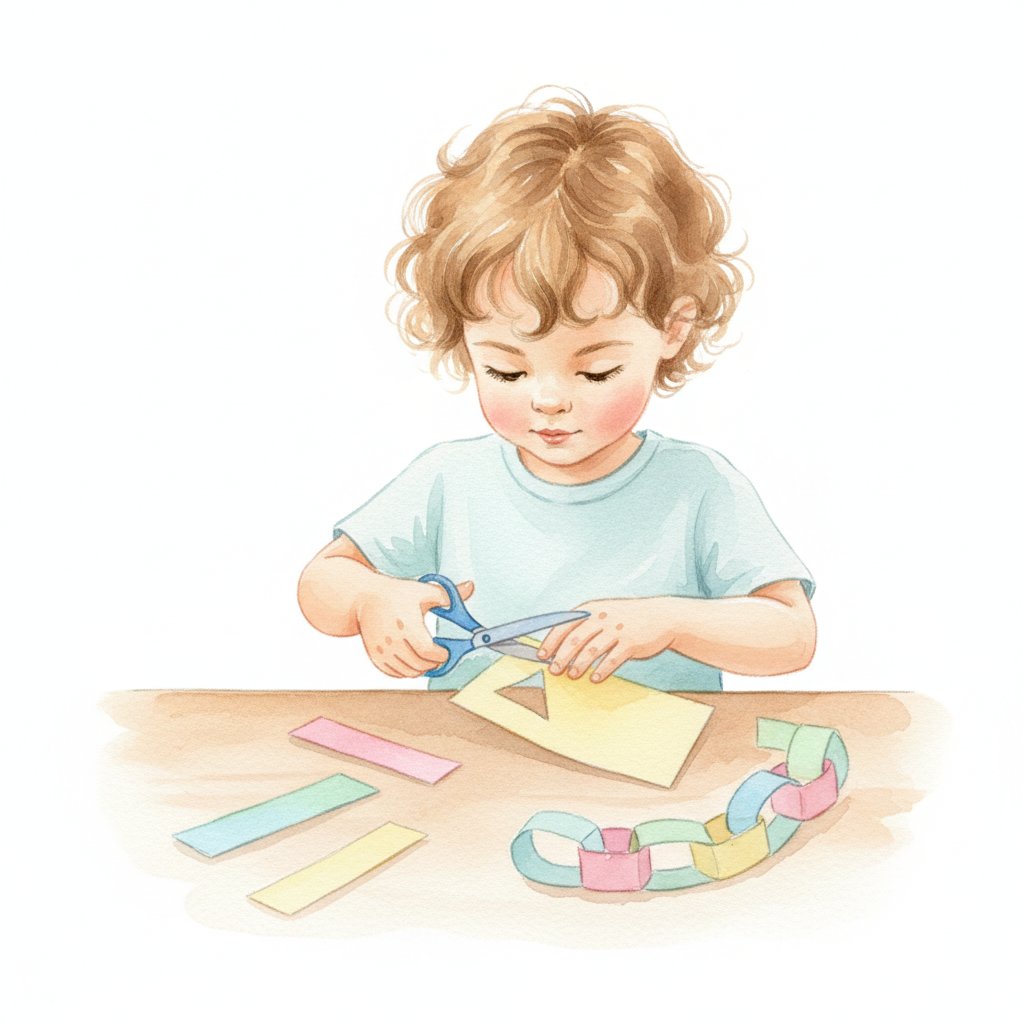
Cutting with scissors strengthens the same hand muscles used for writing. Our scissor skills and cutting practice guide includes free printable cutting activities for children who are just starting or who need more practice.

Quick cutting activities:

  • Cut playdough snakes into pieces
  • Cut strips of coloured paper and glue them into a collage
  • Cut along straight, wavy, and zigzag lines drawn on scrap paper

Managing Screen Time Without Battles

I am a realist — most children will spend some time on screens this summer. The goal is not zero screen time but balanced screen time that does not crowd out the 20 minutes of daily learning or active play.

The 1:1 Rule

For every minute of passive screen time (watching videos), aim for one minute of active learning or physical play. This is not a rigid ratio — it is a framing device. If your child watches a 20-minute show, follow it with 20 minutes outside or with a learning activity.

Educational Screen Time That Actually Helps

Not all screen time is equal. Apps and shows that require active participation (answering questions, solving problems, reading words) are better than passive consumption. Some options that teachers recommend:

  • Reading apps: Epic!, Reading Eggs, or Homer — structured phonics progression
  • Math apps: Khan Academy Kids (free), Moose Math by Duck Duck Moose
  • Shows with learning value:Alphablocks (phonics), Numberblocks (maths concepts), StoryBots (general knowledge)

The key is that screen time should replace an equivalent amount of active learning time. If your child does their 20-minute routine before screen time, the learning is protected.

Free Summer Learning Activities (No Printer Needed)

Not everything requires a printable. Here are activities that build kindergarten skills using items you already have at home:

Reading and Phonics

  • Alphabet scavenger hunt: "Find something that starts with B." Walk through the house collecting items and saying the starting sound.
  • Rhyming dinner: At dinner, everyone takes turns saying a word that rhymes with a target word. "Cat → hat → mat → bat → sat."
  • Story retelling: After reading a book together, ask your child to tell the story back to you in their own words. This builds comprehension.
  • Letter formation in sensory materials: Fill a baking tray with salt, flour, or sand. Have your child trace letters with their finger.

Math

  • Cooking together: Measuring ingredients teaches volume, counting, and fractions (even if the child just watches and counts scoops).
  • Sorting laundry: Sort by colour, by type (socks, shirts, pants), or by size. Classification is a key maths skill.
  • Dice games: Roll two dice, add the numbers together. First to 20 wins. Simple, effective addition practice.
  • Estimation jar: Fill a jar with small objects (pasta, buttons, coins). Everyone guesses the total, then count together.

Writing and Fine Motor

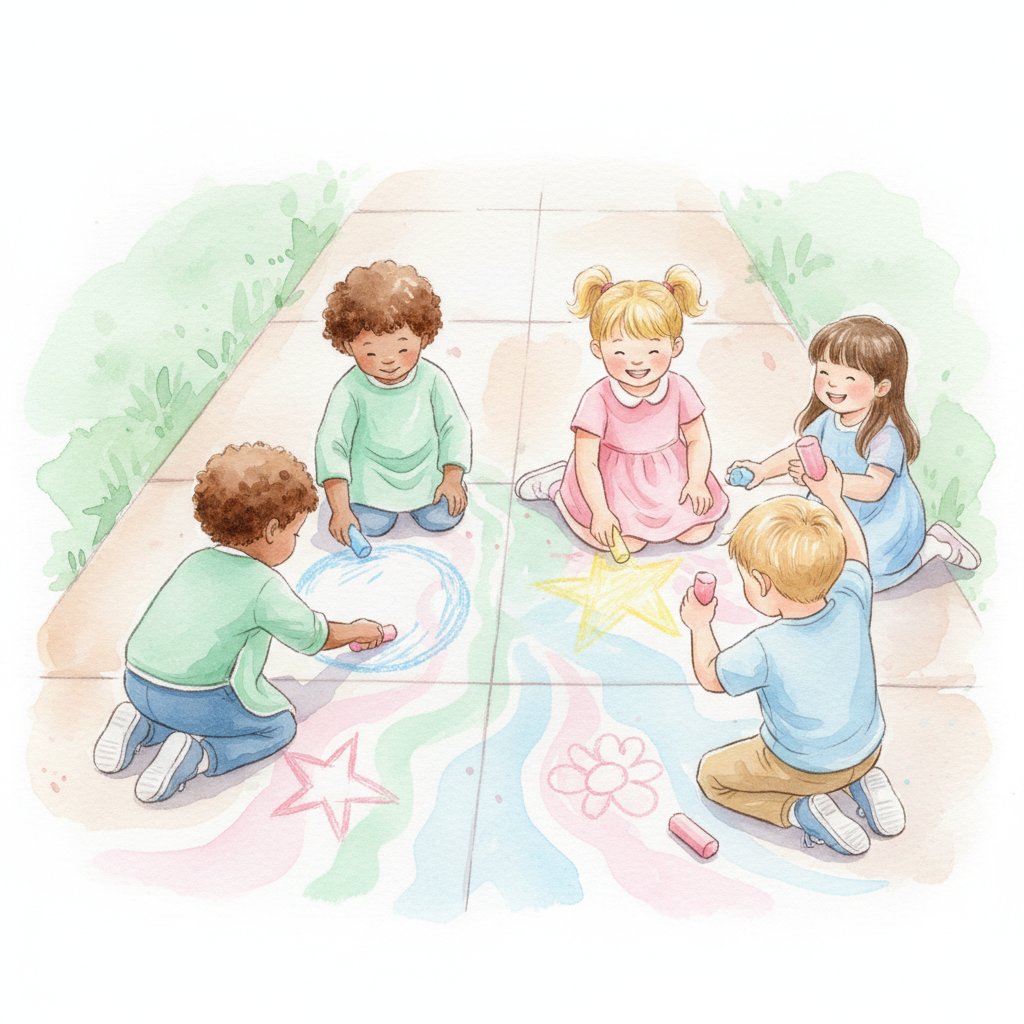
  • Sidewalk chalk writing: Write letters, names, and simple words on the driveway. Large motor movements build letter knowledge.
  • Playdough letters: Roll playdough into snakes and form letters on a placemat. The tactile experience reinforces letter shapes.
  • Sticker stories: Place stickers on paper, then draw a scene around them and tell a story.

How to Know If Your Child Is Sliding

You do not need formal tests to spot the summer slide. Watch for these signs during your daily 20-minute routine:

Red Flags

  • Reading: Words that were automatic in May now require sounding out (or guessing)
  • Writing: Letters that were formed correctly now appear reversed or poorly formed
  • Math: Counting sequences that were fluent become halting or error-prone
  • Attention: Your child is noticeably less focused on the same types of activities

What to Do If You See Regression

  1. Do not panic. Regression over a few weeks is normal and recoverable.
  2. Step back, not forward. If your child was reading CVC words in May but is struggling now, go back to letter sounds for a few days. Rebuild confidence at an easier level before pushing forward.
  3. Increase frequency, not duration. Two 10-minute sessions are better than one 30-minute session for a child who has lost stamina.
  4. Make it social. Invite a friend over for a "learning playdate" — children work harder when peers are present.

A Simple Progress Check (Once a Month)

At the start of summer, record your child doing these things:

  • Reading 5 CVC words you write on a card
  • Writing their first and last name
  • Counting to 20 (or to 100 if they were there in May)
  • Identifying numbers 1-20 on flashcards

Repeat the same check in July and August. If performance is holding steady, your routine is working. If you see decline, add 5 minutes to the daily routine and focus on the weakened area.

Start Before School Ends

The most effective summer learning routine is the one you set up before the school year ends. Talk to your child's teacher about what skills to focus on. Stock up on library books. Print a few activities. Set a consistent daily time — right after breakfast works well for most families, before the day gets busy.

The summer slide is not inevitable. Twenty minutes a day — one story, one quick activity, something creative — is enough to keep your kindergartener on track and walking into first grade confident and ready.

Looking for more summer learning resources? Our kindergarten readiness checklist covers the specific skills first-grade teachers expect on day one. For screen-free activity ideas sorted by skill area, see our summer learning activities for Pre-K to 1st grade. And if your child thrives with art-based learning, our art activities for preschoolers combine creativity with skill building.

Frequently Asked Questions

What is the summer slide?

The summer slide is the loss of academic skills — particularly reading and math — that occurs when children do not practise these skills during the long summer school break. Research shows children lose an average of one to two months of learning, with math declining more than reading.

How much should my kindergartener practise over summer?

15-20 minutes per day of structured learning (reading, a phonics or math activity, plus something creative) is sufficient. Consistency matters far more than duration. A child who does 15 minutes daily all summer will maintain more skills than a child who does two hours once a week.

Do I need to buy a summer bridge workbook?

No. A summer bridge workbook can be convenient, but free library books, printable activities, and everyday learning opportunities (cooking, counting, reading signs) are equally effective. What matters is consistency, not curriculum.

What if my child resists doing "school work" over summer?

Re-frame it. Do not call it school work. Call it "puzzle time" or "game time." Use activities that feel like play: scavenger hunts, cooking, building, art. The 20-minute routine in this guide is designed to feel low-pressure and brief enough that most children accept it without protest.

Should I hire a summer tutor for my kindergartener?

Most kindergarteners do not need a tutor to prevent the summer slide. A committed parent using the strategies in this guide can maintain skills effectively. Consider a tutor only if your child was significantly behind grade level at the end of kindergarten and needs targeted intervention.

How do I keep my child motivated all summer?

Variety and choice. Let your child choose books at the library. Rotate between different types of activities (phonics one day, math the next, art the day after). Use sticker charts or a visual progress tracker. And keep sessions short — motivation dies when activities drag on.