Articles10 min read

Best Summer Learning Activities for Pre-K to 1st Grade (No Screens Required)

40+ screen-free summer learning activities organised by skill area — reading, math, fine motor, and science — for children ages 4 to 6. No special supplies needed.

Best Summer Learning Activities for Pre-K to 1st Grade

Two summers ago, I made a deal with my four-year-old: zero screens before noon, and we would do "one fun learning thing" together every morning. Some days that meant baking banana bread (measuring is maths). Other days it was a letter hunt around the neighbourhood. By the end of August, she had learned to recognise all 26 letters by sound, count to 30, and write her first and last name — without a single worksheet battle.
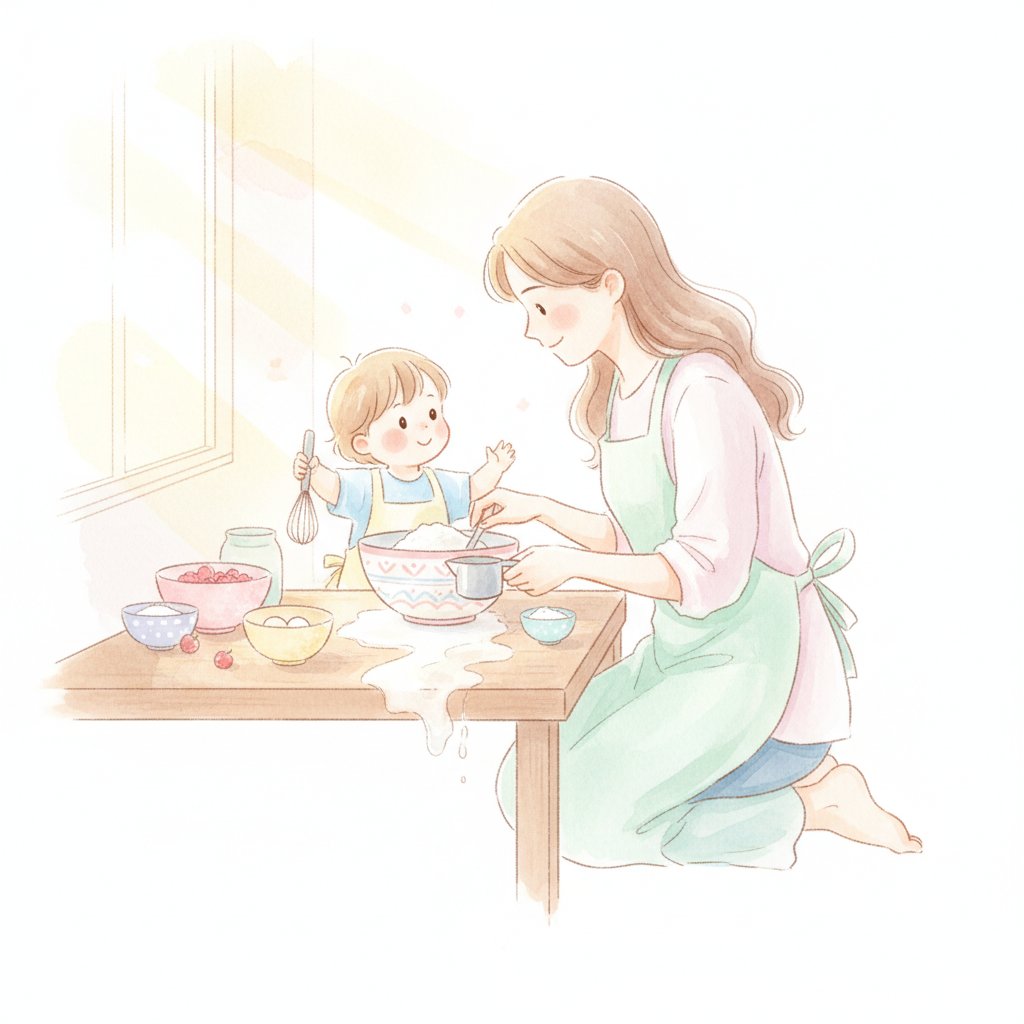
Screen-free learning is not anti-technology. It is pro-engagement. When children interact with physical materials — manipulating blocks, tracing letters in sand, counting real objects — they build deeper neural connections than when they tap a screen. Research from the AAP (American Academy of Pediatrics) recommends that children under 6 get no more than one hour of high-quality screen time per day, and that screen time should not replace hands-on play, reading, or social interaction.

This collection includes 40+ activities organised by skill area. Each one uses materials you already have or can print at home. They are designed for children ages 4-6 (Pre-K through 1st grade) and take 5-15 minutes each. Pick one from each category per day and you have a complete, balanced summer learning routine.

For structured daily practice, grab our free 10-page summer learning sample — alphabet tracing, number practice, and colouring pages you can print today.
Reading and Phonics Activities (Ages 4-6)

These activities build letter recognition, phonemic awareness (hearing individual sounds in words), and early reading skills. They work for children who are still learning letter sounds as well as children who are beginning to read CVC words.

Alphabet Activities (Pre-K)

1. Letter of the Day
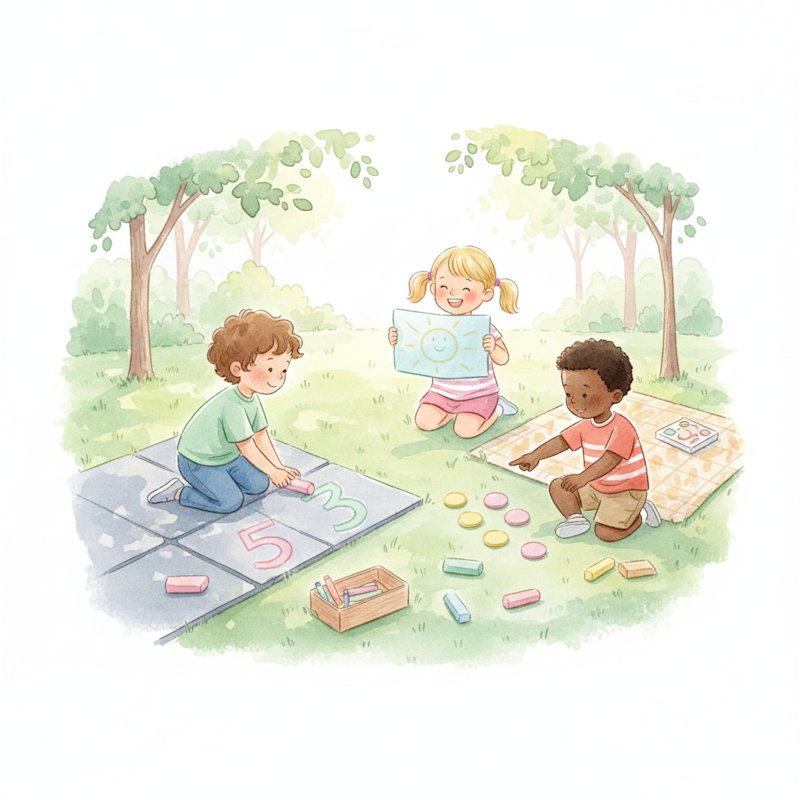
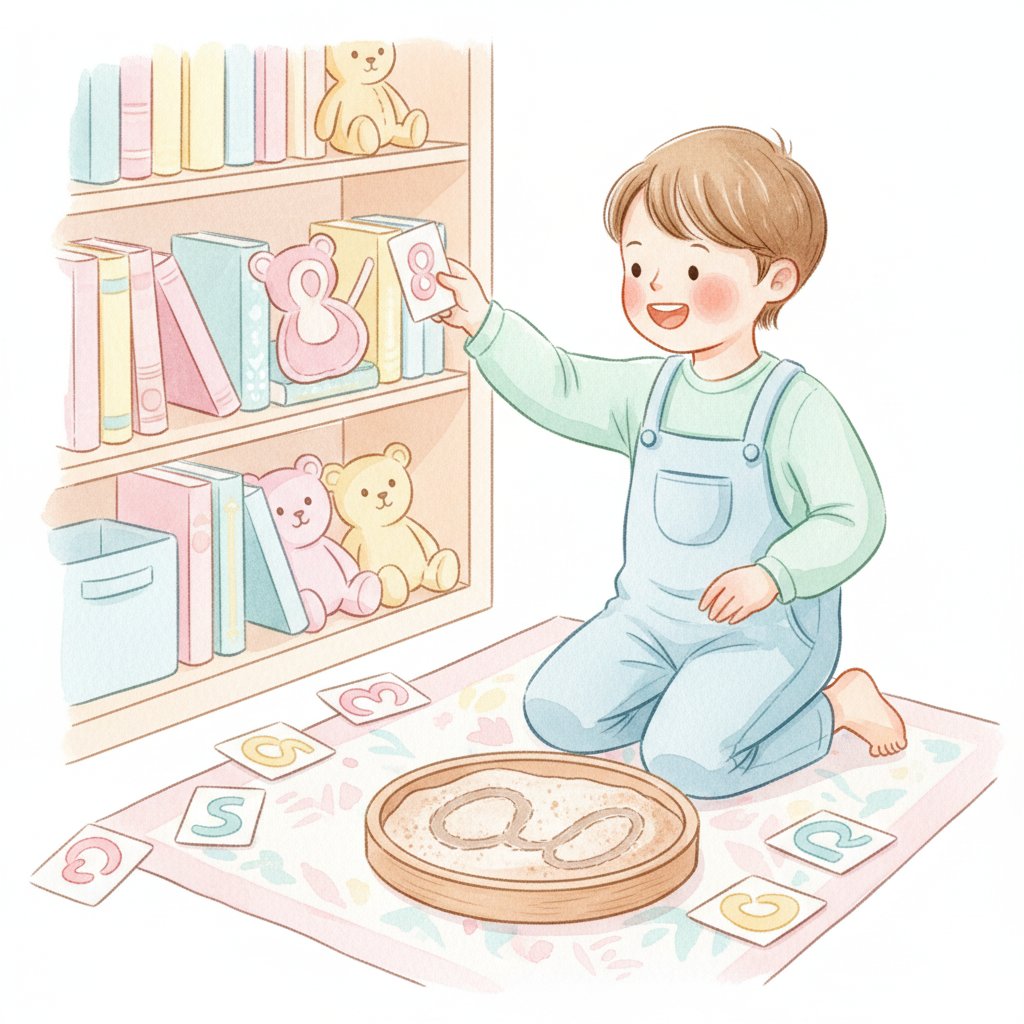
Choose one letter each day. Find it on signs, cereal boxes, and book covers. Trace it in salt, draw it on the pavement with chalk, and make its sound. By the end of 26 days, your child has interacted with every letter through multiple senses.

2. Alphabet Scavenger Hunt
"Find something that starts with S." Walk through the house or garden collecting items. Say the word together, emphasising the starting sound: "/s/.../s/.../s/poon. Spoon starts with S!"

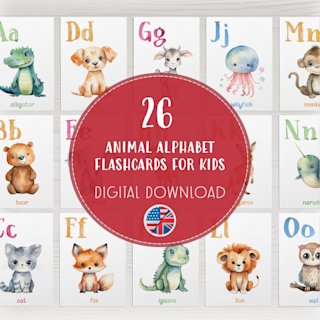
3. Letter Match with Flashcards
Write 10 uppercase letters on sticky notes. Place matching lowercase flashcards around the room. Your child matches uppercase to lowercase. Our free printable phonics games include flashcard-style activities that work well for this.

4. Playdough Letters
Roll playdough into long snakes and form letters on a placemat. The tactile experience of shaping each letter builds letter knowledge through a different pathway than pencil-and-paper tracing.

Phonics Activities (Kindergarten)

5. Sound Sorting
Fill three bowls. Say: "This bowl is for words that start with /s/. This one is for /m/. This one is for /t/." Name objects around the room and have your child point to (or place a token in) the correct bowl.

6. Mystery Bag
Put 5-10 small objects in a bag (a spoon, a toy car, a ball, a cup, a block). Your child reaches in, feels an object, and guesses what it is before pulling it out. Then say the word together and identify the first sound.

7. CVC Word Building
Write individual letters on sticky notes or magnetic letters. Say a three-letter word ("cat"). Your child finds the three letters and sticks them together in order. This is the same skill practised in our free phonics worksheets for kindergarten but with a hands-on twist.

8. Read the Room
Write simple labels on sticky notes and place them on objects around the room: "door," "bed," "cup," "lamp." Your child walks around reading the labels. The physical movement keeps energy up and the environmental print makes reading feel purposeful.

Sight Word Activities (K-1st)

9. Sight Word Hopscotch
Write sight words in hopscotch squares. Your child reads each word before hopping on it. Use words your child is currently learning — start with 5 and add more as they master them.

10. Sight Word Treasure Hunt
Hide sight word flashcards around the room. Your child finds them, reads each one, and brings them to you. "Can you find the word the? How about and?"

Math Activities (Ages 4-6)

Young children learn maths best through physical manipulation of objects. Every activity below uses things you already have at home.

Counting and Number Recognition (Pre-K)

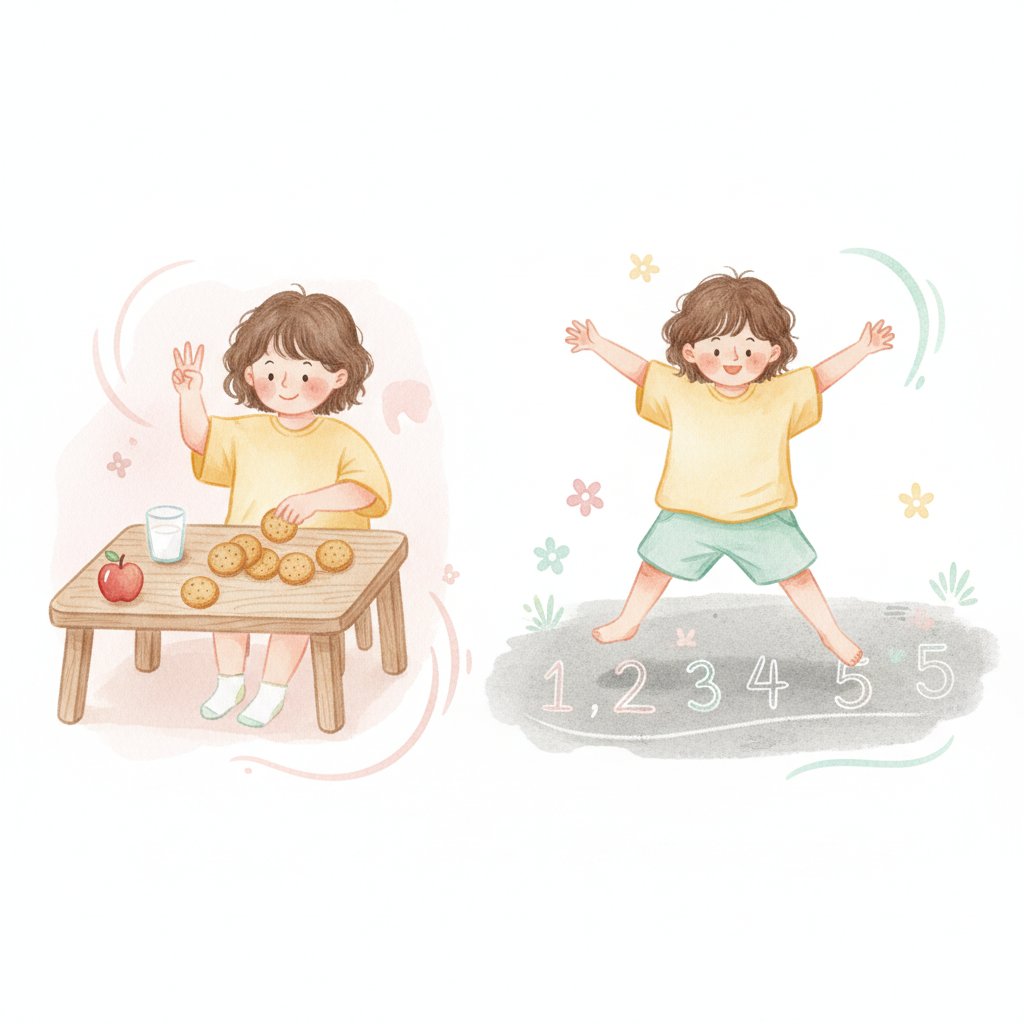
11. Snack Counting
"You have 8 crackers. If you eat 3, how many are left?" Counting with real, meaningful objects (food!) is inherently motivating.

12. Number Line Jump
Write numbers 1-10 on the ground with chalk. Call out a number and your child jumps to it. Later, call out "Jump to 4, now jump 2 more — where are you?" (early addition).

13. Staircase Counting
Count each step as you walk up and down. At 4-5 years old, one-to-one correspondence (saying one number for each step) is a key mathematical foundation.

14. Sorting and Counting
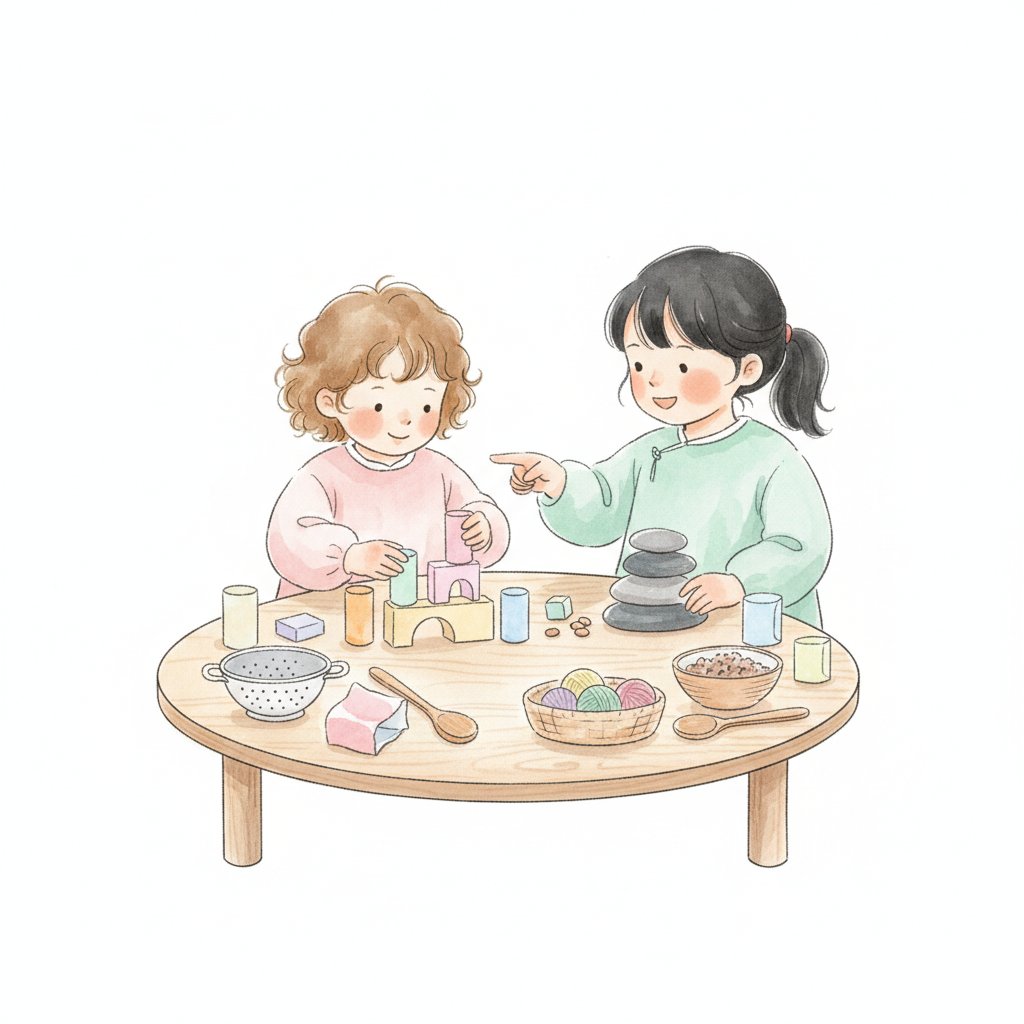
Give your child a handful of mixed items (buttons, coins, dried pasta in different shapes). Sort them into groups, then count each group. "How many shells? How many spirals?"

15. Domino Match
Place dominoes face up. Your child counts the dots on each half and matches dominoes with the same total. This builds both counting and the concept of addition (combining two groups).

Addition, Subtraction, and Patterns (Kindergarten)

16. Block Tower Addition
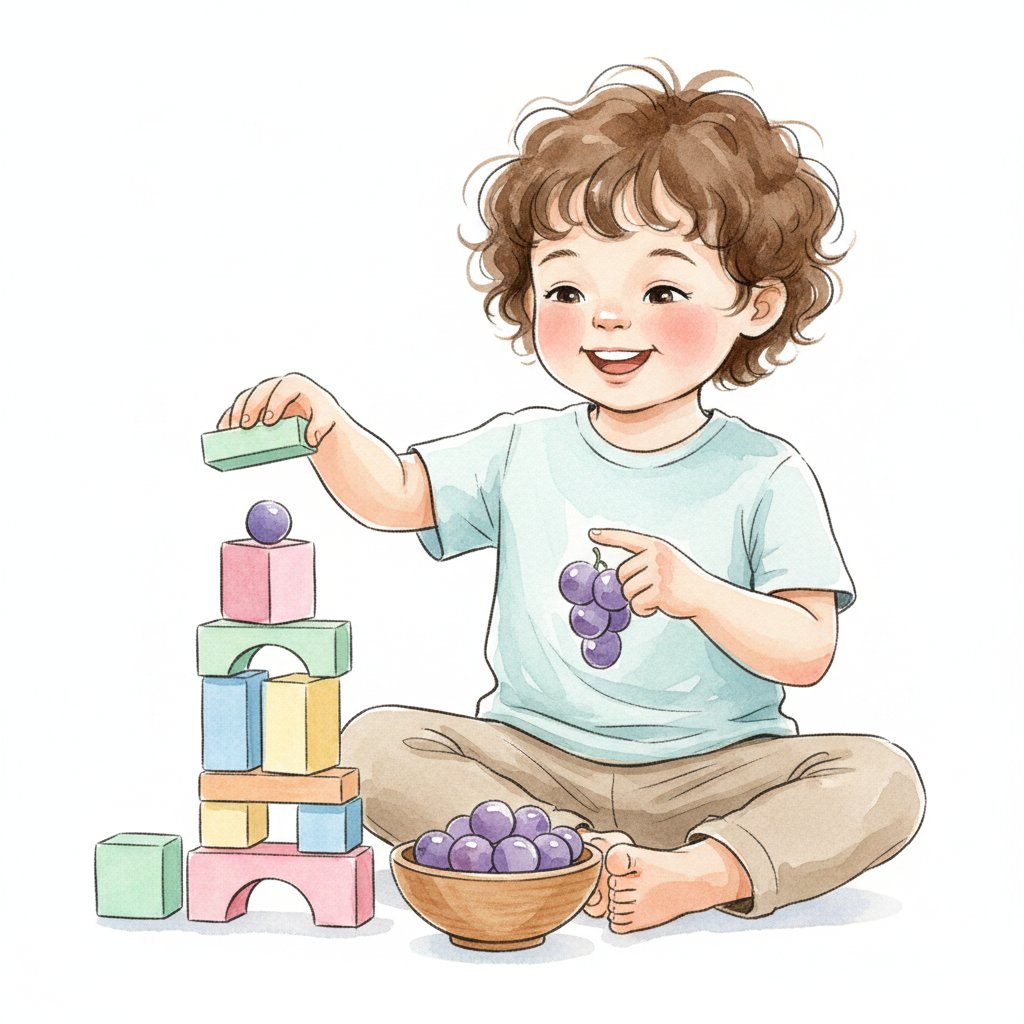
"Build a tower with 4 blocks. Now add 3 more. How tall is your tower?" Physically adding blocks makes addition visible and tangible.

17. Subtraction Story Problems
"You have 5 toy cars. You park 2 in the garage. How many are still out?" Act it out with actual toys. The story format gives maths meaning.

18. Pattern Bracelets
Thread coloured beads onto string in a pattern (red-blue-red-blue). Ask your child to continue the pattern. Increase complexity: red-red-blue-red-red-blue.

19. Roll and Record
Roll two dice, add the numbers, and write the total. Keep a chart of results. Which total comes up the most? This introduces data collection alongside addition.

20. Estimation Station
Fill a clear jar with small objects (buttons, marbles, pasta shells). Everyone guesses how many, then count together. Celebrate the closest guess. Estimation builds number sense — an intuitive feel for quantity.

Fine Motor and Handwriting Activities

Fine motor skills — the small, precise hand movements needed for writing, cutting, and fastening buttons — are one of the biggest gaps teachers see in new kindergarteners. Screen time does not develop these muscles. The activities below do.

Pencil and Pre-Writing (Pre-K)

21. Salt Tray Writing
Pour a thin layer of salt into a baking tray. Your child traces letters, numbers, or shapes with their finger. Smooth the salt flat and start over. This is mess-free and endlessly reusable.

22. Sticker Line-Up
Draw a curved or zigzag line on paper. Your child peels stickers and places them exactly on the line. Peeling stickers strengthens the pincer grasp (thumb and index finger).

23. Hole Punching
Give your child a single-hole punch and strips of paper. "Punch 5 holes in this strip." The squeezing motion builds hand strength. Count the holes afterwards for a maths tie-in.

24. Clothespin Letters
Write one letter on each of 26 wooden clothespins. Clip them onto a ruler or the edge of a box in alphabetical order. The pinching motion is excellent fine motor practice.

Scissor Skills (Pre-K to K)

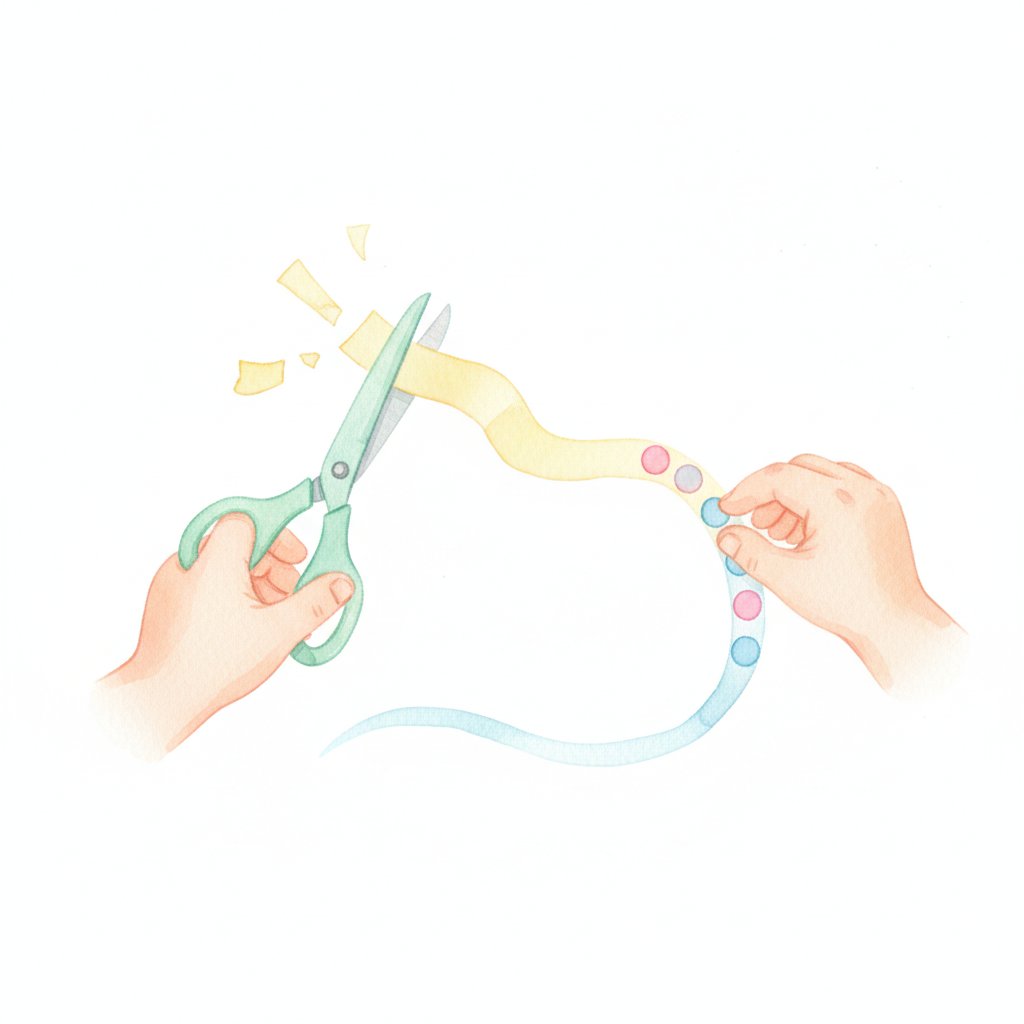
25. Cutting Strips
Draw straight lines on strips of paper. Your child cuts along the lines. Progress to wavy lines, then zigzags. Our scissor skills and cutting practice guide includes free printable cutting sheets for every level.

26. Cutting Playdough
Roll playdough into long snakes. Your child cuts the snakes into pieces with safety scissors. Playdough provides resistance that paper does not, making this a strength-building exercise.

27. Collage Cutting
Cut pictures from old magazines or catalogues. Glue them onto paper to create a themed collage (animals, food, colours). Combines cutting, gluing, and creative decision-making.

Handwriting Practice (K-1st)

28. Name Writing Challenge
Write your child's name in highlighter. They trace over it with a pencil. The highlighter provides a clear guide without the frustration of dotted lines.

29. Window Writing
Use washable window markers (or dry-erase markers on a glass door) to write letters and words at eye level. Writing on a vertical surface builds wrist strength and is inherently more fun than writing on a flat table.

30. Summer Journal
One sentence a day about something your child did. They dictate the sentence, you write it lightly in pencil, and they trace over it. Over the summer, the sentences get longer and the tracing becomes more independent.

Science and Discovery Activities

Science for 4-6 year-olds is about observation, prediction, and curiosity. No lab coats required — just questions and a willingness to explore.

31. Sink or Float
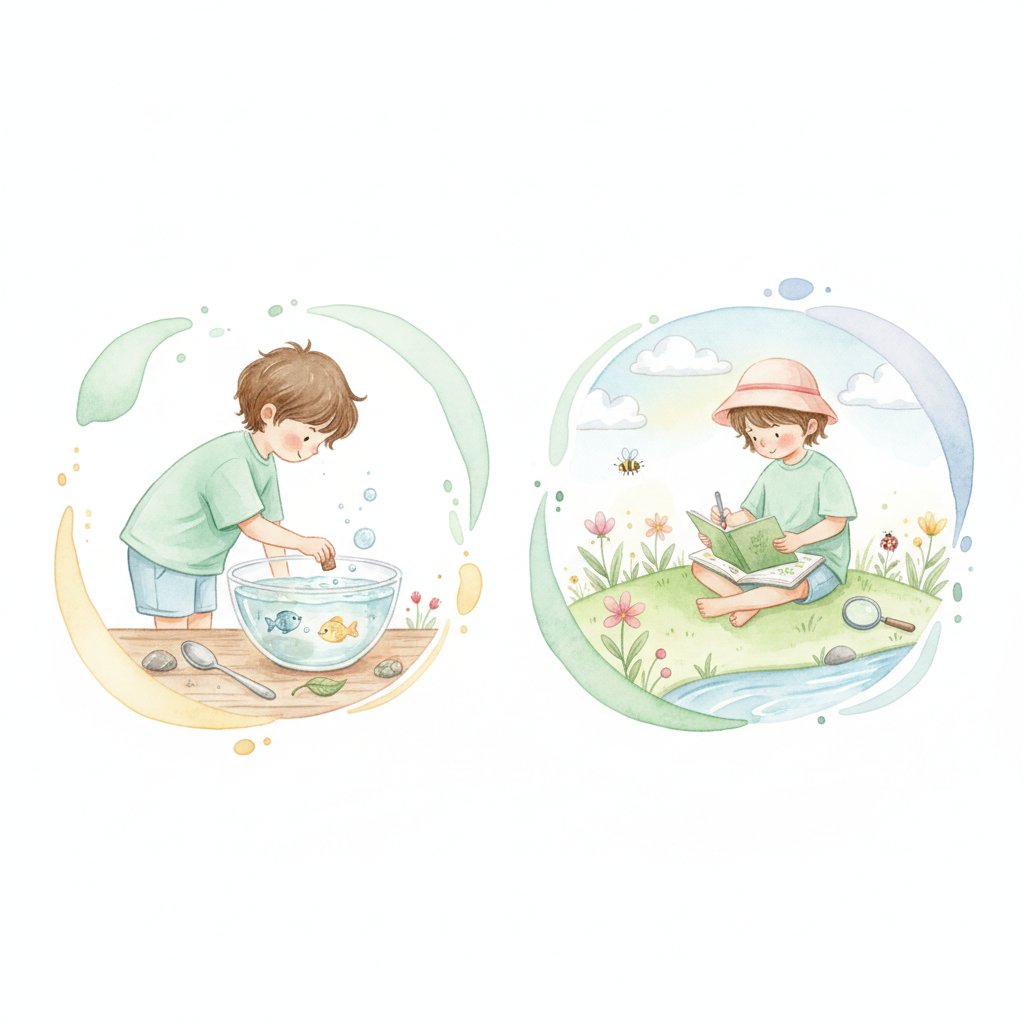
Fill a large bowl or bucket with water. Collect 10-15 small objects from around the house (spoon, rock, leaf, plastic toy, coin, cork). Before dropping each one in, ask: "Do you think it will sink or float? Why?" Record predictions and results.

32. Ice Excavation
Freeze small plastic toys in a container of water. Give your child warm water, a dropper, and a spoon. "Can you rescue the toys?" The melting process teaches state changes (solid → liquid) and the dropper builds fine motor skills.

33. Nature Journal
Staple blank paper into a booklet. Each day, your child draws one thing they observed outside — a bug, a leaf, a cloud shape. Add a label (written or dictated). By the end of summer, they have a field guide.

34. Shadow Tracking
On a sunny morning, trace your child's shadow on the ground with chalk. Return at noon and late afternoon and trace again. "Why did the shadow move? Why is it shorter at noon?" Introduces the concept of Earth's rotation in an observable way.

35. Colour Mixing
Fill three cups with water. Add red food colouring to one, blue to another, and yellow to the third. Give your child an empty cup and a dropper. "What happens when you mix red and blue? Blue and yellow?" Primary colour mixing is chemistry for five-year-olds.

Putting It Together: A Screen-Free Daily Schedule

You do not need to do every activity every day. Pick one from each category and build a 20-30 minute routine:

TimeActivityExample
Morning (5 min)Reading/Phonics pickLetter of the Day or Sound Sorting
Morning (5 min)Math pickSnack Counting or Block Tower Addition
Afternoon (5-10 min)Fine Motor pickSalt Tray Writing or Cutting Strips
Afternoon (5 min)Science or Creative pickSink or Float or Nature Journal entry
Evening (10 min)Read-aloudLibrary book of child's choice

Total active learning time: 25-35 minutes, spread across the day. The rest of the day is free play, outdoor time, errands, and family activities — which also teach, just less formally.

For a more detailed daily routine, our kindergarten daily schedule printable provides a visual timetable you can customise for your family's summer schedule.

Learning Happens Everywhere

Screen-free does not mean worksheet-heavy. The activities in this guide use everyday objects, movement, and creativity to build real skills. Your child does not need to sit at a desk for 30 minutes to practise counting — they can count grapes at snack time, jump to numbers on the ground, and add blocks to a tower.

The key is consistency. One activity from each category, most days of the week, throughout the summer. That is enough to prevent the summer slide and send your child back to school ready for the next level.

If you want everything curated and ready to print, download our free summer learning printables for a taste of structured activities. And for more hands-on ideas, our art activities for preschoolers and aquarium and fish tank activities for kids are packed with creative learning extensions.

Frequently Asked Questions

How many activities should I do per day?

One from each of the four categories (reading, math, fine motor, science) is plenty. That is roughly 20-30 minutes of structured activity spread across the day. Do not attempt to do all 40+ activities in a week — spread them across the entire summer.

Do I need special supplies?

No. Every activity in this list uses materials commonly found at home: paper, pencils, scissors, playdough, blocks, kitchen items, and outdoor space. The only optional purchase is a summer learning packet if you want pre-made printables.

What if my child finds an activity too easy or too hard?

Adapt it. If counting to 10 is too easy, count to 20. If writing letters is too hard, trace them in salt instead. The activities are starting points — adjust the difficulty to match your child's level.

Are these activities enough to prevent summer slide?

Yes, when done consistently. Research shows that 15-20 minutes of daily academic engagement is sufficient to maintain skills over summer. The activities in this guide cover all the key areas: reading, math, fine motor, and science.

Can I do these activities with multiple children of different ages?

Absolutely. Many activities scale naturally. A 4-year-old counts to 10 while a 6-year-old adds the dice and records the total. A younger child traces letters in salt while an older one writes words. Adjust the output expectation, not the activity itself.