Articles12 min read

Literacy Activities for Preschoolers: The 5 Practices That Build Readers

Five research-backed practices — Talk, Sing, Read, Write, and Play — plus a month-by-month plan that takes your preschooler from first letter sounds to reading readiness, no flashcard drills required.

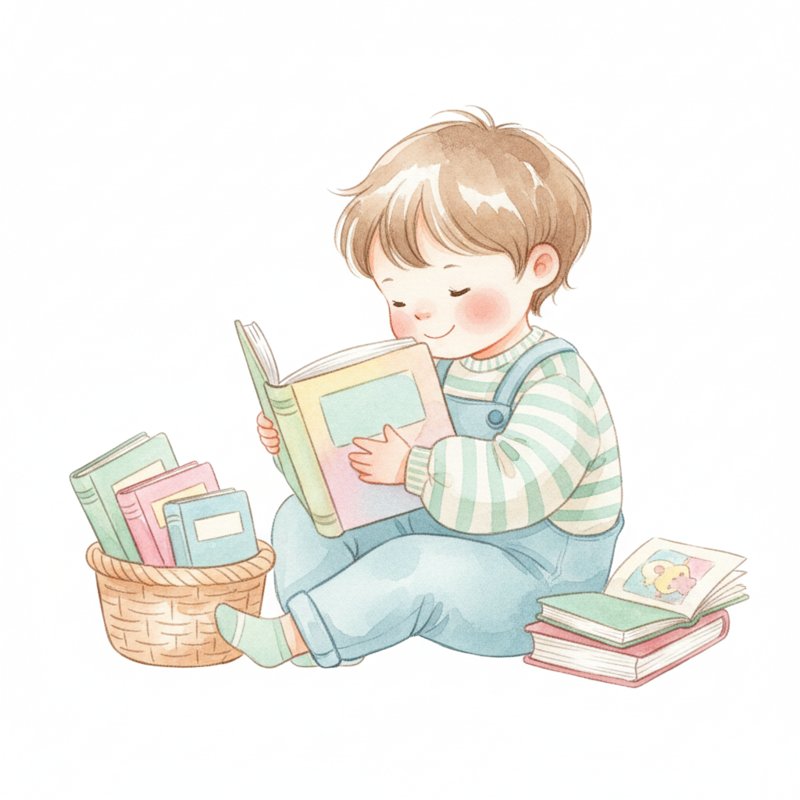
Watercolor illustration of a child happily reading a picture book from a basket of books

The Tuesday Maya "Read" Me a Story

Maya was three and a half, and she had never read a word. But every Tuesday she would pull the same dog-eared copy of We're Going on a Bear Hunt off the shelf, plop into my lap, and "read" it cover to cover — turning pages at exactly the right moment, gasping at the grass, whispering through the cave. She had memorized the book from roughly sixty read-alouds. She wasn't reading. She was doing something more important: she had learned that the words she heard matched the marks on the page, that stories have a beginning, a middle, and an ending, and that books run left to right. Six months later, she pointed at the word "bear" on a cereal box and said, "B-b-bear." The foundation laid by those Tuesday read-alouds had become a letter sound.

That jump — from loving stories to cracking the code — is what every parent and teacher of a three-, four-, or five-year-old is really working toward. And here is the good news that too few people tell you: you do not get there with worksheets. You get there with talk, song, books, a crayon, and play. These are the literacy activities for preschoolers that actually move the needle, and this guide is built around them.
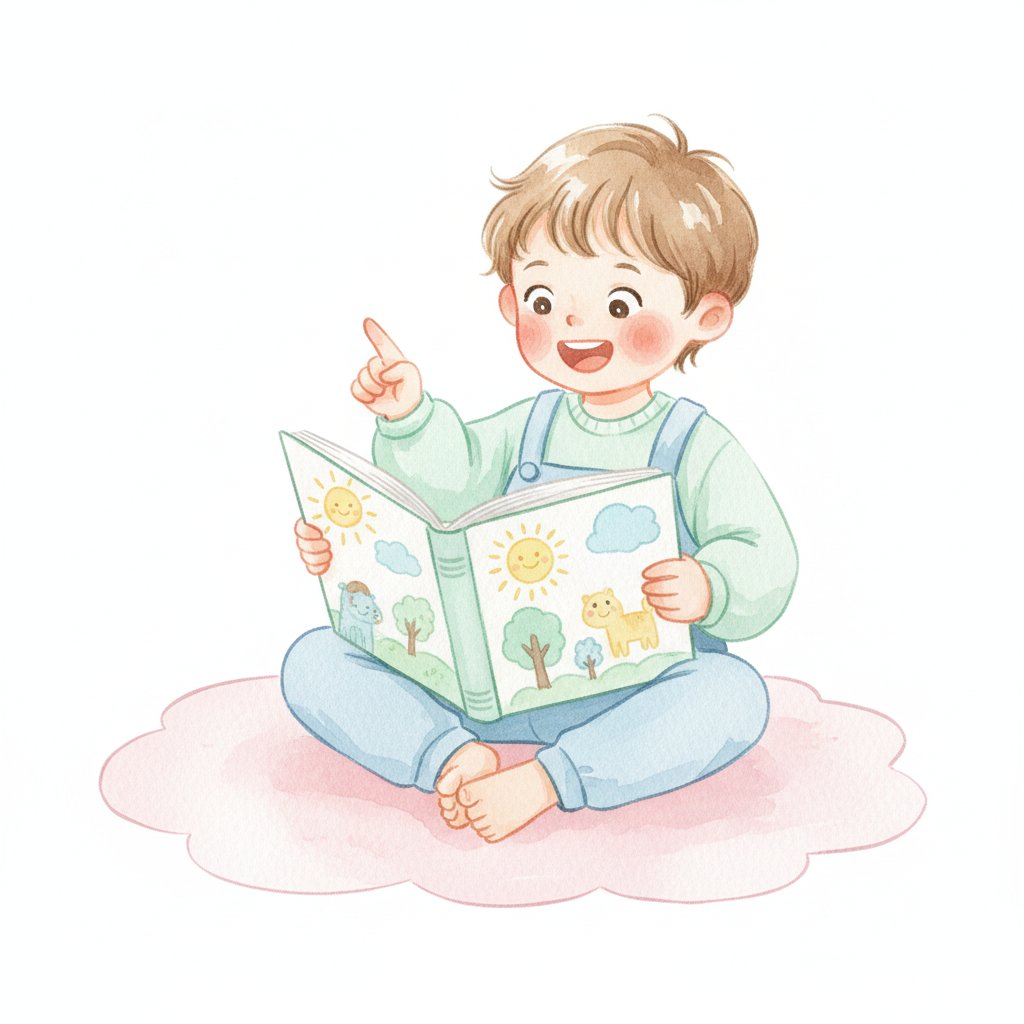
A young child reading a picture book aloud and pointing proudly at the page

This article is organized around the five early-literacy practices identified by the Every Child Ready to Read framework — Talk, Sing, Read, Write, and Play — and ends with a 12-month progression you can follow whether you are a parent working at the kitchen table or a teacher planning a classroom year. If you want to go deep on one piece, jump to our alphabet activities, our nursery rhyme activities, or our beginning reading activities. Otherwise, let's start with why these five practices work.
The Five Practices: Why Talk, Sing, Read, Write, Play?

Librarians and early-childhood researchers distilled decades of reading research into five everyday practices. The National Early Literacy Panel found that the skills these practices build — phonological awareness, alphabet knowledge, print concepts, and oral language — are the strongest predictors of later reading success. The beauty of the framework is that none of them feel like "school." They feel like a normal, language-rich childhood.

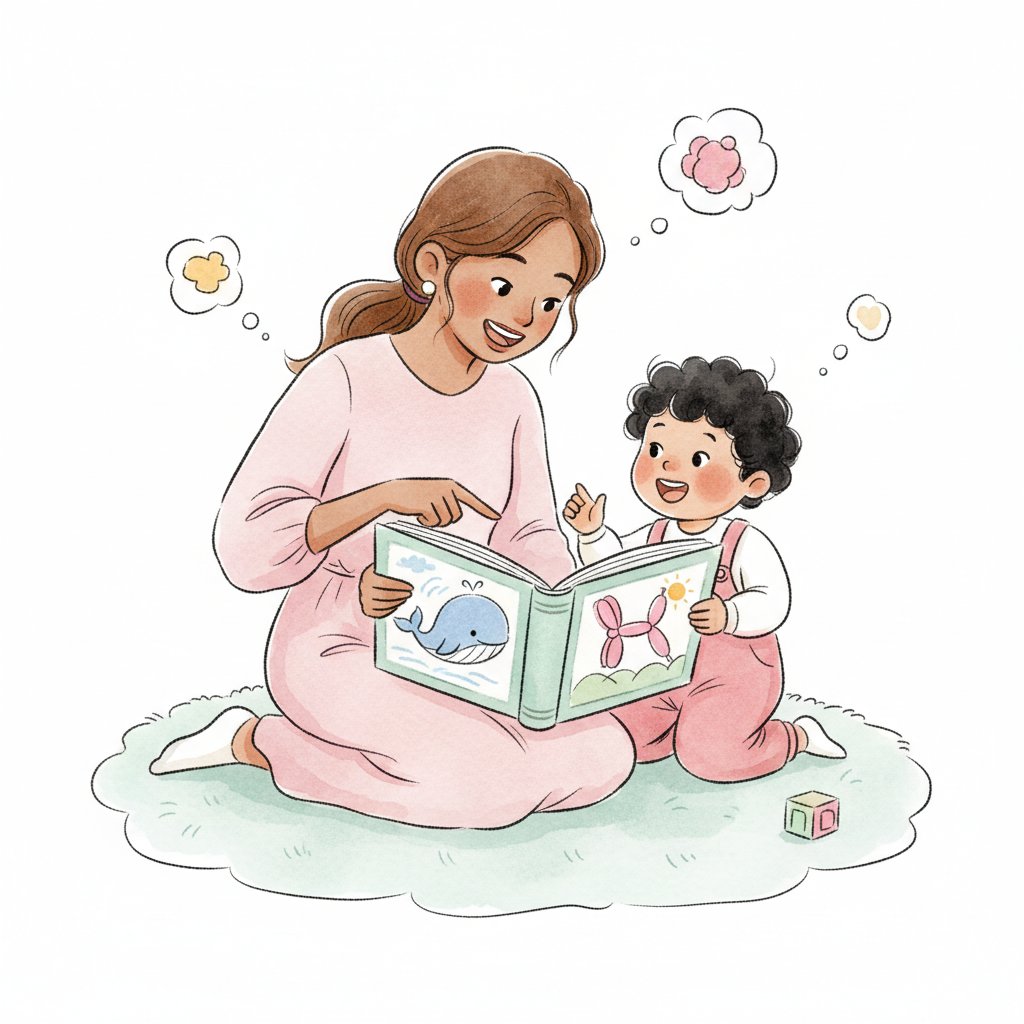
A parent and child reading a picture book together, talking about new words

1. Talk — Children who hear more words, and more back-and-forth conversation, build bigger vocabularies and stronger sentence sense. Talk is the raw material reading is made from.

2. Sing — Songs and rhymes slow language down and stretch its sounds. Hearing that "cat" and "hat" end the same way is phonological awareness — the single best predictor of how easily a child learns to decode.

3. Read — Shared reading teaches print concepts (we read left to right, the squiggles carry meaning), builds world knowledge, and grows vocabulary faster than any other activity.

4. Write — For a preschooler, writing is drawing, scribbling, and making marks. The fine-motor and letter-shape work of "writing" wires the same brain pathways a child later uses to recognize letters.

5. Play — Dramatic play, storytelling, and games turn abstract language into lived experience. Children who act out stories understand them more deeply than children who only hear them.

You do not need to schedule these as separate blocks. A single bedtime routine can hit all five: you talk about the day (Talk), sing a favorite rhyme (Sing), read a book (Read), let your child "sign" their name on a card (Write), and act out the story with stuffed animals (Play). The activities below deepen each one.

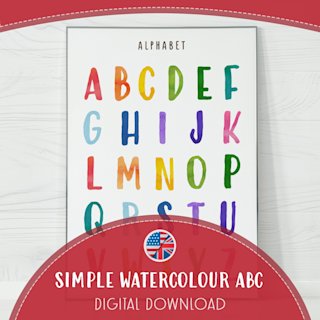
Letter sounds your child will actually remember — hang them where talk happens
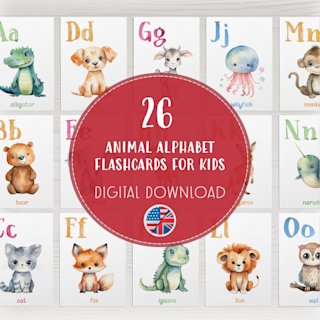
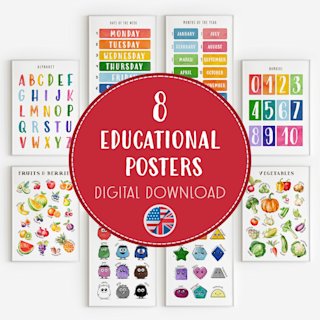
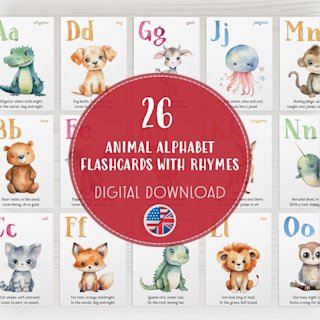
The ABC Alphabet Poster turns a kitchen or playroom wall into a daily letter-sound conversation, so the Talk and Read practices keep working between storytimes. Pair it with our Animal Alphabet Flashcards: each letter matches an animal and a sound, giving you a ready-made 'What sound does this one make?' prompt for circle time or the dinner table.

Sing: The Phonological-Awareness Powerhouse

If you do only one thing on this list, sing and rhyme. Research on early reading is unusually unanimous here: a child who can hear rhymes and clap syllables at age four tends to decode words more easily at age six. Songs do this work for free, because rhythm and repetition force a child to listen to the sounds inside words rather than just their meaning.

Cheerful young children giggling and making up silly rhymes together

Try these sing-based literacy activities for preschoolers:

  • Rhyme of the week. Pick one nursery rhyme and use it daily for seven days — at breakfast, in the car, in the bath. Repetition is the point. Move on to a new rhyme the next week.
  • Syllable clapping. Clap the beats in your child's name, in foods, in animals. "Wa-ter-mel-on" is four claps. This is the same skill they'll use later to split words into sounds.
  • Silly substitution. Sing a known song with the wrong rhymes and let your child correct you: "Twinkle, twinkle, little car…" The giggling is the lesson.
  • Sound songs. Make up a tune for letter sounds instead of letter names. "The A says /a/, the A says /a/…" Many children learn letter names first and then have to unlearn them to read — lead with sounds.

Our full collection of nursery rhyme activities extends every classic rhyme into crafts, sequencing, and movement. Rhymes also pair naturally with phonics games once your child is ready for letter-sound matching.

Read: Building the Book-Loving Brain

Reading aloud is the single highest-impact literacy activity you can do, and preschool is peak read-aloud years. The goal at this age is not to teach your child to read the words themselves — it is to fill them with the language, vocabulary, and story knowledge they will decode later.

Set up a space that makes choosing a book easy. A low shelf with covers facing outward (not spines) gets children picking books on their own — a small change that measurably increases independent book time.

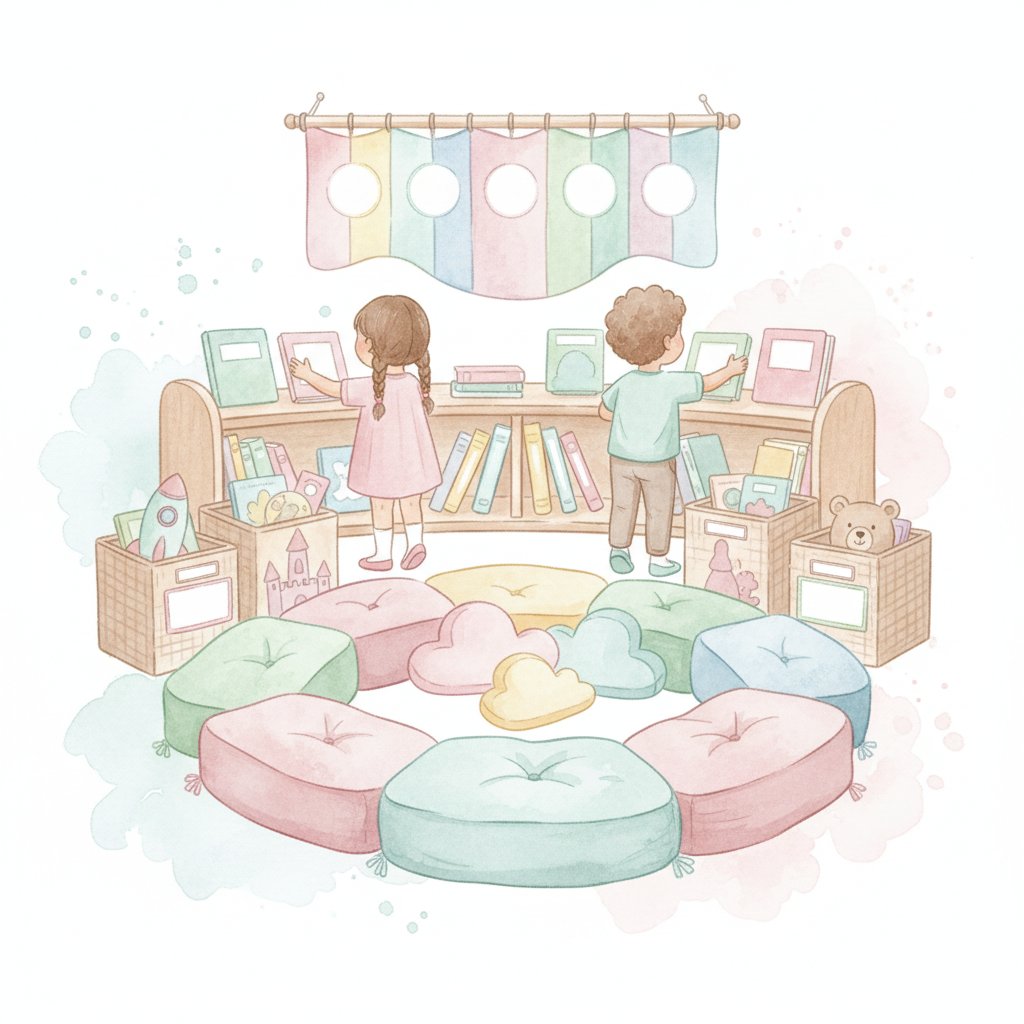
A cozy preschool reading corner with labeled book bins and an alphabet wall

Make read-alouds interactive with these habits:

  • Preview the book by its cover. "What do you think this book is about?" grows prediction — a core comprehension skill.
  • Point to the words as you read. This teaches the print concept that the voice maps onto the marks, left to right, top to bottom.
  • Stop and explain three new words. Picture books contain rarer words than everyday conversation. Pick three per book, define them simply, and use them again tomorrow.
  • Ask "why" and "what next" questions. "Why do you think the bear looked sad?" builds inference. "What do you think will happen next?" builds narrative understanding.
A young child beginning to read a picture book with a parent

Re-reading the same book dozens of times is not a failure of imagination — it is how preschoolers internalize story structure and vocabulary. The Tuesday ritual that taught Maya to love Bear Hunt is exactly the repetition the brain needs. For children ready to take a first independent step, our beginning reading activities pick up where read-alouds leave off.

A print-rich room invites more reading and writing — set it up once
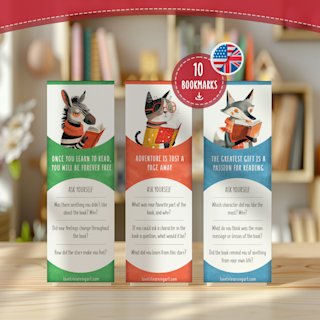
Surround your child with words they can reach. Animal Bookmarks give kids a reason to reopen a book tomorrow ('where did I stop?'), and the Educational Posters set puts the alphabet, numbers, colors, and shapes at eye level so the Read and Write practices are always visible. A print-rich environment is one of the easiest literacy wins you can create in five minutes.

Write: Scribbles Are Brain Work

Before a child writes letters, they build the hand strength and the mark-making confidence to do so. For preschoolers, "writing" means any purposeful mark: a scribbled grocery list, a drawing of the family, a wavy line "signature." Each one trains the fine-motor control and the left-to-right, top-to-bottom habits that real writing requires.

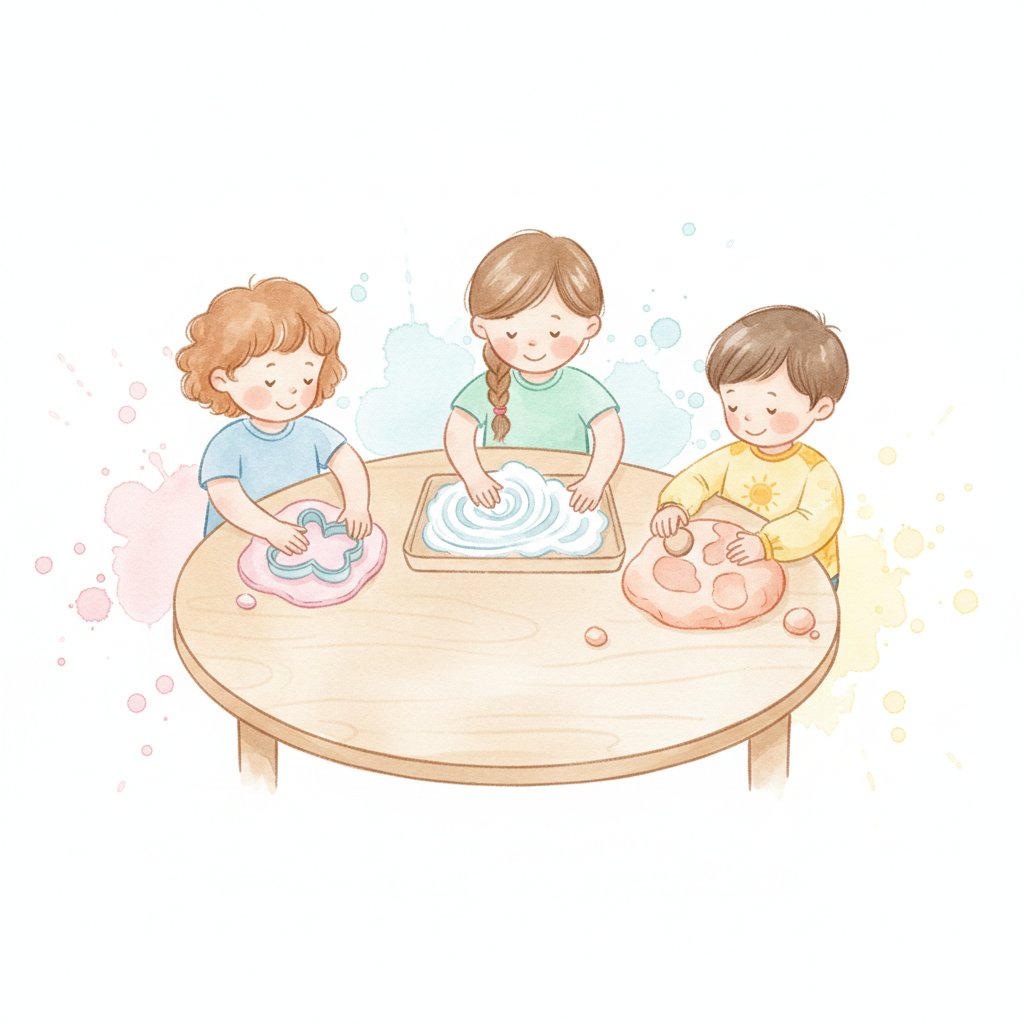
Children pressing letters into playdough and writing in shaving cream

Use multisensory letter activities so children feel the shape of a letter before they try to form it on paper:

  • Salt or shaving-cream trays. Trace a letter in a shallow tray of salt or shaving cream. The sensory feedback cements the shape — and mistakes wipe away instantly, which keeps the mood light.
  • Playdough letters. Roll snakes and form the first letter of the child's name. Pinching and rolling build the same hand muscles a pencil later needs.
  • Sticker and dot-letter tracing. Place stickers along a printed letter outline. Peeling stickers is genuine handwriting-prep work disguised as fun.
  • Name writing first. A child's own name is the most motivating word on earth. Help them learn to form those specific letters before any others.
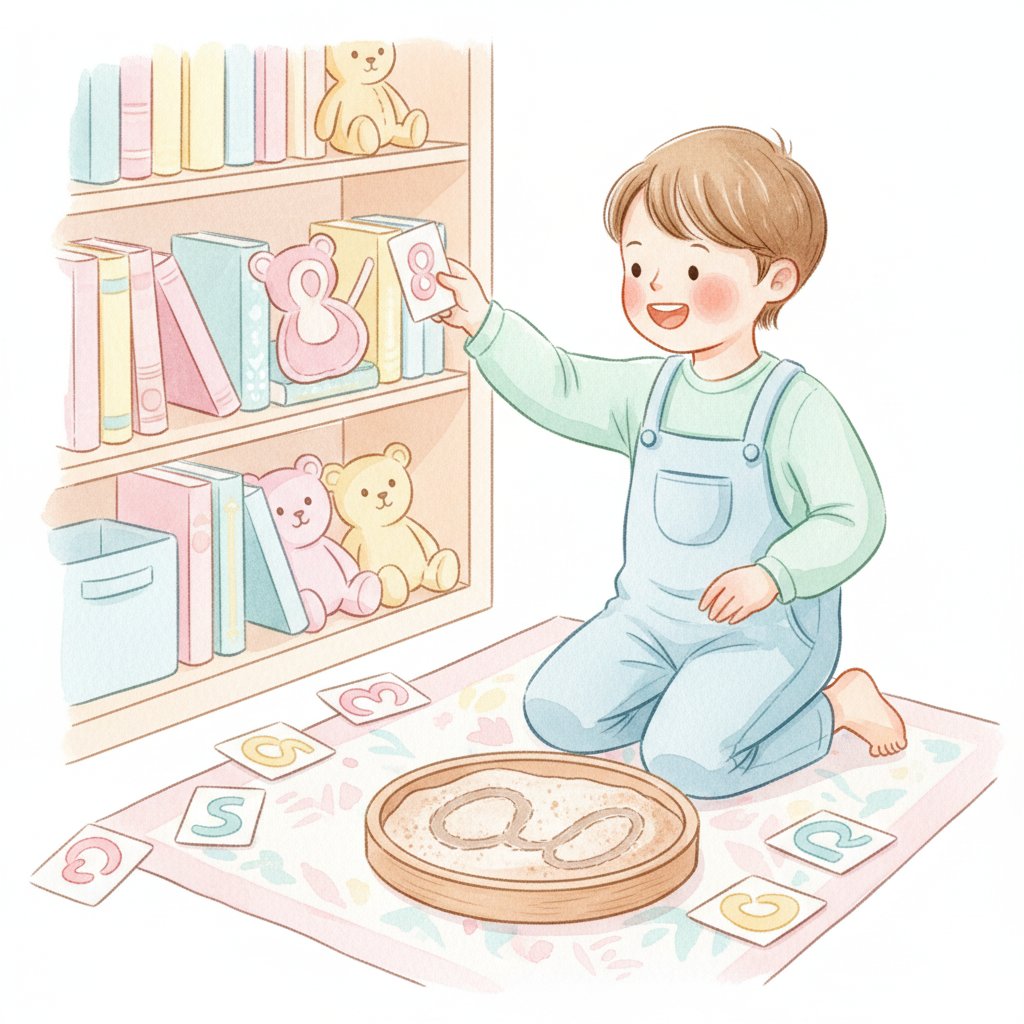
A child on an alphabet scavenger hunt, matching and tracing letters

Layer in letter knowledge alongside writing — the ability to recognize letters and know the sounds they make. An alphabet scavenger hunt (find something that starts with B) gets kids moving while connecting letters to their sounds. For a structured plan, our letter-of-the-week activities walk through one letter at a time, and our pre-writing skills guide and handwriting and pencil-grip guide cover the physical side of writing in depth.

Play: Where Language Becomes Understanding

Play is not the reward after the "real" learning — for preschoolers, play is the real learning. When children act out a story, set up a pretend store, or run a letter-sound game, they use language for a purpose, and purpose is what makes new words and concepts stick.

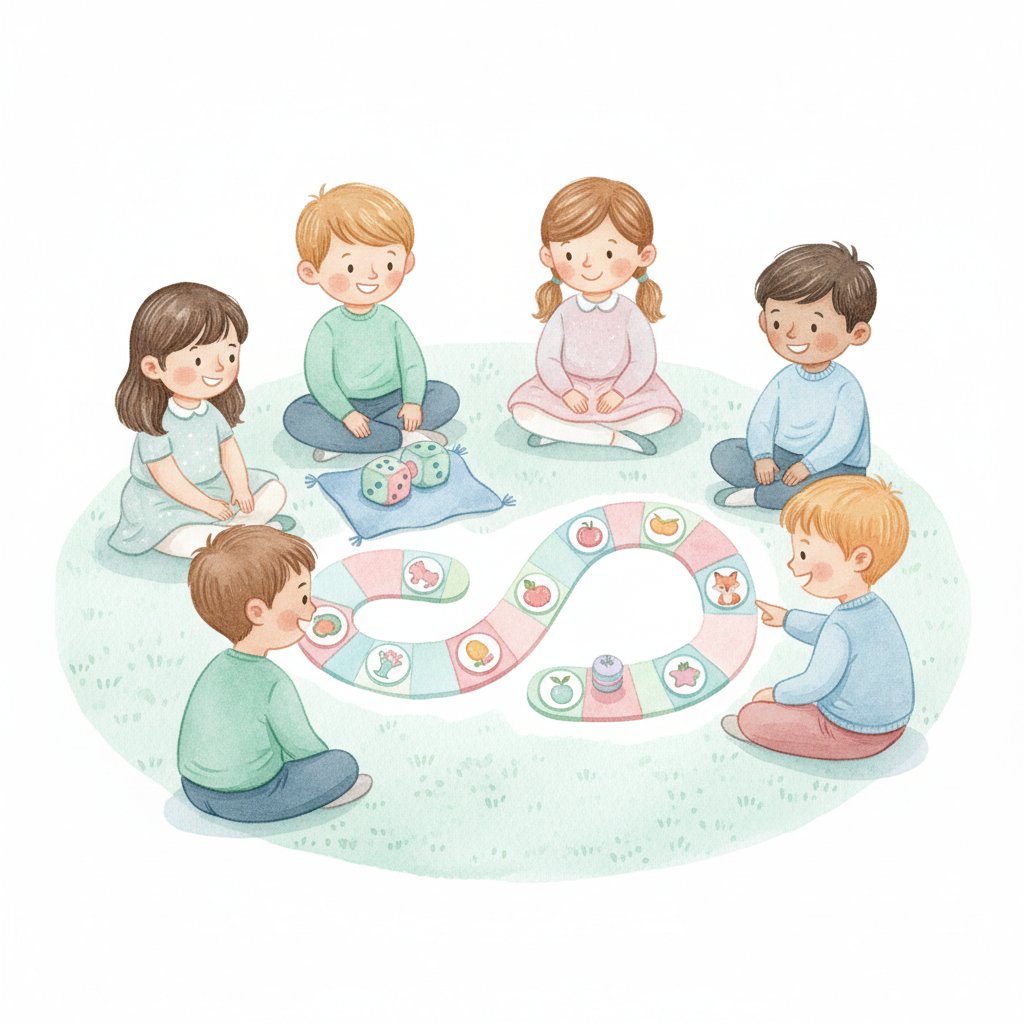
Children playing a colorful phonics path board game with dice

Turn literacy into games:

  • Story acting. After reading a book, act it out with props or stuffed animals. Retelling in the right order is sequencing practice — a foundational comprehension skill.
  • Letter-sound hop. Lay letter cards on the floor and call out a sound; your child hops to the matching letter. Combine movement with phonics and you double the retention.
  • Pretend play with environmental print. Set up a "restaurant," "post office," or "library." Menus, signs, and forms give children authentic reasons to read and write. (See our mail and writing activities for the post-office version.)
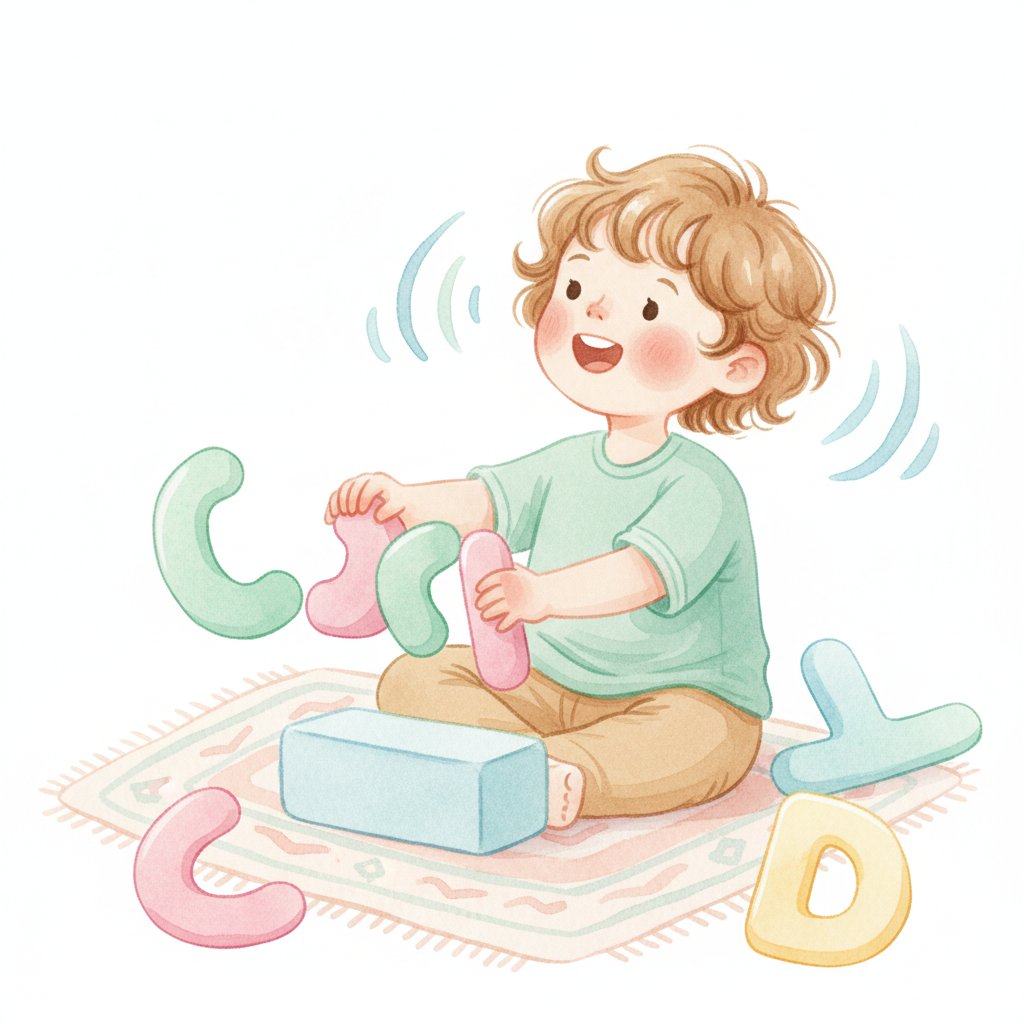
A child building a CVC word with magnetic letters

As letter-sound knowledge grows, gentle phonics play bridges the gap to real reading. Building simple consonant-vowel-consonant words (cat, mop, sun) with magnetic letters lets children physically swap one sound and watch a new word appear — the moment many children first understand that reading is a code they can crack. Our how to teach phonics with flashcards and phonics worksheets guides give you ready-made games for this stage.

Rhymes and animals turn the Play practice into instant games
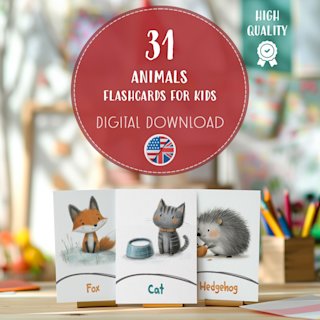
The Animal Alphabet Flashcards with Rhymes double as both a Sing and a Play tool: each card carries a mini rhyme and an animal to act out, so one deck powers rhyme time, sound games, and dramatic play. Add the Cute Animal Flashcards for sorting, matching, and 'find the one that starts with…' hunts that keep the Play practice fresh all week.

A 12-Month Progression: From First Sounds to Reading Readiness

You do not need to do everything at once. This progression sequences the five practices across a preschool year (roughly ages 3-5), so each month builds on the last. Move at your child's pace — a month here may take two, and that is fine. The point is the order, not the calendar.

Months 1-2: Fill the Tank (Talk + Sing)

Flood your child's day with rich talk and daily rhymes. Narrate everything you do. Read aloud often, but the goal is exposure and delight, not comprehension quizzes. Anchor practice: one rhyme of the week, repeated daily.

Months 3-4: Print Awareness (Read)

Add the habits of interactive reading — point to words, preview the cover, explain new words. Set up a face-out bookshelf. Your child starts to understand that print carries meaning and runs left to right.

Months 5-6: Letter Knowledge Begins (Read + Write)

Introduce letters through your child's name first, then one letter at a time. Pair each letter with its sound, not just its name. Add multisensory letter play (salt tray, playdough). Anchor practice: letter of the week.

Months 7-8: Phonological Awareness Deepens (Sing + Play)

Layer in syllable clapping, rhyme identification ("do these rhyme?"), and first-sound spotting ("what sound does dog start with?"). These listening skills are the direct precursors to decoding.

Months 9-10: Putting Sounds Together (Write + Play)

Start building and reading simple words with magnetic letters or letter tiles. Begin name writing and short drawing-and-labeling projects. Introduce a few high-frequency words by sight — our sight words guide covers which ones matter.

Months 11-12: Reading Readiness (Read + Play)

Re-read familiar books and let your child "read" the patterned parts. Play story-sequencing and retelling games to build comprehension. If your child is headed to school, check everything off against our kindergarten readiness checklist so there are no surprises.

By the end of the year, most children who follow this arc know most letter sounds, can hear and produce rhymes, write their name, retell a story in order, and approach books with confidence — the exact foundation a strong reader is built on.

Extend With Storytelling

Once the five practices are rolling, storytelling deepens them all. Encourage your child to tell you a story while you write it down and read it back — this makes the powerful connection between their own spoken words and written text. Acting out stories builds narrative skills and vocabulary simultaneously.

A child retelling a story with a picture book to a teacher

Our storytelling activities and fairy-tales activities give you dozens of story-stretching ideas, and our vocabulary activities help you keep growing the word bank that reading depends on.

Frequently Asked Questions

At what age should I start literacy activities?

From birth. Babies benefit from being talked to, sung to, and read to long before they can respond. The preschool window (ages 3-5) is when these early experiences turn into the specific skills — letter knowledge, phonological awareness, print concepts — that decoding rests on.

How long should a literacy activity last?

For a three-year-old, five to ten focused minutes is a win; a four- or five-year-old can often sustain ten to fifteen. Many short sessions beat one long one. Follow your child's interest and stop while it is still fun.

Do I need to teach my preschooler to read words?

Usually not yet. Most children learn to decode words around age five to six. Preschool literacy is about building the foundation — oral language, letter sounds, a love of books — so that decoding comes easily and joyfully when the time is right.

My child knows letter names but not sounds. Is that a problem?

It is very common. Letter names are easier to learn from songs, but letter sounds are what reading uses. Gently shift your emphasis to sounds: "This is B, and B says /b/." Our alphabet activities focus on sound-first introductions.

What if my child does not like sitting still for books?

Movement is a feature, not a bug. Try reading during snacks or bath time, choose interactive books with flaps or actions, and let your child hold a toy to fidget with. Active children often love acting out the story afterward — see the Play practice above.

How do I know if my child is ready for kindergarten?

Readiness is about more than letters. Our kindergarten readiness checklist covers literacy alongside social, motor, and self-help skills so you can see the whole picture.

Happy reading, singing, and playing — one small moment at a time, you are building a reader.