Articles17 min read

Science Activities for Preschoolers: The Six Domains and the Thinking Skills Behind Them

A complete preschool science framework — six content domains from life science to the human body, all anchored in the scientific thinking skills (observe, predict, compare, question) that turn a curious three-year-old into a confident young investigator.

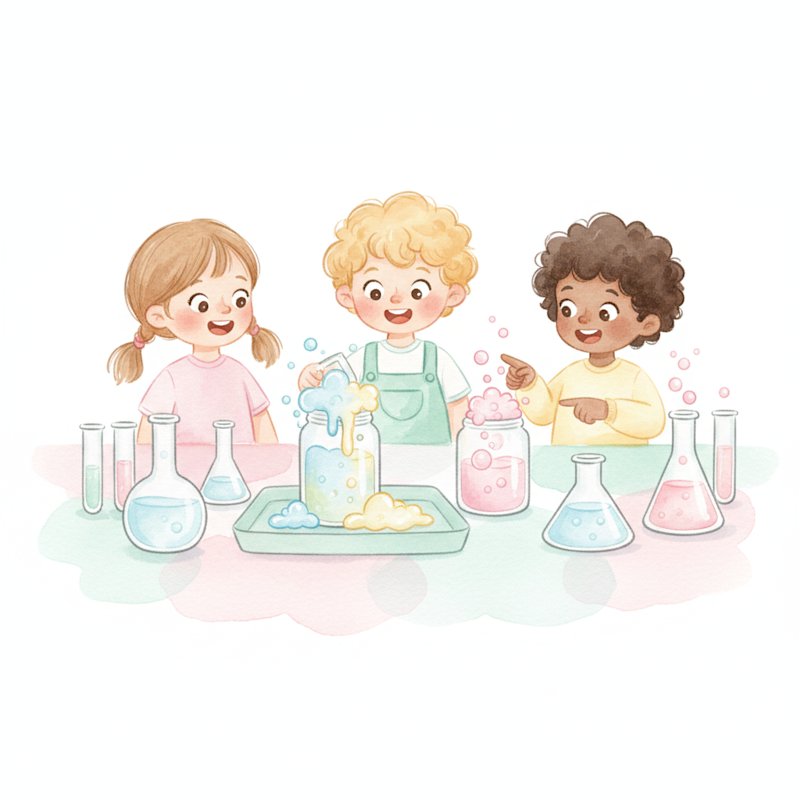
Young children doing a colorful bubbling science experiment with wonder, soft watercolor

The Day We Melted Ice to Rescue the Dinosaurs

It was a cold January morning and I had four preschoolers, a frozen block of ice with plastic dinosaurs trapped inside, and three bowls: one of warm water, one of cold water, and one of salt. "How do we get the dinosaurs out?" I asked. For the next forty minutes, no one asked to do anything else. They poured warm water and the ice hissed. They poured salt and the ice cracked. Theo, age four, held his hand over the warm bowl and then the cold one and said, "The warm one is working faster — I can feel it." Lena predicted the salt would "cut" the ice, then tested it and watched a crack race across the block. By the time the last T-rex was free, those children had observed, predicted, compared, tested, and revised an idea — which is to say, they had done science.

The remarkable thing about preschool science is that the facts barely matter and the thinking matters enormously. A four-year-old will forget whether salt lowers the freezing point of water. They will keep the habit of asking "what if" and then finding out. That habit is the real prize, and it is what every science activity for preschoolers in this guide is designed to build.

This article is organized around a six-science-domain framework — life science, physical science, earth and space science, material science, environmental science, and human body science — and it is anchored throughout in the scientific thinking skills (observing, predicting, comparing, classifying, questioning, and communicating) that run across all six. Start with the thinking skills, because they are the engine; then use the six domains as the fuel. If you want to jump straight to hands-on experiments, our science experiments guide has 20+ you can set up in ten minutes.
The Real Goal: Scientific Thinking Skills

Before the domains, the skills. When researchers and early-childhood educators talk about "doing science" with three-, four-, and five-year-olds, they are almost never talking about content. They are talking about a small set of science process skills — ways of using the mind and the senses — that children practice over and over until they become automatic. The National Science Teaching Association and every major preschool science framework treat these skills as the foundation that later content is built on, because a child who can observe and question can eventually learn any science; a child who only memorizes facts cannot.

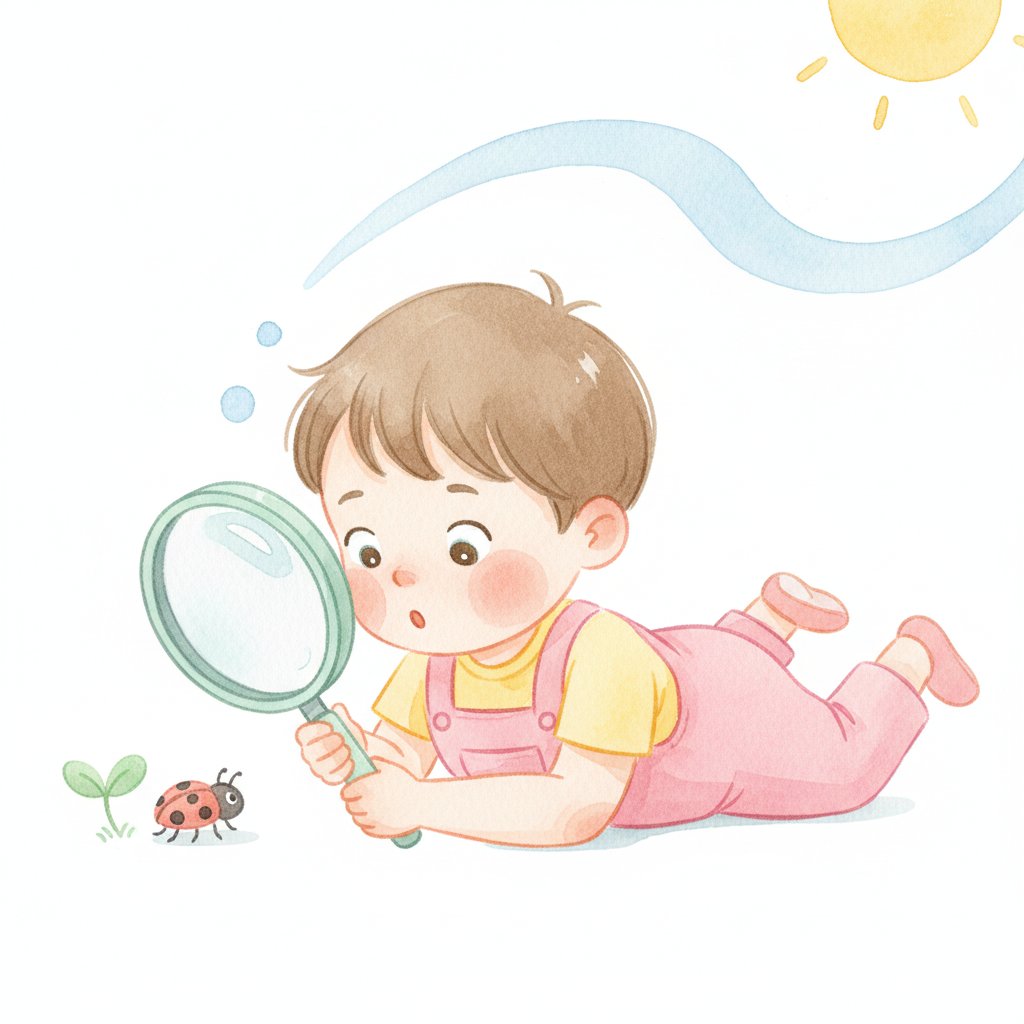
A curious young child observing a small object closely through a magnifying glass

The six skills to nurture first:

1. Observing. Using the senses on purpose to notice detail. "The ice is cloudy on top and clear underneath." Observation is where every investigation starts, and it is the one skill preschoolers practice naturally if you slow down and ask, "What do you notice?"

2. Predicting. Making a thoughtful guess before you test. "I think the rock will sink." A prediction isn't right or wrong — it is a hypothesis that gives a child a reason to look closely at the result.

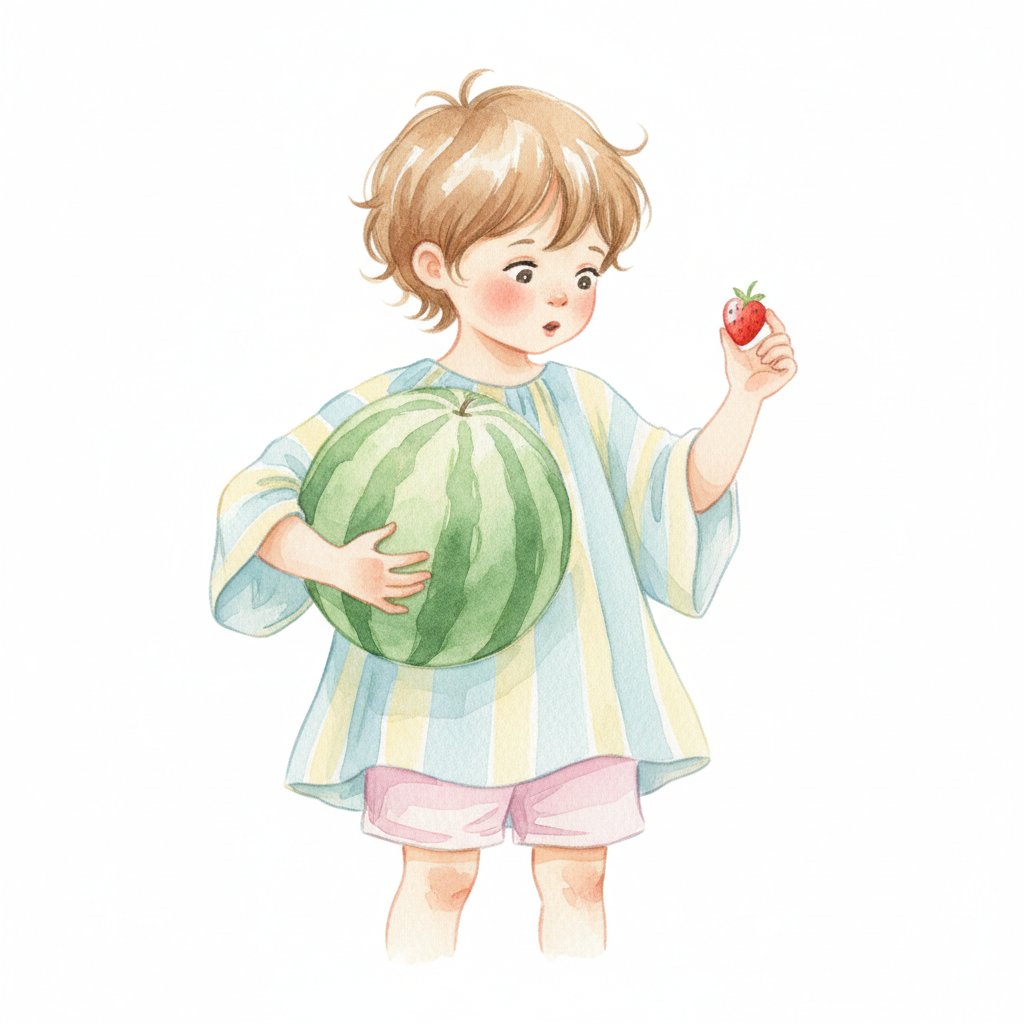
3. Comparing. Noticing how things are the same and different. Bigger, smaller, heavier, louder, faster, rougher. Comparison is the root of measurement and classification, and it is why preschool science leans heavily on "which one" questions.

A child comparing a big watermelon and a tiny strawberry

4. Classifying. Sorting objects into groups by a rule — by color, shape, size, whether they float, whether they're alive. Classification is how children build the categories that science depends on, and it shows up everywhere from sorting buttons to sorting "living" vs "non-living."

5. Questioning. Asking "why," "what if," and "how" — and then, crucially, having an adult who says "let's find out" instead of supplying an answer. The question matters more than the answer at this age.

6. Communicating. Describing what happened, drawing it, marking it on a chart. A child who records "sunny, sunny, rainy, sunny" on a weather calendar is doing real data work.

You do not teach these skills by naming them. You teach them by choosing activities that require them — and then narrating the skill back to the child: "You just compared the two rocks — that's what scientists do." The six domains below are chosen precisely because each one is rich territory for practicing these skills. For a deeper dive into the classification skill at the heart of them all, see our sorting and categorizing activities — sorting objects by a rule is science thinking in its purest form.

Turn "why?" into an investigation — keep the tools where the questions happen
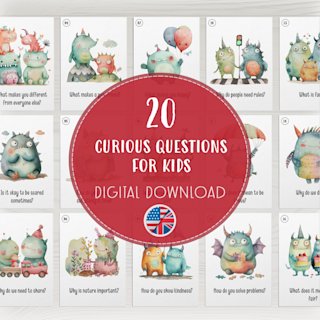
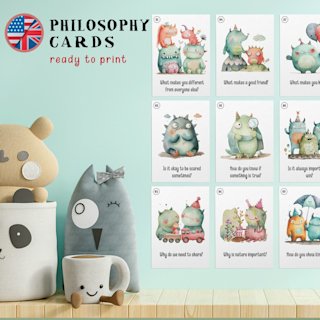
Two printable decks turn the Questioning and Communicating skills into daily games. The Critical Thinking Flashcards give preschoolers starter prompts like 'What would happen if…?' and 'How could we test that?' so a curious moment becomes an experiment. Pair them with the Curious Questions Flashcards, a deck of age-perfect 'why' questions ('Why does ice melt?') that invite a child to predict before you investigate together. Keep both in your science basket so the next 'why' has a ready answer.

The Six Science Domains: A Preschool Framework

Science content for preschoolers divides cleanly into six domains. You do not need to cover them in order or all in one year — think of them as six doors into the same thinking skills, so a child who is obsessed with dinosaurs can live in life science for a month while a child who loves mixing paint can live in material science. Over a preschool year (roughly ages 3-5), most children should wander through all six.

DomainBig IdeaSample Question
1. Life ScienceLiving things grow, change, and have needs"What do plants need to stay alive?"
2. Physical ScienceForces, motion, light, and sound"Why did the ball roll faster?"
3. Earth & Space ScienceWeather, seasons, rocks, the sky"Where does rain come from?"
4. Material ScienceMatter changes when mixed, heated, or cooled"What happened to the salt in the water?"
5. Environmental ScienceThe natural world and how we care for it"Where does our trash go?"
6. Human Body ScienceHow bodies work and how to keep them healthy"Why does my heart beat faster when I run?"
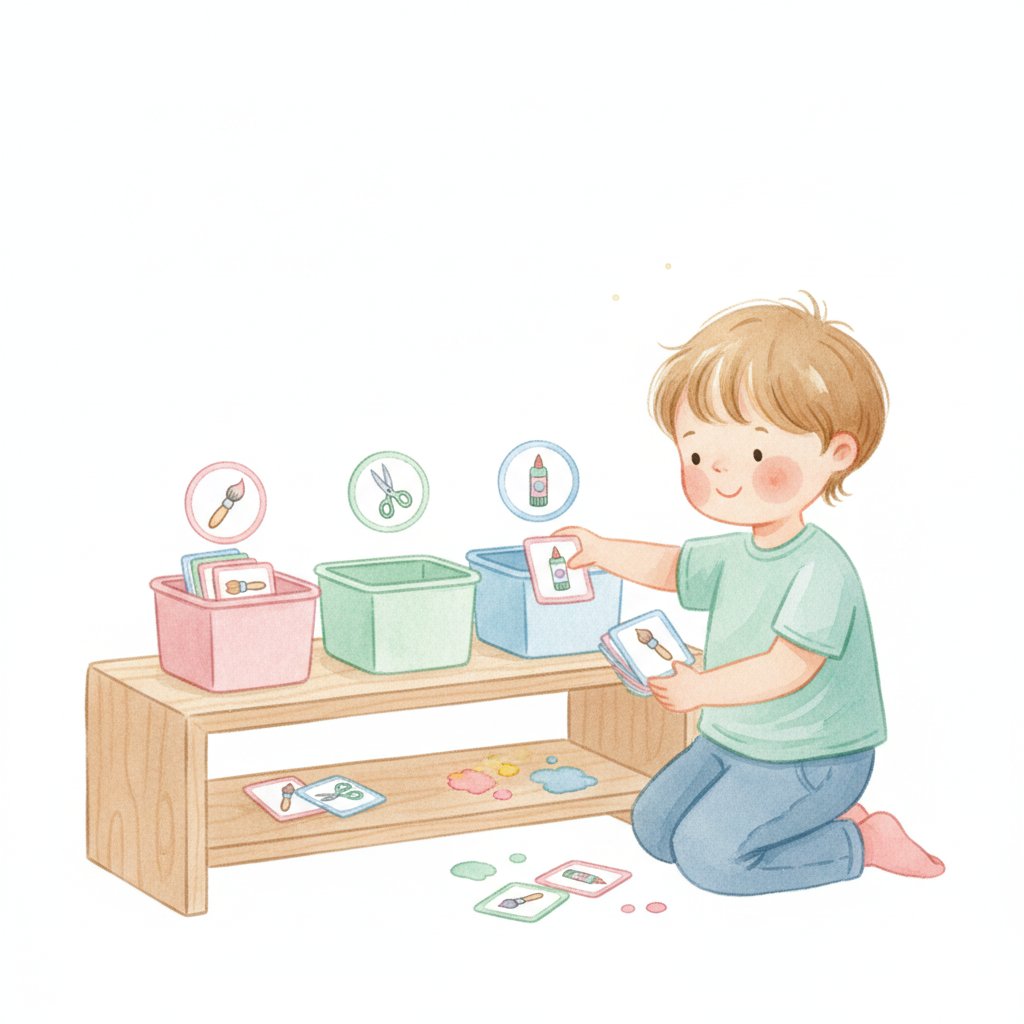
A child matching picture labels to colored bins on a shelf

A small, permanent science center makes all six domains accessible every day. You need almost nothing: a tray, a magnifying glass, a few collecting jars, something to measure with, and a spot to display "what we're observing this week" (a sprouting seed, a rock collection, a weather chart). Rotate the focus every two to three weeks so the center stays interesting. The rest of this guide walks each domain with activities, the thinking skill each one targets, and how to extend it.

Domain 1 — Life Science: Living Things Grow and Change

Life science is the natural entry point for preschoolers because children are already fascinated by anything alive — bugs, pets, sprouting seeds, their own bodies. The two big ideas to plant early are that living things have needs (food, water, air, shelter) and that living things change over time (seeds become plants, caterpillars become butterflies, babies become big kids). Both ideas are catnip for the observing and comparing skills.

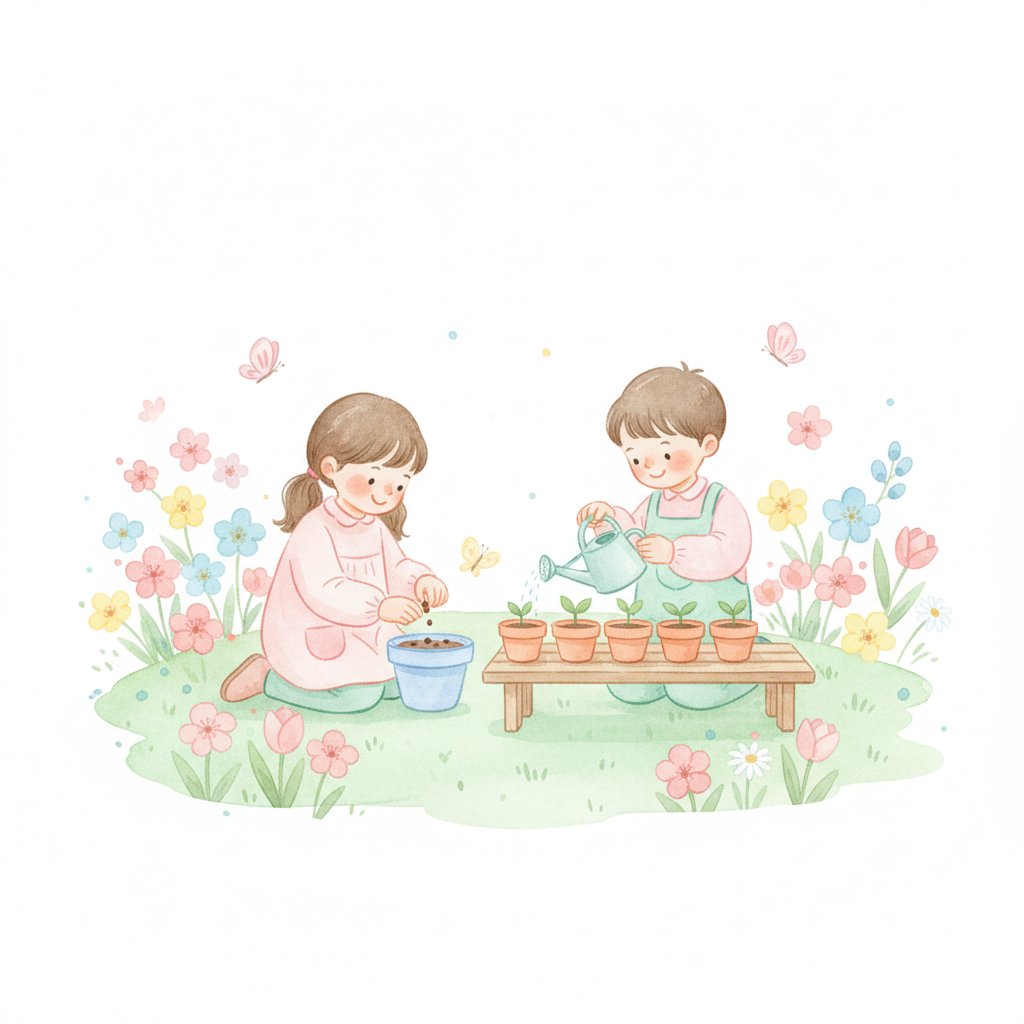
Children planting seeds and watering sprouts among spring blossoms

Seed-in-a-bag. Tuck a damp paper towel and a few beans into a zip bag taped to a sunny window. Roots appear in two to three days; shoots follow. Children observe daily and draw what they see — a multi-week exercise in observation, prediction, and communicating data. Run a second bag in a dark cupboard and compare: do plants need light? That single comparison is a controlled experiment. Our plant and seed growing activities extend this into a full garden unit.

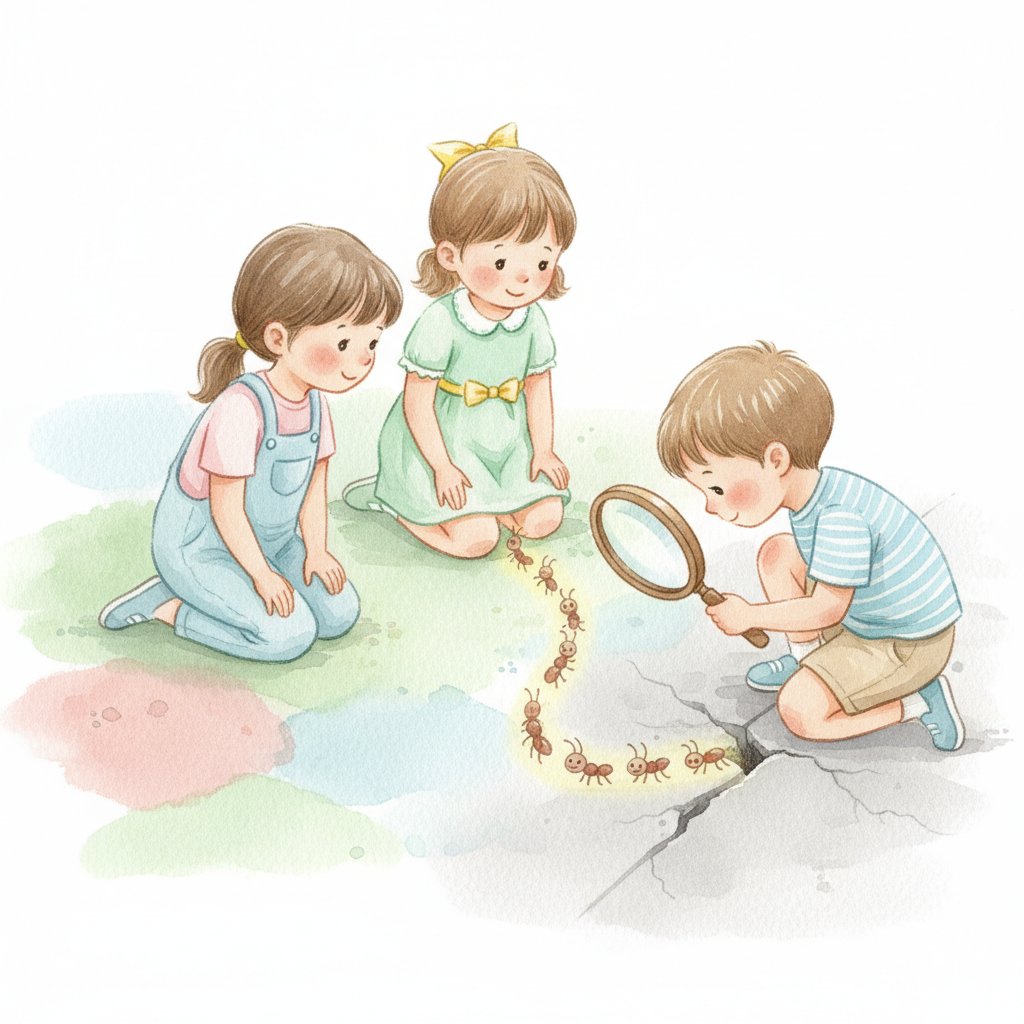
Creature observation. Set out a slice of apple near an ant trail and watch for ten minutes. Children follow the ants with a magnifying glass, count them, and notice how one ant's find becomes a highway. This is authentic animal-behavior science. For a classroom-friendly version, see our insects and bugs activities.

Children following a trail of ants on a playground with a magnifying glass

Life-cycle sequencing. Gather picture cards of egg, caterpillar, chrysalis, butterfly and let children put them in order. Sequencing a life cycle is classification and communication rolled together — and it makes the abstract idea of "change over time" concrete. Pull in the dinosaur activities guide for a prehistoric twist on "living things that used to exist."

Domain 2 — Physical Science: Forces, Motion, Light, and Sound

Physical science is where preschoolers meet cause and effect in the most satisfying possible way: push this, that moves; shine a light here, a shadow appears there. The big ideas are forces make things move or stop, light behaves in surprising ways, and sound is something we can feel. This domain is irresistible to children who learn through their bodies.

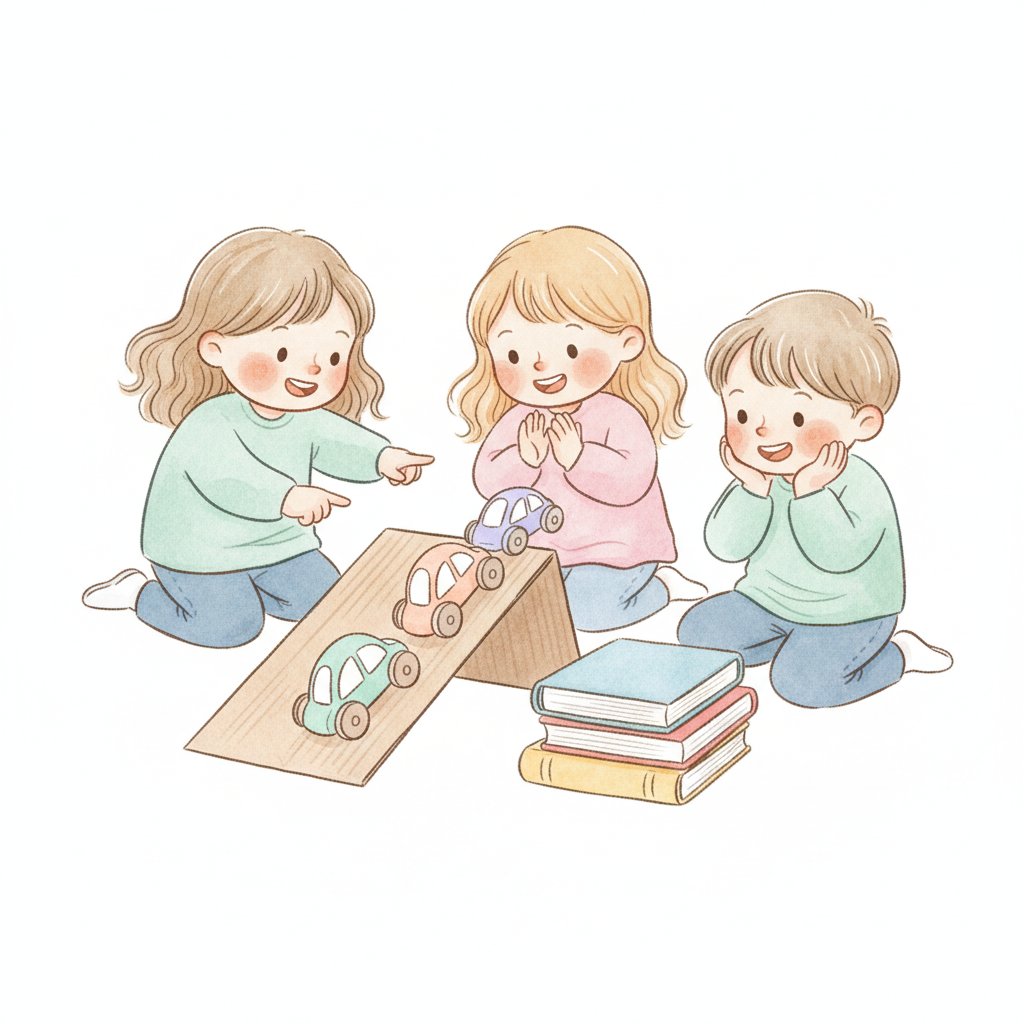
Cheerful young children racing toy cars down a cardboard ramp propped on books

Ramp engineering. Prop a cardboard ramp on books and race toy cars of different sizes. Change one thing at a time — the ramp's height, the car's weight, the surface (smooth cardboard vs rough towel). Each change is a variable a child predicts, tests, and compares. "Why did the heavy car go farther?" leads straight to the idea of momentum, without ever naming it.

Magnet sorting. Give children a magnet wand and a tray of objects and ask them to sort into two piles: "sticks" and "doesn't stick." The discovery that not all metals are magnetic (try an aluminum can) is a genuine surprise that rewards careful classification. Our magnet activities guide has 20+ variations.

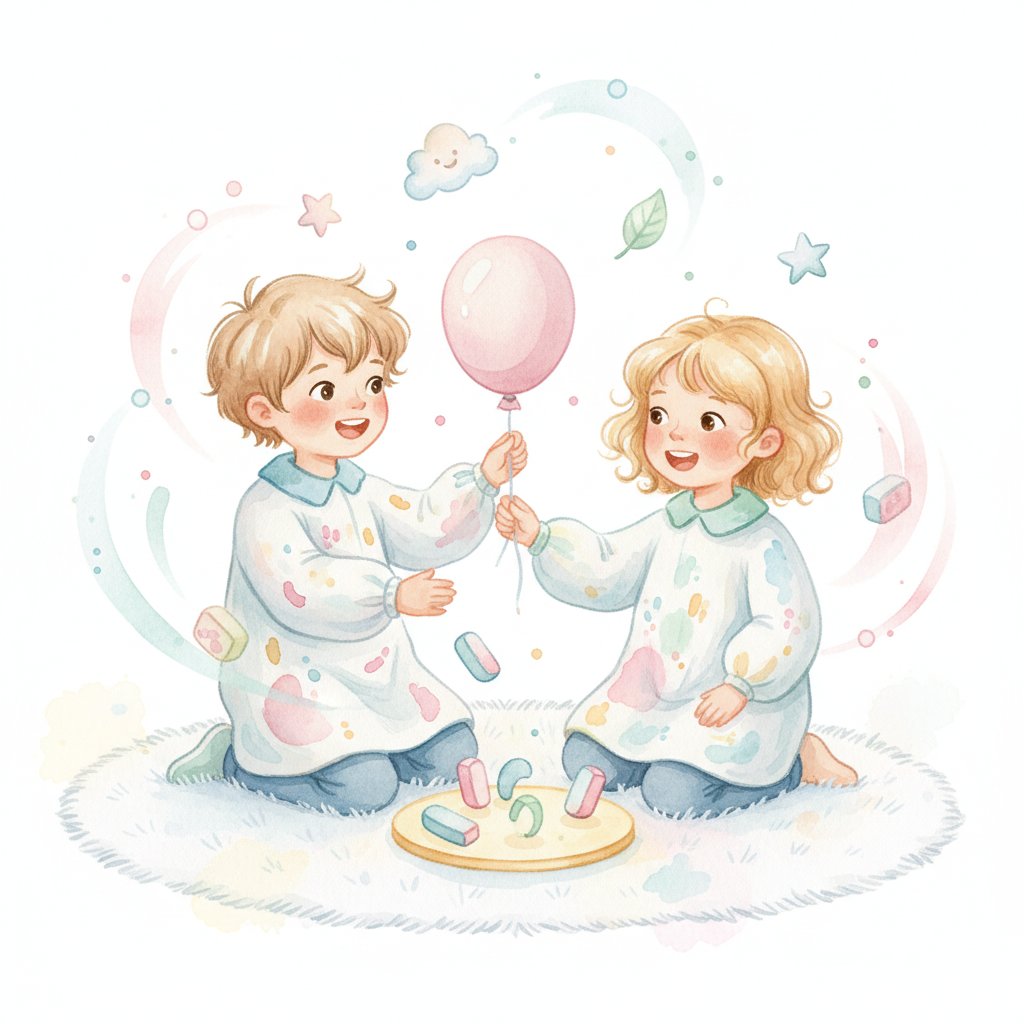
Young children doing a physics experiment with a balloon and magnets, soft watercolor

Shadow and light lab. In a dark corner, shine a flashlight at a wall and make hand-shadow animals. Move the light closer and farther and watch the shadow grow and shrink. This single corner teaches that light travels in straight lines and that shadows change with distance — the foundation of everything from sundials to astronomy. For the colorful side of light, hold a prism (or a CD) in sunlight and hunt for rainbows; pair it with our color activities guide to connect physics with art.

Domain 3 — Earth & Space Science: Weather, Seasons, and the Sky

Earth and space science is the domain that arrives at your door every morning, because the weather is a daily, observable, record-able phenomenon. The big ideas are weather changes day to day but follows patterns, seasons cycle in a predictable order, and the sky holds the sun, moon, and stars. This domain is unmatched for teaching the communicating skill, because weather is the easiest thing for a preschooler to record on a chart.

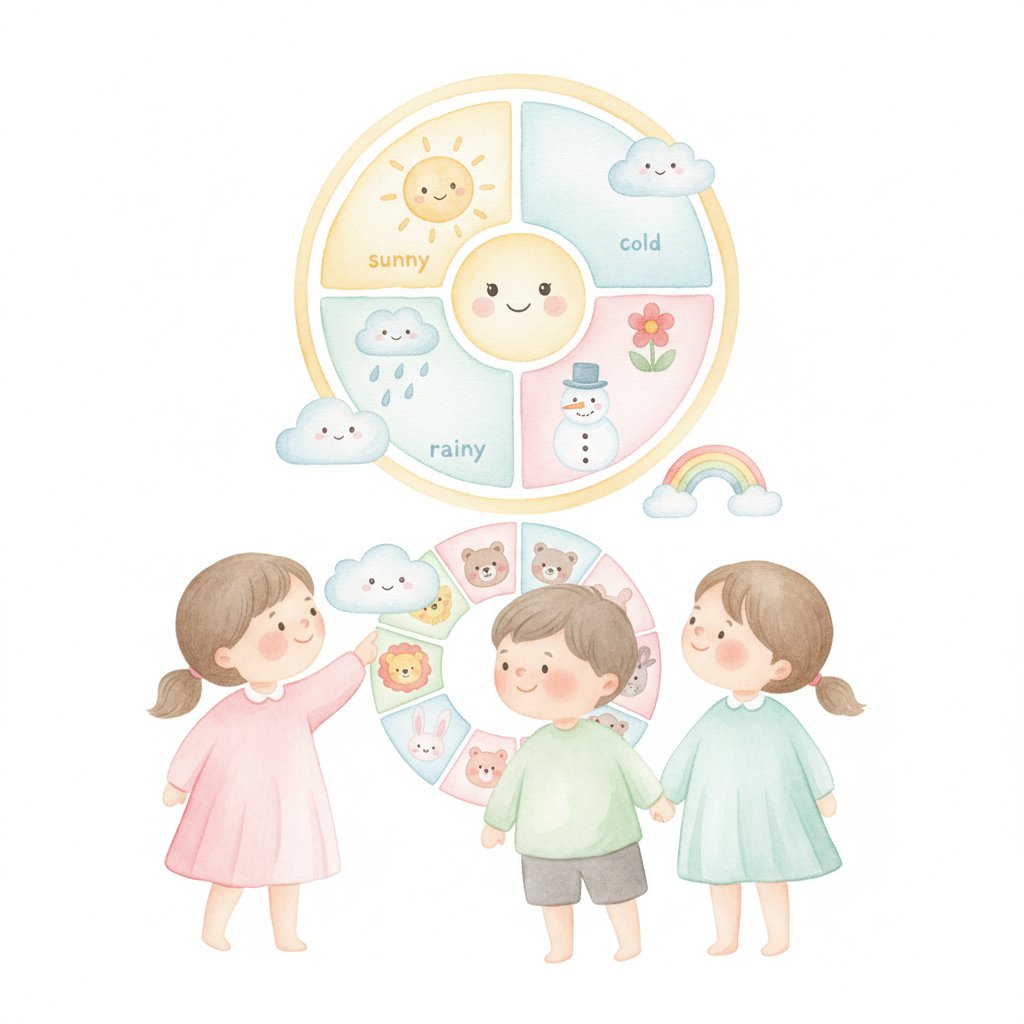
Children looking at a friendly weather and calendar display together

Daily weather journal. Each morning, children look outside, choose a weather card, and place it on a weekly chart. By Friday, the chart is real data: "How many sunny days? How many cloudy?" Counting and comparing the chart is a child's first graph. Long-term, children notice seasonal patterns themselves. Our weather activities guide builds this into a full unit.

Wind detectives. On a breezy day, take streamers, a pinwheel, and bubbles outside. Which way is the wind blowing? Does the pinwheel spin faster or slower? Children learn to infer the invisible (moving air) from the visible (bending streamers) — a core scientific reasoning move.

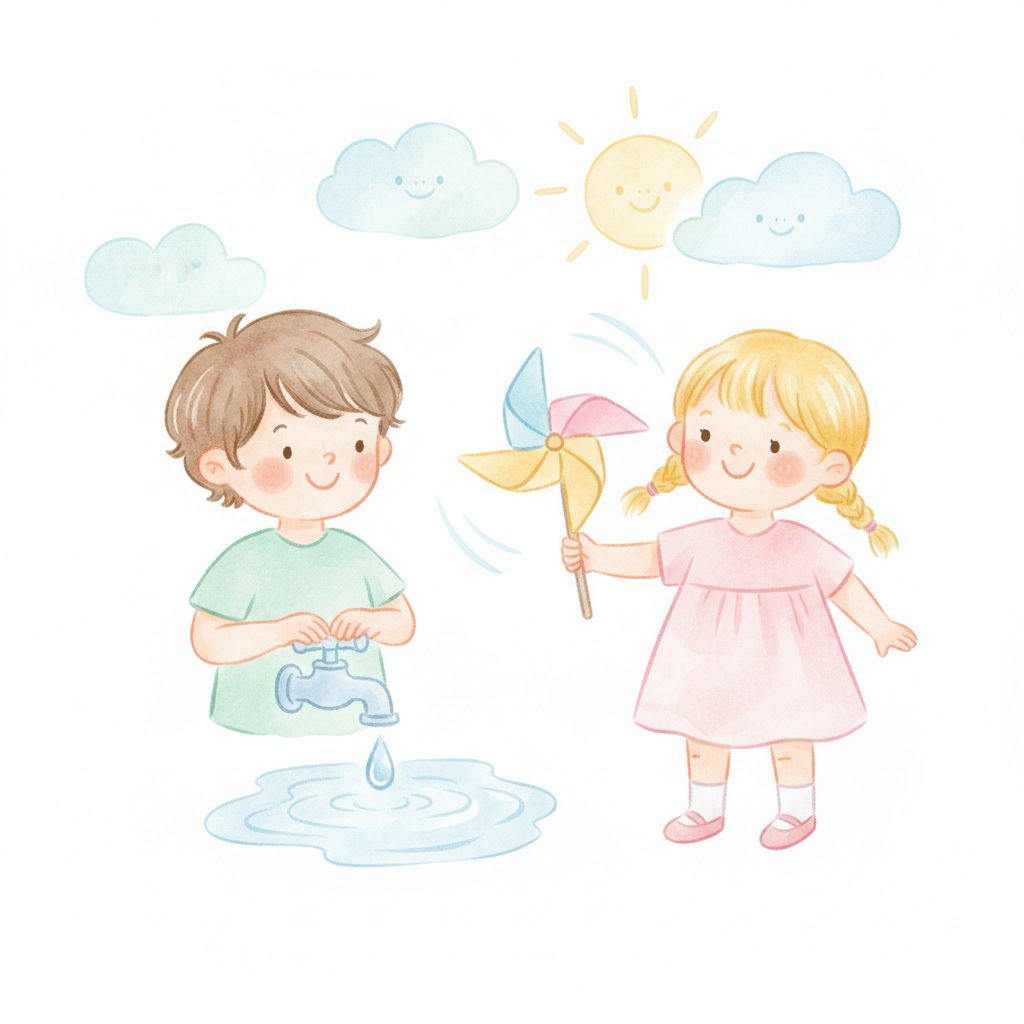
Children saving water by turning off a faucet and watching a pinwheel spin in the wind

Night-sky watching. Step outside after dinner and look for the moon. Draw its shape in a journal each night for two weeks. Children are stunned to watch it change — a gentle, wonder-filled introduction to the solar system that needs no telescope. Our space activities guide takes this much further, and it pairs naturally with the STEM activities that introduce technology and engineering alongside the science.

A child counting stars and drawing the moon in a journal at night
A science wall turns daily weather and observation into a habit
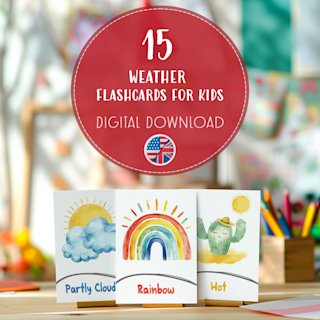
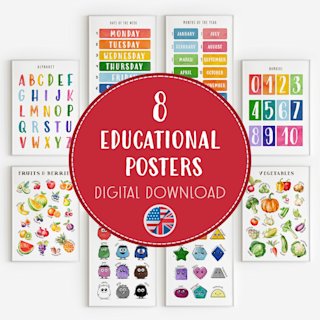
The Weather Flashcards make the daily weather journal effortless: eight clear cards children hold up to match the sky, then place on the weekly chart. Add the Educational Posters Set — alphabet, numbers, colors, shapes, and more — to build a print-rich science corner where the days of the week, weather words, and the human body are all visible at eye level. A science wall is the single highest-leverage setup for turning casual noticing into recorded data.

Domain 4 — Material Science: How Matter Mixes, Melts, and Changes

Material science (the preschool version of chemistry) is pure magic to a four-year-old because the changes are immediate and often messy. The big ideas are materials have properties (hard, soft, soluble, magnetic), mixing materials can make something new, and heating and cooling change things. This domain practices predicting and observing at full intensity, because children genuinely cannot guess what will happen — and then it does.

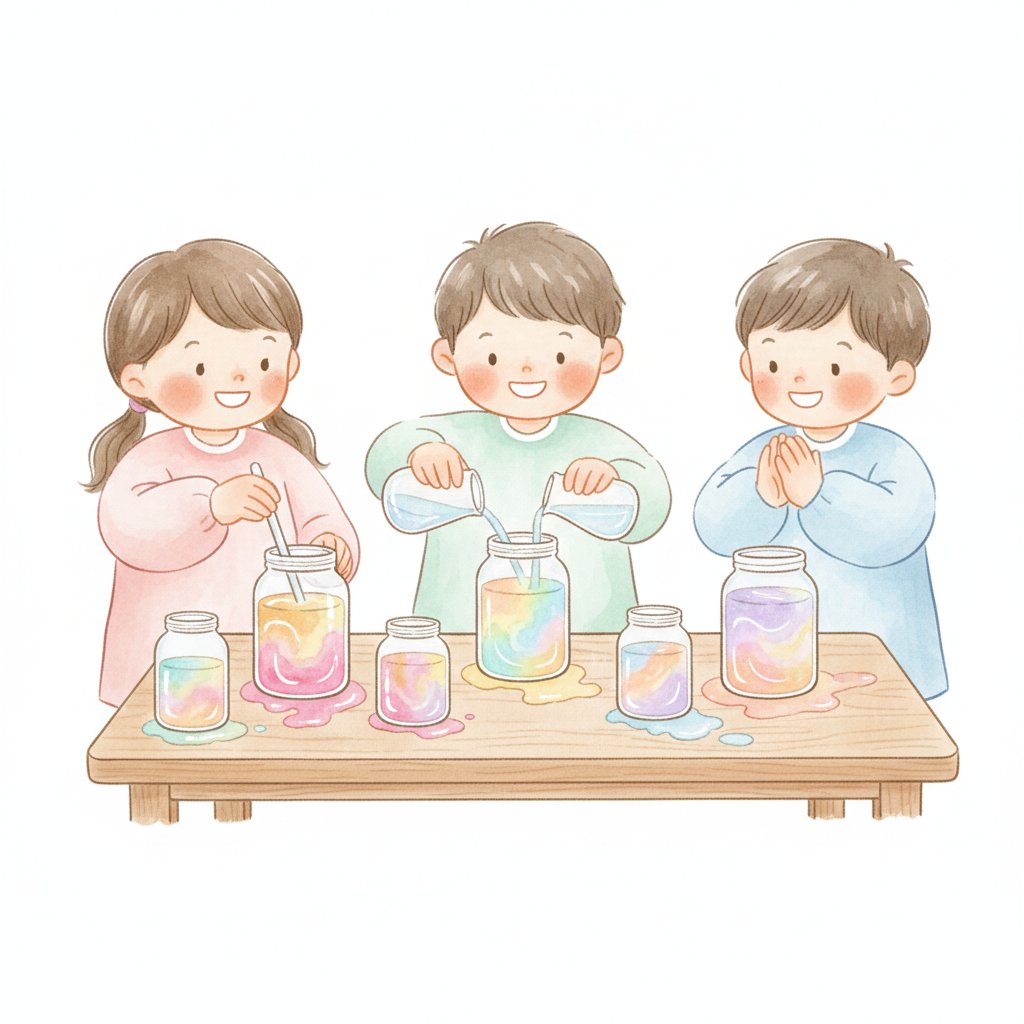
Children mixing colorful liquids in jars making swirling rainbow colors

Color chemistry. Set out cups of red, blue, and yellow water with eyedroppers and let children mix. The first time a child makes green from blue and yellow, you can see the idea land: combining things can create something that wasn't there. Extend by asking children to predict each combination before they test it — prediction plus comparison in one tray. Our science experiments guide has the full baking-soda-and-vinegar volcano and dancing-raisins protocols.

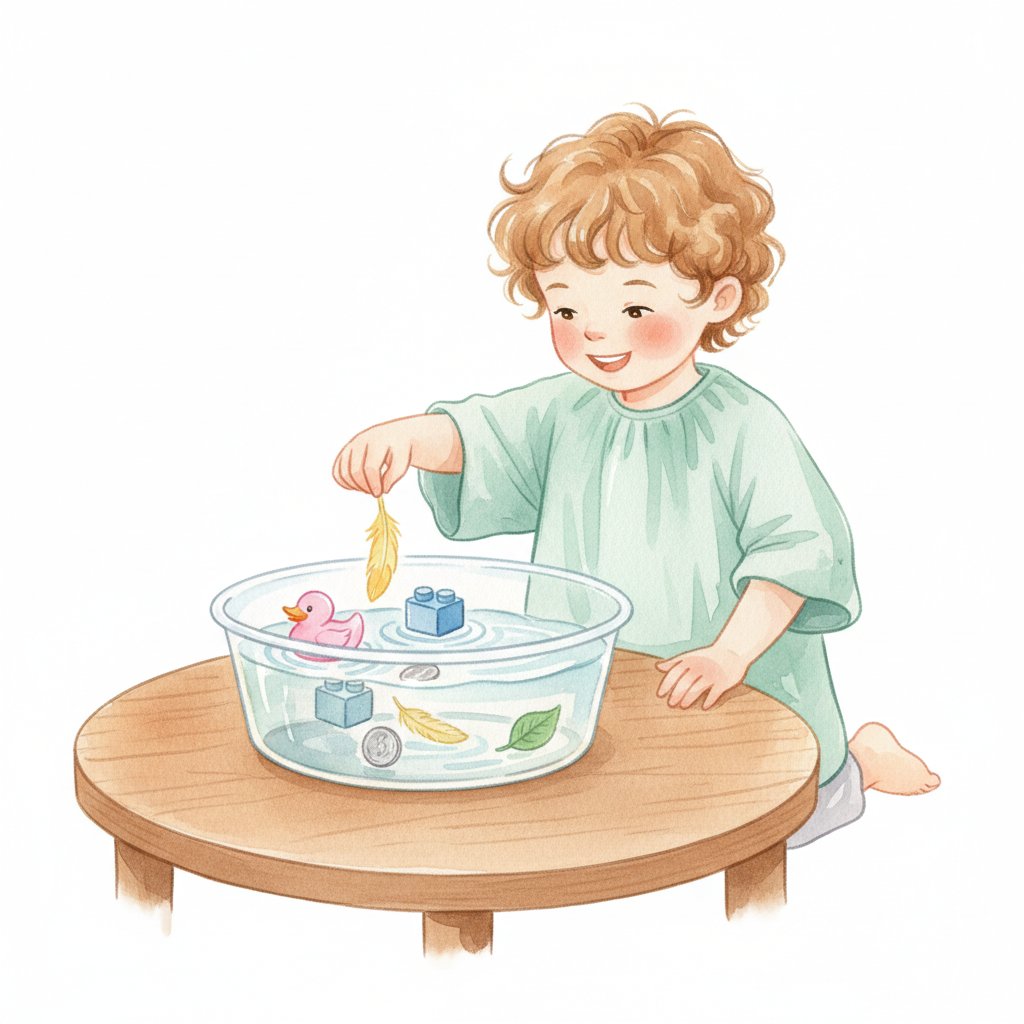
Sink or float. A tub of water and a basket of objects is a complete investigation. Children predict for each object, then test, then sort results into two labeled trays. The surprises are memorable — a tiny rock sinks while a huge apple floats — and they teach that size is not the same as density, long before the word "density" appears.

A young child dropping objects into a clear tub of water to test sink or float

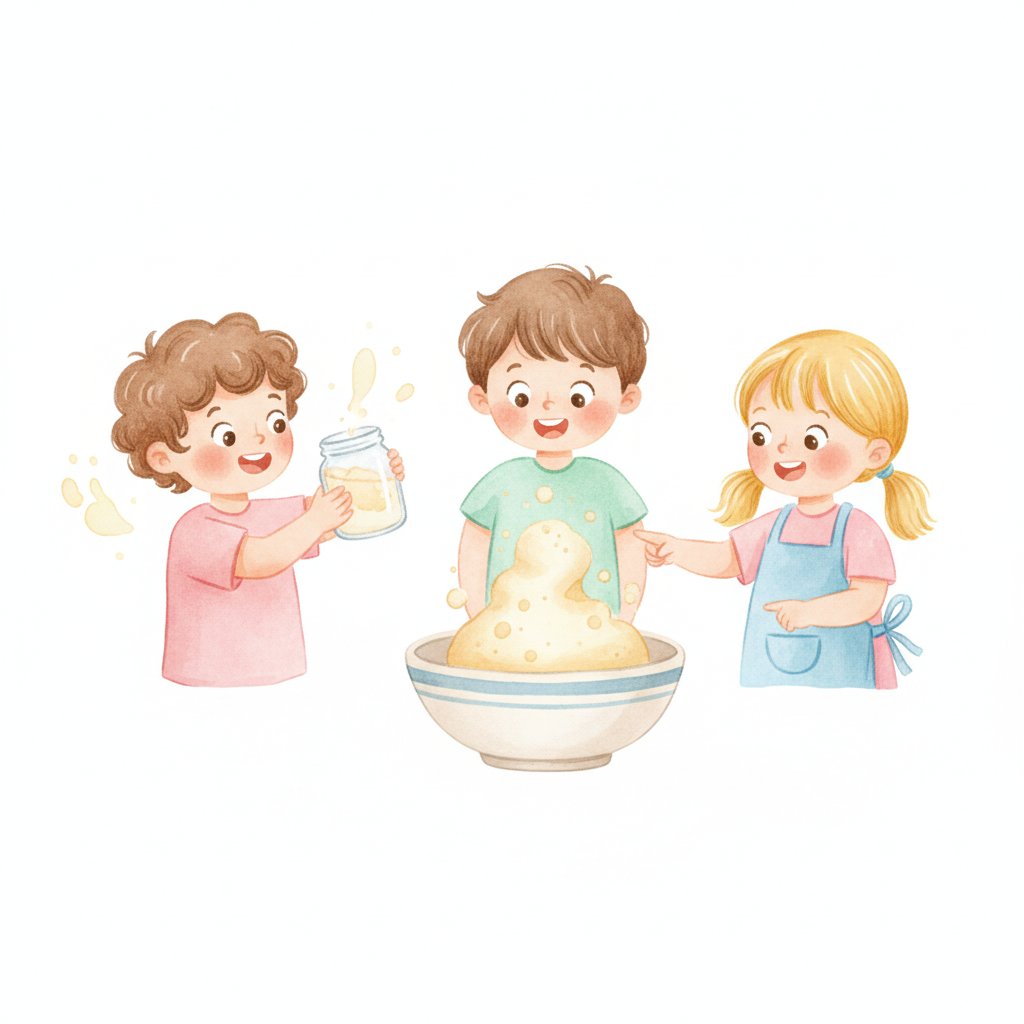
Change-it tests. Shake a jar of cream until it becomes butter. Melt an ice cube in warm water vs cold. Dissolve sugar, salt, and sand in water and compare. Each is a mini-experiment in how matter changes under action — and each one ends with a real result a child can see, taste, or feel. The kitchen is a fully stocked science lab; our cooking activities guide shows how to turn snack time into measurement and chemistry practice.

Children shaking a jar of cream to make butter in a kitchen science experiment

Domain 5 — Environmental Science: Understanding and Caring for Our World

Environmental science connects the other domains to the child's own backyard and neighborhood. The big ideas are we share the world with other living things, materials can be reduced, reused, and recycled, and small actions keep habitats healthy. This domain is where science meets citizenship, and it is especially powerful for the comparing and classifying skills.

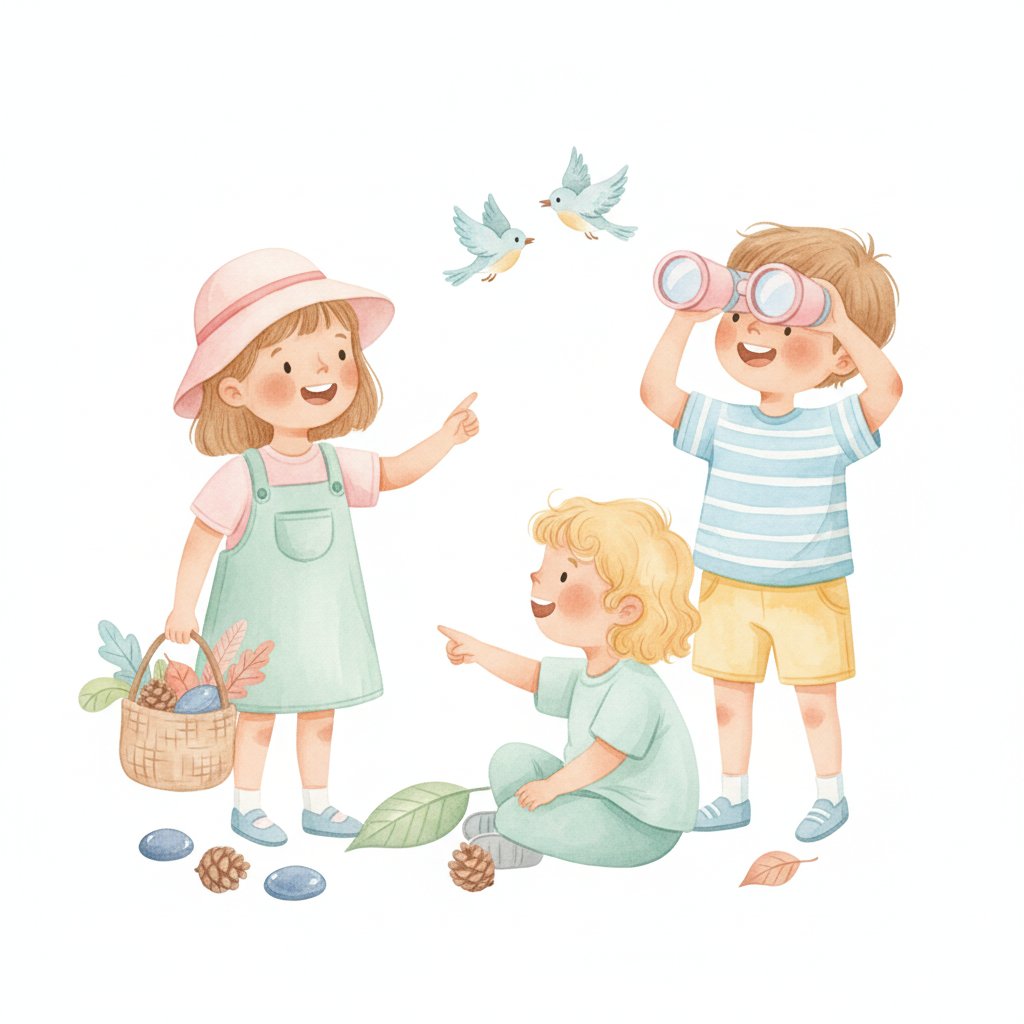
Children on a nature treasure hunt collecting leaves and stones and bird watching with binoculars

Nature treasure hunt. Give each child a basket and a card of things to find (a smooth rock, a brown leaf, something green, something that was once alive). Sorting the haul back in the classroom — by texture, by color, by living-vs-once-living — is classification at its richest, and it builds the vocabulary ("veins," "bark," "seed pod") that deeper science depends on. Our outdoor learning activities are built around this kind of nature-based exploration.

Sort-the-trash challenge. Lay out clean items — paper, plastic, metal, food scrap — and have children sort them into "recycle," "compost," and "landfill." This is classification with real stakes, and it makes the abstract idea of waste concrete. Extend into our Earth Day and nature activities for a full Reduce-Reuse-Recycle unit.

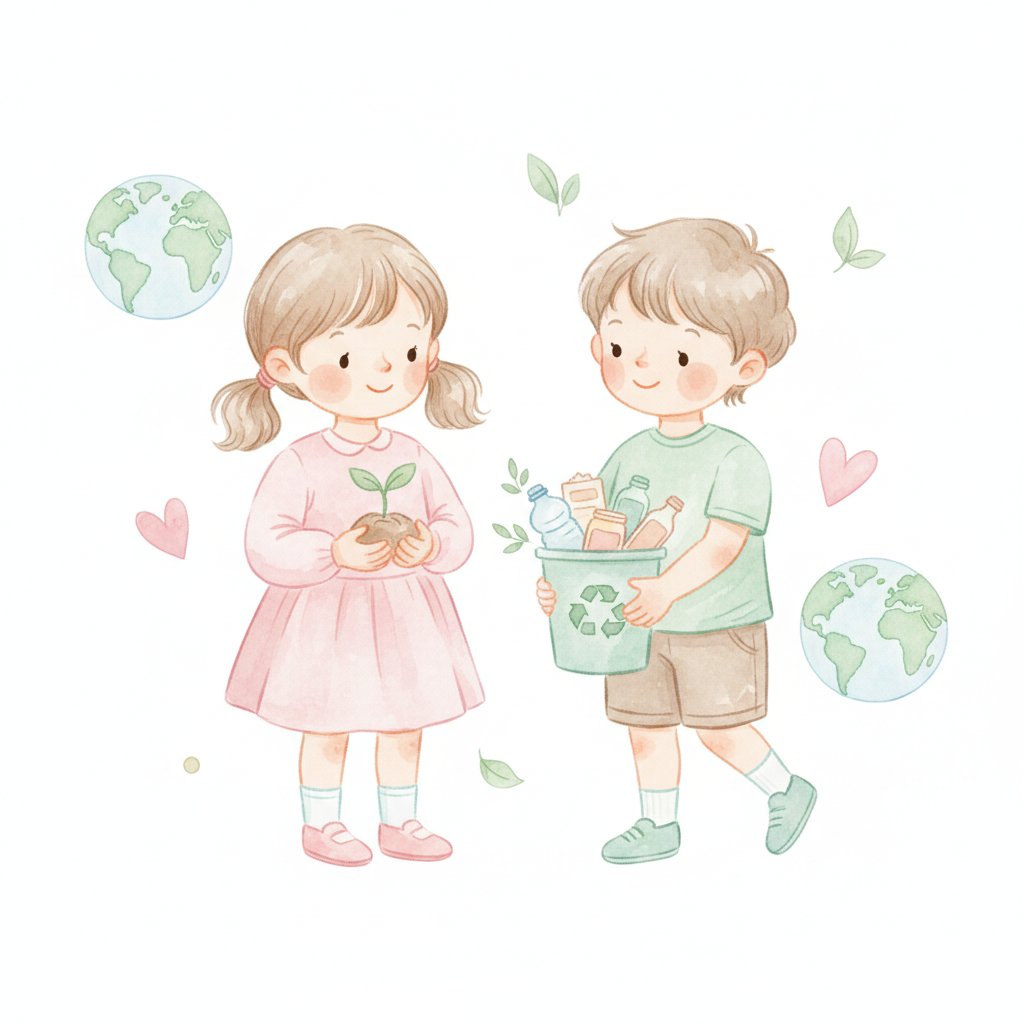
Children caring for the earth with a seedling and a recycling bin

Habitat building. After observing ants or birds, build a model habitat in a shoebox — what does this animal need to survive? Food, water, shelter, space. Designing a habitat forces children to synthesize everything they've observed about a creature's needs, which is the communicating skill applied to empathy and ecology.

Domain 6 — Human Body Science: How Bodies Work and How We Care for Them

The last domain is the one closest to home: the child's own body. The big ideas are bodies have parts with jobs (the heart pumps, lungs breathe, bones hold us up), we use our senses to learn about the world, and we can keep our bodies healthy with food, movement, sleep, and washing. Children are riveted by this domain because the subject is themselves.

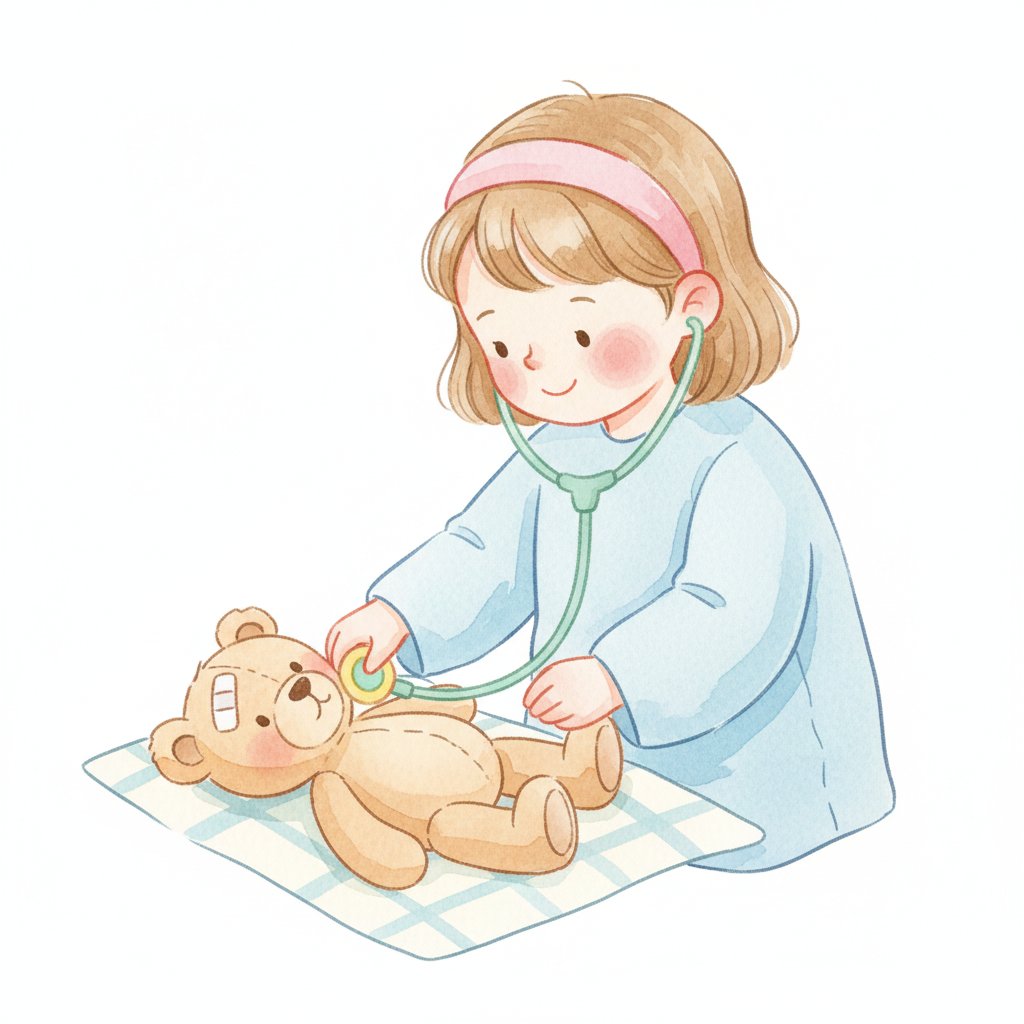
A child pretending to be a doctor caring for a teddy bear with a toy stethoscope

Heartbeat investigation. Have children sit quietly and feel their pulse or place a hand on their chest. Then run in place for thirty seconds and feel again. "What changed? Why?" Children discover that exercise makes the heart work harder to send oxygen to the muscles — and they feel it happening in real time. This is observation and inference at their most personal.

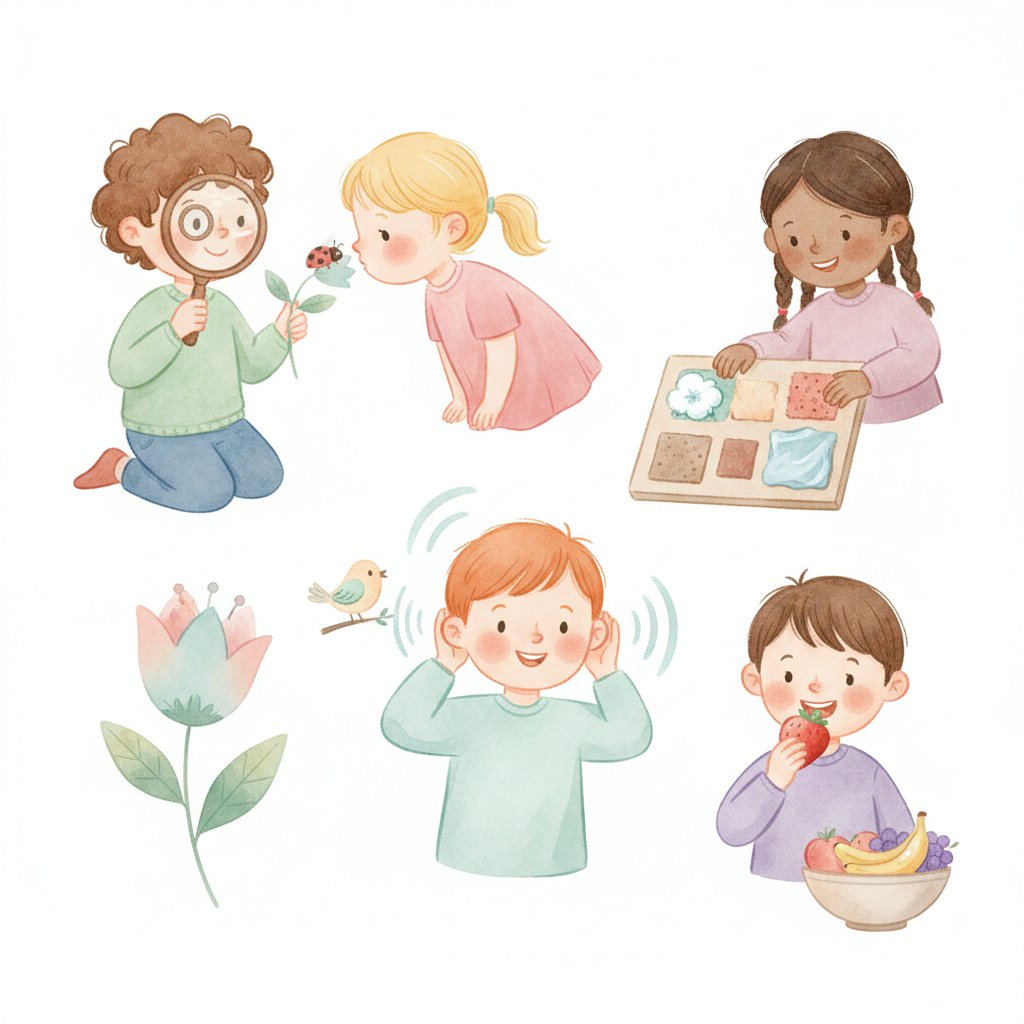
Five-senses stations. Set up five small stations — something to look at (magnifier), smell (herbs), touch (a mystery box), taste (a salty vs sweet cracker), and listen to (a shaker). Rotating through, children learn to name the sense each one uses and notice that different senses gather different information. Our five senses activities and body parts activities expand this into a full anatomy-for-little-kids unit.

Children exploring the five senses with magnifying glass, flower, listening, touch and taste, soft watercolor

Healthy-habits sorting. Sort picture cards into "helps my body" (sleep, water, veggies, running) and "hurts my body" (too much candy, no sleep). It's classification with a health payoff, and it gives children the language to talk about their own choices. Role-play versions — a toy stethoscope on a teddy bear — let children rehearse the doctor visits that can otherwise feel scary.

Make the body domain visible — anatomy and nutrition at eye level
The Human Body Poster turns the science wall into an anatomy lesson: labeled organs and systems that children point to as they learn 'where are my lungs?' Hang it during the body-science weeks and pair it with the Fruits Poster to anchor the healthy-habits sorting — real food, real nutrition, right next to the body it fuels. Two posters, one domain, fully covered.

A Weekly Science Routine (and the Kit That Makes It Easy)

You do not need a lab or a curriculum to give a child a rich science year. You need a small permanent science center, a handful of reusable supplies, and a predictable rhythm. Here is the rhythm that works in both homes and classrooms, built around the six domains and the thinking skills:

The week

  • Observe Monday. Introduce the week's focus (a sprouting seed, a magnet basket, a weather chart) and let children explore freely. The only job is to notice.
  • Question Tuesday. Gather the group and collect their questions on a chart. "What do you wonder about the seed?" Write every question down — recording questions honors them.
  • Predict Wednesday. Pick one question and ask children to predict the answer before you test. "Will the seed grow faster with more water? What do you think?"
  • Test Thursday. Run the investigation. Change one variable. Let the children do the pouring, dropping, and sorting.
  • Communicate Friday. Record what happened — a drawing, a tally chart, a sentence. Reflect: "Was your prediction right? What surprised you?"

This five-day cycle deliberately exercises all six thinking skills every single week, and it rotates through the six domains over the year. Over a preschool year a child following this rhythm will have practiced observing, predicting, comparing, classifying, questioning, and communicating dozens of times across all six domains — exactly the foundation kindergarten science expects. (Our kindergarten readiness checklist shows where science sits among the other readiness skills.)

The kit

A shoebox holds everything you need for most of the activities in this guide: baking soda, white vinegar, food coloring, a magnet, a magnifying glass, a measuring spoon, a flashlight, balloons, and a few zip bags. Add a tray and a chart for recording, and you have a science center. Cost: under ten dollars. Educational return: enormous.

The point of the kit and the routine is not to produce young scientists who know facts. It is to produce young humans who, when they encounter something surprising, automatically observe, predict, and test — like Theo feeling the warm water melt the ice faster, or Lena watching her salt crack the block. That instinct is the whole goal of science activities for preschoolers, and it lasts a lifetime.

Frequently Asked Questions

At what age should I start science activities?

From toddlerhood. A two-year-old dropping objects into a bucket is doing physics. The preschool window (ages 3-5) is when children can begin predicting, comparing, and recording — the thinking skills this guide is built around. Start as early as you like; the activities simply scale up in the questions you ask.

Do I need to know the science to teach it?

No — and it is often better if you don't. When you don't know the answer, you model genuine inquiry: "I'm not sure — how could we find out?" That response teaches the scientific mindset more powerfully than any correct explanation. Your job is to ask questions and provide materials, not to deliver content.

How long should a science activity last?

For a three-year-old, five to ten focused minutes is a strong session; a four- or five-year-old will often go fifteen to twenty if the activity is hands-on. Always stop while the child is still excited — you want them pulling you back to the science center tomorrow, not today.

What if my child isn't interested in science?

They almost certainly are — you may just be calling it the wrong thing. Building with blocks, cooking, digging in dirt, mixing paint, and watching bugs are all science. Follow the child's existing interest (dinosaurs, trucks, baking) and frame it with observing and questioning. Interest in "science" as a label comes later; interest in figuring things out is already there.

How do I cover all six domains in one year?

You don't have to do them evenly. Rotate the focus of your science center every two to three weeks and let a child's curiosity lead. A child who lives in life science for two months and then discovers magnets is still getting a rich science year. The domains are six doors, not a checklist.

Is this the same as STEM?

Related but not identical. Science is one letter in STEM (Science, Technology, Engineering, Math). This guide focuses on science content and thinking skills; our STEM activities guide adds the engineering design and math-measurement pieces on top. Together they cover the full preschool STEM picture.

Happy observing, predicting, and discovering — one small investigation at a time, you are growing a scientific thinker.